
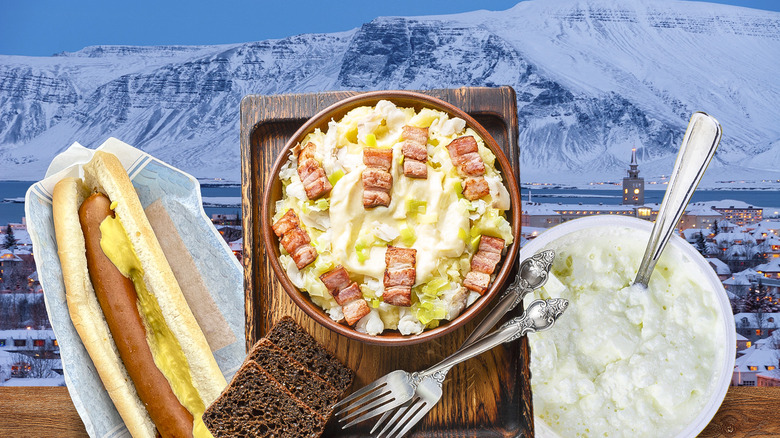
Quick Links: Key Takeaways | Full Dish List | FAQ
Key Takeaways for Iceland Food Explorers
- Icelandic staples revolve around preserved meats, fresh seafood, and dairy due to harsh climates and isolation, with lamb and fish dominating 80% of traditional plates.
- Try fermented shark for the authentic adventure, but balance it with comforting lamb soup and skyr for everyday eats.
- The best spots cluster in Reykjavik: food halls like Hlemmur Mathöll, markets like Kolaportið flea market, and restaurants like Dill for modern twists.
- Book via TripAdvisor, GetYourGuide, or Booking.com for tours including these dishes.
Why These 15 Traditional Icelandic Foods Define Your Culinary Iceland Journey
I’ve roamed Iceland’s volcanic landscapes and cozy geothermal pools, but nothing immerses you deeper than its food. On my last trip, biting into fermented shark in a turf-roofed farmhouse felt like time-traveling to Viking feasts.
These 15 dishes aren’t just meals; they’re survival stories from an island where every bite preserved life through endless winters. From Reykjavik’s bustling harbors to remote fjords, here’s your roadmap to authentic tastes, drawn from my fork-to-plate experiences and chats with local chefs.
The Complete List: 15 Traditional Icelandic Dishes with In-Depth Insights
1. Hákarl: Fermented Greenland Shark
When I first tried hákarl at the Þjóðhátíð festival, the ammonia punch hit like ocean wind, but the creamy texture underneath hooked me. This national dish cures shark meat for months to detoxify it, turning toxic flesh into a pungent delicacy locals pair with Brennivín schnapps.
Why Try It: It’s Iceland’s boldest flavor test, building resilience like the sagas. Only 1% of visitors brave it, making you part of an elite club. The taste evolves from eye-watering to oddly addictive after the third cube.
Cultural Note: Rooted in 16th-century necessity when sharks washed ashore; now a Þorrablót winter feast staple symbolizing Viking ingenuity. Families compete in fermentation contests, with recipes passed orally for generations.
Where to Find It: Sæta Svínið guesthouse in Reykjavik (TripAdvisor, 4.5/5 stars from 2,000+ reviews: “Life-changing adventure food.” Open daily 12-10 PM; tasting plates are ~3,500 ISK. Book via GetYourGuide.
2. Plokkfiskur: Creamy Fish and Potato Stew
After hiking Skaftafell, I slurped plokkfiskur at a roadside inn, its béchamel hugging flaky cod like a warm blanket. This fisherman’s leftover dish blends haddock or cod with mashed potatoes, onions, and a roux for ultimate comfort.
Why Try It: Pure soul food at ~2,000 ISK per bowl, filling you for glacier treks. Variations use ling or coley, showcasing Iceland’s 200+ edible fish species.
Cultural Note: Born from post-WWII thrift, every family tweaks the roux thickness. It’s a Thursday dinner tradition, evoking Grandma’s kitchen across fjords.
Where to Find It: Kaffi Vinyl in Reykjavik (4.7/5 on TripAdvisor: “Best plokkfiskur ever, cozy vibes.” Hours: Mon-Fri 11 AM-9 PM. Pair with flatbread.
3. Hangikjöt: Smoked Lamb
Sliced thin on rye at Christmas markets, hangikjöt’s smoky sweetness melted in my mouth, a holiday hug from Iceland’s sheep-dotted hills. Tea-smoked or boiled, it’s the Yuletide hero.
Why Try It: Tender, versatile base for sandwiches (~1,800 ISK), less gamey than you’d think, with 90% of Iceland’s lamb grass-fed year-round.
Cultural Note: “Hanging meat” from 19th-century smokehouses; now a New Year’s must with white sauce and peas, tying families in verse-recited feasts.
Where to Find It: Kolaportið flea market weekends (GetYourGuide). Rating: 4.6.
4. Kjotsúpa: Hearty Lamb Soup
Simmered for hours with root veggies, this broth warmed me post-Snæfellsjökull, chunks of shoulder meat falling off the bone in golden perfection.
Why Try It: Nutrient-packed winter armor (~1,500 ISK), using local angelica herb for earthy depth, is perfect for Icelanders only.
Cultural Note: Medieval recipe evolved with Viking imports; served at Þorrablót, symbolizing communal endurance.
Where to Find It: Matur og Drykkur restaurant (4.8/5 TripAdvisor: “Authentic soul soup”). Open daily from noon to 10 PM.
5. Skyr: Thick Cultured Dairy
Spooned plain with bilberries, skyr’s tangy density rivals Greek yogurt but doubles protein, my breakfast staple in Akureyri hostels.
Why Try It: Probiotic powerhouse (~800 ISK), low-fat yet filling, exported globally but freshest here.
Cultural Note: Norse import strained 4x longer; Viking-era staple, now in 20+ flavors, but purists shun additives.
Where to Find It: Bónus supermarkets or GetYourGuide experiences.
6. Rúgbrauð: Geothermal Rye Bread
Baked underground in hot springs, this dense, molasses-sweet loaf’s caramel notes shone with butter during my Landmannalaugar camp.
Why Try It: Smoky, slow-fermented (~1,000 ISK slice), pairs with everything from fish to cheese.
Cultural Note: 18th-century innovation using earth’s heat; Þjóðhátíð staple, dense as survival bread.
Where to Find It: Reykjadalur hot springs hikes or Laugahlíð 9 bakery.
7. Harðfiskur: Wind-Dried Fish
Chewy haddock snacks were gnawed trailside, salty bursts fueling Golden Circle drives.
Why Try It: Portable protein (~2,500 ISK pack), butter-dipped for locals.
Cultural Note: Medieval export king; kids’ treat, chewed like jerky.
Where to Find It: Fish markets, TripAdvisor rated 4.5.
8. Svið: Boiled Sheep’s Head
Eyeball-first at Æðisfjörður, the jiggly brain contrasted crispy skin’s richness.
Why Try It: Nose-to-tail ethic (~4,000 ISK half), gelatinous joy.
Cultural Note: The Þorrablót icon, the tongue, is prized; waste-not Viking roots.
Where to Find It: Slippbarinn (4.4/5 reviews).
9. Hrútspungar: Pressed Ram Testicles
Sliced translucent at feasts, mild gaminess surprised my palate post-fermentation.
Why Try It: Delicate, jellied rarity (~3,000 ISK).
Cultural Note: Þorrablót preserved delicacy, efficiency symbol.
Where to Find It: Festivals, specialty shops.
10. Kleinur: Twisted Donuts
Fresh-fried with coffee in Husavik, cardamom spice evoked hygge.
Why Try It: Crispy-sweet snack (~500 ISK each).
Cultural Note: 19th-century Danish influence, winter ritual now daily.
Where to Find It: Bakeries like Brauð & Co.
11. Pylsur: Lamb Hot Dogs
Bæjarins Beztu slathered in sweet remoulade, my Ring Road staple.
Why Try It: Gourmet street food (~800 ISK).
Cultural Note: 1937 icon, lamb-heavy Icelandic twist.
Where to Find It: Tryggvagata stand, 4.8/5.
12. Humarsúpa: Langoustine Soup
Creamy claws in broth at harbor shacks, a seafood symphony.
Why Try It: Fresh Norway lobster (~2,900 ISK).
Cultural Note: Modern classic from pristine waters.
Where to Find It: Reykjavik harbor spots.
13. Flatkaka: Rye Flatbread
Crisp with smoked lamb, picnic perfection.
Why Try It: Simple, versatile base.
Cultural Note: Ancient rye survival flat.
Where to Find It: Home bakers, markets.
14. Sviðasúpa: Sheep Head Soup
Broth from boiled heads, offal depth.
Why Try It: A rich, warming variant.
Cultural Note: Þorrablót companion.
Where to Find It: Traditional feasts.
15. Rjómabollur: Skyr Ice Cream
Creamy cones in Isafjörður, dairy finale.
Why Try It: Tangy twist on gelato.
Cultural Note: Modern skyr evolution.
Where to Find It: Black Death ice cream shops.
Planning Your Iceland Food Adventure
Stay at Hotel Borg (Booking.com, 4.5/5) near food hubs. Join tours on GetYourGuide or TripAdvisor. Prices as of 2026; check updates.
Frequently Asked Questions About Traditional Icelandic Foods
What is the most famous Icelandic dish?
Hákarl tops lists for its notoriety, but pylsur hot dogs are daily favorites. I rank kjotsúpa highest for comfort.
Is Icelandic food expensive?
Expect 1,500-4,000 ISK per dish; street eats are cheaper. Book via Agoda for meal-inclusive stays.
Where to eat traditional food in Reykjavik?
Hlemmur Mathöll food hall or Sæta Svínið for hákarl. Maps embedded above guide you.
Are there vegetarian Icelandic options?
Skyr, rúgbrauð, and kleinur shine; lamb dominates, but veggie stews emerge.