Manila delivers rich cultural immersion tours for every budget. Prices start at PHP 150 for self-guided museum visits and reach PHP 4,000 for private full-day heritage walks. The most popular options are the Intramuros historical walk (PHP 1,200-1,800) and Binondo Chinatown food crawl (PHP 1,500-2,200).
All prices listed are as of early this year; always confirm on official websites or platforms like GetYourGuide.
I arrived in Manila expecting gridlock and shopping malls. Instead, I found a 400-year-old walled city, the world’s oldest Chinatown, and a jeepney art studio tucked behind a university. My colleague Chidi from our Abuja team spent three weeks testing every experience.
“You can’t just drive past Intramuros,” he told me. “You need to walk it, taste it, and talk to the people who keep the stories alive.” This guide ranks the 10 best cultural immersion tours in Manila with real prices, honest takeaways, and booking tips we learned the hard way.
Jump to: Intramuros Walk | Binondo Food Crawl | Jeepney Art Workshop | Bamboo Organ Tour | Escolta Walk | San Agustin Museum | Kalesa Tour | National Museum | Cooking Class | UST Heritage Tour | Practical Tips | FAQ
Key takeaways
- Intramuros walking tours offer the highest density of history per peso. Book before 9 AM to avoid midday heat.
- Binondo food crawls require cash. Many small vendors do not accept cards or digital payments as of this year.
- Free entrance at the National Museum of Fine Arts every Sunday. Arrive by 10 AM to skip the two-hour line.
- Jeepney art workshops cost PHP 2,000-2,500 and include a take-home painted panel. No art skills needed.
- Kalesa (horse carriage) rates are negotiable. Expect PHP 300-500 for 30 minutes; never agree without a clear price first.
- The Bamboo Organ in Las Piñas is a 45-minute drive from central Manila. Combine it with a visit to the nearby Zapote market.
- Most cultural tours do not operate on Mondays due to museum and church closures. Plan Tuesday through Sunday.
1. Intramuros Historical Walking Tour: What does it cost and why is it essential?

Intramuros, the 64-hectare walled city built by the Spanish in 1571, is Manila’s most concentrated cultural immersion. I spent four hours walking from Fort Santiago to San Agustin Church, and every corner showed another layer of colonial, wartime, and modern Filipino life.
Licensed guides charge PHP 1,200-1,800 for a group tour (2-6 people) and PHP 2,500-4,000 for a private four-hour deep dive. Self-guided is free, but you miss stories like the hidden dungeons where José Rizal spent his final hours.
Fatima, our Lagos correspondent: “I almost skipped the guided tour to save money. Big mistake. The unlicensed touts outside the gate quote PHP 500, but they rush you and invent fake facts. Pay for a Department of Tourism accredited guide. You can find them at the Plaza de Roma tourist office.”
Best for
- First-time visitors who want the full Manila history in half a day.
- Photographers: Fort Santiago walls and the Baluarte de San Diego gardens are stunning at 4 PM light.
- Budget culture seekers: group tours are lower cost, at PHP 300-400 per person.
Worth considering
- Wheelchair users: cobblestone streets and steep ramps at Fort Santiago are challenging.
- Book via GetYourGuide for verified guides and easy cancellation. Many same-day guides accept cash only.
2. Binondo Chinatown Food Crawl: How much for the oldest Chinatown’s best tastings?
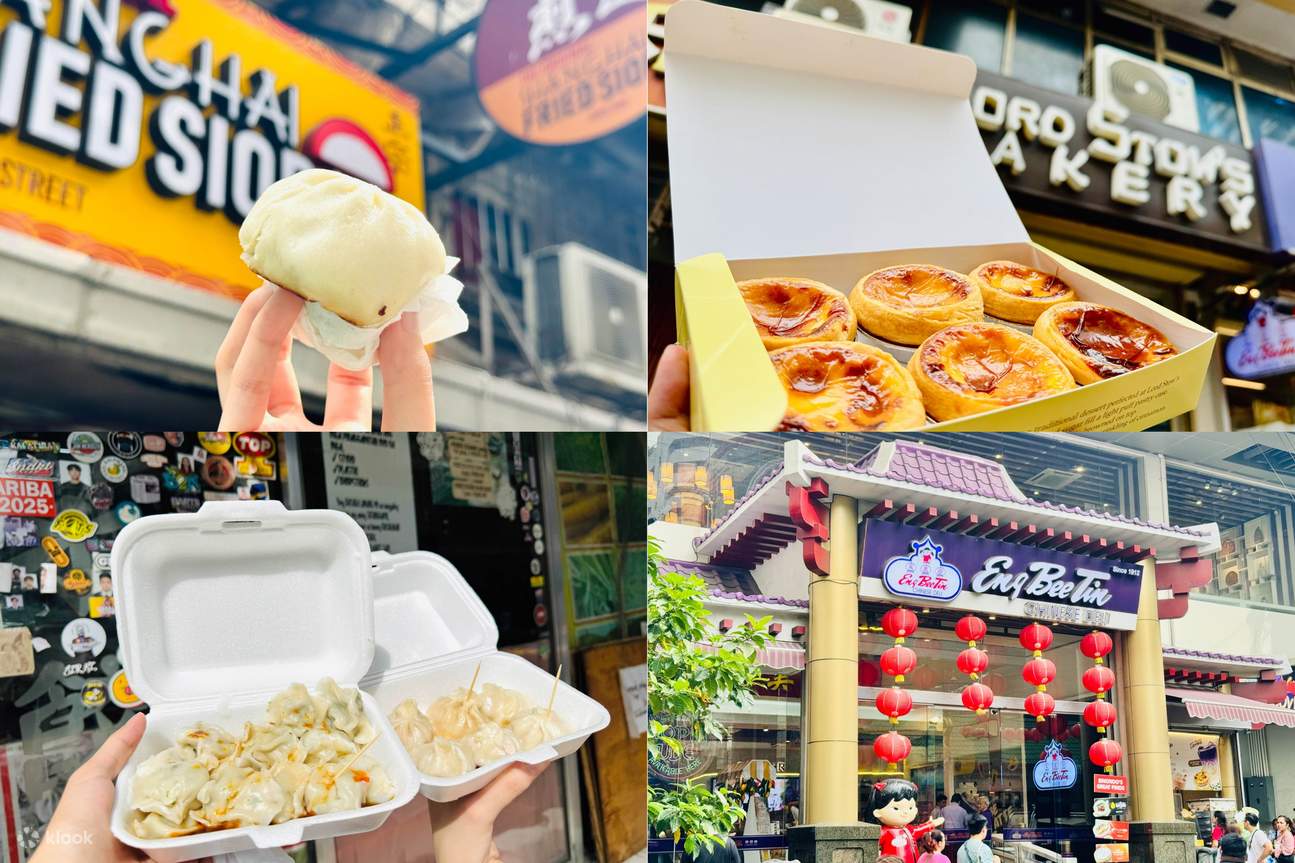
Binondo was established in 1594, making it the world’s oldest Chinatown. The cultural immersion here happens through your taste buds. A guided food crawl costs PHP 1,500-2,200 per person and includes 8 to 10 stops: dumplings at Dong Bei Dumplings, fresh hopia (bean-filled pastries) at Eng Bee Tin, and the legendary fried siopao at Sincerity Cafe & Restaurant.
I joined a tour led by Ivan, a fourth-generation Binondo resident, who explained why certain streets are named after Spanish friars and Chinese merchants.
Chidi from our Abuja team: “Bring small bills. Many vendors will not break a PHP 1,000 note. Also, the best hopia sells out by 11 AM. Start your crawl at 9 AM sharp.”
Best for
- Foodies who want authentic, non-touristy Chinese-Filipino flavors.
- Solo travelers: group crawls are social and safe; you will walk through crowded alleys.
- History buffs: the Binondo Church and Plaza San Lorenzo Ruiz have stories of Chinese martyrs.
Worth considering
- Vegetarians: options exist (tofu, vegetable dumplings) but many stops serve pork and seafood.
- Check TripAdvisor for top-rated local guides; some offer half-price for children under 10.
3. Jeepney Art and Design Workshop: Where to paint your own Filipino icon?
Jeepneys are more than public transport; they are moving murals of Filipino identity. The Jeepney Art Workshop at the Escolta Art Hub or at the workshop in Pasay costs PHP 2,000-2,500 per person for a three-hour session. You get a 30×40 cm aluminum panel, acrylic paints, and guidance from a former jeepney sign painter.
I spent two hours painting a horse-and-sun motif. No art experience required. The best part: the instructor explains why each color and symbol (the eagle, the rainbow, the family name) matters.
Fatima: “Wear old clothes. Acrylic paint does not wash out. The workshop includes a frame for your panel, so you can hang it at home. My panel now sits above my desk in Abuja.”
Best for
- Hands-on learners who prefer making over watching.
- Families with kids aged 8 and above (lower price for children).
- Souvenir hunters: far more meaningful than a mass-produced keychain.
Worth considering
- Reserve at least one week in advance via Facebook Messenger (most workshops do not have websites).
- Combine with an Agoda-booked hotel in Malate or Ermita; both are a short jeepney ride away.
4. Las Piñas Bamboo Organ Church Tour: What is the price for a UNESCO-recognized sound?

The Bamboo Organ in St. Joseph Parish Church, Las Piñas, is the only 19th-century bamboo organ in the world. It was built between 1816 and 1824 by Fr. Diego Cera. A guided tour of the church and the Bamboo Organ Museum costs PHP 800-1,200 per person.
The organ is played for visitors every Tuesday and Thursday at 11 AM by the resident curator. I heard a rendition of “Bayan Ko” on the 1,031 bamboo pipes. The resonance is softer than metal pipes, but the historical weight is immense.
Chidi: “Do not confuse the Bamboo Organ with the newer church across the street. The real one is inside St. Joseph Parish. Also, check the official Facebook page ‘Bamboo Organ’ before you go; they sometimes close for restoration.”
Best for
- Music historians and architecture lovers.
- Travelers looking for a quiet, uncrowded cultural site (unlike Intramuros).
- Affordable half-day trips from Manila (Grab car costs PHP 400-600 one way).
Worth considering
- The museum has no air conditioning. Visit before 10 AM or after 3 PM.
- Combine with a lunch at the nearby Salcedo Market (weekends only) via Kayak for rental car options.
5. Escolta Street Art and Heritage Walk: How much for a self-guided art immersion?
Escolta was Manila’s pre-war “Wall Street.” Today, it is an open-air gallery of Art Deco buildings, vintage shops, and murals by Filipino street artists like Blic and Egg Fiasco.
A self-guided walk costs nothing, but a guided tour by the Escolta Heritage Society runs PHP 1,000-1,500 donation per group. I used their free PDF map (download from their Facebook page) and spent two hours spotting the iconic Don Roman Santos Building and the Calvo Museum. The museum entry is an extra PHP 150.
Fatima: “Sunday mornings are best. The First United Building community market opens, and local designers sell vintage clothes. Also, the coffee at HUB: Make Lab is excellent. Bring cash for the market.”
Best for
- Budget travelers: the entire walk costs under PHP 200 (plus optional donations).
- Instagrammers: murals on Burke Street and the glass dome of the Capitol Theater.
- History + hipster crossover: vintage typewriters and old movie posters.
Worth considering
- Some buildings are abandoned. Stay on main streets and do not enter cordoned-off areas.
- Use Booking.com to stay near Binondo; Escolta is a ten-minute walk away.
6. San Agustin Museum and Monastery Immersion: What is the entrance fee?
San Agustin Church is a UNESCO World Heritage Site, but the adjacent museum is often overlooked. Entrance is PHP 200 for adults, PHP 100 for students, and an optional guided tour adds PHP 500.
The museum holds colonial-era vestments, a collection of santos (religious statues), and a garden of medicinal plants used by Augustinian friars. I spent two hours in the museum’s library, where a staff member showed me a 1604 missal. The monastery’s stone corridors are cool even at noon.
Chidi: “The crypt under the church contains the remains of several Spanish governors. You can see their tombstones. Also, no photography inside the museum’s main gallery. They enforce it strictly.”
Best for
- Religious history enthusiasts.
- Escaping the midday heat: the museum is fully air-conditioned.
- Combining with Intramuros walking tour; it is a five-minute walk from Fort Santiago.
Worth considering
- The museum closes on Mondays and for weddings (which happen frequently). Check the TripAdvisor page for same-day updates.
7. Kalesa (Horse-drawn Carriage) Tour of Old Manila: How to negotiate a fair price?
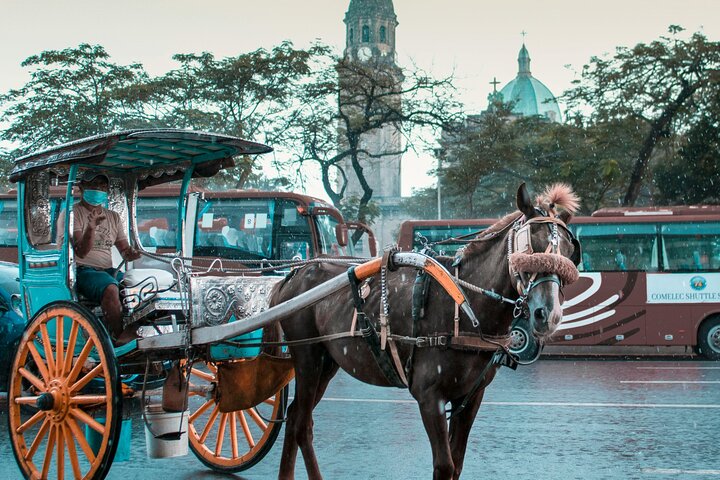
The kalesa is a horse-drawn carriage that has plied Manila’s streets since the 1700s. A 30-minute tour around Intramuros or Binondo costs PHP 300-500. I took one from Plaza de Roma to San Diego Gardens.
The coachman, Mang Lito, pointed out the original Spanish sewer system and a hidden chapel. Be aware: prices are not fixed. You must agree on the route and price before stepping in. Never pay per person; pay per carriage.
Fatima: “Ask to see the animal welfare sticker. Manila has strict rules on horse rest hours. If the horse looks fatigued or has sores, refuse the ride and report it to the Intramuros Administration (their office is near the entrance).”
Best for
- Romantic sunset rides (request the route around the walls).
- Travelers with mobility issues who cannot walk the cobblestones.
- A quick, nostalgic break between museum visits.
Worth considering
- Traffic is heavy after 4 PM; the horse gets stressed in gridlock. Go in the morning.
- Book your Hotels.com stay near Intramuros to walk to the kalesa stand.
8. National Museum of Anthropology and Fine Arts Combo: What is the cheapest immersion in Manila?

The National Museum complex in Rizal Park houses the Museum of Fine Arts, Museum of Anthropology, and Museum of Natural History. Each costs PHP 150 for adults. Children under 12 enter free. On Sundays, all three are free for everyone.
I spent a full day seeing Juan Luna’s “Spoliarium” (a massive 1884 painting) and the Tabon Man skull cap, evidence of 50,000-year-old human habitation. The anthropology museum has an entire gallery on indigenous weaving traditions from Mindanao.
Chidi: “Do not attempt all three in one day if you actually read labels. Prioritize Fine Arts (2 to 3 hours) and Anthropology (2 hours). Natural History is great for kids but skippable if time is short. Also, bag storage is free but limited; arrive early.”
Best for
- Extreme budget travelers: free entry on Sunday.
- Art and pre-colonial history lovers.
- Rainy day activities (fully indoor and air-conditioned).
Worth considering
- Closed every Monday. Also closed on election days and national holidays; check the official National Museum website.
- Use Expedia to bundle flights and a hotel near Rizal Park for easy access.
9. Traditional Filipino Cooking Class: How much for adobo and market tour?

A cooking class in Pasay or Makati typically includes a public market tour and a four-dish meal. Prices range from PHP 2,500 to PHP 3,500 per person. I joined a class at The Maya Kitchen in Makati. We started at 8 AM at the Pasay public market, buying tamarind, banana hearts, and fresh coconut cream.
Then we cooked chicken adobo, sinigang (sour soup), and leche flan. The class size was six people, and everyone ate together. The instructor, Chef Mira, explained that adobo is not a single recipe but a method using vinegar and garlic.
Fatima: “Ask about dietary restrictions before booking. Some classes accommodate vegetarians by substituting pork with tofu. Also, wear closed-toe shoes for the market; the fish section gets slippery.”
Best for
- Travelers who want a souvenir skill, not a t-shirt.
- Groups of 2-4 people (private classes cost PHP 8,000-10,000 total).
- Those with half a day to spare; the market tour alone is a cultural immersion.
Worth considering
- Check GetYourGuide for last-minute availability; many classes require 48-hour advance booking.
- Accommodation: Vrbo offers apartments with full kitchens in Makati if you want to practice after the class.
10. University of Santo Tomas (UST) Heritage Tour: What is the price for Asia’s oldest university?
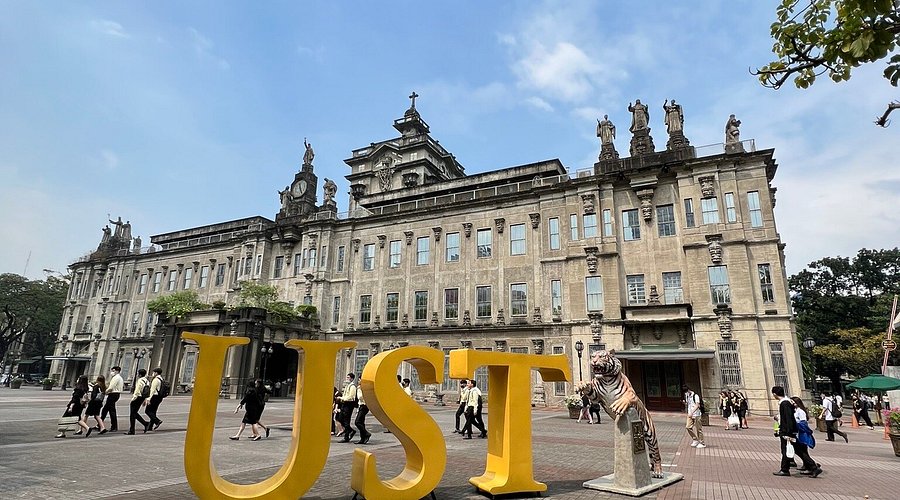
UST was founded in 1611, making it the oldest existing university in Asia. The campus offers a guided heritage tour for PHP 500-800 per person.
The tour includes the Main Building (a neoclassical structure with a WWII bomb crater still visible), the Museum of Arts and Sciences (with a collection of Philippine fauna and a 400-year-old globe), and the Arch of the Centuries. I was guided by a history student named Marco, who showed us the secret tunnel used by seminarians during the Japanese occupation. Tours run Tuesday through Friday by appointment only.
Chidi: “You cannot just walk into UST. You must email the Office of the Secretary General at least three days ahead. Security is strict because of past bomb threats. Bring your passport for ID.”
Best for
- Academic travelers and alumni of old universities.
- Architecture buffs: the Main Building is a replica of the US Capitol’s design.
- Small groups (maximum 10 people per tour).
Worth considering
- The museum charges an extra PHP 100 for camera use.
- Combine with a lunch at the nearby Dangwa flower market (famous for budget blooms).
How to choose the right cultural immersion tour in Manila for your budget and interests?
Best time to go for each tour type
Dry season (December to May) is ideal for outdoor walking tours. However, February to April is extremely hot (35°C). Start your Intramuros or Escolta walk at 7 AM. For cooking classes or museum tours, the rainy season (June to November) is fine because most activities are indoors. According to the Philippine Atmospheric, Geophysical and Astronomical Services Administration (PAGASA), October sees the fewest rainy days after the main monsoon.
What to wear and bring
Light cotton shirts, long pants (to protect from mosquitoes in Intramuros gardens), and comfortable walking shoes. Bring a reusable water bottle; many cultural sites have refilling stations. A small umbrella for sudden rain or sun. For church visits (San Agustin, Bamboo Organ), shoulders and knees must be covered. A sarong or scarf works as a quick cover-up.
Booking platforms compared
GetYourGuide offers the widest range of curated cultural tours with free cancellation up to 24 hours in advance. For DIY planning, TripAdvisor has user reviews for specific guides. Agoda and Booking.com are best for booking nearby hotels to minimize travel time between tours. We avoid Viator for Manila because their commissions often inflate local prices by 30% compared to booking direct.
What are the most common mistakes on cultural immersion tours in Manila?
- Paying unlicensed guides: They operate outside Intramuros and Binondo. They quote low then demand “tips” at every stop. Always ask for an ID from the Department of Tourism.
- Visiting on a Monday: Most museums, the Bamboo Organ tour, and UST heritage tours are closed. Tuesday to Sunday is safe.
- Assuming all prices include entrance fees: Some walking tour prices quoted online do not include Fort Santiago or San Agustin museum entry (extra PHP 75-200). Read fine print on GetYourGuide.
- Negotiating kalesa after the ride: Agree on the route and exact price before stepping into the carriage. Write it down if needed. Pay after the ride, but confirm the amount first.
- Wearing flip-flops for Escolta walk: The sidewalks are uneven, and broken glass appears near abandoned buildings. Closed shoes or sturdy sandals.
- Skipping the market tour in cooking classes: The market portion is where you learn ingredient names and bargaining etiquette. Some classes offer a “class only” discount, but you lose half the cultural value.
- Forgetting cash for Binondo: Most stalls and small restaurants do not accept cards. ATMs near Binondo Church have high fees (PHP 250 per withdrawal). Bring PHP 2,000 in small bills.
Frequently asked questions
Is Manila safe for solo travelers on cultural immersion tours?
Yes, if you stick to the areas mentioned (Intramuros, Binondo, Escolta, museums). Solo travelers should avoid walking alone after 8 PM in Binondo or near the Pasay market. Join group tours for nighttime food crawls; they usually include a guide who knows the safe routes. Keep your phone and wallet in a front pocket or crossbody bag.
Do I need to speak Tagalog to enjoy these tours?
Not at all. All licensed guides and tour operators speak English. Most signage in Intramuros, national museums, and UST is in English. In Binondo, many vendors speak basic English or use calculators to show prices. Learning a few words like “Salamat” (thank you) and “Magkano” (how much) is appreciated but not required.
What is the cheapest cultural immersion tour in Manila?
The National Museum complex on a Sunday (free entrance) is the absolute cheapest. You can also do a self-guided Escolta walk for zero pesos. The Intramuros self-guided walk is free as well, but you will miss the historical context. For less than PHP 500, you can do a 30-minute kalesa tour or the Bamboo Organ museum entry without the guided add-on.
Are these tours suitable for children?
Most are family-friendly. The jeepney art workshop and National Museum are great for kids aged 5 and up. Binondo food crawls work if your child enjoys trying new foods. The Intramuros walking tour may be too long for under-7s; opt for the kalesa tour instead. Avoid the cooking class for very young children because of hot stoves and sharp knives.
How to avoid tourist traps on Intramuros tours?
Avoid anyone who approaches you first near the entrance gates. Legitimate guides wait at the Department of Tourism office inside the walled city (near Plaza de Roma). Also, ignore “free walking tours” that ask for a “suggested donation” of PHP 1,000 or more; those are unregulated. Book through the official Intramuros Administration website or GetYourGuide for verified providers.
Can I combine multiple cultural immersion tours in one day?
Yes, but limit to two. A morning Intramuros walk (3 hours) plus an afternoon Binondo food crawl (2.5 hours) is doable. Or a morning Bamboo Organ tour (1.5 hours) plus an afternoon cooking class (4 hours). Do not combine the jeepney workshop (3 hours) with anything else; you will be exhausted and covered in paint. Always leave a one-hour buffer for travel between sites.
What is the average total cost for a full day of cultural immersion?
A full day (two tours, lunch, and one museum) typically costs PHP 2,500-4,000 per person. Example: Intramuros group tour (PHP 1,500) + National Museum (PHP 150) + lunch at Ilustrado Restaurant (PHP 500) + kalesa tour (PHP 400) = PHP 2,550. Add a cooking class instead, and you reach PHP 4,000. Use Kayak to compare flight and hotel packages to free up budget for tours.
Plan your trip: booking platforms we trust
The WakaAbuja team tests these platforms yearly for price accuracy, customer support, and local availability. For Manila cultural tours, GetYourGuide consistently offers verified guides and free cancellation. For hotels near Intramuros, Agoda and Booking.com have the widest inventory. We do not accept payment for these recommendations; they are based on our own travel bookings as of this year.