advertisement
Whether you’re exploring Panama City’s modern attractions or the pristine San Blas Islands, this post delivers all you need to know to experience Panama fully, safely, and affordably.
Essential Overview: Why Panama Should Be Your Next Travel Destination
Panama perfectly blends tropical adventure and cosmopolitan comforts. From the iconic Panama Canal to jungle-covered national parks, along with vibrant indigenous culture and delicious cuisine, it promises an unmissable experience.
Personally, I’ve found Panama to marry convenience and authenticity seamlessly, making every journey memorable.
Must-Visit Destinations in Panama
Panama City & Casco Viejo
Panama City is a dynamic metropolis rich in history and modern allure. Casco Viejo, the colonial old town, captivates with its cobbled streets, historic churches, and rooftop bars with views over the bay. I recommend spending at least 2 days here soaking up the old-world charm alongside year-round vibrant nightlife.
San Blas Islands
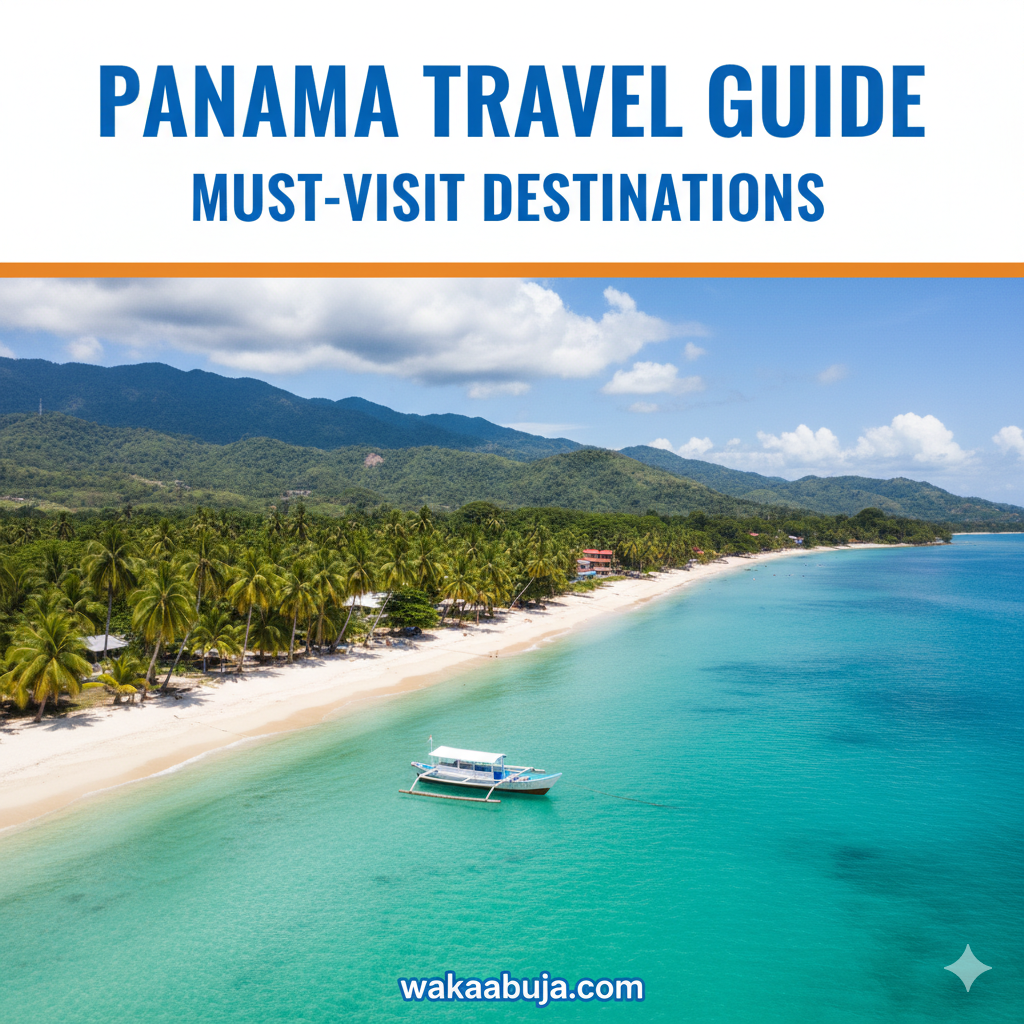
A pristine archipelago governed by the Guna Yala indigenous community. Crystal-clear turquoise water, untouched white sand beaches, and traditional culture make it an unforgettable escape from urban life. To truly appreciate its magic, plan for 2-3 days here; bring cash and minimal tech gear as connectivity is limited.
Boquete
Nestled in the highlands, Boquete offers cool mountain air, exceptional coffee plantations, and hiking trails around Baru Volcano. It’s perfect for outdoor lovers seeking nature, adventure, and a close-knit expat community. A 3-day stay is ideal to explore coffee tours, waterfalls, and geothermal springs.
Insider Travel Tips & Personal Experiences
From repeated visits, I’ve learned a few things that truly make Panama travel smoother and richer. For instance, carry some small bills for local markets where change is often hard; try to learn a few Spanish phrases — locals appreciate the effort immensely; timing your travel to avoid rainy season (April to mid-November) ensures sunny exploration; and engaging local guides enhances cultural immersion far beyond tourist traps.
Safety and Health: How to Keep Yourself Secure
Panama is generally safe, but common-sense precautions apply:
- Keep valuables secure and avoid flashy displays of wealth in urban centers.
- Use registered taxis or ride-hailing apps like Uber.
- Stay hydrated and use mosquito repellent, especially in jungle or rural areas.
- Have emergency contacts saved: Panama emergency number is 911.
- Carry travel insurance covering medical emergencies and unexpected events.
Where to Stay: Best Neighborhoods and Accommodations
Panama City
Casco Viejo for charm and nightlife, or Punta Paitilla for modern luxury apartments overlooking the Pacific. Mid-range hotels like Hotel Tantalo get top user ratings for atmosphere and location. Budget travelers have great hostels and guesthouses around Avenida Central.
San Blas Islands
Basic eco-lodges and rustic cabanas owned by Guna communities are typical. These accommodations prioritize sustainability and authentic experience over luxury. Book well in advance due to limited capacity.
Boquete
A wide range from cozy guesthouses to boutique mountain resorts. Check out places like Valle Escondido or Finca Lerida for coffee farm stays with scenic views. Advance booking recommended during peak seasons.
Typical Travel Costs & Suggested Budgets
Budget Travel
Hostel dorm beds from $10–$15 nightly; street food meals around $3; local buses $0.50–$2 per ride.
Mid-Range Travel
Hotels or Airbnb $50–$120 per night; restaurant meals $10–$30; domestic flights and tours vary from $40–$150.
Luxury Travel
Upscale resorts exceed $200 nightly; private tours and charters can reach $300+ per day.
Money-Saving Tips for Smart Travelers
- Use local buses instead of taxis for short trips.
- Eat where locals eat—look for bustling, authentic food stalls.
- Book tours and accommodations locally rather than online to snag discounts.
- Visit free or low-cost attractions like Metropolitan Natural Park in Panama City.
- Travel light to avoid extra airline fees.
How to Get Around Panama
Getting around Panama is straightforward but varies by region. Panama City has a convenient metro line and ride-hailing apps. Intercity travel includes a well-serviced bus network and domestic flights to reach remote areas fast—especially important when visiting islands or Boquete.
Public Transport vs. Private Options
Public buses and taxis are affordable but require some language skill and situational awareness. Rental cars allow flexibility in regions like Boquete but are unnecessary in Panama City. For San Blas Islands, boats organized by local operators are the only access.
When to Visit Panama: Best Seasons and Timing
Panama has a tropical climate with a heavy rainy season from May to November. The dry season, December to April, offers sunny, humidity-low days ideal for all travel activities, though prices for accommodations peak. Shoulder months (Nov and April) balance weather and cost.
How to Get There & Entry Requirements
Panama City’s Tocumen International Airport (PTY) connects globally with major airlines. US, EU, and many other nationals enjoy visa-free entry for up to 180 days. Check official government sources for the latest on COVID-19 policies and visas.
Explore Surrounding Areas & Recommended Tours
Beyond city limits, consider day trips to the Embera Indigenous Villages, Gamboa Rainforest, or Coiba National Park, a UNESCO World Heritage marine reserve. Tours range from nature hikes and wildlife spotting to cultural immersion. Pre-booking ensures preferred timing.
Ideal Length of Stay for First-Time Visitors
A 7-10 day itinerary comfortably covers Panama City, San Blas, and Boquete with room for tours and relaxation. Longer stays invite off-the-beaten-path exploration of Bocas del Toro or the Darien Peninsula.
Emergency Contacts & Local Resources
- Emergency Number: 911
- Tourist Police: +507 229-5600
- Panama Tourism Authority: info@propanama.gob.pa
- Hospital Santo Tomas: +507 524-5000
Travel Pros & Cons Based on Personal Experience
Advantages
- Rich biodiversity and outdoor adventures.
- Blend of modern city life and indigenous culture.
- Affordable travel options across budgets.
- Warm, welcoming people with a laid-back vibe.
- Excellent infrastructure in key tourist areas.
Challenges
- Heavy rains can disrupt plans in the wet season.
- Limited connectivity in remote islands.
- Language barriers outside tourist hubs.
- Some tourist areas have higher prices than expected.
Embedded Map: Panama City & Must-Visit Areas
FAQs: People Also Ask About Panama Travel
What is the best time of year to visit Panama?
The optimal time to visit Panama is during the dry season, from December to April, when weather is sunny and humid-free, perfect for beach and outdoor activities.
Is it safe to travel alone in Panama?
Yes, Panama is generally safe for solo travelers if standard safety measures are observed, such as avoiding isolated areas at night and using reliable transport options.
How much money should I budget for a one-week trip to Panama?
For a balanced experience, expect to budget around $700 to $1200 for one week covering mid-range accommodation, food, and activities.
Do I need a visa to visit Panama?
Citizens from the U.S., EU countries, Canada, and many others do not need a visa for stays up to 180 days. Verify your specific country’s requirements before traveling.