
advertisement
Whether you’re here for culture, history, or modern city vibes, these expert recommendations and local secrets will help you make the most of your stay.
Jump to Top Attractions | Must-Know Tips | Travel Costs & Budgets | FAQ
Why Warsaw Should Be Your Next Travel Destination
Warsaw offers a rich blend of centuries-old history and vibrant modern life. From its meticulously restored Old Town to cutting-edge museums and lively street scenes, Warsaw welcomes visitors with open arms, intriguing stories, and surprisingly affordable experiences.
As someone who’s walked its bustling streets and quiet parks, I can tell you this city is both accessible and full of hidden gems just waiting to be discovered.
Explore Warsaw’s Must-See Attractions
The Royal Castle and Old Town
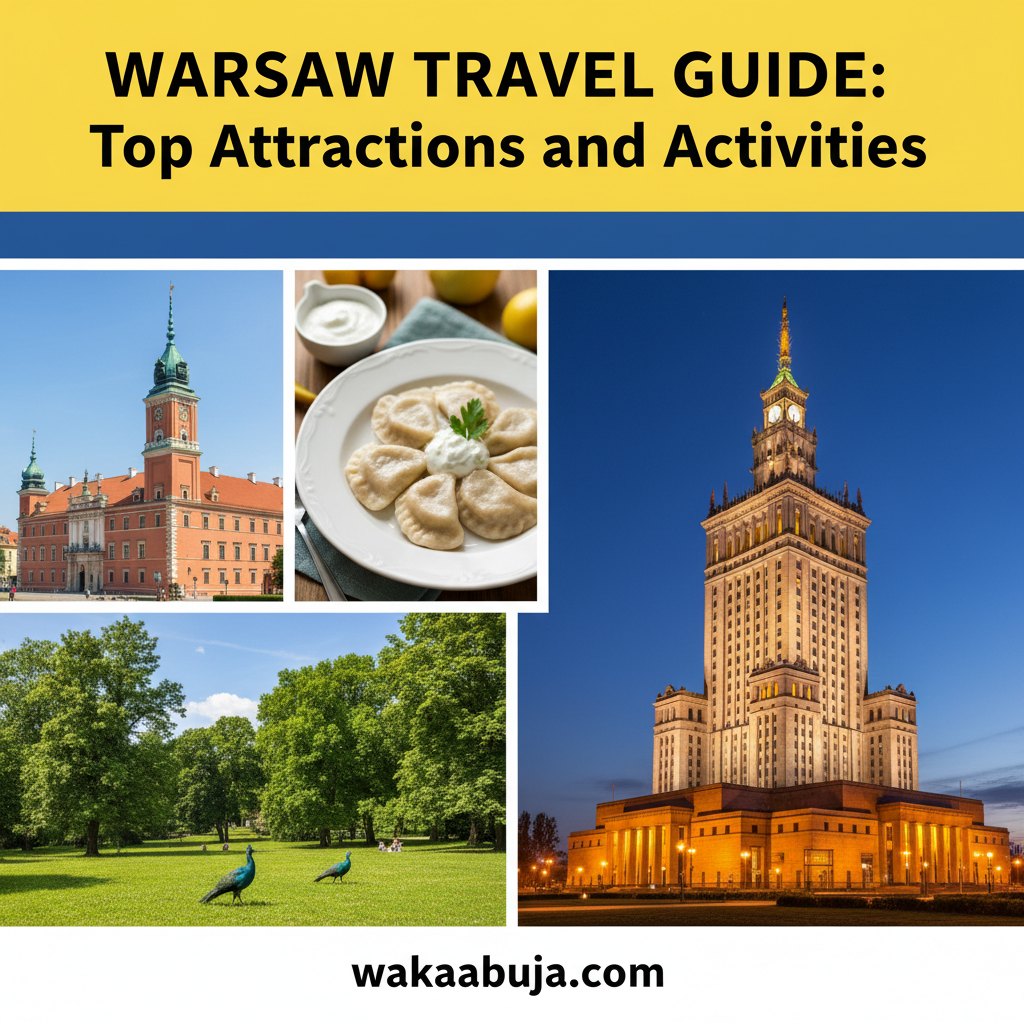
The heart of Warsaw’s history is the Royal Castle, reconstructed after WWII and filled with royal chambers, art, and symbolism. Strolling through the Old Town Square, with its colorful townhouses and lively cafés, feels like stepping back into a fairy tale. Don’t miss the multimedia fountain show in the evening during summer months.
Insider Tip: Arrive early to avoid crowds and enjoy a coffee at Café Kulturalna overlooking the square.
POLIN Museum of the History of Polish Jews
This award-winning museum presents a deeply moving and comprehensive narrative about Jewish life in Poland, combining interactive exhibits with historical artifacts. It’s a must-visit to understand Warsaw’s complex past.
Hours: 10am–6pm daily, closed Mondays. Official Website
Łazienki Park and Palace on the Isle
A stunning green oasis centered around the elegant Palace on the Isle. The park hosts free Chopin concerts on summer Sundays, and the peacocks roaming the grounds add an enchanting vibe.
Personal Insight: I found this park perfect for a peaceful afternoon away from city noise, especially early mornings when it’s nearly empty.
Personal Insights: Staying Safe and Sound in Warsaw
Like any major city, Warsaw is generally safe for tourists but requires some common-sense precautions. Stay alert in crowded places like markets and public transport to avoid pickpockets. I recommend using registered taxis or ride-hailing services rather than hailing cabs on the street late at night.
If you need assistance, keep these emergency numbers handy:
Also, registering your travel details with your embassy can add a layer of security.
Choosing the Best Neighborhoods to Stay
Śródmieście (City Centre)
Ideal for first-timers who want to be close to major landmarks, dining, and nightlife. Expect a lively atmosphere with easy access to metro and bus lines.
Praga
For a more offbeat experience, Praga offers a creative vibe with street art, cozy cafes, and a glimpse into Warsaw’s artistic soul. It’s slightly away from the tourist buzz but well connected by tram.
Mokotów
A residential area popular with expats, offering quieter streets, parks, and local eateries. Perfect if you prefer a calm base but with easy transport to central Warsaw.
Budgeting Your Warsaw Trip: Typical Costs and Money-Saving Tips
Accommodation Prices
Hostels start at about 40 PLN (~$9) per night; mid-range hotels average 200–350 PLN (~$45–80); boutique hotels and Airbnb options vary but are generally affordable compared to Western Europe.
Food and Drink Costs
Traditional Polish meals at casual restaurants cost around 25–45 PLN ($6–10). International cuisine and upscale dining can be pricier, but Warsaw has many budget-friendly street food options I personally love.
Transport Fares
A single tram/bus ticket is 4.40 PLN (about $1), valid for up to 75 minutes with transfers. Consider a 24- or 72-hour pass for unlimited travel, saving significant money.
How to Navigate Warsaw Efficiently
Warsaw’s public transport network is extensive and punctual. The metro has two lines covering key districts, complemented by buses and trams that connect to most places of interest.
For convenience, download the Mobilet app to purchase tickets digitally. Walking is also a great way to experience central Warsaw’s charm firsthand. For trips outside the city center or at night, I recommend Uber or Bolt, which are widely available.
When to Visit Warsaw and How to Arrive
Late spring through early autumn (May to September) offers the best weather and numerous outdoor events. Winters are cold but festive, with Christmas markets and cultural activities.
Warsaw Chopin Airport (WAW) is well connected to major European cities. From the airport, take the city train or buses for easy access downtown. Trains from other Polish cities, like Kraków and Gdańsk, also reach Warsaw Central Station, the main hub.
Recommended Tours and Nearby Day Trip Options
- Walking tours of Old Town and Praga to dive into history and culture with passionate guides (typically 70–100 PLN).
- Vistula River cruises offer scenic views and a unique perspective on the city’s skyline.
- Auschwitz-Birkenau Memorial – a profoundly moving day trip approximately 1.5 hours away by coach or train with guided tours available.
- Żelazowa Wola, Chopin’s birthplace, 50 minutes by car for classical music and peaceful gardens.
How Long Should You Spend in Warsaw?
With a mix of historical sites, cultural venues, and lively neighborhoods, I’d recommend at least 3 full days to soak in Warsaw’s highlights without rushing. A week allows deeper exploration and nearby excursions.
Pros and Cons of Visiting Warsaw
Pros
- Rich history blended with modern amenities
- Affordable compared to Western Europe
- Friendly locals and vibrant cultural scene
- Excellent public transportation
Cons
- Weather can be unpredictable, especially in winter
- English not universally spoken outside tourist hubs
- Parts of the city can feel less polished compared to other capitals
Map: Warsaw’s City Center and Key Attractions
Frequent Questions about Visiting Warsaw
Is Warsaw safe for solo travelers?
Yes, Warsaw is generally safe. I always felt comfortable walking alone during the day and early evening. Just be mindful of your belongings and avoid poorly lit areas late at night.
What is the best way to get from Warsaw Chopin Airport to the city center?
The quickest is the S2 city train line from the airport to Warszawa Centralna station, taking about 20 minutes. Alternatively, buses and taxis are convenient but can be slower during rush hour.
How much should I budget per day in Warsaw?
A reasonable daily budget including accommodation, food, transport, and sightseeing ranges from 200 to 350 PLN ($45-80), depending on your travel style. I recommend carrying some cash as smaller vendors may not accept cards.
Are there any free attractions in Warsaw?
Yes! Łazienki Park and the Royal Castle’s courtyard are free to enter. Also, many museums have one free admission day per month, so check individual website calendars to plan accordingly.
Final Tips Before You Travel
Book your accommodations and major attractions in advance, especially during peak travel season (June to September). Download an offline map app for easy navigation without mobile data. Learn basic Polish phrases like “Dziękuję” (thank you) and “Proszę” (please) – locals truly appreciate the effort.
Trust your instincts, embrace Warsaw’s mix of history and modern culture, and don’t rush the experience – I found that slowing down to enjoy cozy cafés and quiet parks made the trip unforgettable.