advertisement
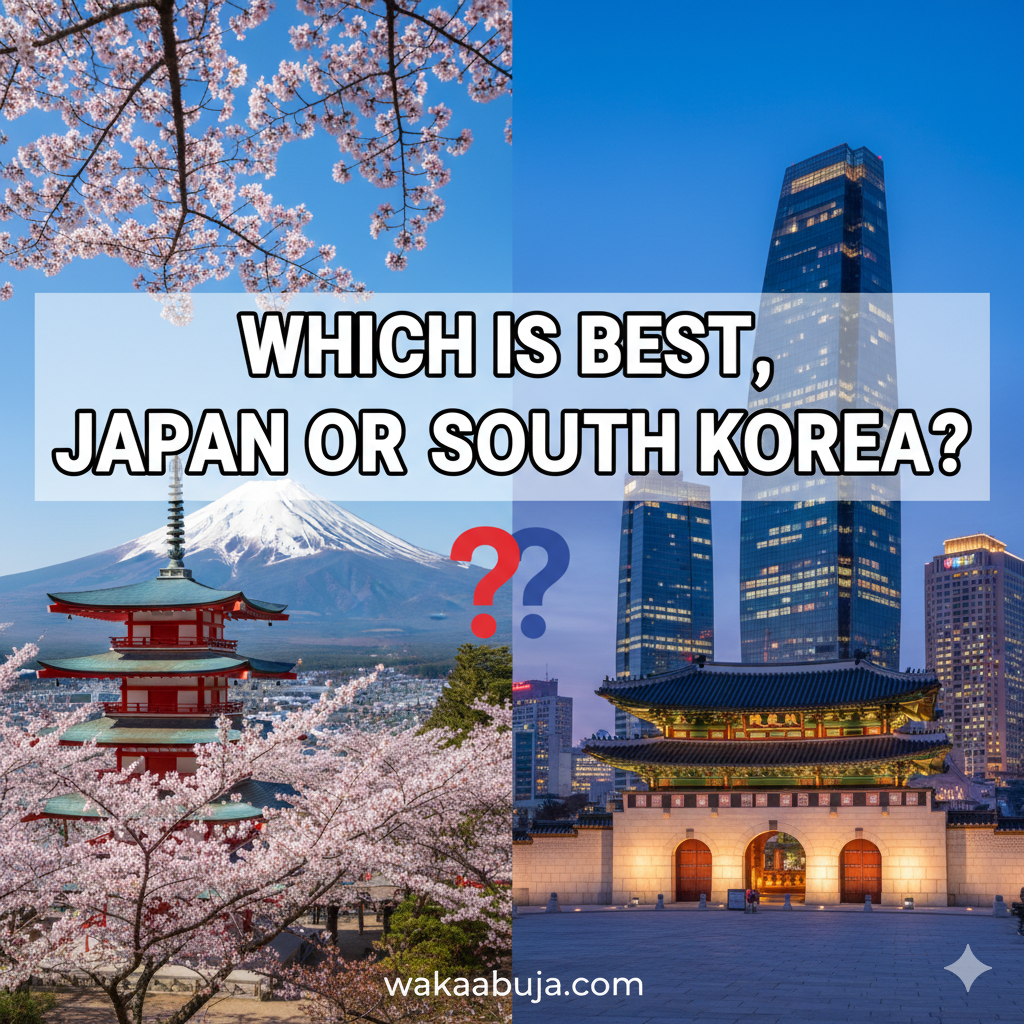
This comprehensive guide covers everything you need—from must-see sights, safety tips, costs, and transport to insider advice and emergency contacts—to help you make an informed choice for your next adventure.
Japan vs South Korea: Direct Comparison for Travelers
Having explored both countries extensively, I can say their appeal lies in contrasting charms. Japan immerses you in a tranquil cultural tapestry, while South Korea dazzles with modern energy.
Here’s a fundamental breakdown based on my travels:
Cultural Experience
Japan: Ancient temples, tea ceremonies, and refined arts define the ambiance. Cities like Kyoto offer centuries-old shrines alongside peaceful gardens.
South Korea: A fusion of rapid modernization and history, seen in places like Seoul’s palaces juxtaposed with trendy districts and K-pop culture.
Cuisine and Dining
Japan: Sushi, ramen, kaiseki meals—delicately balanced flavors and artful plating. Dining is often a serene, precise ritual.
South Korea: Bold flavors with bibimbap, Korean BBQ, and street food. Meals are interactive, communal, and lively, with side dishes galore.
Nature and Scenery
Japan: Iconic Mount Fuji, cherry blossoms, hot springs, and serene landscapes invite reflection and relaxation.
South Korea: Stunning mountain hikes, coastal cliffs, and vibrant national parks such as Seoraksan, complemented by urban parks in Seoul.
Accessibility and Transport
Japan: Renowned for punctual trains like Shinkansen, clean stations, and efficient public transit.
South Korea: Extensive subway networks, affordable taxis, and tech-savvy ride apps make getting around simple.
Budget and Typical Costs
Japan: Generally higher accommodation and dining costs, especially in Tokyo and Kyoto. Budget travelers can still find modest ryokans and street eats.
South Korea: Overall more affordable for mid-range travelers. Seoul offers many guesthouses and delicious street foods at low prices.
Must-Know Travel Tips to Maximize Your Visit
From my personal experience, these insider tips will save you time, money, and stress, ensuring you enjoy every moment.
How to Stay Safe
- Both countries are among the safest globally, but always stay alert in crowded areas and keep an eye on belongings.
- Emergency numbers: In Japan, dial 110 (police) or 119 (medical/fire). In South Korea, dial 112 (police) or 119 (fire/ambulance).
- Register your travel plans with your embassy and keep digital copies of important documents.
Where to Stay
- Japan: Traditional ryokans in Kyoto provide immersive cultural experiences; Tokyo offers a range from luxury hotels to budget hostels in Shinjuku.
- South Korea: Seoul’s Gangnam district offers high-end hotels; Hongdae and Myeongdong are great for budget stays and youthful energy.
- Book early during peak cherry blossom (March-April) or autumn foliage (October-November) seasons to secure better rates.
Typical Costs & Suggested Budgets
Budgeting based on my actual trips:
- Japan: Daily costs range from $80 (budget) to $250+ (luxury) USD depending on city and style.
- South Korea: Typically $50–$150 USD daily, with street food and guesthouses helping lower costs.
- Factor in transport passes: Japan Rail Pass and T-money cards in Korea offer substantial savings.
How to Get Around and Recommended Length of Stay
Efficient transport networks in both countries helped me explore widely with ease:
- Japan: Shinkansen trains make intercity travel seamless. Dedicated bus lines and taxis fill last-mile gaps.
- South Korea: Seoul’s subways cover all hotspots; intercity buses and KTX trains link major cities smoothly.
- Typical trip lengths: 7–10 days allow for a deep dive into key regions, but shorter visits can still cover highlights.
Top Tours and Must-Do Activities in Each Country
Japan Highlights
- Visit historic Hiroshima Peace Memorial and tranquil Miyajima Island
- Explore Tokyo’s eclectic neighborhoods—Shibuya for shopping, Akihabara for tech, Asakusa for temples
- Discover traditional tea ceremonies and onsen hot springs in Kanazawa or Hakone
- Attend seasonal festivals such as Gion Matsuri in Kyoto or Sapporo Snow Festival
South Korea Highlights
- Explore the vibrant street markets of Namdaemun and Dongdaemun in Seoul
- Hike Seoraksan National Park for breathtaking mountain views and ancient temples
- Visit the DMZ for a poignant historical tour
- Experience Korean spa culture in a jjimjilbang like Siloam Sauna
When to Visit and How to Get There
The best travel months for both Japan and South Korea are spring (late March to early May) and autumn (September to November) due to comfortable weather and stunning natural beauty.
Getting There:
- Direct flights to Tokyo (Narita or Haneda) and Osaka (Kansai) connect from many global hubs.
- Seoul’s Incheon International Airport connects seamlessly worldwide, with efficient transport into the city center.
Real Maps for Orientation
Here are embedded interactive maps for planning your route in both capitals:
Tokyo Map
Seoul Map
Emergency Contacts, Pros, and Cons for Each Destination
Japan Emergency Contacts
- Police: 110
- Fire and Ambulance: 119
- Tourist Hotline: +81 50-3816-2787 (Available in English)
Pros
- Rich cultural heritage and serene natural beauty
- Exceptionally clean and safe environment
- Efficient and widespread public transport
Cons
- Higher costs, especially in accommodation and dining
- Language barriers outside major urban centers
- Can feel formal and less spontaneous for some travelers
South Korea Emergency Contacts
- Police: 112
- Fire and Ambulance: 119
- Tourist Police Hotline: +82 2 1330
Pros
- Vibrant nightlife and modern urban culture
- Affordable travel with great street food options
- Highly connected via smart technology and transport
Cons
- Busy urban settings may overwhelm some visitors
- Air quality concerns at certain times of year
- Fewer tranquil rural destinations compared to Japan
Frequently Asked Questions
Which country is easier for first-time visitors, Japan or South Korea?
South Korea tends to be more accessible for first-timers due to the widespread use of English in signage and apps, plus more budget-friendly options. Japan’s etiquette and language nuances can be challenging but rewarding with some preparation.
What are the best seasons to visit?
Spring (March to May) and autumn (September to November) offer pleasant weather and iconic natural beauty like cherry blossoms in Japan and autumn foliage in both countries.
Can I visit both countries in one trip?
Yes, it’s quite feasible with short flights and easy visa policies. Plan around 14–21 days to explore highlights in both, balancing bustling urban centers with cultural sites.
Is tipping common in Japan and South Korea?
Tipping is not customary in either country and can even cause confusion. Exceptional service is included in the price, so just expressing thanks verbally is appreciated.
How do I stay connected online during travel?
Both countries offer convenient pocket WiFi and local SIM cards at airports. South Korea’s extensive free WiFi across cities is a plus, while Japan’s connectivity may require renting devices for rural areas.
Final Insight from My Travels
Choosing between Japan and South Korea ultimately depends on your travel style. For a serene, history-steeped journey, Japan is unparalleled. For a spirited, contemporary adventure brimming with energy and food culture, South Korea is unbeatable. Whatever you choose, both nations welcome travelers with unforgettable experiences and warm hospitality.