
advertisement
Whether it’s your first time or a return visit, you’ll find actionable advice, personal highlights, and up-to-date info to confidently explore China like a local.
Travel Guide Overview: Why China Deserves a Spot on Your Bucket List
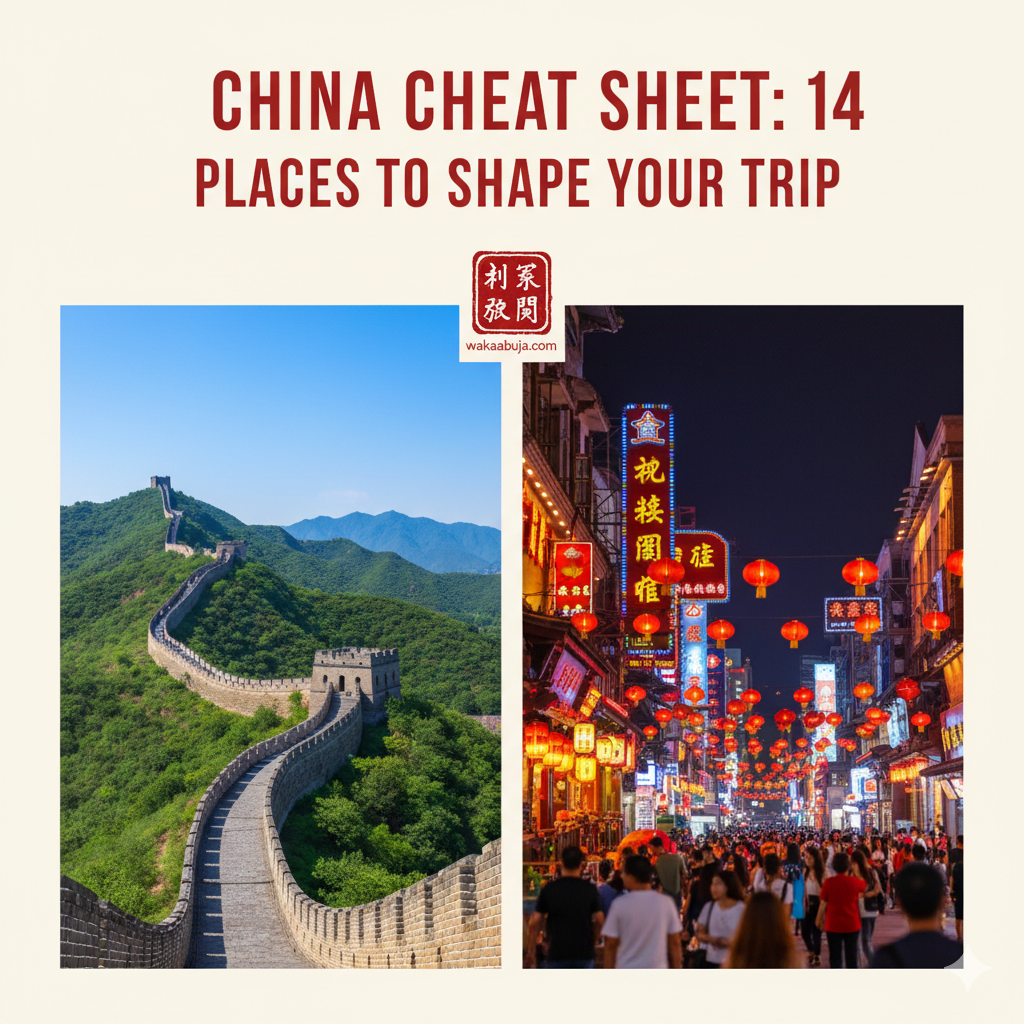
China is a vast land blending ancient traditions with dynamic modernity. From the Great Wall’s majestic stretches to the vibrant cityscapes of Shanghai, every turn offers a mix of history, cuisine, and culture.
Based on my travels, China’s diversity makes it both exciting and, admittedly, a challenge to navigate without a solid plan. This comprehensive cheat sheet distills years of experience to help you maximize your visit with confidence.
14 Must-Visit Destinations to Shape Your China Trip
Beijing – History Meets Urban Dynamism
Beijing’s allure lies in its imperial treasures: the Forbidden City, Tiananmen Square, and the nearby Great Wall sections like Mutianyu. My tip? Visit early morning to avoid crowds and experience the Wall’s breathtaking serenity. The Hutongs (traditional alleys) offer authentic local life glimpses.
Must-do: Explore the Summer Palace by bike, and don’t miss Peking duck at Quanjude.
Shanghai – Futuristic Skyline & Cultural Blend
Shanghai dazzles with its skyline views from the Bund and Pudong Tower but also boasts hidden gems like the French Concession neighborhood with quaint cafes and tree-lined streets. Stay in a boutique hotel here to soak in the hip atmosphere.
Local insight: Evening river cruises offer spectacular lighting displays — book in advance to get the best seats.
Xi’an – The Ancient Capital and Terracotta Army
Xi’an is synonymous with the Terracotta Warriors, but the city itself is a cultural treasure trove with its historic City Wall and vibrant Muslim Quarter. Try the hand-pulled noodles at a local street market for an unforgettable meal.
Pro tip: Rent a bike on the City Wall for a unique perspective and minimal crowds.
Guilin & Yangshuo – Iconic Landscapes Straight Out of a Painting
The karst mountains and serene rivers are the highlights here. I recommend a Li River cruise to fully appreciate the misty peaks and local fishing traditions. Yangshuo is ideal for cycling and immersive rural experiences.
Insider tip: Stay overnight in a countryside homestay to enjoy peaceful river views at dawn.
Chengdu – Giant Pandas and Spicy Sichuan Cuisine
Chengdu is the gateway to seeing giant pandas in a natural environment. Visit the Chengdu Research Base in the early morning for the best sightings. Beyond wildlife, indulge in Sichuan hotpot and explore teahouse culture.
Practical advice: Book your panda visit tickets in advance and try Sichuan local snacks in nearby Jinli Ancient Street.
Lijiang & Shangri-La – Tibetan Culture and Stunning Nature
In Lijiang, the UNESCO World Heritage Old Town enchants with cobblestone streets and canals. Shangri-La offers Tibetan monasteries and Himalayan vistas. Visiting both gives contrasting yet complementary cultural immersion.
Travel tip: Acclimate in Lijiang before heading to higher altitudes in Shangri-La.
Hangzhou – Serenity Around West Lake
Famous for its tranquil West Lake, Hangzhou is perfect for a calm day trip from Shanghai. I personally loved renting a pedal boat and visiting tea plantations nearby.
Must-try: Dragon Well (Longjing) tea isn’t just iconic; it’s a taste of local heritage.
Hong Kong – East Meets West in a Bustling Metropolis
Hong Kong is a vibrant blend of skyscrapers and traditional temples. From the Peak Tram views to the night markets, it offers energetic urban adventures. For panoramic cityscapes, Victoria Peak is unbeatable.
Insider note: Download the MTR app for hassle-free public transportation.
Suzhou – Gardens and Canals That Whisper History
Suzhou’s classical gardens are unmatched in elegance. Wander through Humble Administrator’s Garden or Lion Grove Garden and cruise the canals for a poetic view of ancient China.
Best visited: Spring for blooming blossoms, but autumn’s colors are equally stunning.
Harbin – The Ice and Snow Wonderland
For a chilly adventure, Harbin’s Ice Festival is a spectacle of massive ice sculptures lit in brilliant colors. Visit during winter months for an unforgettable frozen landscape.
Pro tip: Dress in layers! Temperatures here can dive below -20°C easily.
Zhangjiajie – Avatar Mountains and Natural Wonders
The soaring sandstone pillars inspired Hollywood’s Avatar movie visuals. Hiking and cable cars reveal jaw-dropping scenery unique to this part of Hunan province.
Visit timing: Early spring or late fall to avoid summer crowds and enjoy cooler weather.
Tibet – Spirituality Amid Himalayan Majesty
Tibet beckons those seeking deep spirituality and stunning mountain terrain. Lhasa’s Potala Palace and Jokhang Temple are cultural high points. Permit requirements make prior planning essential.
Essential advice: Acclimatize gradually and respect local customs to fully appreciate Tibetan hospitality.
Qingdao – Coastal Charm with German Heritage
This seaside city blends beaches with colonial architecture and famous Tsingtao beer. A less crowded alternative to bigger metropolises with a relaxed vibe.
Local experience: Try fresh seafood at the waterfront markets during sunset.
Kunming – Gateway to Southwest China’s Diversity
Known as the City of Eternal Spring, Kunming offers mild weather year-round and easy access to ethnic minority villages and the Stone Forest, a fascinating natural limestone formation.
Travel tip: Sample local Dai cuisine – a delicious blend of spices and fresh ingredients.
Must-Know Tips for an Enjoyable and Safe Journey in China
Money & Budgeting Essentials
China’s costs vary widely from city to city but overall remain affordable. Expect to pay around $10–$30 for a decent meal, $20–$50 per night in mid-range hotels, and around $0.50–$1.50 for public transport rides.
Pro Tip: Use Alipay or WeChat Pay for seamless local payments — setting these up early will save you many headaches. Always carry some cash for smaller vendors.
Getting Around: Transport Insights
China’s train network is world-class, with high-speed trains connecting major cities efficiently. Local subways are extensive in cities like Beijing and Shanghai, making city travel affordable and fast.
Insider Tip: Buy train tickets early, especially for high-speed routes and holiday periods, via official platforms such as China Railway’s website.
Safety and Health
China is generally safe for travelers, but petty theft can happen in tourist areas. Stay vigilant, especially in crowded spots. Tap water is not safe to drink; bottled water is readily available everywhere.
Emergency contacts: Dial 110 for police, 120 for ambulance, and 119 for fire. Learn basic Mandarin emergency phrases—it helped me smoothly navigate small challenges.
Best Time to Travel
Spring (April–June) and autumn (September–October) offer comfortable weather, fewer tourists, and vivid landscapes. Winter in northern regions is cold but great for festivals like Harbin’s Ice Festival.
Summer can be hot and humid, especially in southern cities.
Where to Stay: Accommodation and Neighborhood Recommendations
Beijing
Stay near Wangfujing for convenience and local shopping, or in the Sanlitun district for nightlife and expat vibes. Boutique inns in the Hutongs offer a cozy, authentic experience.
Shanghai
The Bund offers stunning river views but can be pricey. The French Concession is perfect for charming streets and boutique cafes. For budget travelers, Pudong has affordable hotels with excellent metro access.
Other Cities
Look for centrally located guesthouses or well-reviewed hostels for personalized service and easy access to attractions. Apps like Trip.com and Airbnb provide reliable booking options with verified reviews.
Recommended Tours and Excursions to Make the Most of Your Visit
Organized tours can enhance your understanding and convenience, especially in complex regions like Tibet or off-the-beaten-path natural sites. Here are some tried-and-tested options:
Great Wall Private Tours (Beijing)
Customizable day trips that let you avoid crowds and explore remote sections.
Yangtze River Cruise
An immersive experience into China’s river culture, connecting Chongqing and Yichang.
Tibet Cultural and Spiritual Tours
Licensed tour operators handle permits and guide you through sacred sites.
Suggested Length of Stay for a Well-Paced China Trip
Depending on your pace and interests, a two-week itinerary can cover the highlights comfortably but consider extending to three or four weeks to explore more remote areas and absorb the local culture fully. I recommend balancing big cities with natural escapes for a well-rounded trip experience.
Personal Insights and Pro Tips From My Travels
— Your trusted travel guide
How to Stay Safe and Prepared
Health Precautions
Take standard vaccines before travel and avoid tap water. Carry a small first aid kit and any personal medications.
Navigating Language Barriers
Download offline dictionaries, use translation apps, and learn key Mandarin phrases. Most tourist hubs have English signage.
Emergency Resources
Police: 110 | Ambulance: 120 | Fire Service: 119
Also, register with your embassy on arrival for extra security.
How to Get There and Around
China’s main international gateways are Beijing Capital International Airport (PEK), Shanghai Pudong (PVG), and Guangzhou Baiyun (CAN). Flights connect these hubs globally. After arrival, the domestic airline network and trains make intercity travel straightforward.
Frequently Asked Questions About Traveling in China
What is the best time of year to visit China?
Spring (April-June) and autumn (September-October) offer mild weather and fewer tourists, making them ideal for most regions.
Do I need a visa to travel to China?
Most travelers require a visa before arrival. Check with the Chinese embassy for your specific country’s requirements. E-visas are available for some nationalities.
Is it safe to eat street food in China?
Yes, but choose vendors with high turnover and clean prep areas. I found the Muslim Quarter in Xi’an to be trustworthy with some of the best street eats.
What transport options are best for getting around cities?
Urban metros and buses are efficient and affordable. Taxis and ride-hailing apps are also widely available but clarify prices before starting your trip if unsure.
How can I stay connected to the internet in China?
Purchase a local SIM card or rent a pocket Wi-Fi device. Note that many Western apps are blocked; use VPNs if necessary and legal.
Final Travel Tip
Embrace China’s rich culture with an open mind and patience. Every challenge – be it language or navigation – is made smoother with preparation and a local guide. This guide is your starting point, but genuine discovery happens when you explore beyond the usual.