advertisement
Includes pro tips, emergency info, and real traveler insights to make your trip unforgettable and hassle-free.
Why Visit South Korea? A Quick Overview of the Experience
South Korea offers an intoxicating blend of ultra-modern cities, rich history, vibrant culture, and exquisite cuisine. From the bustling streets of Seoul to serene temples and breathtaking natural landscapes, this country is a dynamic paradise for travelers seeking authenticity paired with convenience.
Personally, what struck me most was South Korea’s seamless harmony between old and new — walking from centuries-old palaces to neon-lit streets felt like traversing time itself. The friendliness of locals and the abundance of tech-savvy conveniences made every step smooth and welcoming.
Essential Things to See and Do in South Korea
Seoul’s Highlights
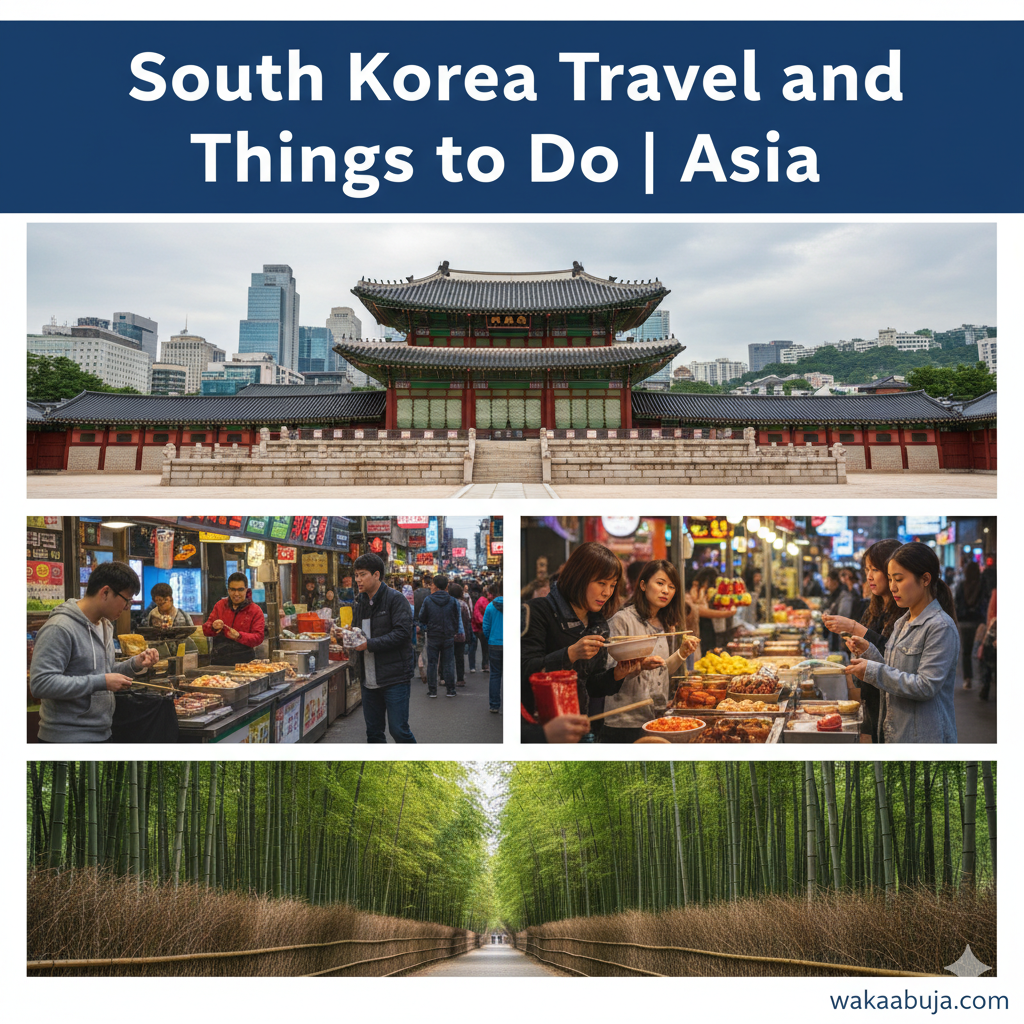
- Gyeongbokgung Palace: Witness traditional Korean architecture and the vibrant changing of the royal guard ceremony.
- Insadong: Explore antique shops, tea houses, and art galleries epitomizing Korea’s cultural pulse.
- Myeongdong Shopping Street: Shop world-class Korean cosmetics and street food in this energetic hub.
- Namsan Tower: Take in panoramic city views, especially magical at night.
Cultural and Historic Sites
- Bulguksa Temple (Gyeongju): Experience Korea’s UNESCO World Heritage Buddhist temple complex.
- Jeonju Hanok Village: Walk amid hundreds of traditional Korean hanok houses and taste authentic bibimbap.
- DMZ Tour: Gain historic perspective visiting the Demilitarized Zone between North and South Korea.
Nature & Scenic Adventures
- Seoraksan National Park: Ideal for hiking, autumn foliage, and stunning mountain vistas.
- Jeju Island: South Korea’s volcanic paradise with beaches, waterfalls, and lava tubes.
- Boseong Green Tea Fields: Walk among vividly green terraces and sip one of Korea’s best teas.
Where to Stay: Neighborhoods and Accommodation Options to Consider
Choosing your base depends on what you want to experience. Seoul’s districts offer a range:
Gangnam – Modern & Upscale
High-end hotels, trendy cafes, and exceptional nightlife. Best for luxury seekers and trendspotters.
Hongdae – Youthful & Creative
Vibrant street art, indie music scenes, budget hostels, and quirky shops. Perfect for energetic cultural immersion.
Insadong & Jongno – Historic & Cultural
Traditional guesthouses near palaces, museums, and cultural landmarks. Ideal for a more authentic, calm stay.
Typical Costs and How to Budget Smartly for Your Trip
South Korea, while affordable compared to many Western countries, can range from budget to luxury travel:
Accommodation
Hostels start around $15-25 per night; mid-range hotels typically $50-120; luxury hotels upwards of $150 per night.
Food
Street food snacks cost $1-4; casual restaurants $7-15; fine dining $30+ per meal.
Transportation
Subway and buses are around $1-2 per ride; taxis roughly $4 startup fare plus distance; intercity KTX trains vary by route.
Suggested Daily Budget
Budget travelers: $40-60 | Mid-range: $90-150 | Luxury: $200+
Pro tip: Purchase a T-money transit card at convenience stores for easy travel discounts and quicker payment. Also, many local apps offer deals on restaurants and experiences.
How to Get Around South Korea Efficiently: Transport Options Explained
With one of the most advanced transport systems worldwide, South Korea makes exploration smooth:
- Subways & Buses: Dense networks in cities like Seoul and Busan; stations marked in English and Korean.
- KTX High-speed Trains: Connect major cities quickly, e.g., Seoul to Busan in under 3 hours.
- Taxis: Affordable but less favored due to extensive public transport; apps like KakaoTaxi simplify rides.
- Bicycles & Scooters: Available for rent in major cities, useful for short urban trips — apps provide easy access.
From experience, booking KTX tickets online ahead can save money and secure preferred times. Also, the subway is the easiest way to get around Seoul for new visitors.
When to Visit South Korea: Seasonal Guide and Weather Considerations
South Korea’s seasons vary distinctly, so timing depends on your interests:
- Spring (April–June): Cherry blossoms bloom, mild weather, ideal for sightseeing.
- Summer (July–August): Hot and humid with monsoon rains; less crowded but less comfortable.
- Autumn (September–November): Crisp air, colorful foliage, many festivals — a personal favorite season.
- Winter (December–February): Cold with snow in northern regions; perfect for winter sports enthusiasts.
If like me you love vibrant landscapes, autumn is unbeatable for natural colors and cooler temperatures without rain.
How to Enter South Korea: Visa and Flight Information
Many nationalities enjoy visa-free entry for short tourist visits; always check your country’s specific rules before booking. Flights arrive mainly at Incheon International Airport (ICN), the main gateway near Seoul with excellent connections worldwide.
From my travels, booking flights 3-4 months in advance secures better rates, especially from Europe or North America. Low-cost carriers also operate regional routes inside Asia.
Tours and Experiences You Shouldn’t Miss
Joining guided tours can unlock deeper cultural understanding and convenience. Recommended:
- DMZ Day Tour: Book with reputable operators such as DMZ Tours Korea for safety and insight.
- Food Walking Tours in Seoul: Explore hidden eateries in Hongdae or Insadong with a local guide.
- Jeju Island Adventure Tours: Discover volcanic landscapes with expert guides.
- Temple Stay Programs: Experience monastic meditation and Korean buddhist culture firsthand.
My top recommendation: a night market food tour in Seoul — delicious, fun, and a perfect intro to Korean street food culture.
Safety Tips and Emergency Contacts in South Korea
South Korea is one of Asia’s safest countries, but awareness is key:
- Emergency Number: 112 for police, 119 for fire and medical emergencies.
- Register with your embassy if possible and carry a copy of your passport.
- Respect local customs and laws — penalties for drug offenses are severe.
- Keep your belongings secure in busy places; scams are rare but stay vigilant.
Having experienced South Korea’s overwhelming hospitality and safety firsthand, I felt comfortable exploring late in the evening even as a solo traveler.
Pros and Cons of Traveling in South Korea: Honest Local and Traveler Insights
Pros
- Efficient, clean, and comprehensive public transport.
- Delicious and diverse food experiences from street vendors to Michelin-starred restaurants.
- Safe environment, even for solo travelers and women.
- Rich cultural heritage with modern comforts.
- Highly connected with free Wi-Fi widely available.
Cons
- Language barrier outside major cities and tourist hubs.
- Monsoon rains in summer can disrupt plans.
- Cash still preferred in some local markets despite card ubiquity.
- Tourist crowds at popular sites during peak seasons.
Frequently Asked Questions About Traveling to South Korea
Do I need a visa to visit South Korea?
Visa requirements vary by nationality, but many countries enjoy visa-free entry for short visits up to 90 days. Check the Korean Immigration Service official website before planning.
What is the best time of year to visit South Korea?
Spring and autumn are the best seasons due to pleasant weather and natural beauty. Autumn specifically offers vibrant foliage, while spring showcases cherry blossoms.
How safe is it for solo travelers?
South Korea is very safe, including for solo travelers and women. Usual travel precautions apply, but violent crime is rare and local people are generally helpful and respectful.
What local apps should I download?
Download KakaoMap for navigation, KakaoTaxi for taxis, and Naver Map for offline maps. Many locals use KakaoTalk for messaging.
Final Travel Tip
Engage with locals by learning a few basic Korean phrases — it enriches your experience and opens doors beyond guidebooks. Carry a portable Wi-Fi device or SIM for on-the-go access, helping you navigate and connect seamlessly.