
advertisement
Whether you’re craving ancient ruins, vibrant cities, stunning beaches, or authentic cultural experiences, Mexico offers an unforgettable getaway for every traveler.
Why Visit Mexico? A Personal Perspective
Having traveled extensively through Mexico, I can say it’s a place where history, culture, and natural beauty collide in magical ways. From wandering colorful colonial streets in Oaxaca to snorkeling vibrant reefs in the Riviera Maya, every moment holds discovery.
The warmth of the locals, the thrill of ancient ruins, and the irresistible aromas of street food create a sensory experience you won’t forget. This guide distills my firsthand experiences and trusted advice to help you enjoy Mexico safely, affordably, and memorably.
When to Go: Timing Your Trip for Maximum Enjoyment
The best time to explore Mexico depends on your preferences. For pleasant weather and fewer crowds, consider visiting during the shoulder seasons (March to May and September to November).
These months offer warm days, mild humidity, and vibrant local festivals. Peak season (December to February) features cooler temperatures perfect for beach escapes but also draws more tourists and higher prices. Avoid the rainy season (June to August) if you want clear skies, though some find the lush landscapes during this time appealing.
How to Get There: Access and Entry Tips
Major international airports such as Mexico City International Airport (MEX), Cancun International Airport (CUN), and Guadalajara Airport (GDL) connect Mexico with most global hubs. Flights from the US, Canada, and Europe are abundant and competitively priced when booked in advance.
Remember to check visa requirements based on your nationality, keep your passport handy, and prepare for basic customs procedures. For seamless entry, complete the Mexico Tourist Card either online or during your flight.
How to Get Around: Navigating Mexico Efficiently
Public transport in Mexico is extensive and cost-effective. For city travel, metros and buses are widely used in Mexico City and Guadalajara. For intercity journeys, the luxury bus network is comfortable, reliable, and affordable—ideal for viewing Mexico’s diverse landscapes.
Domestic flights connect distant regions quickly but at higher costs. Renting a car offers freedom but requires cautious driving and awareness of local traffic rules. Ride-sharing apps and taxis are convenient but agree on fares upfront outside major cities.
Where to Stay: Accommodation Options for Every Traveler
Budget
Hostels and budget hotels in popular areas typically range from 250 to 700 MXN per night. Dorm beds or private rooms offer great opportunities to socialize and save.
Mid-range
Mid-level hotels or private Airbnb apartments run about 700 to 1,800 MXN per night, providing more comfort while maintaining affordability.
Luxury
For top-tier stays, boutique hotels, coastal resorts, and all-inclusive packages start around 2,000 MXN and can reach premium pricing during peak seasons.
Typical Costs and Money-Saving Tips
Daily expenses in Mexico can vary widely. On a tight budget, expect to spend around 600-900 MXN per day covering food, accommodation, and transport. Midrange travelers should plan for approximately 1,800-2,500 MXN daily to enjoy meals at local restaurants, activities, and occasional taxis.
To save, prioritize street food vendors for authentic, affordable meals, book accommodations and tickets in advance, and use public transit over taxis.
Must-See Attractions and Experiences in Mexico
Here are some highlights that I recommend from my travels, where history, nature, and culture shine:
- Oaxaca: Rich in indigenous culture, vibrant markets, and mezcal tasting—don’t miss the Monte Albán archaeological site.
- Mexico City: Explore Chapultepec Park, the Frida Kahlo Museum, and lively neighborhoods like Coyoacán.
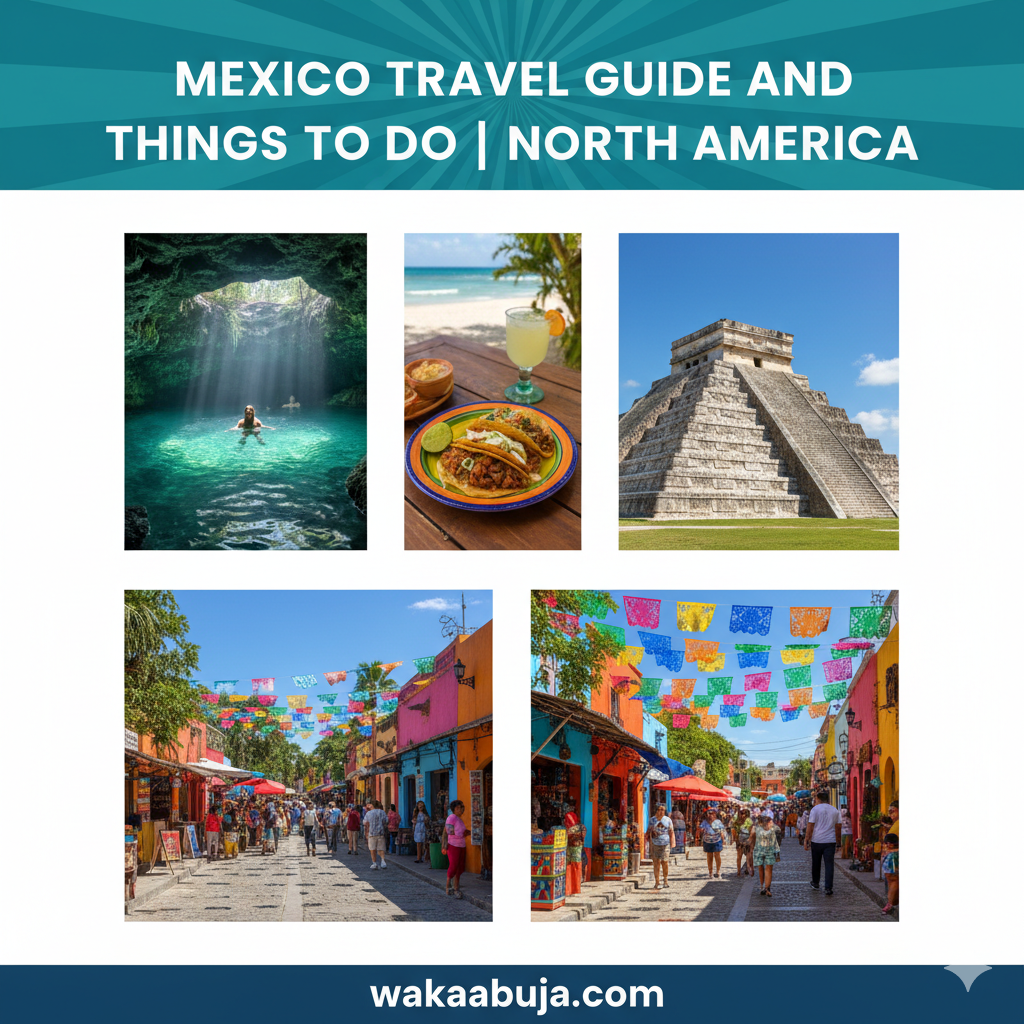
- Yucatán Peninsula: Swim in crystal-clear cenotes, visit Chichén Itzá, and relax on Riviera Maya beaches.
- San Miguel de Allende: A charming colonial town known for art galleries, cobblestone streets, and festivals.
- Xcaret Park: An eco-park offering snorkeling, cultural shows, and unique underground rivers to discover.
- Teotihuacán: Climb the Pyramid of the Sun and Moon for panoramic views of this ancient city.
Each destination offers unique experiences and vibrant local flavors that made my journey unforgettable.
Recommended Tours and Ideal Trip Duration
Joining guided tours is an excellent way to dive deeper into Mexico’s culture and history. Popular options include day trips to ruins like Chichén Itzá from Cancun, mezcal tours in Oaxaca, and food tours in Mexico City.
Generally, a minimum of 7 to 10 days allows a balanced itinerary to explore highlights while absorbing the local vibe without rushing.
How to Stay Safe While Traveling in Mexico
My top personal safety tips for Mexico include sticking to well-known tourist areas, avoiding flashy displays of wealth, and using reputable transport services.
Stay aware of your surroundings, especially at night, and always keep copies of important documents. Emergency contacts include 911 for police, fire, and medical assistance. Registering with your embassy is wise for any travel advisory updates.
Emergency Contacts in Mexico
General Emergency (Police, Fire, Medical): 911
Tourist Assistance: 01 800 008 18 87
Mexican Red Cross: +52 55 5533 4330
Pros and Cons: What to Expect
Pros
- Diverse culture and history with world-class sites
- Affordable travel and delicious cuisine
- Vibrant festivals and warm, welcoming people
- Beautiful beaches and natural landscapes
Cons
- Safety concerns in less traveled areas
- Language barriers outside tourist hubs
- Summer rains may disrupt plans
- Traffic congestion in major cities
Frequently Asked Questions
Is Mexico safe for tourists?
While some areas have safety concerns, most tourist destinations in Mexico are safe if standard travel precautions are followed. Stick to well-traveled spots, use reputable transportation, and stay aware of local advice.
What is the best currency to use in Mexico?
The Mexican Peso (MXN) is the official currency. It’s best to carry some local cash for small purchases, but credit and debit cards are widely accepted in cities.
Do I need to learn Spanish to travel in Mexico?
English is understood in popular tourist areas, but learning basic Spanish phrases improves your experience and helps in remote regions.
What should I pack for Mexico?
Comfortable clothing for warm days, sun protection, insect repellent, a reusable water bottle, and comfortable shoes for exploring archaeological sites are essentials.