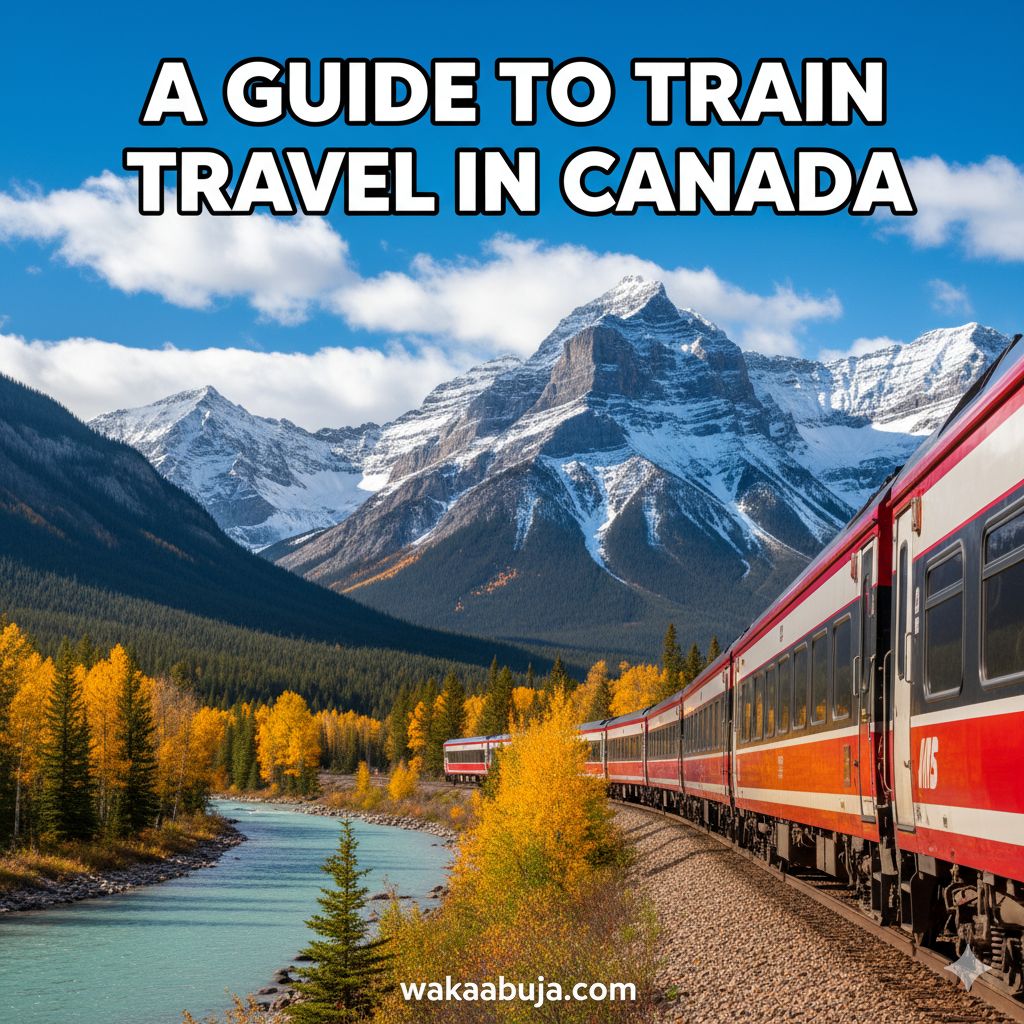
A guide to train travel in Canada
advertisement
Whether you’re a first-timer or a seasoned traveler, discover how to navigate Canada’s rail system easily and make the most of your journey with expert local advice.
What Makes Train Travel in Canada Unique?
Canada’s rail system is known for its breathtaking routes covering oceans, mountains, forests, and prairies. Unlike crowded airports, trains provide spacious seating and panoramic windows that turn the journey itself into a memorable part of your trip.
My own experience riding the VIA Rail’s Canadian route showed me how trains connect you deeply with Canada’s geography and culture.
Ratings and Reviews: The Best Canadian Train Services
VIA Rail dominates long-distance travel with a strong reputation for comfort and service, rated highly by travelers for routes like Toronto to Vancouver.
The Rocky Mountaineer, while pricier, is a luxury experience with stunning views through the Rockies. Local user reviews highlighted comfortable seating and friendly staff on VIA Rail, but flagged occasional delays, especially in winter months.
Must-Know Tips for Train Travel in Canada
Things to See and Do Along Canada’s Train Routes
Depending on your route, you’ll encounter iconic sites like the Rocky Mountains, Niagara Falls, and historic towns like Jasper and Banff. Stopovers give opportunities for hiking, sightseeing, and cultural experiences. I personally loved the overnight stop in Jasper—walking the quaint streets and catching sunrise over the peaks created unforgettable memories.
Staying Safe and Comfortable During Your Trip
Trains in Canada are generally safe, but staying vigilant with your belongings is wise. Emergency contacts like VIA Rail’s 24/7 customer service (+1 888-842-7245) are helpful for assistance. I recommend keeping valuables close and traveling with a basic first-aid kit. Masks and sanitizers remain encouraged in busy station areas.
Where to Stay: Recommendations Near Popular Train Stations
Larger cities like Toronto, Vancouver, and Montreal offer wide hotel options near their main train terminals. For smaller towns, charming inns and B&Bs provide local flavor and ease of access. For example, the Fairmont Jasper Park Lodge near Jasper station delivers a luxurious mountain experience if you want to extend your stay.
Typical Costs and Suggested Budgets for Train Travel in Canada
Money-Saving Tips for Budget-Minded Travelers
Purchasing tickets during off-peak seasons or weekday travel saves a significant amount. Look for early-booking discounts and rail passes that bundle routes affordably. I once bought a VIA Rail pass that gave me three trips for the price of two, and it drastically reduced my travel costs without sacrificing comfort.
How to Get Around Upon Arrival: Local Transport Options
Major cities have reliable public transit, including subways, buses, and bike rentals. For smaller towns, taxis and car rentals are most practical. VIA Rail stations often connect with local transit hubs, making transfers seamless. For example, from Vancouver’s Pacific Central Station, the SkyTrain quickly gets you into downtown.
Best Times of Year to Travel by Train in Canada
Summer (June to September) offers pleasant weather ideal for sightseeing but expect higher crowds and prices. Fall brings incredible foliage vistas along the route, while winter exposes you to snow-draped scenes that are magical if you’re prepared for colder temperatures. Spring is quieter but can be rainy and variable.
How to Get to Major Train Hubs in Canada
Canada’s main train stations, like Toronto Union Station or Montreal Central Station, are centrally located and highly accessible by car, bus, or air. Many travelers combine flights with train rides—for instance, flying into Vancouver and taking the scenic rail route eastward.
Recommended Tours and Experiences During Train Stops
From onboard excursions to guided walking tours in cities, there’s an array of activities. Jasper National Park tours near the station bring you closer to wildlife and natural hot springs. In Toronto, explore the Distillery District or hop on a ferry to Toronto Islands.
Suggested Length of Stay and Itinerary Tips
For long-distance travelers, I suggest allowing 1–3 nights at key stopovers to savor local culture and decompress. A typical Canadian rail trip might span 7 to 14 days from east to west or vice versa, depending on your interests and time availability.
Personal Insights and Emergency Contacts
My personal advice: bring a good book, engage with fellow travelers, and don’t rush the experience—it’s part of Canada’s warm hospitality. For emergencies, VIA Rail’s customer service is reachable at +1 888-842-7245, and the local emergency number across Canada is 911.
Pros and Cons of Train Travel in Canada
- Unmatched scenic views and relaxed pace
- Spacious, comfortable seating with amenities
- Eco-friendly compared to flying
- Opportunities for authentic local stopovers
- Longer travel times compared to flights
- Possible delays, especially in winter conditions
- Limited Wi-Fi and connectivity on some routes
- Expensive for luxury or sleeper services
Frequently Asked Questions About Train Travel in Canada
Is train travel in Canada expensive?
It can be pricey, especially for luxury and sleeper services, but economy fares and rail passes offer budget-friendly options. Booking early and traveling off-peak can save money.
What is the most scenic train route in Canada?
The VIA Rail Canadian route from Toronto to Vancouver and the Rocky Mountaineer routes through the Canadian Rockies are widely considered the most breathtaking.
How safe is traveling by train in Canada?
Train travel is generally very safe, with well-maintained trains and stations. Staying alert with valuables and having emergency contacts handy is recommended.
Can I bring my bike on Canadian trains?
VIA Rail allows bikes on certain routes with advance notice and fees. It’s best to check specific policies and reserve a spot for your bike.
When is the best time to book train tickets in Canada?
Booking 2 to 4 months in advance usually yields the best availability and prices, especially for popular routes and in peak seasons.
Final Tip for Travelers
Always approach your Canadian train journey with flexibility and curiosity—each route offers unique vistas and experiences. Embrace the slower pace to fully absorb the immense natural beauty and local cultures along the way. Remember, the journey is just as rewarding as the destination.