
advertisement
Enjoy practical tips on safety, accommodation, transport, the best times to visit, and budget guidance tailored to maximize your trip.
Why Visit Callao?
Callao is Peru’s principal seaport and boasts a compelling mix of historical importance and contemporary cultural vibrancy. I was personally amazed by the blend of colonial landmarks, vibrant street art, and maritime energy.
Whether you are a history buff, nature lover, or cultural seeker, Callao has something unique to offer. Its close proximity to Lima also makes it an easy day trip or an extended stay destination.
Top Things to See and Do
Explore Real Felipe Fortress
This 18th-century fortress stands as a testament to Callao’s military past. The fortifications, museums, and guides offer deep insights into Peru’s colonial history. Walking here, you feel the pulse of centuries past, making it a must-visit attraction.
Swim with Sea Lions at Palomino Islands
For a truly memorable encounter, book a boat tour to the Palomino Islands, where you can swim alongside playful sea lions in their natural habitat. This activity is exhilarating and perfect for nature and marine life enthusiasts.
Discover Urban Art and Cultural Neighborhoods
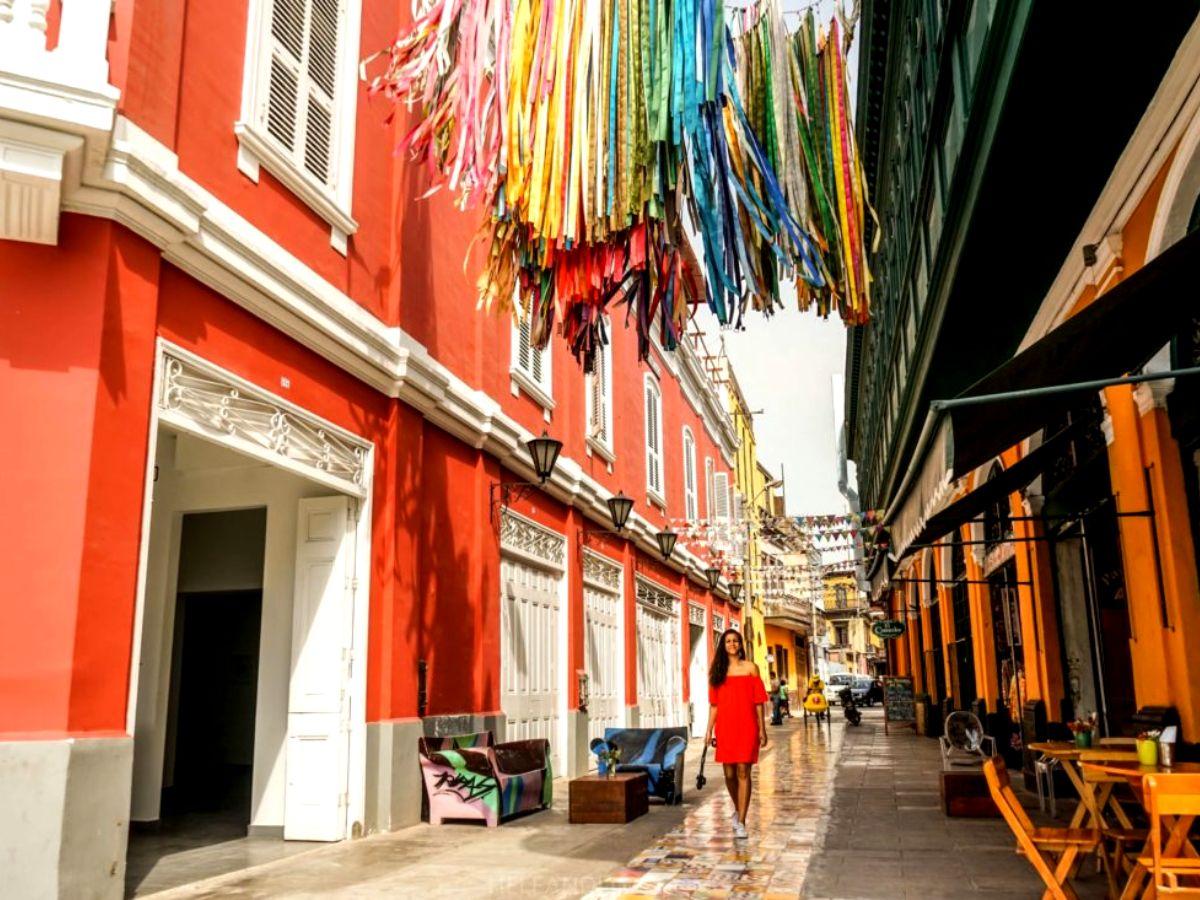
Wandering the neighborhoods like Plaza Matriz, you’ll experience colorful graffiti murals, local art galleries, and cultural events that showcase Callao’s artistic pulse. The lively street scenes also offer great shopping and food.
Enjoy Callao’s Beaches and Waterfront
Callao’s beaches offer a relaxing break from sightseeing. The waterfront areas are great for strolling, enjoying local seafood, and catching breathtaking sunsets.
How to Stay Safe in Callao
From my experience and local advice, Callao is generally safe when exploring popular tourist areas and sticking to suggested routes and group tours. Avoid wandering alone at night in less populated zones. Use registered taxis or ride-hailing apps for transportation. Keep valuables secure, and always stay alert in crowded areas. Emergency contact number for Police is 105, and for medical emergencies, dial 106.
Where to Stay
Callao offers a range of lodging options, from budget hostels near the port to comfortable hotels with sea views. I recommend staying close to the historic center or waterfront for easy access to major attractions. Popular accommodations include Hotel Costa del Sol Wyndham Callao and Casa Andina Select Callao.
Typical Costs & Suggested Budgets
Money-Saving Tips
- Use public transport and shared taxis to reduce travel costs.
- Eat at local markets and street food stalls for authentic cuisine at lower prices.
- Book tours directly with local operators to avoid agency fees.
- Visit museums and sites during free admission hours or discount days.
Getting Around Callao
Callao is compact, so walking is often the best way to explore neighborhoods and historic sites. For longer trips, use local combi buses, taxis, or rideshare apps like Beat and Uber. Traffic can be busy during peak times, so plan accordingly.
Best Time to Visit
The ideal time to visit Callao is during the dry season from May to September, when the weather is mild and sunny. The summer months (December to March) can be warm and humid with occasional rains, but the vibrant cultural calendar makes it worth visiting year-round if you enjoy local festivals and food events.
How to Get There
Callao is served by the Jorge Chávez International Airport, Peru’s main gateway. It is just a short drive from Lima city center. From the airport or Lima, you can take a taxi or shuttle to Callao. There are also public buses connecting Lima and Callao efficiently.
Tours to Consider
- Callao Historic City Walking Tour – Explore landmarks including Real Felipe Fortress and Plaza Independencia.
- Palomino Islands Sea Lion Boat Tour – Swim and snorkel with sea lions in their natural environment.
- Graffiti and Urban Art Tour—Discover Callao’s vibrant street art and artisan culture.
- Maritime Museum Visit and Boat Cruise—Learn about Callao’s port history and enjoy scenic views.
How Long to Stay
For a deep exploration, plan at least 2-3 days in Callao. This allows time to enjoy the historic sites, cultural experiences, island tours, and sample local cuisine without rushing.
Pros and Cons of Visiting Callao
Pros
- Rich historical sites, including Real Felipe Fortress.
- Unique marine wildlife experiences like swimming with sea lions.
- Vibrant street art and cultural events showcasing local talent.
- Proximity to Lima makes it an accessible getaway.
Cons
- Some areas require caution due to ongoing social challenges.
- Language barriers if you don’t speak Spanish may complicate navigation.
- Limited luxury accommodation options compared to Lima.
Personal Insights and Pro Tips
Visiting Callao, I found that engaging with local guides enhances the experience significantly—they know hidden gems and ensure safety. Carry a small Spanish phrasebook or app, as English is not widely spoken. Bring swimwear and sunscreen for marine tours. For food lovers, trying ceviche at local markets is a must. Always keep emergency contact numbers handy and share your itinerary with someone trusted.
Useful Links and Contacts
- Callao Travel Guide: Peru Explorer
- Official Peru Tourism Callao Info
- Email Callao Tourism: info@callaotourism.pe
- Local Emergency Phone Numbers: Police 105, Medical 106
Map & Directions
Frequently Asked Questions
Is Callao safe for tourists?
Callao is safe to visit if you stick to well-known tourist areas, travel during the day, use trusted transport options, and stay alert. Avoid isolated neighborhoods especially at night and follow local safety advice.
What is the best way to get around Callao?
Walking is ideal for nearby sites. For longer distances, use local combis, taxis, or ride apps like Beat and Uber. Planning ahead helps avoid traffic during peak hours.
When is the best time to visit Callao?
The dry season from May to September offers the best weather for sightseeing and outdoor activities, though cultural events throughout the year make any season worthwhile.
How long should I stay in Callao?
Allow at least 2 to 3 days to fully explore Callao’s historic sites, enjoy marine tours, and dive into its art and culinary scene without feeling rushed.