
advertisement
This ultimate travel guide covers when to visit, what to see, where to stay, local insights, safety tips, and budget strategies. Jump directly to full details.
Key Takeaways
- Hong Kong is best visited between October and early December for pleasant weather.
- Expect efficient public transport, vibrant street food, and exceptional skyline views.
- Carry an Octopus Card for convenience across trains, buses, and ferries.
- Book accommodation early for festival seasons like Lunar New Year.
- Safety is strong, but visitors should remain aware in crowded shopping districts.
Why Visit Hong Kong
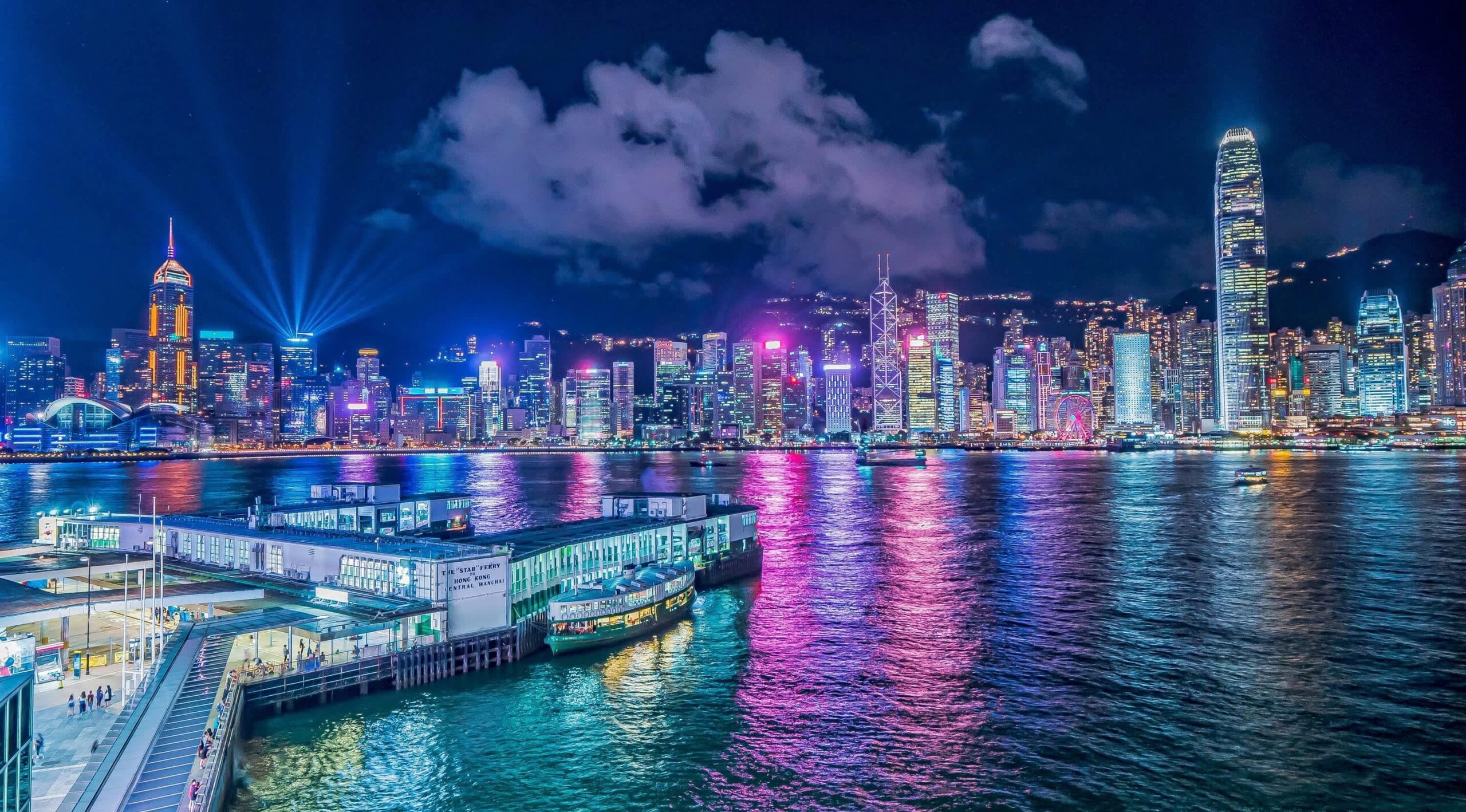
Hong Kong feels like nowhere else on Earth—a place where gleaming skyscrapers rise over mist-draped mountains and bustling streets meet serene temples.
As someone who’s visited multiple times, I find its rhythm intoxicating: morning hikes on Victoria Peak contrast beautifully with night walks through Temple Street Market or sipping milk tea in traditional cha chaan teng cafés.
Things to See and Do
There’s something for every kind of traveler in Hong Kong. Below are my favorite spots and local suggestions that go beyond the guidebook.
Victoria Peak
Take the iconic Peak Tram for sweeping views across the skyline and Victoria Harbour. It’s especially stunning at sunset when the city below turns into a sea of lights. There’s an observation deck, restaurants, and walking paths like the Peak Circle Walk offering panoramic photo opportunities.
Temple Street Night Market
Buzzing from dusk till midnight, this is where you’ll experience Hong Kong’s old soul—street psychics, fortune tellers, and sizzling food stalls. Bargain smartly but respectfully, and enjoy local snacks like curry fish balls or egg waffles.
Lantau Island & Tian Tan Buddha
A peaceful retreat from the urban rush, the Big Buddha on Lantau Island is a must-see. Ride the Ngong Ping 360 Cable Car for breathtaking mountain views. You’ll also find hiking routes and the charming Tai O fishing village nearby.
Where to Stay
I recommend staying based on your travel goals:
- Tsim Sha Tsui—Best for first-timers; close to harbor views, luxury shopping, and ferries.
- Central and Sheung Wan—Great for nightlife, dining, and fast MTR access.
- Mong Kok—Ideal for budget travelers and market enthusiasts.
- Repulse Bay – Peaceful retreats near beaches and boutique cafés.
Average Hotel Cost
Budget hostels: HK$200–400 per night | Mid-range hotels: HK$700–1,200 | Luxury stays: HK$2,000+ (Check Booking.com for real-time rates)
Money-Saving Tip
Consider staying in serviced apartments or guesthouses, which are often cheaper and include kitchenettes for basic cooking—great for longer stays.
Cost and Budget Breakdown
On average, a daily budget could range from HK$600 (budget traveler) to HK$2,000 (luxury). Meals range from HK$50–100 at local shops to HK$400+ in upscale restaurants. Public transportation is affordable, typically under HK$10 per MTR ride.
When to Visit
The most pleasant months are October through early December, with mild temperatures around 20–25°C and low humidity. Summer (June–August) can be hot and humid with occasional typhoons. Winter (January–February) is cool but festive with Chinese New Year celebrations.
How to Get Around
- Public Transit: The MTR network is efficient and covers most neighborhoods.
- Octopus Card: Get one at any MTR station; it’s usable on all transport and in many shops.
- Trams and Ferries: The Star Ferry is a classic ride across the harbor (around HK$3).
- Taxis: Affordable and metered, though slower during rush hours.
Staying Safe in Hong Kong
Hong Kong remains one of the safest cities for tourists. Petty theft is rare but can occur in crowded areas like Mong Kok or Causeway Bay. Keep valuables secure, and use hotel safes. For emergencies, dial 999 for both medical and police assistance.
Personal Insights and Local Tips
After several visits, I’ve learned to follow a few golden rules:
- Always carry a portable Wi-Fi device or eSIM for navigation and translation.
- Download the MTR Mobile App for train schedules and route planning.
- Sample local breakfast sets—you can’t miss the Hong Kong-style French toast and hot milk tea.
- Visit major attractions early morning or late evening to skip crowds.
Pros and Cons of Visiting Hong Kong
Pros
- Outstanding transportation and infrastructure
- Vibrant mix of cultures and cuisines
- Safe for solo travelers and families
- Year-round festivals and attractions
Cons
- Housing and hotels can be expensive
- Weather can be humid and unpredictable
- Language barriers outside tourist zones
- Crowds during holidays
Suggested Length of Stay
Three to five days is ideal for first-time visitors. You’ll comfortably explore the main sights, enjoy local food, and experience neighborhood contrasts—from bustling Tsim Sha Tsui to tranquil Lamma Island.
Emergency Contacts
- Police/Fire/Ambulance: 999
- Tourist Hotline: +852 2508 1234
- Hong Kong Tourism Board: Official Website
- Airport Authority: +852 2181 8888
Tours Worth Booking
Book official guided tours through GetYourGuide or local operators for in-depth experiences like night harbor cruises, food walks, or day trips to Macau.
Frequently Asked Questions (FAQ)
Is Hong Kong safe for solo travelers?
Yes, it’s very safe with a visible police presence and low crime rates. Just stay alert in crowded markets and tourist-heavy spots.
What is the best way to exchange money?
Use banks or authorized exchange counters. Avoid small stalls with inconsistent rates. ATMs are widely available and often provide fair rates.
Can I use credit cards everywhere?
Major cards are accepted in malls and restaurants, but carry cash for local street vendors and traditional markets.
Do I need a visa to enter Hong Kong?
Visitors from many countries, including the UK, US, and EU states, can enter visa-free for 7 to 90 days. Check the Immigration Department of Hong Kong for your specific country’s requirements.