

advertisement
- Define your dream destination and timeline early.
- Build a realistic budget covering all surprises.
- Book flights and stays via trusted sites like Booking.com or Expedia.
Key Takeaways for Perfect Vacation Planning
- Travelers who plan ahead take 75 percent more full-week vacations than non-planners, according to project management insights on vacation time usage.
- The average one-week U.S. vacation costs $1,800 to $2,500 per person, so budgeting upfront prevents overspending.
- 86.97 million people bought travel insurance in 2024, highlighting its role in protecting against uncertainties.
- 72 percent of travelers plan international trips in 2025, favoring flexible bookings amid rising trends like multigenerational adventures.
Tip 1: Dream Big but Research Destinations Thoroughly
I still remember scouting Bali after a friend raved about its beaches. Instead of jumping in blind, I spent evenings diving into forums and guides. What emerged was a nuanced picture: Ubud for cultural immersion, Seminyak for luxury vibes, and Nusa Penida for hidden cliffs. This depth turned a vague idea into a tailored adventure.
Start by listing three dream spots based on your vibe, whether adventure-packed hikes or serene escapes. Cross-reference recent trends; for the year, places like Tokyo see 21 percent tourism growth due to their blend of neon energy and tradition. Use tools like Google Flights to check affordability and TripAdvisor for authentic reviews.
Factor in shoulder seasons, like visiting Europe in late spring, to dodge crowds and slash costs by up to 30 percent. My rule: read 20 recent traveler stories per spot to spot patterns in safety, hidden gems, and pitfalls.
Pros of Thorough Research
- Uncovers offbeat spots locals love, like Bali’s secret waterfalls.
- Reveals real costs, avoiding budget shocks.
- Aligns trip with weather, festivals, or events for peak joy.
Tip 2: Craft a Bulletproof Budget with Hidden Costs
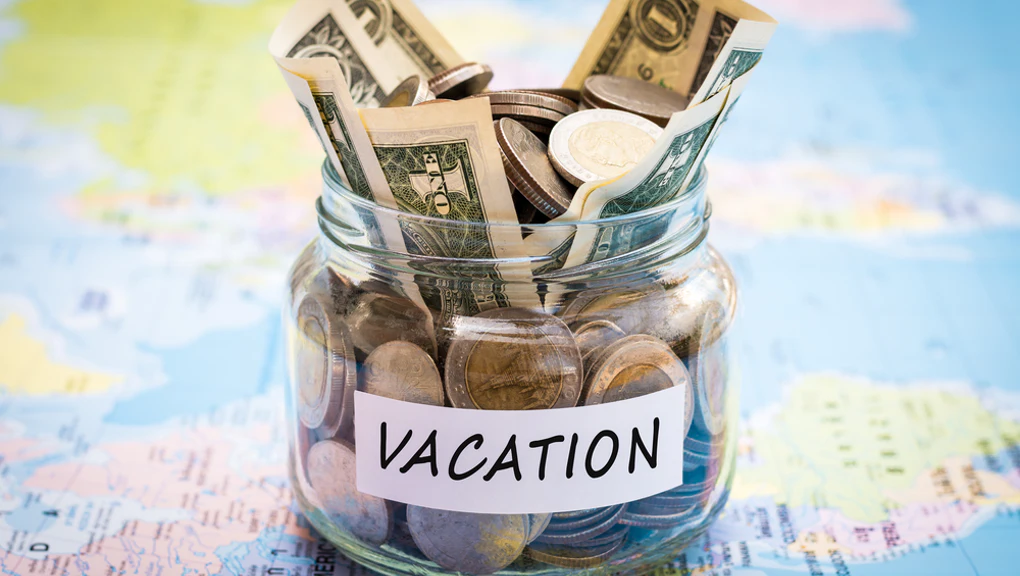
On my Italy road trip, I underestimated gelato temptations and parking fees, blowing past my limit. Now, I build budgets like fortresses. Begin with a total figure you’re comfortable with, say $2,500 for a week solo, then dissect: flights (30 percent), lodging (25 percent), food (20 percent), activities (15 percent), and a 10 percent buffer for surprises.
Track averages; a family of four might hit $7,936 for basics. Apps like Pilot help forecast with AI insights. Prioritize big-ticket items early via Agoda for Asia deals or Hotels.com rewards. Include tips, visas, and souvenirs. I once saved $400 by hunting multicity flight hacks on Kayak. Pro tip: set daily spending abroad, like $100 for meals and fun, to stay grounded.
Tip 3: Set Your Ideal Timeline and Trip Length
Rushing a 10-day whirlwind through Thailand left me exhausted. Lesson learned: match length to energy. Decide solo, couple, or family first, then timeline. Planners snag full weeks more often, boosting recharge by 75 percent, per studies.
Aim for 7-10 days minimum for recovery; multigenerational trips trend up at 47 percent. Check school holidays or work peaks. Book 3-6 months out for peak savings. My Greek island hop was perfected by syncing ferry schedules via apps, leaving buffer days for spontaneity like sunset tavernas.
Tip 4: Build a Flexible Master Itinerary

I draft itineraries on Wanderlog, plotting must-dos against nice-to-haves. For Paris, the core was Louvre mornings and Eiffel evenings, with free afternoons. Alternate high-energy days with chill ones to avoid burnout.
Include transport times; pre-book trains on GetYourGuide. Map clusters to minimize travel, like Tokyo’s Asakusa and then Akihabara. Share collaborative versions with travel buddies. Flexibility saved my rainy Rome day, swapping museums for cozy trattorias.
Itinerary Essentials
- Day-by-day with times and backups.
- Central base for day trips.
- Buffer for jet lag or weather.
Tip 5: Snag Flights and Lodging Smartly

Google Flights alerted me to a $200 dip on my Japan flight. Hunt midweek, and use incognito mode. Bundle on Expedia for 10-20 percent off packages.
Opt for mid-week and flexible cancellations amid uncertainties. For stays, mix Vrbo villas for groups with hotels. Book direct for perks; I scored free breakfasts twice.
Tip 6: Pack Light and Smart with Layers
Overpacking wrecked my carry-on once. Roll clothes into packing cubes, and layer for variables. Seven versatile outfits max, plus laundry stops. Apps track weather precisely.
My Vietnam pack: breathable linens, rain shell, sneakers. Test-pack a week early, weigh bags. This frees hands for street food adventures.
Tip 7: Secure Travel Insurance Without Skipping
Delayed flights cost me $300 pre-insurance. Now, I buy comprehensive coverage for 86 million, like the 2024 stats show. Check CFAR for any-reason cancels.
Compare via providers; protects health, baggage, and trips. Peace of mind amplifies joy.
Tip 8: Embrace Local Culture and Sustainability
In Morocco, joining a cooking class beats tourist traps. Research customs and sustainable operators. Offset flights; choose trains.
Support locals via markets; my eco-yoga retreat in Costa Rica deepened connections.
Tip 9: Prep Essentials and Local Navigation
Download offline Google Maps and currency apps. Notify the bank and get adapters. Back up passport photos digitally.
Local SIMs or eSIMs keep you connected affordably.
Tip 10: Stay Adaptable and Savor Spontaneity
A storm rerouted my Amalfi hike to a village feast, the best memory. Build in free time; say yes to detours.
Journal nightly; adaptability turns hiccups into stories.
Frequently Asked Questions on Vacation Planning
How far in advance should I plan a vacation?
3-6 months for international flights saves the most; 1-2 for domestic. Early birds lock deals.
What is the average cost of a vacation?
Around $1,800-$2,500 per person weekly, varying by destination and style.
Do I really need travel insurance?
Yes, with millions using it yearly for cancellations and emergencies.
How do I make a flexible itinerary?
Prioritize must-dos, add buffers, and use apps like Wanderlog for easy edits.
What apps help plan vacations best?
Pilot and Wanderlog for AI itineraries; Hopper for price predictions.