advertisement
Jump directly to key takeaways, the best time to go, or costs and savings.
Essential Key Takeaways for Your Japan Trip
- Get a reloadable IC card (Suica or Pasmo) at Narita or Haneda Airport for seamless trains and buses.
- Visit in spring (March-May) for sakura or fall (October-November) for vibrant foliage; avoid Golden Week crowds.
- Budget $100-200 USD per day, including mid-range stays, street food, and JR Pass for unlimited shinkansen rides.
- Respect etiquette: no eating while walking, quiet on trains, cash for small shops.
- 10-14 days are ideal to cover Tokyo, Kyoto, Osaka, and Hiroshima without rushing.
Planning your first Japan trip? Focus on Tokyo for urban buzz, Kyoto for history, and a shinkansen hop to Osaka; use IC cards for transport, stay in ryokans or Airbnbs via Agoda or Booking.com, and allocate 12-14 days with a $1,500-2,500 budget.
My First-Hand Experience as Your Local Guide
I’ve wandered Japan’s winding alleyways from Shibuya’s scramble crossing to Fushimi Inari’s endless torii gates, tasting ramen at midnight and soaking in hidden onsens.
“On my first trip, I nearly missed the last train home because I didn’t grasp the system; now I swear by Google Maps’ offline mode,” I recall. This guide distills years of trial, error, and joy into actionable steps for you.
Optimal Times to Visit Japan for Beginners
Spring (late March to early April) explodes with cherry blossoms, drawing 2 million visitors to parks like Ueno in Tokyo, but book trains six months ahead. Fall mirrors this magic with red maples in Kyoto’s Arashiyama, cooler at 15-20°C (59-68°F).
Summers hum with festivals like Gion Matsuri in Kyoto (July), though humidity hits 80%; winters offer snow monkeys in Nagano and fewer crowds, perfect for budget hunters. Avoid national holidays like Golden Week (late April-May) when prices spike 30% and lines snake for hours.
Pro Tip: Shoulder Seasons Win
Early December or late February means 20-40% cheaper hotels on Hotels.com and empty temples. I once had Kyoto’s Philosopher’s Path to myself in February—pure bliss.
How to Reach Japan Effortlessly
Fly into Tokyo’s Narita (NRT) or Haneda (HND) from major hubs; from Lagos, connect via Dubai or Doha for 18-22 hour journeys around $1,000 round-trip.
Haneda suits Tokyo stays with quicker city access via the Keikyu Line (30 minutes to Shinagawa). Use Kayak for deals, and apply for a tourist visa online if needed—eVisa processing takes 5 days. Upon landing, clear immigration in 20-30 minutes with the Visit Japan Web app pre-registered.
Mastering Japan’s World-Class Transport Network
Japan’s trains run like clockwork, with shinkansen bullet trains hitting 320 km/h between Tokyo and Kyoto in 2.5 hours. Buy a 7-day JR Pass ($350) for unlimited national rail if traveling extensively; activate at airports. For cities, load a Suica/Pasmo card ($10 initial, reload via 7-Eleven machines) for taps on subways, buses, and even vending machines.
“I walked 20,000 steps daily, but buses saved my feet during Tokyo’s rush hour,” I learned early on. Download the Hyperdia or Navitime apps for schedules; taxis start at ¥730 but balloon in traffic.
Tokyo Transport Map
From Shibuya Crossing, tap your IC card to hop on the Yamanote Line circling central Tokyo.
Unmissable Sights and Experiences in Japan
Tokyo: Neon Heartbeat
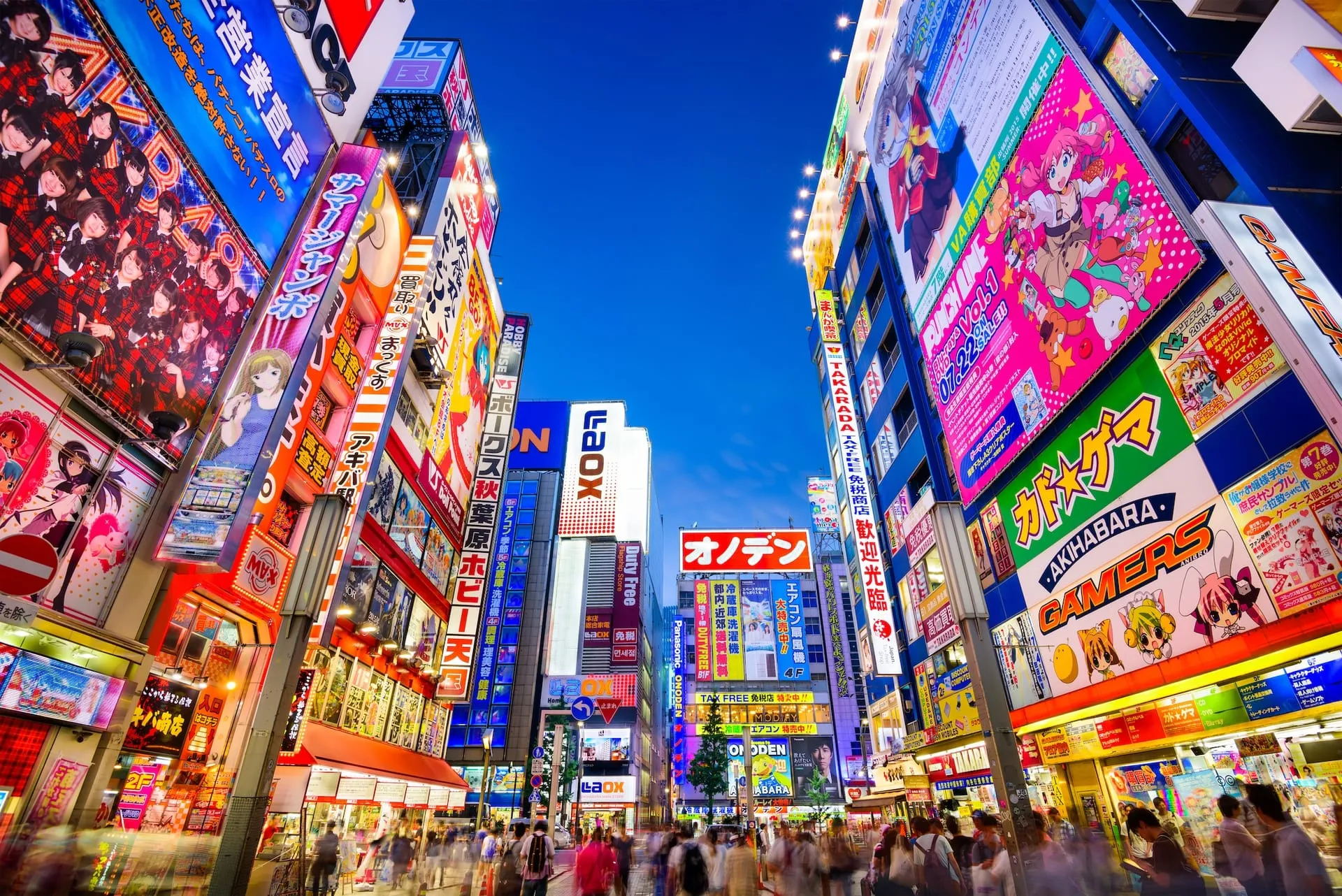
Cross Shibuya at the world’s busiest intersection, then ascend Tokyo Skytree for 450m panoramas (¥2,700). Dive into Akihabara’s anime shops or TeamLab Borderless digital art (book via GetYourGuide). Evening: Golden Gai’s 200 tiny bars.
Kyoto: Timeless Temples
Hike Fushimi Inari’s 10,000 vermilion gates at dawn to beat crowds. Kinkaku-ji’s golden pavilion reflects poetically; rent a kimono for Arashiyama Bamboo Grove photos. Night: Gion geisha district—spot one if patient.
Osaka: Foodie Paradise
Dotonbori neon hides takoyaki stalls; Osaka Castle blooms pink in sakura season. Day trip to Nara’s bowing deer park.
Beyond: Hiroshima Peace Park and Miyajima’s floating tor ii.
Prime Accommodations for Every Traveler
In Tokyo, base yourself in Shinjuku for nightlife (capsule hotels ¥4,000/night) or Asakusa for tradition (ryokans ¥15,000). Kyoto’s Gion offers machiya houses via Vrbo; Osaka’s Namba suits food lovers. Book 3-6 months ahead on Expedia. Pro insight: Ryokans with onsen baths transform stays—tatami mats and kaiseki dinners feel like stepping into history.
Budget Stay: Hostel
¥3,000-5,000/night. Clean pods, shared baths. Book: Booking.com
Mid-Range: Business Hotel
¥8,000-12,000/night. Compact, onsen access. Try APA Hotels.
Luxury: Ryokan
¥25,000+/night. Kaiseki meals are included. Reserve early.
Realistic Costs, Budgets, and Money-Saving Hacks
Daily spend: Budget ¥12,000 ($80), mid ¥20,000 ($135), luxury ¥40,000 ($270). Breakdown: lodging 40%, food 25%, transport 15%, sights 20%. The JR Pass saves 50% on long hauls.
Eat at konbini (7-Eleven onigiri ¥150) or lunch sets (¥1,000). “I halved my bill by skipping tourist traps for local izakayas,” I advise. Use 7/11 ATMs for fee-free cash; cards are accepted less outside cities.
10-Day Budget Example
- Flights: $1,000
- JR Pass: $350
- Lodging: $800
- Food/Activities: $700
- Total: $2,850
Money-Saving Strategies
- Shoulder season bookings on TripAdvisor.
- Free temples vs. ¥500 gardens.
- Combo tickets for Kyoto UNESCO sites.
Staying Safe and Healthy in Japan
Japan’s crime rate is the world’s lowest (0.3 homicides per 100k), but watch out for pickpockets in Shibuya. Earthquakes? Drop, cover, hold; apps like Yurekuru alert. Tap water is safe everywhere. COVID rules lifted, but masks on packed trains. Emergency: Dial 110 for police and 119 for ambulance. US Embassy Tokyo: jp.usembassy.gov, +81-3-3224-5000.
Personal Safety Insight
“Solo female here: Felt safer at 2am in Tokyo than in many capitals. Just blend by observing locals from my nights out.
Recommended Guided Tours and Day Trips
Book Mt. Fuji day trips via GetYourGuide (¥15,000, includes bus). Kyoto tea ceremony (¥3,000). Hakone onsen loop with ropeway. Nara deer feeding. Reviews rave: “Life-changing guide knew hidden spots” on TripAdvisor.
Recommended Length of Stay for First Visits
12-14 days hits Tokyo (4), Kyoto/Osaka (5), Hiroshima/Kyushu (3), buffer (2). Less feels rushed; more allows Hokkaido hikes. I did 10 days the first time—I wanted weeks more.
Pros and Cons of Visiting Japan
Pros
- Ultra-safe, efficient transport.
- Mind-blowing food variety.
- Blend of ancient and futuristic.
Cons
- Language barrier outside cities.
- Crowds at peak seasons.
- Cash-heavy economy.
Bonus Pro Tips and Emergency Contacts
- Carry pocket WiFi (¥1,000/day) or an eSIM.
- Learn basics: Arigatou (thanks), Sumimasen (excuse me).
- Japan Tourism: japan.travel, info@j.
Frequently Asked Questions About Japan Travel
Is Japan expensive for first-timers?
Moderately: $100-200/day covers essentials. Save with konbini meals and IC cards.
What’s the best itinerary for 10 days?
Tokyo (4 days), shinkansen to Kyoto (4), Osaka/Nara (2). Add Hakone side trip.
Do I need a visa for Japan?
Many nationalities get 90 days visa-free; check mofa.go.jp.
Is it safe to travel alone in Japan?
Yes, one of the safest countries globally. Women report high comfort levels.
When is cherry blossom season in Tokyo?
Late March to early April; track forecasts on sakura.weathermap.jp.