advertisement
It is ideal for a long weekend, with enough museums, food spots, walking tours, and countryside escapes nearby to keep you busy for three to four days or more.
TL;DR: Lincoln At A Glance
Why visit: Medieval cathedral and castle, compact walkable centre, independent food spots, and a relaxed small‑city feel.
Best length of stay: Two full days for highlights, three to four days for deeper local experiences and day trips.
Top must‑dos: Lincoln Cathedral, Lincoln Castle wall walk and Magna Carta, Steep Hill and Bailgate, Brayford Waterfront, and at least one walking or ghost tour.
Budget range: Around £70–£120 per person per day for mid‑range travel, with many free or low‑cost attractions to keep costs in check.
Best time to go: Late spring and early autumn for comfortable temperatures, fewer crowds than peak summer, and plenty of events on.
Key Takeaways For Planning Your Lincoln Trip
- Lincoln is small enough to walk almost everywhere, but hilly enough that Steep Hill really lives up to its name.
- Most first‑time visitors underestimate how long they will want inside the Cathedral and Castle; allow at least half a day for each if you like history.
- You can keep costs down by choosing free museums and parks, walking instead of taking taxis, and booking accommodation early on sites like Booking.com, Agoda, or Hotels.com.
- Brayford Waterfront is your go‑to area for evening food and drinks, while Bailgate and the Cathedral Quarter feel more historic and atmospheric.
- Trains and coaches make Lincoln straightforward to reach from London, Nottingham, Sheffield, and other Midlands and northern hubs.
Why Lincoln Is Worth Your Time
When I first explored Lincoln, what struck me most was how quickly the city changes character as you move uphill from the waterfront into the old historic quarter. One moment you are by the marina and modern university buildings, and a short, steep walk later you are standing beside one of Europe’s most impressive Gothic cathedrals with cobbles under your feet. That combination of layered history and a compact modern centre is what makes Lincoln feel both manageable and surprisingly rich.
Lincoln works especially well if you want the feel of a traditional English city without the overwhelming bustle of places like York or Cambridge. You can wander without constantly battling crowds, and because the city is smaller you end up discovering side streets, independent cafés, and viewpoints that many guidebooks barely mention. If you like trips that blend heritage landmarks, cafe‑hopping, and relaxed evenings with a view, Lincoln will probably feel like a very good fit.
Top Things To Do In Lincoln For First‑Time Visitors
Lincoln Cathedral: The City’s Iconic Skyline
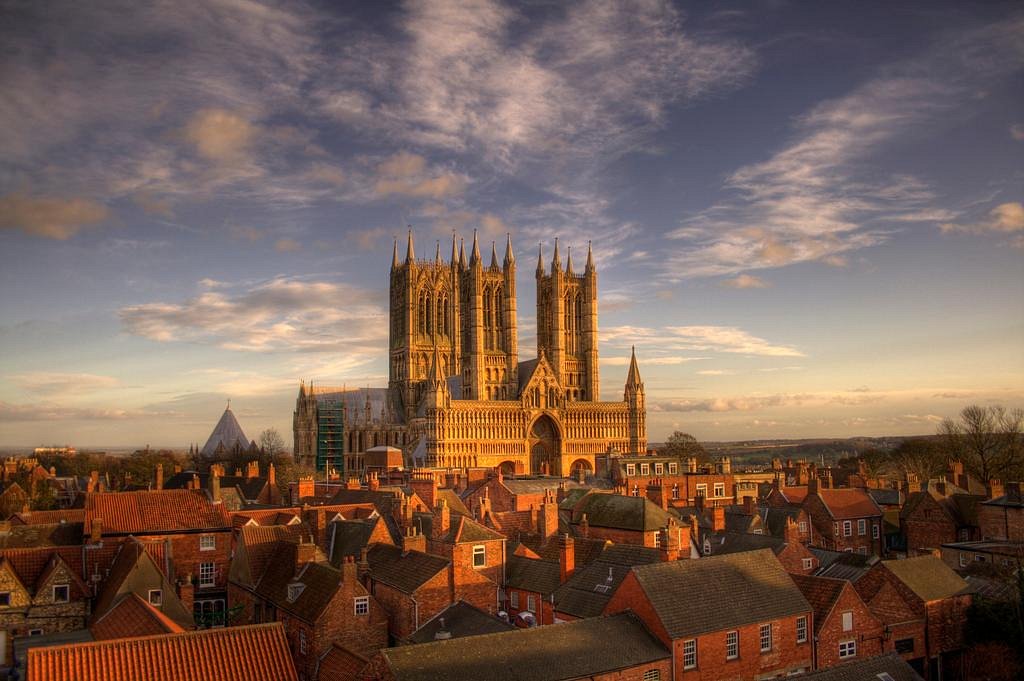
Lincoln Cathedral dominates the skyline in a way that photos do not fully capture, and walking up to it from Castle Square is one of those simple travel moments that stays with you. Inside, you get the tall, light‑filled nave, intricate stonework, and quietly beautiful chapels that reward slow wandering rather than quick snapshots. If you are comfortable with heights, tower tours often run on select days, giving you a closer view of the architecture and expansive views over the city and surrounding countryside.
I recommend planning your visit strategically: go early in the morning or later in the afternoon to avoid coach groups and to enjoy quieter corners of the building. Check opening hours and any special services on the official site at lincolncathedral.com, as times can change for events and religious services. Typical visitor entry involves a ticket with options for add‑ons like guided tours, which are worthwhile if you enjoy detailed stories behind stained glass windows, carvings, and the cathedral’s role in English history.
Lincoln Castle: Wall Walks And Magna Carta
Directly opposite the cathedral, Lincoln Castle lets you circle its walls and look out over tiled rooftops, church spires, and green spaces, which is one of the best perspectives on the city. Inside, the Victorian prison and exhibitions help you understand how the site shifted from fortress to place of punishment, and you can see one of the surviving copies of Magna Carta in a dedicated vault. The setting feels more contained than some larger castles, which actually makes it easier to absorb without feeling rushed.
Entry is usually ticketed with different combinations that may include the wall walk, prison, and Magna Carta experience, and you can often save by booking online in advance via the official Lincoln Castle page at lincolncastle.com. If possible, aim for a dry, clear day because the wall walk is much more enjoyable when you can linger at the viewpoints rather than hurrying around in the rain. Give yourself at least two hours, and more if you like reading the displays.
Steep Hill And Bailgate: Characterful Streets And Independent Shops
Steep Hill is exactly what the name implies, a steep cobbled street that climbs between the lower and upper parts of Lincoln and has been repeatedly voted among the prettiest streets in Britain. The real charm here comes from taking your time: stopping at bookshops, artisan food stores, vintage shops, and tea rooms as you work your way up or down. It feels more like a lived‑in neighbourhood than a theme park, and midweek mornings or early evenings can be especially pleasant when foot traffic is lighter.
At the top, the Bailgate area continues the historic feel with Georgian buildings, boutiques, traditional pubs, and restaurants that make it a good base for a leisurely lunch or relaxed evening meal. If you are into photography, this is where you will probably take a large chunk of your street and doorway shots. Comfortable shoes make a huge difference here because the gradient is real, especially after a full day of walking between sights.
Brayford Waterfront: Food, Nightlife, And Water Views
Down in the lower city, Brayford Waterfront lines a broad basin that was once a busy inland port and is now home to a mix of restaurants, cafes, bars, and the University of Lincoln. On clear evenings the lights reflecting on the water create a calm, modern contrast to the medieval streets uphill. This is also one of the easiest places to find familiar chain restaurants alongside a few independents, which can be handy if you are travelling with mixed tastes or younger children.
Boat trips sometimes run from here, giving you a short cruise with commentary on Lincoln’s waterways and history. Even if you do not step onto a boat, it is worth walking the length of the waterfront once during your visit, ideally around sunset, to see how the city shifts from daytime shopping to evening socialising. It is also a natural spot to end a self‑guided walking loop that starts at the station, continues along the High Street, climbs Steep Hill, and then drops back down.
Museums And Local History Spots
Beyond the headline cathedral and castle, Lincoln has a cluster of museums and heritage spaces that help you piece together its broader story. The Museum of Lincolnshire Life and local history collections often include everything from agricultural tools to military artefacts, which sounds dry on paper but becomes engaging when you place them in the context of the county’s farms and airfields. Many of these sites are either free or relatively low‑cost, which makes them good value options on longer stays or on rainy days.
Art and design lovers can seek out smaller galleries scattered around the city centre, often showing regional artists or themed exhibitions. Because these venues change displays regularly, they reward repeat visits and give you occasional glimpses of Lincoln beyond the usual tourist checklists. If you travel with kids, museum staff are generally friendly about pointing you toward child‑friendly areas, activity sheets, or interactive displays.
Parks, Walks, And Green Spaces
For a relatively compact city, Lincoln offers a good amount of greenery where you can decompress between historic sights. The Arboretum on the eastern side of the city is a landscaped Victorian park with lawns, trees, and water features that make it a lovely stop on a sunny afternoon. Walking there from the centre also shows you more residential streets and a different everyday side to the city.
Closer to the centre, smaller parks and riverside paths provide quick breathing spaces where you can sit with a takeaway coffee and rest your feet. If you enjoy longer walks or cycles, the surrounding Lincolnshire countryside is gentle and open, with canal‑side routes and quiet lanes that are easy to explore on a half‑day trip. This can be a welcome contrast to days focused mainly on buildings and indoor attractions.
How Long To Stay In Lincoln And Who It Suits
Ideal Trip Lengths
For a first visit, I find that two full days feels like the minimum to enjoy Lincoln without rushing from one landmark to another. A typical two‑day plan might include the cathedral and castle on day one with time for Steep Hill and Bailgate, followed by museums, the waterfront, and a walking tour on day two. You will leave feeling that you have seen the essentials and still have energy left.
If you can stretch to three or four days, the city really opens up. That extra time lets you dive deeper into specific interests, whether that is exploring more churches and small galleries, planning a day trip into the surrounding countryside, or simply revisiting your favourite cafes and viewpoints at a slower pace. Longer stays often cost less per night when you use flexible booking tools like Expedia, Kayak, or Vrbo to compare deals.
Who Will Enjoy Lincoln Most
Lincoln tends to appeal strongly to travellers who enjoy history, architecture, and walkable cities more than big shopping malls or loud nightlife. Couples often use it as a weekend escape, combining heritage sights with good food and relaxed evenings. Solo travellers usually appreciate how easy it is to navigate on foot, the straightforward public transport, and the feeling of safety in the main central areas.
Families can also have a good time, especially with children old enough to appreciate castles, stories about kings and prisoners, and hands‑on museum exhibits. If you are mainly looking for high‑octane nightlife or extensive luxury shopping, Lincoln will likely feel calmer and more modest than you want, though there are still bars and live entertainment options in the centre and along the waterfront.
Where To Stay In Lincoln: Best Areas And Styles
Because Lincoln is compact, your choice of area has more to do with the atmosphere you prefer than with long commutes across the city. I usually think in three zones: the Cathedral Quarter and Bailgate at the top of the hill, the central High Street area in the middle, and Brayford Waterfront closer to the station and university.
Cathedral Quarter And Bailgate
Staying near the cathedral and castle puts you right in the heart of historic Lincoln, with cobbled streets, period buildings, and atmospheric pubs on your doorstep. It is perfect if you want to step outside and immediately feel in the old city, and if you prefer evening strolls past illuminated stonework to busy bars.
You will find a mix of small hotels, guesthouses, and character‑filled bed‑and‑breakfasts here, many in older buildings. To browse current options and prices, check platforms like Booking, Agoda, or TripAdvisor for recent guest reviews and photos.
High Street And City Centre
The central zone around the High Street balances convenience with choice, giving you easy access to shops, cafes, and transport links. From here you can walk up to the cathedral area or down to the waterfront in a reasonable time, making it a strong all‑round base if you do not want to commit to one atmosphere.
You tend to find chain hotels, serviced apartments, and some independent properties here, often at competitive prices. Sites such as Hotels.com, Expedia, and Kayak are useful for comparing central options within your budget.
Brayford Waterfront And Station Area
If you prefer a modern setting and want to be close to the railway station, the waterfront area is very practical. Hotels here often have contemporary rooms, good business facilities, and easy access to restaurants and bars lining the water, which is handy if you like to have dinner options within a short, flat walk.
This zone can feel more modern and less historic, but it is great if you arrive late by train or coach and want a short walk to your accommodation. You can still reach the cathedral and castle on foot, though you will need to tackle the hill, so factor that in when choosing. Again, Booking, Agoda, and TripAdvisor are helpful starting points to explore waterfront stays.
Typical Costs In Lincoln And How To Plan Your Budget
Average Daily Costs For Different Styles
Costs in Lincoln are usually lower than in London or other major UK cities, which makes it easier to enjoy the main sights without breaking your budget. As a broad guide, budget travellers who choose simple guesthouses or private rooms, cook some meals, and walk everywhere can get by on a relatively modest daily amount. Mid‑range visitors who prefer central hotels, sit‑down meals, and a couple of paid attractions per day can expect to spend more, while those after upscale dining and boutique stays will need to plan for higher daily totals.
To keep spending under control, I like to decide in advance which big‑ticket attractions I will pay for, such as the cathedral, castle, and guided tours, and then fill the remaining time with free activities like exploring Steep Hill, parks, and riverside walks. Checking prices on official attraction websites and using comparison tools such as Kayak, Expedia, or TripAdvisor gives you a more precise estimate tailored to your travel dates and preferences.
Practical Money‑Saving Tips That Actually Work
One of the simplest ways to save money in Lincoln is to walk between sights instead of relying on taxis for short trips; the city centre is compact enough that walking is realistic for most visitors. Look out for combination tickets, joint passes, or online discounts for major attractions like the castle and cathedral, as these occasionally reduce the total cost compared with paying separately at the door. Eating your main meal at lunchtime instead of in the evening can also lower your daily food budget, especially if restaurants offer fixed‑price daytime menus.
For accommodation, booking slightly outside of peak weekends, large events, and major university dates usually results in more reasonable rates. Using price alerts on platforms such as Booking, Agoda, Hotels.com, or Vrbo can help you grab better deals, especially for longer stays. Finally, always double‑check current ticket prices and any concessions directly on official attraction sites, as these may change over time.
How To Get To Lincoln And How To Get Around
Reaching Lincoln By Train, Coach, And Car
Lincoln’s railway station sits close to the city centre, making trains one of the easiest ways to arrive if you are coming from London, Nottingham, Sheffield, or other regional hubs. Journey times vary depending on connections, so it is worth using national rail planners or ticket sites to find the most direct route and best fare for your dates. Arriving by train also means you step straight into the lower city, from where you can walk to most central accommodations and attractions.
Long‑distance coaches and regional buses also serve Lincoln, usually stopping within walking distance of the centre, which can be a budget‑friendly alternative to rail if you book in advance. If you choose to drive, be aware that central parking can be limited and sometimes expensive, especially close to the cathedral and castle. Outlying car parks and park‑and‑ride services are often a better option, allowing you to avoid the most congested streets and enjoy walking through the historic core.
Getting Around The City Without Stress
Once you are in Lincoln, most visitors rely primarily on their feet; the main historic and shopping areas are within realistic walking distance of each other. The main thing to prepare for is the shift in elevation between Brayford Waterfront and the hilltop cathedral area, which is where Steep Hill earns its reputation and may be challenging for visitors with mobility issues. In those cases, local buses and occasional taxis can bridge the steepest sections and drop you closer to the top.
Because the city centre is relatively compact, you rarely need to use buses for short hops unless you are staying further out or visiting suburban museums and attractions. If you plan to use public transport more heavily, keep an eye out for day tickets or contactless payment options that simplify fares. For navigation, I usually download an offline map on my phone so I can wander through back streets without worrying about losing data coverage.
Central Lincoln Map: Cathedral And Castle Area
Use the map below to orient yourself around the cathedral and castle, which form the historic core of uphill Lincoln.
When To Visit Lincoln For The Best Experience
Seasons And Weather
Lincoln has a typical English climate, meaning you can expect mild summers, cool winters, and the possibility of rain at any time of year. Late spring and early autumn often strike the best balance of comfortable temperatures, greener parks, and fewer holiday crowds than peak summer. Visiting in winter is still possible, especially around festive markets and events, but days are shorter and some experiences feel better in daylight.
Summer brings longer evenings and more outdoor events, including activities in and around the castle and waterfront, which can be a big plus if you like to spend time outside. However, accommodation prices and visitor numbers tend to rise in school holiday periods, so booking early through comparison sites such as Booking or Expedia is sensible. No matter when you go, carrying a light waterproof layer is practical given how quickly conditions can change.
Events And Local Atmosphere
Throughout the year, Lincoln hosts a range of events that change the city’s feel, from heritage weekends to arts festivals and themed markets. Some of these are based around the castle and cathedral, adding a lively extra layer to already impressive backdrops. If you enjoy that energy, planning your visit to coincide with an event can be very rewarding, though you will want to secure accommodation early and expect more people in the streets.
On the other hand, visiting outside of major events gives you quieter churches, museums, and lanes, and more opportunities to talk with local staff and residents. Personally, I enjoy shoulder‑season weekday visits when you can linger over views and exhibits without feeling rushed. Either way, a quick check of the city’s official tourism page and event calendar before booking helps you align your trip with the kind of atmosphere you prefer.
Tours, Experiences, And Personal Tips
Walking Tours, Ghost Walks, And Themed Experiences
Walking tours are one of the most efficient ways to get a feel for Lincoln’s layers of history while also picking up local recommendations you might otherwise miss. Guides often weave together Roman origins, medieval growth, and more modern stories into an easy‑to‑follow route that helps you make sense of what you see later on your own. If you are short on time, doing a guided walk early in your stay can shape the rest of your trip.
Evening ghost walks are popular if you enjoy a slightly theatrical retelling of local legends and eerie tales attached to old buildings and alleys. These tours are usually more about storytelling and atmosphere than genuine scares, making them fun for older children and adults who like history with a twist. For pre‑booked experiences, day trips, and activity bundles, marketplaces such as GetYourGuide, TripAdvisor, and similar platforms are useful for browsing options and reading recent reviews from other travellers.
Food, Drink, And Local Flavours
Lincoln’s food scene combines traditional English comfort dishes, pub classics, and an increasing number of modern cafes and restaurants catering to different dietary needs. Around Bailgate and Steep Hill you will stumble across independent coffee shops and bakeries where you can grab a light lunch, while the waterfront and High Street have more evening‑friendly sit‑down options. I like to mix one or two restaurant dinners with casual bites and takeaways on benches overlooking the water or cathedral to keep costs balanced.
Local produce and regional specialities sometimes appear on menus and in small food stores, so it is worth asking staff for recommendations if you want something tied to the area rather than generic dishes. Pubs and bars range from traditional interiors with low beams to more modern spaces geared toward students and young professionals, especially closer to the university and waterfront. For up‑to‑date reviews, photos, and price ranges, checking sites like TripAdvisor restaurant listings can help you narrow choices before you arrive.
Personal Pro Tips From Experience
In my experience, starting your first morning at the cathedral, then moving on to the castle while your energy is highest, sets a strong tone for the rest of your trip and avoids climbing the hill later in the day when you are tired. I also find that taking a short break in a quiet side street cafe between these main sights stops the day from feeling like a race. On subsequent days, you can relax into exploring museums, the waterfront, and less obvious corners at a slower pace.
Another tip is to build in unscheduled time for simply wandering back streets near the cathedral and castle; some of the most memorable moments come from stumbling across small courtyards, independent art spaces, or unexpected views across rooftops. If you are travelling in a group with mixed fitness levels, consider splitting for an hour or two so those who want to tackle Steep Hill on foot can do so while others use public transport or taxis to meet at the top or bottom. Agree on a visible landmark, such as the cathedral’s main entrance, as a meeting point to keep things simple.
Staying Safe In Lincoln And Essential Contacts
General Safety And Street‑Smart Habits
Lincoln is generally considered a safe small city by UK standards, especially in the main tourist areas during daytime, but the usual urban common sense still applies. Stick to well‑lit streets at night where possible, keep your valuables zipped away, and be cautious with alcohol consumption, particularly if you are walking back from the waterfront or student bars after dark. If anything feels uncomfortable, stepping into a busy venue or calling a licensed taxi is a sensible move.
When exploring quieter residential areas, parks, or riverside paths, it is wise to stay aware of your surroundings and avoid wearing headphones so loud that you cannot hear what is happening around you. In crowded spaces such as popular events or markets, keep bags in front of you and use inside pockets for passports and larger sums of cash. Most visitors experience no issues, but a little awareness goes a long way in keeping your trip smooth.
Emergency Contacts And Useful Numbers
In a genuine emergency in the UK, the main number to call is 999, which connects you to police, ambulance, and fire services. For non‑urgent police matters, you can use 101, while non‑urgent health advice is available from 111 in England. These numbers can be dialled from mobile and landline phones.
For local medical help, Lincoln has hospital and clinic services you can reach via the NHS website at nhs.uk, where you can search for nearby facilities. For tourism‑related questions, maps, or support, it is helpful to note the city’s official tourism portal at visitlincoln.com, which lists visitor information points, opening hours, and contact details.
What Lincoln Does Particularly Well
Lincoln’s biggest strengths include its walkable layout, atmospheric cathedral and castle, and the way the historic and modern parts of the city interlock without feeling artificial. It offers a slower, more intimate take on English city life than major hubs, which many travellers find more relaxing and personal. There is also a solid spread of accommodation types at different price points, which makes it easier to tailor a trip to your budget.
The compact size means you can see a lot in a short time without constantly using public transport, and you can often dip in and out of attractions instead of committing full days. For people who enjoy combining history, casual food, and scenic walking, Lincoln hits a very comfortable balance. It also works well as part of a wider itinerary that includes other East Midlands or northern cities.
Limitations And Things To Keep In Mind
On the flip side, Lincoln’s relatively small size means it has fewer big museums, shopping districts, and nightlife zones than larger UK cities, which may disappoint travellers who crave constant high‑energy options.
The steep climb between lower and upper parts of the city can also be genuinely challenging for visitors with mobility issues, especially in bad weather. Planning transport around this or choosing accommodation closer to the area you will spend most time in becomes important if hills are a concern.
Another point is that some attractions and smaller venues operate limited hours on certain days or seasons, so you cannot always rely on spontaneous walk‑ins late in the afternoon or evening.
To avoid frustration, most travellers will benefit from checking individual websites or social channels before setting out for the day. Finally, if you visit during major events or graduation periods, crowd levels can spike, so booking accommodation and key tickets early is wise.
Exploring Beyond Lincoln: Nearby Ideas
While Lincoln itself can easily fill a long weekend, the wider county of Lincolnshire offers flat countryside, quiet villages, and coastal areas that make good day trips.
Depending on bus and train connections, you can reach market towns, nature reserves, or seaside spots that show a different side of the region. This is particularly appealing if you are spending four or more days in the area and want to vary your pace.
If you prefer not to drive, look at organised day tours or small‑group experiences departing from Lincoln, some of which are listed on platforms such as GetYourGuide or TripAdvisor experiences.
These options remove the stress of navigating rural public transport and let you focus on the scenery and commentary. Always check the latest itineraries, inclusions, and cancellation policies before booking, as offerings can change over time.
Suggested Stays: How To Structure Your Time
One Day Snapshot
If you only have a single day in Lincoln, start as early as you can in the Cathedral Quarter. Spend your first hours inside the cathedral and castle, focusing on the most significant spaces and viewpoints, then wander down Steep Hill, pausing for a quick lunch or coffee on the way.
Finish your day with a loop along Brayford Waterfront before heading back to your transport or accommodation.
Two Day City Break
With two days, dedicate the first mainly to the hilltop historic core, allowing enough time for guided tours and wall walks without checking your watch too often.
On the second day, concentrate on museums, galleries, and quieter corners of the city, then carve out a late afternoon or evening for a boat trip or relaxing meal at the waterfront. If you enjoy stories and theatrics, consider adding an evening ghost walk or similar tour to bring the city’s past to life in a different way.
Three Or Four Day Deep Dive
Stays of three or four days give you the luxury of mixing slower mornings, long lunches, and local day trips into your plan. You might devote one day almost entirely to parks, canals, and suburban neighbourhoods to see how locals live, and another to exploring nearby towns or countryside.
Using accommodation comparison tools such as Booking, Vrbo, or Agoda can make longer stays more affordable when booked well in advance.
FAQ: Lincoln, England Visitor Questions Answered
Is Lincoln, England worth visiting for a weekend?
Yes, Lincoln is an excellent choice for a weekend because its main sights sit close together, reducing travel time between attractions.
You can comfortably see the cathedral, castle, Steep Hill, and waterfront over two days while still enjoying a relaxed pace. The city’s mix of history, walkability, and manageable size makes it especially appealing for short breaks.
Is Lincoln walkable for most visitors?
The central parts of Lincoln are very walkable, and many visitors rely almost entirely on walking during their stay. The main challenge is the steep gradient between the lower city and the Cathedral Quarter, particularly along Steep Hill.
If you are concerned about mobility, plan routes carefully, allow extra time, and consider using public transport or taxis for the steepest sections.
How many days do I need in Lincoln?
Two full days gives you enough time to see the headline sights sensibly, while three to four days allow you to explore more deeply and add day trips or slower experiences.
If you are combining Lincoln with other cities on a wider UK itinerary, even a single overnight stay can be worthwhile. Ultimately, your ideal length depends on how much time you like to spend in museums and how much you value relaxing in cafes and parks.
What is the best area to stay in Lincoln?
If you want history on your doorstep, the Cathedral Quarter and Bailgate are ideal, with characterful streets and quick access to the main landmarks.
For easy transport links and modern amenities, the city centre and Brayford Waterfront work better. When in doubt, choose a location that minimises your daily climb up and down the hill, especially if you are carrying luggage or have limited mobility.
Is Lincoln safe for solo travellers?
Most solo travellers find Lincoln straightforward and comfortable, particularly in the main shopping streets, Cathedral Quarter, and waterfront areas.
Normal city precautions still apply, such as avoiding very quiet areas late at night, staying aware of your belongings, and moderating alcohol consumption. Knowing the emergency number 999 and having your accommodation details saved on your phone provides extra reassurance.
Can I visit Lincoln as a day trip from London?
It is possible to visit Lincoln on a long day trip from London by train, but you will need to plan carefully to make the journey worthwhile.
Travel times and changes vary, so checking national rail planners before committing is important. If you prefer a slower schedule with evenings in the city, an overnight stay will usually feel more satisfying.
Where can I find current prices, opening hours, and reviews?
For attractions, the most reliable sources are official websites and social channels, such as lincolncathedral.com, lincolncastle.com, and the main tourism portal at visitlincoln.com.
For accommodation and restaurant reviews, travellers often use TripAdvisor, Booking, Hotels.com, Vrbo, Expedia, and Agoda. These resources help you cross‑check information before you travel.
Final Travel Tip And Important Disclaimer
Before you book or travel, always verify current prices, opening hours, and booking conditions directly with official providers, as these details can change with little notice.
Combining official attraction websites with user reviews on platforms such as TripAdvisor, Booking, Agoda, Expedia, Hotels.com, Kayak, Vrbo, and GetYourGuide gives you a rounded, real‑world picture of what to expect.
Disclaimer: WakaAbuja has made every effort to ensure that the information in this post was correct at the time of publication. However, we do not assume any liability caused by errors such as pricing, hours, or location details. Please consult official websites or social media pages for the most up-to-date information.