
advertisement
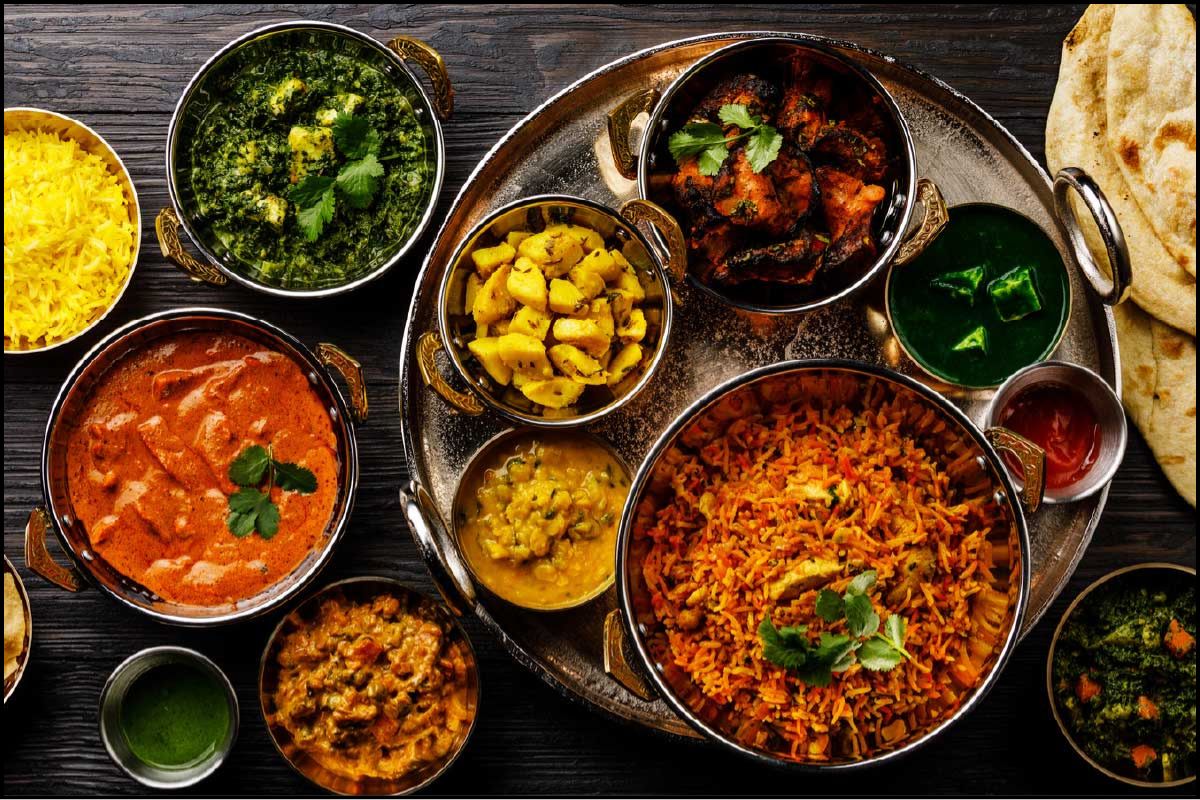
The ones to limit include butter chicken, samosas, pakoras, naan with butter, biryani, malai kofta, korma, gulab jamun, and creamy paneer dishes.
Jump directly to details:
Healthiest Dishes |
Dishes to Avoid |
FAQ
I have personally explored Indian cuisine across local kitchens and restaurants, and I can confidently say it can be one of the most nutrient-rich diets in the world if you choose wisely.
Key Takeaways
The Five Healthiest Indian Dishes
:max_bytes(150000):strip_icc()/masala-daal-recipe-1957965_hero_01-d2db7c3935a0402396442d8703ae7ed6.jpg "Indian Food: Five Healthiest Dishes and Nine To Avoid 1")
1. Dal
When I first started eating dal regularly, I noticed how filling it was without feeling heavy. Lentils are packed with plant protein, iron, potassium, and soluble fiber.
Harvard School of Public Health highlights legumes as a key component of heart-healthy diets. A cup of cooked lentils provides around 18 grams of protein and 15 grams of fiber.
Why it is healthy: Low fat, high fiber, stabilizes blood sugar, and supports gut health.
2. Tandoori Chicken
Cooked in a clay oven without heavy cream, this dish is protein-rich and lower in fat compared to fried meats.
The yogurt marinade contains probiotics and tenderizes the meat naturally.
Why it is healthy: Lean protein, grilled not fried, minimal oil.
3. Chana Masala
Chickpeas are a nutritional powerhouse. I often recommend this to vegetarians looking for high-protein options.
Rich in fiber and plant protein, chickpeas may help lower LDL cholesterol, according to research published in The American Journal of Clinical Nutrition.
4. Vegetable Sabzi
This simple sautéed vegetable dish can be incredibly nutrient dense if not overcooked in oil.
Spinach, okra, cauliflower, and eggplant provide antioxidants and vitamins A and C.
5. Idli with Sambar
I love this South Indian breakfast because it feels light yet satisfying.
Idli is steamed, not fried, and sambar contains lentils and vegetables. Steaming preserves nutrients while keeping calories moderate.
Nine Indian Dishes You Should Limit

Frequently Asked Questions
Is Indian food healthy overall?
Yes, when based on lentils, vegetables, and grilled proteins. Traditional home cooking is often far healthier than restaurant versions.
What is the lowest-calorie Indian meal?
Dal with vegetable sabzi and a small portion of rice or roti is typically one of the lowest-calorie balanced meals.
Is naan healthier than rice?
Plain rice is usually lower in fat. Butter naan contains added fat and calories.
Final Expert Tip
If you want to enjoy Indian food while staying healthy, focus on lentils, grilled dishes, and vegetables. Ask for less oil. Portion control makes a bigger difference than eliminating foods entirely.