
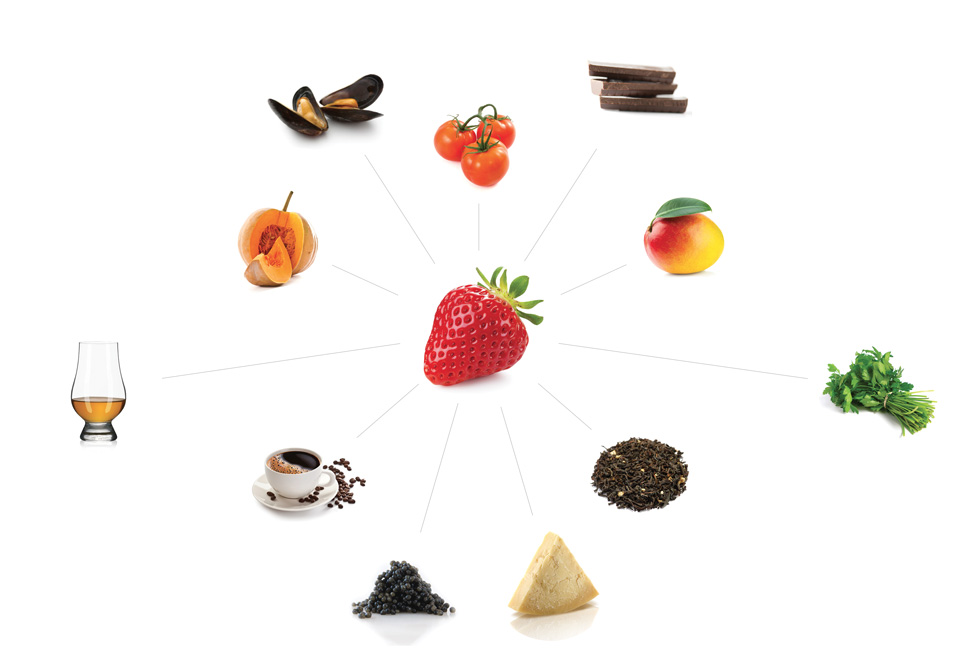
Food pairing basics come down to one idea: flavors either share something or they contrast something, and both can work. Tomato and basil share aromatic compounds. Chili and mango contrast heat with sweetness. Once you understand which principle is at play, you stop guessing and start pairing anything on your plate with confidence.
I used to think great food pairings were a mystery you either had a palate for or didn’t. Then I ruined a dinner party with a grapefruit and dark chocolate tart that tasted like burnt tires. I backtracked through every cookbook I owned, trying to figure out why it failed. It turns out there’s a teachable system behind why some foods sing together and others fall flat.
This guide is that system, built for home cooks who want to pair anything confidently, not just memorize a list of 25 combinations. You’ll learn the five tastes, how aroma compounds work, and a three-step framework you can use tonight with whatever is in your fridge.
Jump to: The Science | Five Tastes | 3-Step Framework | Pairing Chart | Common Mistakes | FAQs
Key takeaways
- Food pairing works on two simple principles: shared aromatic compounds create harmony, while contrasting tastes like sweet and salty create excitement.
- The five basic tastes are sweet, sour, salty, bitter, and umami. Every successful pairing balances or amplifies at least two of these.
- You don’t need a chef’s palate. A three-step framework, starting with one ingredient, adding contrast, tasting, and adjusting, will get you 90% of the way there.
- Texture matters as much as taste. A creamy soup with crunchy croutons works because your mouth craves variation.
- Common mistakes like overcomplicating or ignoring acidity are easy to fix once you know the patterns.
- Some pairings that sound wrong, like blue cheese and watermelon, actually demonstrate the contrast principle perfectly.
What Is Food Pairing, and How Does It Actually Work?
Food pairing is the practice of combining ingredients based on their flavor compounds, not just tradition or guesswork. The modern understanding comes from flavor science, particularly the idea that foods sharing key aroma molecules often taste good together. Heston Blumenthal famously tested this with white chocolate and caviar, two wildly different foods that share trimethylamine and other amines, creating an unexpected but coherent match.
But shared compounds are only half the story. Contrast pairing, the deliberate clash of opposing tastes, is equally valid. Salted caramel doesn’t share many molecules with plain caramel. It works because the salt suppresses bitterness receptors on your tongue, making the sweetness read as rounder and more intense. Both approaches, harmony through shared compounds and contrast through opposing tastes, are correct. The skill is knowing which one a specific pairing calls for.
Chidi’s honest take: “I used to think food pairing meant buying a molecular gastronomy kit. It doesn’t. I now test pairings by asking two questions: do they share a flavor note, like the nuttiness in brown butter and sage, or do they create a contrast I already love, like salty bacon on sweet pancakes? If the answer to either is yes, the pairing usually works.”
The Five Basic Tastes and How They Interact
Every food you eat triggers at least one of five tastes: sweet, sour, salty, bitter, and umami. Understanding how they amplify or cancel each other is the fastest way to diagnose a flat dish. I keep a small reference card taped inside my spice cabinet for this, because the interactions are predictable once you learn them.
Sweet
What it does: Rounds out sharpness, balances heat and bitterness.
Classic pairings: Honey with chili, maple syrup with bacon, sugar in tomato sauce.
Sour
What it does: Cuts through fat, brightens heavy dishes, wakes up other flavors.
Classic pairings: Lemon on fried fish, vinegar on roasted potatoes, lime in rich curries.
Salty
What it does: Enhances sweetness, suppresses bitterness, boosts aroma perception.
Classic pairings: salt on melon, soy sauce in caramel, and salted chocolate.
Bitter
What it does: Adds complexity, balances excessive sweetness, cleanses the palate.
Classic pairings: Coffee with chocolate, bitter greens with balsamic, hops with malt.
Umami
What it does: Deepens savory depth and makes food taste more “complete” and lingering.
Classic pairings: Parmesan on pasta, mushrooms with soy, anchovies in stews.
These interactions are the engine behind every pairing in the chart below. If a dish tastes flat, it’s usually missing one of these five. If it tastes harsh, one taste is overpowering the others. The fix is almost always a small addition from a different taste category.
The 3-Step Framework: Pair Any Two Foods Yourself
This is the system I use when I’m staring at a random ingredient and need to build a plate around it. It works for proteins, vegetables, desserts, and even cocktails. The goal isn’t perfection on the first try; it’s a starting point that’s close enough to adjust.
Step 1: Name Your Star Ingredient’s Dominant Taste
Pick the food you want to feature. Is it mostly sweet, like roasted carrots? Mostly fatty and umami-rich, like a pork chop? Bitter, like kale? Write that down. The dominant taste determines whether you’ll use a harmony or contrast strategy. Fatty and umami ingredients almost always benefit from contrast, something acidic or sharp. Sweet ingredients can go either way, contrasting with salt or harmonizing with warm spices.
Step 2: Add One Contrast Element
This is the step that transforms a one-note dish. Pick a taste or texture from a different category. A fatty pork chop gets a bright acidic slaw. Sweet roasted beets get salty crumbled feta. Silky soup gets crunchy croutons. Don’t add more than one contrast at this stage. You need to be able to taste what it does in isolation before you build complexity.
Step 3: Taste and Adjust, Not Overhaul
Take a bite of the paired foods together. Is the contrast working? If the dish still tastes flat, add a pinch of salt first; salt fixes more problems than any other single ingredient. If it’s harsh, add a tiny amount of sweetness, a pinch of sugar or a drizzle of honey, to round the edges. If it’s boring, add acid, a squeeze of lemon, or a splash of vinegar. Stop after each small adjustment and taste again. The goal is balance, not a new dish.
Food Pairing Chart: 20+ Combinations and the Principle Behind Each
This chart is your cheat sheet. Every pairing here is categorized by the principle it demonstrates, shared compounds, or contrast. Use it to memorize patterns, not just individual combinations. Once you see that strawberries and balsamic vinegar follow the same sweet-acid logic as tomatoes and basil, you’ll start spotting the patterns everywhere.
Sweet + Salty Contrast
- Melon and prosciutto: Salt amplifies the melon’s sweetness while the fat carries the aroma.
- Salted caramel: Sodium suppresses bitterness receptors, making caramel taste smoother.
- Chocolate-dipped pretzels: The crunch-salt combo makes chocolate feel richer.
Fat + Acid Contrast
- Fried fish and lemon: Citric acid cuts through the oil coating your tongue.
- Avocado and lime: The acid brightens the creamy fat and prevents browning.
- Ribeye steak and chimichurri: Vinegar and herbs slice through marbled fat.
Shared Aroma Harmony
- Tomato and basil: Both share linalool and other terpenes, creating a seamless match.
- Strawberry and coriander: Share similar fruity-floral volatile compounds.
- Oysters and kiwi: Both contain marine-like aldehydes that bridge the pairing.
Heat + Sweet Contrast
- Chili and mango: Sugar coats the mouth and physically dilutes capsaicin burn.
- Spicy curry and coconut milk: Fat and subtle sweetness blunt the heat perception.
- Hot honey on fried chicken: Sweetness arrives first, heat lands second, and fat bridges both.
Umami Depth Boosters
- Mushrooms and soy sauce: Both are high in glutamate, stacking umami intensity.
- Parmesan and pasta: Aged cheese adds inosinate, amplifying the wheat’s natural savoriness.
- Tomato and anchovy: Tiny amounts of anchovy add nucleotides that boost tomato glutamate.
From My Kitchen: Pairings That Sound Wrong But Aren’t
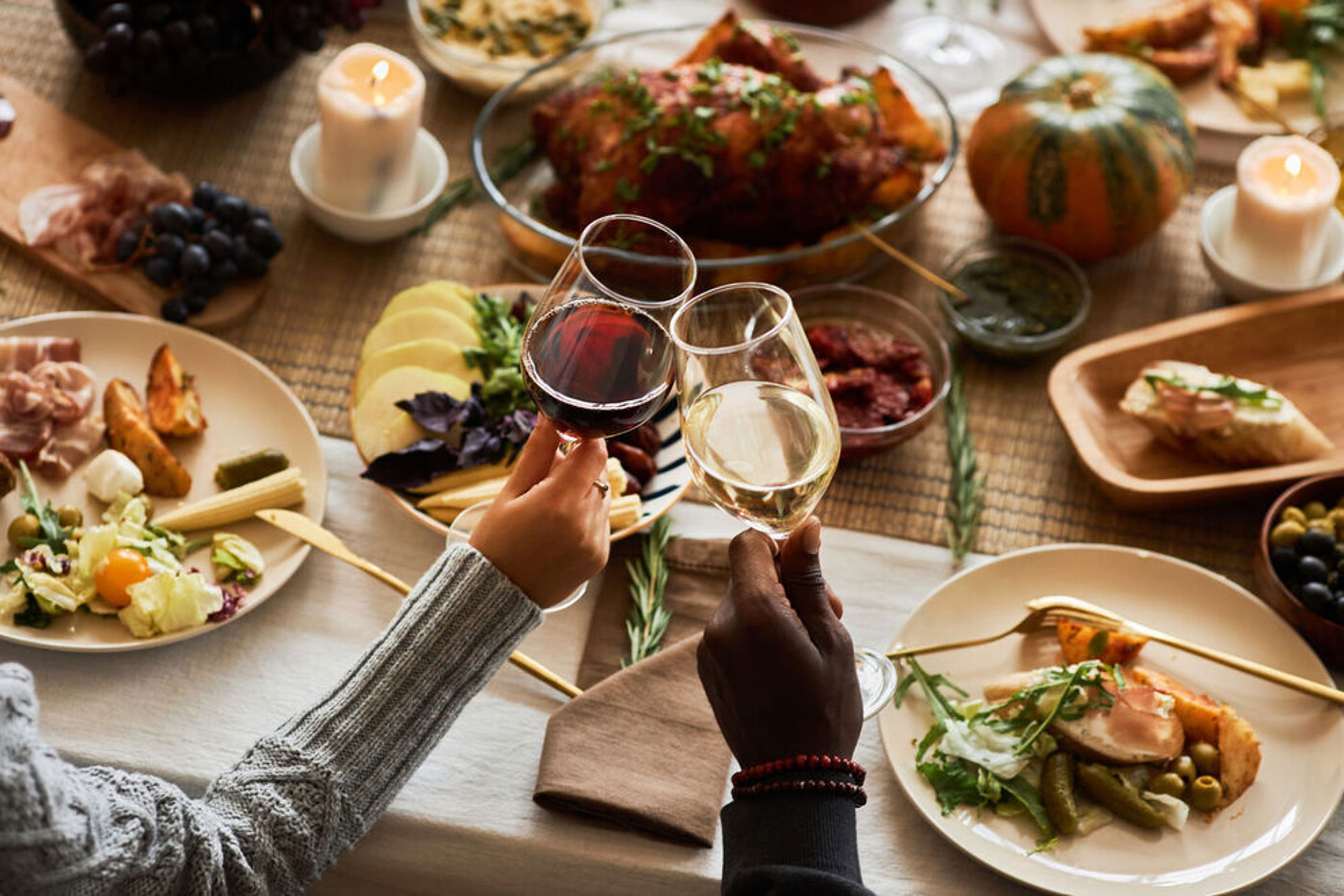
Some of the best pairings I’ve ever made started as mistakes or dares. Fatima once dared me to combine blue cheese and watermelon at a summer barbecue. I laughed until I tasted it. The salty, funky cheese sitting against the cold, watery-sweet melon was electric. It’s a contrast pairing so extreme it loops back into brilliance.
Another accidental win happened when I ran out of olive oil for a chocolate cake and used a neutral vegetable oil instead. The cake was fine, but I missed the peppery bitterness that olive oil brings to chocolate. Now I deliberately use a mild extra-virgin olive oil in brownies. The grassy notes push against the cocoa’s bitterness in a way that butter never could. Chidi tried this with avocado chocolate mousse last month and reported back that the savory undercurrent made the chocolate taste darker and more expensive.
Fatima’s honest take: “I once paired pickled ginger with vanilla ice cream because I’d run out of caramel sauce. It’s now my signature dessert. The spicy, sour ginger cuts the dairy fat exactly like a fruit compote would, but the vanilla pulls it all back to familiar territory. Try it before you judge it.”
What Are the Most Common Food Pairing Mistakes Beginners Make?
I have made every mistake on this list at least twice. Most of them come from either overthinking or rushing. Here are the patterns to watch for when your pairing isn’t working.
- Adding acid too late. Acid brightens a dish, but if you add it after everything else is fully cooked and seasoned, it sits on top instead of integrating. Add lemon juice or vinegar earlier than you think.
- Ignoring texture entirely. A pairing that works on paper, like potato and cheese, can turn into a stodgy, one-note texture bomb. Always include a textural contrast: crunchy, crispy, or fresh and raw.
- Stacking too many umami bombs. Parmesan, mushrooms, soy sauce, and tomato paste in the same dish without enough acid or sweetness create a muddy, heavy flavor profile. Pick one or two umami sources and brighten the rest.
- Forgetting that fat carries aroma. If your dish smells amazing but tastes flat, you may be missing fat. Aromas are largely fat-soluble. A small amount of oil or butter can unlock flavors that were previously just a scent.
- Using bitterness without a safety net. Bitter ingredients like radicchio, grapefruit, or dark chocolate need fat or sweetness to keep them from overwhelming the plate. Pair bitter with creamy or sweet always.
- Assuming expensive ingredients pair themselves. A costly truffle oil or aged balsamic doesn’t fix a pairing that lacks a basic taste balance. Master the five tastes with simple ingredients before reaching for luxury ones.
Frequently asked questions
What are food pairing basics for someone who just started cooking?
Start with the salt-fat-acid triangle. Salt enhances existing flavors. Fat carries aroma and smooths harsh notes. Acid cuts through richness and wakes up the palate. If a dish feels one-dimensional, add one of these three in small increments and taste as you go.
Why do some foods taste better together than others?
Foods taste better together when they share volatile aroma compounds or when they create a pleasing taste contrast. Tomato and mozzarella work because the cheese’s fat carries the tomato’s fruity aromas while the acid balances the creaminess. Both mechanisms, harmony and contrast, are scientifically measurable.
Is food pairing based on science or just tradition?
Both. Traditional pairings like lamb and mint or pork and apple persisted because they work on a flavor-compound level. Modern food pairing science, popularized by firms like Foodpairing NV, uses gas chromatography to map the aromatic compounds in ingredients and predict successful matches. Tradition and science often converge on the same combinations.
Can you pair foods without any cooking experience?
Yes. Use the dominant taste shortcut: identify the main taste of your ingredient and add an opposite. Sweet corn gets salty butter and a squeeze of lime. Bitter arugula gets sweet pear and creamy cheese. This simple rule skips the need for memorized pairings.
What is the difference between flavor pairing and food combining?
Flavor pairing is the culinary practice of matching ingredients for taste harmony or contrast, grounded in food science. Food combining is a dietary theory that claims certain food groups should not be eaten together for digestive reasons, like not mixing starches and proteins. The latter is not supported by mainstream nutrition science and is unrelated to how chefs build flavor.
Why does texture matter in food pairing?
Texture creates sensory contrast that prevents palate fatigue. A fully soft meal, like soup and bread, can taste bland even if well-seasoned because your mouth gets bored. Adding crunch, crispness, or chewiness activates different mouthfeel receptors and makes each bite feel like the first one.
Tools and resources for practicing food pairing at home
Our team tested these tools while building the pairing chart above. They’re useful for home cooks who want to experiment beyond the combinations we listed. For cookbooks and kitchen gear, we recommend browsing reviews on trusted platforms before buying.
Read reviews of cooking classes that teach flavor-pairing fundamentals near you.
Book market tours and tasting experiences that expose you to new ingredient combinations.
Bundle flights and accommodation for culinary travel trips focused on regional food pairings.