advertisement
Can You Really Explore Mars in 360 Degrees?
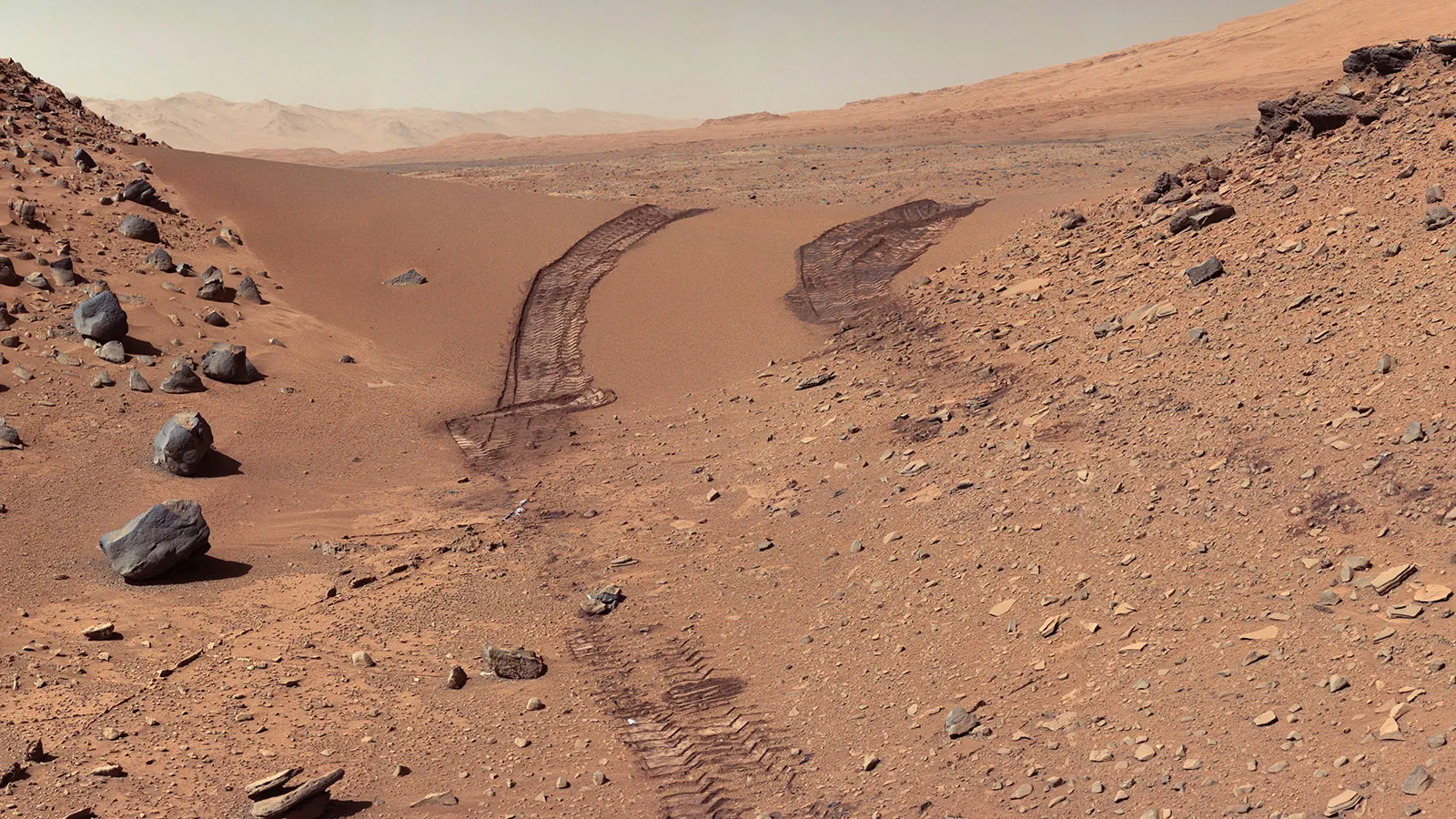
Yes. You can virtually explore the real surface of Mars in immersive 360 video using high-resolution imagery captured by NASA missions and visualized through OpenSpace, the same software powering presentations at the Hayden Planetarium in New York.
You will fly above Valles Marineris, descend into Olympus Mons, and witness the North Polar Ice Cap using authentic scientific data.
Jump directly to details: How the 360 Mars Experience Works
Key Takeaways
Authentic NASA Data The visuals are not simulations invented for entertainment. They are stitched from real high-resolution orbital imagery collected by NASA spacecraft.
Powered by OpenSpace, open-source visualization software called OpenSpace dynamically renders the known universe and powers shows at the Hayden Planetarium.
Explore Major Martian Landmarks: You can virtually fly through Valles Marineris, explore Olympus Mons, and examine the frozen North Polar Ice Cap in immersive 360 degrees.
Backed by Scientific Institutions The project is funded in part by NASA and supported by the Knut and Alice Wallenberg Foundation, the Swedish Research Council, and the Swedish e-Science Research Centre.
How the Mars 360 Experience Works
When I first explored Mars in 360 video, what struck me most was this: it did not feel like watching a documentary. It felt like hovering above another planet.
The immersive journey uses real imagery gathered by NASA orbiters such as the Mars Reconnaissance Orbiter and other deep space missions. These spacecraft capture ultra-detailed surface data. That data is then stitched together and rendered in OpenSpace, an open-source interactive data visualization platform.
OpenSpace is the same software system used to power live presentations at the Hayden Planetarium Space Theater inside the American Museum of Natural History in New York.
This is not cinematic CGI for entertainment. It is scientifically accurate planetary mapping translated into a navigable experience.
Fly Across Valles Marineris
What Makes It So Special?
Valles Marineris is one of the largest canyon systems in the entire solar system. Stretching over 4,000 kilometers, it dwarfs Earth’s Grand Canyon. When I explored it in 360, I could look left and right and see canyon walls towering higher than Mount Everest.
Length: Over 4,000 km long
Depth: Up to 7 km deep in some regions
Scientific Importance: Offers clues about tectonic activity and ancient water flow on Mars
Seeing it in immersive format changes your understanding of scale. It is not just a geological feature. It is a planetary scar.
Descend Into Olympus Mons
Olympus Mons is the tallest volcano in the solar system. It stands about 22 kilometers high, nearly three times the height of Mount Everest.
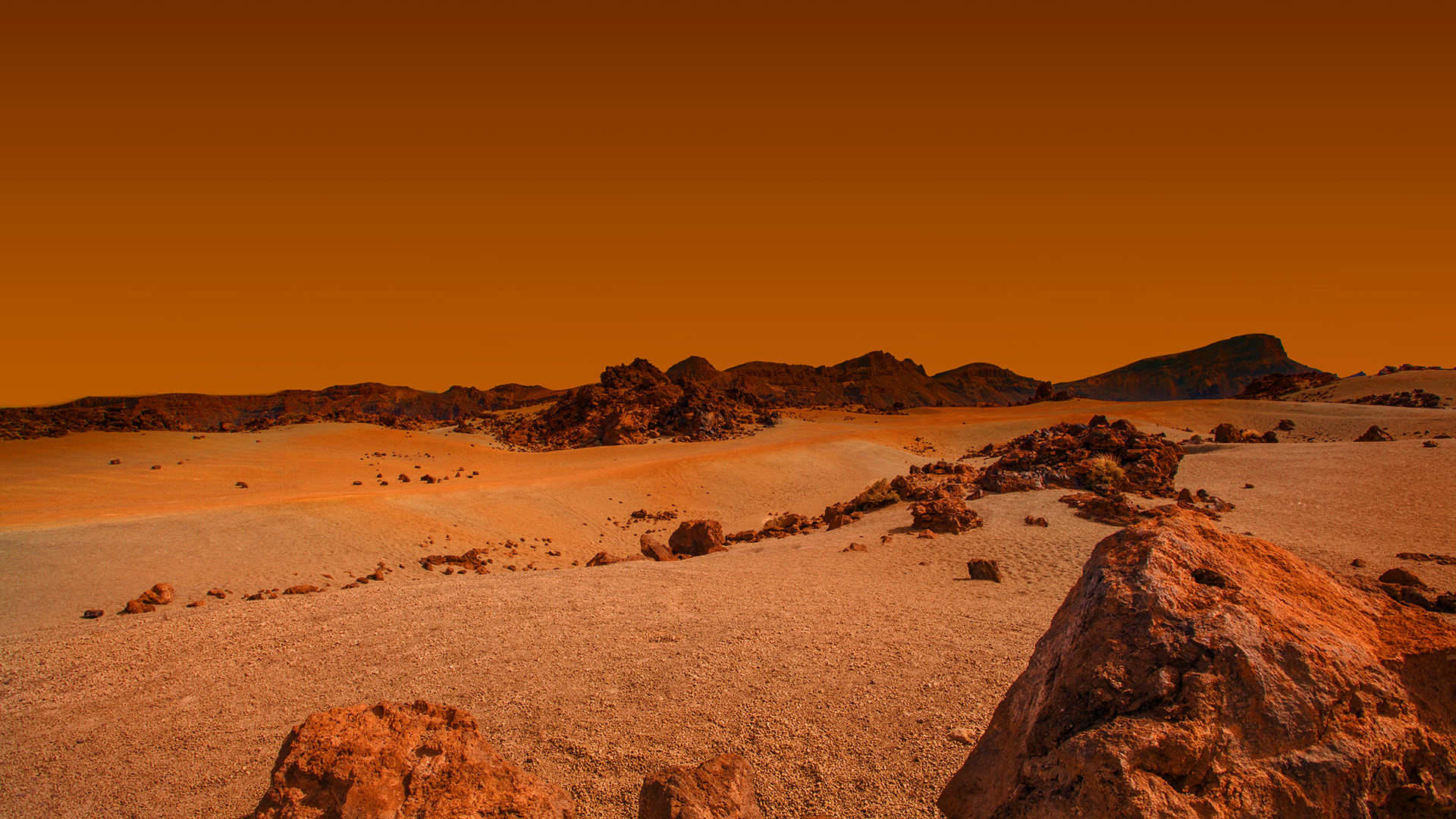
During the 360 journey, I tilted my view downward into its caldera. The rim stretches hundreds of kilometers wide. The silence of that massive volcanic basin feels almost spiritual.
Height: Approximately 22 km
Width: Over 600 km across at its base
Why It Matters: Evidence of Mars’ volcanic past and internal heat history
Witness the North Polar Ice Cap
Mars is not just red dust. Its North Polar Ice Cap contains layers of frozen water ice and carbon dioxide ice.
In the 360 view, I rotated slowly and could see the layered stratigraphy carved by seasonal changes. Scientists study these layers to understand Martian climate cycles, much like tree rings on Earth.
NASA data shows that the polar ice cap can span more than 1,000 kilometers across during winter seasons.
Where to Experience It Live
If you want a guided version of this experience, visit the Hayden Planetarium Space Theater in New York.
Location: Central Park West & 79th Street, New York, NY
Official Website: amnh.org/calendar
General Admission: Adults typically from 28 USD. Planetarium tickets may require an additional fee. Always confirm current pricing on the official site.
Who Funds and Supports OpenSpace?
OpenSpace is funded in part by NASA under award No. NNX16AB93A. It is also supported by the Knut and Alice Wallenberg Foundation, the Swedish Research Council known as Vetenskapsrådet, and the Swedish e-Science Research Centre.

Important note: Any findings or conclusions presented in OpenSpace experiences do not necessarily reflect the official views of NASA.
Official OpenSpace website: openspaceproject.com
Why This Experience Matters for the Future of Mars Exploration
Immersive visualization is not just for public engagement. Scientists use spatial tools like OpenSpace to analyze terrain, plan rover routes, and simulate mission strategies.
With upcoming Mars sample return missions and continued robotic exploration, these tools help bridge the gap between raw data and human understanding.
When I explored Mars in 360 degrees, I understood something deeply: the red planet is no longer abstract. It is mapped, measured, and within reach.
Frequently Asked Questions About Exploring Mars in 360
Is the Mars 360 experience based on real images?
Yes. The visuals are built from actual high-resolution imagery gathered by NASA orbiters and processed using OpenSpace software.
Can I explore Mars in virtual reality at home?
Some OpenSpace content and NASA visualizations are available online. For fully immersive presentations, live planetarium programs offer the most advanced experience.
Where can I watch a live Mars show?
Check the official schedule at amnh.org/calendar for current Hayden Planetarium programs.
Is OpenSpace free to use?
Yes. OpenSpace is open-source software. Details and downloads are available at openspaceproject.com.
Final Insight
If you are fascinated by space, do not just read about Mars. Explore it. The combination of real NASA data and immersive visualization transforms scientific imagery into something personal and unforgettable.
WakaAbuja has made every effort to ensure that the information in this post was correct at the time of publication. However, we do not assume any liability caused by errors such as pricing, hours, or location details. Please consult official websites or social media pages for the most up-to-date information.