Things You Need to Know Before Traveling to Warsaw: An Abuja Explorer’s Honest Guide
Warsaw trip essentials from a seasoned traveler: Visit in late spring (May-June) or early autumn for golden light and fewer crowds. Stay in Śródmieście (Downtown) or the trendy Praga district.
Book stays through Booking.com or Agoda. Budget around 250-400 PLN daily, fly into Warsaw Chopin Airport (WAW), use Uber or the efficient Metro, and dive into rebuilt Old Towns, poignant history, riverside bars, and hidden art galleries.
Skip deep winter unless you love snow. Full local guide below with personal stories, itineraries, and pro tips I learned the hard way.
Jump directly to details: When to Go | Where to Stay | Itineraries | FAQ
Key Takeaways for Your Warsaw Adventure
- Warsaw is a phoenix city: rebuilt from WWII ashes, known for its resilient spirit, Chopin heritage, and vibrant nightlife. Avoid July if you hate crowds.
- Budget around 300 PLN ($75) daily per person for mid-range comfort. Save with public transit (72-hour ticket for 36 PLN) and apartment rentals via Kayak.
- Top experiences: Łazienki Park free Chopin concerts, Warsaw Uprising Museum, Praga district street art, and a Vistula River cruise. Book tours on GetYourGuide.
- Safety first: Warsaw is very safe for a European capital, but watch for pickpockets on crowded trams. Use official taxis or ride-hailing apps.
- Family-friendly pick: Copernicus Science Centre. Hidden gem: Neon Museum in Praga.
What is Warsaw Known For? My First Love in Central Europe
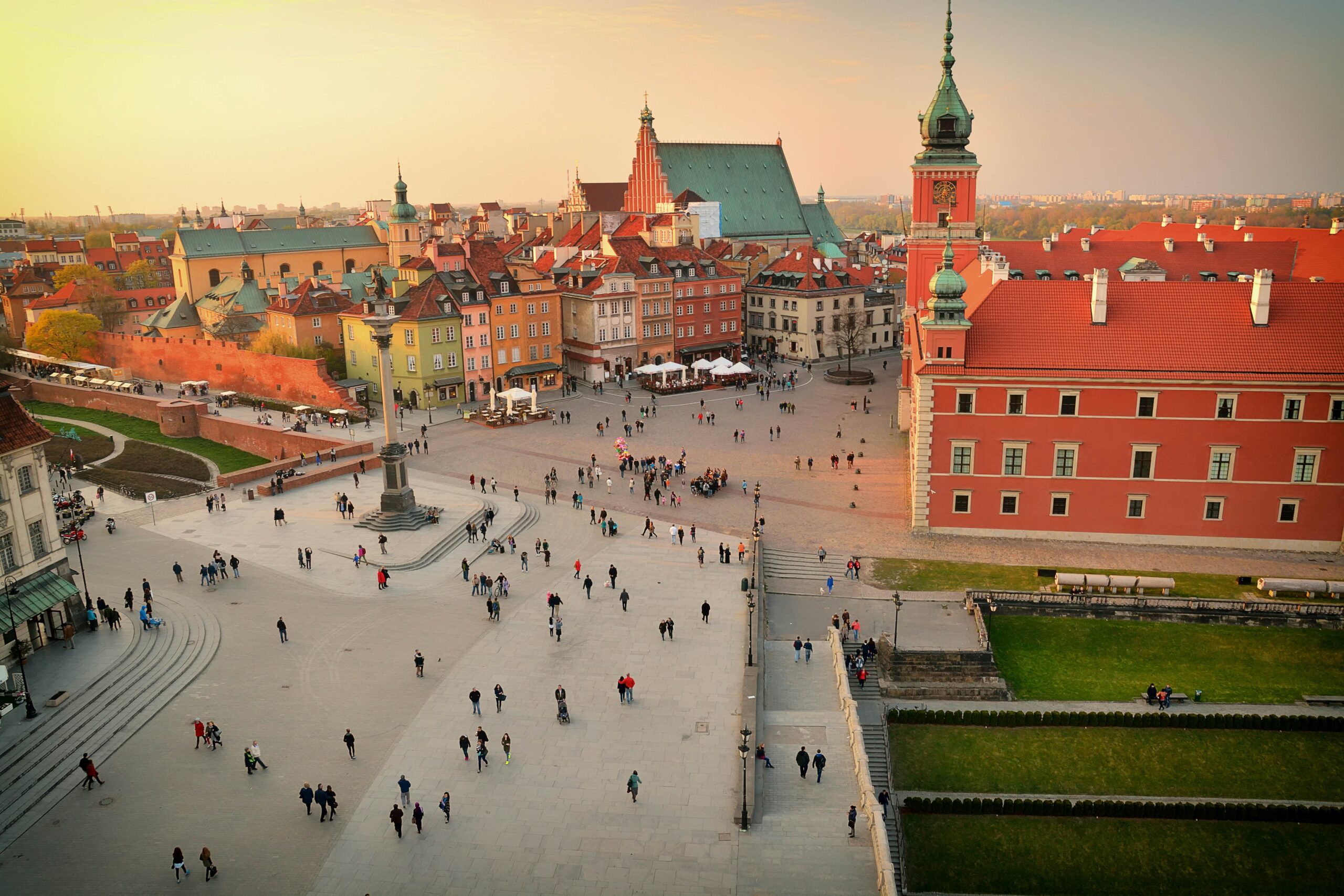
On my first evening as an Abuja expat wandering through Europe, I stumbled upon the Old Town Square at dusk. The meticulously recreated burgher houses, painted in ochre and terracotta, glowed under lamplight. I felt time collapse. That moment changed how I see resilience.
Warsaw isn’t just a capital; it’s a testament to survival. Known as the “Phoenix City,” over 85% of its historic core was levelled during World War II, yet it was rebuilt brick by brick from original paintings and rubble. Today, it’s a thrilling mix of communist-era realism, glass skyscrapers, and a UNESCO-listed Old Town that looks centuries old but was completed in the 1960s.
For my fellow explorers from Abuja, think of Warsaw as a cooler, greener, and more intellectual Lagos Island. It pulses with young energy, jazz bars in hidden courtyards, and a food scene that has moved far beyond pierogi (though you must try those, too).
When to Go: Weather, Crowds, and the Cheapest Time to Visit Warsaw
I learned the hard way that Warsaw’s weather has a dramatic personality. My first trip was in February.
Beautiful, snow-dusted castles, but my Abuja bones were not ready for minus 10 degrees Celsius.
My Seasonal Breakdown
- Late Spring (May-June): My absolute favorite. 18-25°C, lilacs blooming in Łazienki Park, and long daylight hours until 9 PM. Perfect for riverside chilling.
- Early Autumn (September-October): Golden leaves, crisp air, and the Warsaw Film Festival. Crowds thin out after August.
- Summer (July-August): Warm but can get crowded and humid (30°C+). Hotel rates jump by 30-40% according to Expedia data.
- Cheapest time to visit: Definitely January and February. Flights from major hubs can dip under $400 round trip. Just pack a thermal vest. As of early this year, prices on Hotels.com showed a 50% drop from summer peaks.
“I once visited in November,” my WakaAbuja colleague recalls, “Grey skies, but the mulled wine at Christmas markets and empty museum halls made it magical. Just bring a good coat and a cheerful spirit.”
How to Get There: Airports, Trains, and My Preferred Route
Fly into Warsaw Chopin Airport (WAW), located just 10 kilometers south of the city center. It handles over 18 million passengers yearly and is well connected to major hubs like London, Frankfurt, and Doha. From Abuja, you typically connect through Istanbul or Doha.
From WAW, the S2 train takes you to Warszawa Śródmieście station in 25 minutes for less than 5 PLN. Uber to the city center costs around 40-60 PLN.
Alternative: Modlin Airport (WMI) for budget airlines, but it’s 40 km north. Factor in a 50-minute bus ride. For rental cars, I always compare deals on Kayak.
Getting Around Warsaw: Like a Local (Without Getting Lost)
Warsaw’s public transport is a dream for urban explorers. The Metro has two clean, efficient lines. Trams and buses cover the rest. Download the “Jakdojade” app (it works offline).
A 72-hour ticket costs 36 PLN (about $9) and covers everything. Uber and Bolt are ubiquitous and cheap; a cross-city ride rarely exceeds 25 PLN.
My pro tip: rent a public city bike (Veturilo) for the Vistula Boulevards. For 19 PLN for 72 hours, you can cycle from the National Stadium to the Mermaid statue. Avoid driving yourself; parking in Śródmieście is a headache and expensive.
Best Accommodation Options: Where I Stay and What I Recommend
Over many trips, I’ve tested neighborhoods from hostels to luxury. Here is my honest breakdown of the best places for a vacation stay.
Śródmieście (Downtown) – Best for First Timers
Central, lively, near the Palace of Culture. 4.6/5 on TripAdvisor. Budget: 200-500 PLN/night. Book via Booking.com. Pro: Walk to almost everything.
Praga Północ – Hipster & Hidden Gems
Gritty, artistic, authentic. 4.7/5 for vibe. Rates: 150-350 PLN/night on Agoda. My pick for creatives and photographers.
Muranów – Quiet & Historical
Built on the ruins of the Warsaw Ghetto. Deeply moving. Family-friendly and peaceful. $180-400/night on Vrbo.
Typical Costs and Suggested Budgets for Warsaw
Warsaw is one of Western Europe’s best value capitals. Here is what I actually spent on my last 5 day trip.
Backpacker Budget (150-220 PLN/day)
Hostel dorm: 50-80 PLN. Street food (zapiekanka): 15 PLN. Public transport pass: 12 PLN/day. Free walking tours and park concerts. Total 5 days: approx 900 PLN.
Mid-Range Traveler (250-400 PLN/day)
3-star hotel: 180 PLN. Lunch and dinner with beer: 100 PLN. Two museum entries: 60 PLN. Uber rides: 30 PLN. 5 days: 1,800 PLN. Use TripAdvisor to find deals.
Luxury (500+ PLN/day)
Boutique hotel: 400 PLN. Fine dining at Stary Dom: 150 PLN. Private Chopin concert: 100 PLN. Splurge on a helicopter tour over the city via GetYourGuide.
Money saving tips: Eat at “Bar Mleczny” (milk bars) for communist-era prices (a full meal for 20 PLN). Visit museums on Thursdays when many offer free entry. Book accommodation well in advance for summer using Hotels.com rewards.
Things to See and Do: Museums, Outdoors, Arts, and Nightlife
Outdoors and Hidden Gems
- Łazienki Park: Free Chopin concerts on Sundays at noon. 4.8/5 on TripAdvisor. Peacocks roam free.
- Vistula Boulevards: On my last trip, I stumbled upon a beach bar under the Mermaid statue at dusk. It turned into a salsa night. Pure magic.
- Hidden Gem: The Neon Museum in Praga. A graveyard of Cold War signs. Eerie and beautiful.
Museums and Arts & Theater
- POLIN Museum of the History of Polish Jews: Interactive, moving, and architecturally stunning. Entry 35 PLN. Plan 3 hours.
- Warsaw Uprising Museum: A must for history buffs. You can crawl through a replica sewer. Entry 30 PLN.
- Teatr Wielki: Polish National Opera. Even if you don’t attend a show, the building is breathtaking.
Nightlife and Family Friendly Spots
- Praga’s Pubs: Try “W Oparach Absolutu” for absinthe and live jazz.
- Copernicus Science Centre: Perfect for families. Over 450 interactive exhibits. Book tickets online to skip queues.
- Hala Koszyki: A food hall for all ages. Try the duck dumplings.
Tours to Do: From History to Vodka
I rarely do group tours, but Warsaw changed my mind. The free walking tours (tip based) of the Old Town and Jewish Ghetto are excellent.
For something deeper, book a Polish Vodka Tasting tour (approx 130 PLN, 2.5 hours) to learn the difference between Żubrówka and Wyborowa.
A day trip to the UNESCO listed Treblinka Memorial is sobering but essential. Book these on GetYourGuide for reliable operators. I also loved a 1-hour Vistula cruise at sunset, which cost around 40 PLN.
Sample Itineraries to Help You Plan
3-Day Express: The Essentials
- Day 1: Old Town Square, Royal Castle, climb St. Anne’s Church tower for panorama. Evening: Vistula boulevards.
- Day 2: Łazienki Park (morning), POLIN Museum (afternoon), Hala Koszyki for dinner.
- Day 3: Warsaw Uprising Museum, Praga district street art tour, vodka tasting night.
5-Day Deep Dive (Recommended Length of Stay)
- Add a day trip to Żelazowa Wola (Chopin’s birthplace, 1 hour by train).
- Include a full day for the Royal Route (Nowy Świat street) and University Library roof garden.
- Spend an evening at a jazz club like “Tygmont”.
5 days is my sweet spot. You see the highlights and catch the rhythm of the city without rushing.
Pros and Cons: The Real Warsaw from a Traveler’s Lens
Pros
- Incredible value for money (beers for 10 PLN, main courses for 30 PLN).
- Safe and clean with efficient public transport.
- Fascinating, resilient history told in world class museums.
- Green spaces everywhere; it is one of Europe’s most park rich capitals.
Cons
- Winter can be brutally cold and grey (November to March).
- Language barrier is real; many older people do not speak English.
- The reconstruction is so good that some areas feel “theme park” like.
- Sunday shopping bans (most malls and shops closed). Plan ahead.
How to Stay Safe: Emergency Contacts and My Personal Tips
Warsaw is statistically very safe. The crime index is low compared to Western European capitals. However, I always stay alert. Pickpocketing happens on the crowded 175 bus to the airport and in the Central Station tunnel.
Emergency contacts: Dial 112 for all emergencies (fire, police, ambulance). For police specifically, 997. For ambulance, 999. The main Tourist Information point at Palace of Culture can help with lost items.
My pro tips: Avoid unlicensed taxis waiting outside hotels. Use Uber, Bolt, or official “Halo Taxi.” When withdrawing cash, use ATMs inside banks, not standalone ones.
And please, do not walk through the Saxon Garden or Łazienki Park alone after 1 AM. It’s safe, but wildlife (and drunk students) are unpredictable.
Frequently Asked Questions (From a Local Explorer)
When is the cheapest time to visit Warsaw?
January and February, excluding the New Year period. Flight and hotel prices can drop by nearly half. For instance, a mid-range hotel room that costs 400 PLN in June might be 220 PLN in January. Always check official booking sites for current deals as of this year.
Which place is best for a vacation stay in Warsaw?
For first timers, stay in Śródmieście (Downtown) near the Palace of Culture and Science. It is central, well connected, and has 24 hour shops. For a more authentic, artsy vibe, choose Praga Północ. For families, Muranów or the area around Pole Mokotowskie park is quiet and residential.
Is Warsaw a family friendly destination?
Absolutely. The Copernicus Science Centre is world class, the Zoo is large and well maintained, and there are dozens of playgrounds in Łazienki Park. Many museums have free entry for children under 7. Just avoid the stag party heavy clubs in the Old Town after 10 PM.
What are the best hidden gems in Warsaw?
My top three: The Neon Museum in Praga (open only on weekends), the University of Warsaw Library rooftop garden (free and stunning views), and the “Słodka Apacza” bar for a surreal communist era sugar factory turned dance club. Also, seek out the smallest apartment building in Warsaw at ul. Ząbkowska 24.
How many days do I need in Warsaw?
Three days covers the major highlights. Five days is ideal for a relaxed pace, including a day trip to Treblinka or Żelazowa Wola. Anything over a week, you might want to add a train trip to Krakow or Gdansk.
What travel options exist from Warsaw to other areas?
The Polish rail network (PKP) is excellent. The EIP express train gets you to Krakow in 2.5 hours, Gdansk in 3 hours, and Poznan in 3 hours. For international travel, buses like FlixBus are cheaper but slower. Chopin Airport connects to over 100 destinations directly.