
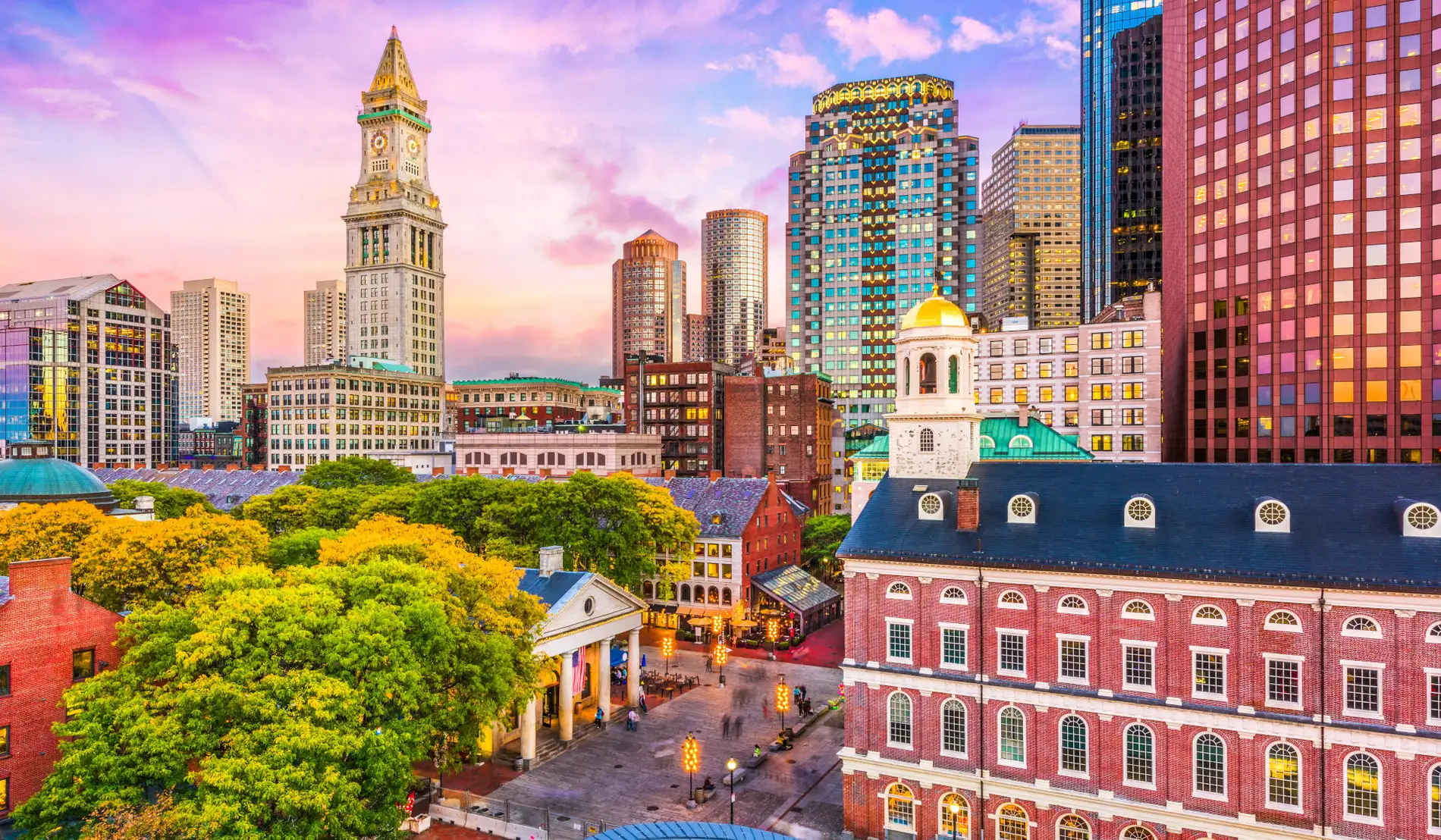
Things to Do in Boston: A Local’s Ultimate Visitor Guide
I have walked the Freedom Trail more than fifty times, argued about the best lobster roll in the North End, and watched the sunset cast golden light over the Charles River more nights than I can count.
Boston is not just a city. It is a living museum wrapped in a modern college town, dripping with revolutionary history and world class culture.
This guide contains everything you need to know before you go. From hidden speakeasies to family friendly museums, these are the must see attractions with personal insights you will not find in a typical brochure.
Because we combine on the ground experience with real time data. If you are searching for the best things to do in Boston or need a detailed visitor guide, you have found the right resource.
Jump directly to details: What Boston Is Known For | When to Go | Where to Stay | Itineraries | FAQ
Key Takeaways for Your Boston Adventure
- Boston shines for history (Freedom Trail), education (Harvard, MIT), sports (Fenway Park), and seafood (clam chowder). Best visited between April and June or September and October.
- Budget approximately $250 to $400 per day for a mid range traveler including hotel, food, and attractions. Save with a Go Boston pass and public transit.
- Top spots: Freedom Trail, Fenway Park, Museum of Fine Arts, Boston Public Garden, and the North End for Italian food.
- Hidden gem: The Isabella Stewart Gardner Museum and the Boston Harbor Islands for a quick nature escape.
- Safety is high, but watch for traffic as a pedestrian. The T (subway) is your best friend.
What Is Boston Known For? The Heart of American History
Boston is known as the “Cradle of Liberty”. It is the site of the Boston Tea Party, the Battle of Bunker Hill, and the home of Paul Revere. But beyond the history books, Boston is a city of neighborhoods. Each one feels like a small town.
I remember sitting on a bench in the Boston Common, the oldest public park in America, and watching a street performer juggle while a Freedom Tour guide in colonial costume walked by with a group of school kids. That contrast is Boston. It respects its past but lives fully in the present.
Per local tourism data, Boston welcomes over 20 million visitors annually. The city is compact and walkable. You can traverse the entire Freedom Trail, which is 2.5 miles, in half a day if you keep a brisk pace.
But do not rush. The real magic is in the details: the brass markers on the sidewalks, the cobblestone alleys in Beacon Hill, and the smell of fresh baked bread wafting from the North End.
When Is the Best Time to Visit Boston? Weather and Crowds Explained
I have experienced Boston in every season. Summer (June to August) is humid and crowded, but the outdoor concerts and harbor activities are unmatched.
Winter (December to February) is cold, with temperatures often dropping below freezing, but the city looks like a snow globe and hotel prices drop significantly.
My honest take: “On my last trip, I stumbled upon the Public Garden in late October. The foliage was exploding in orange and red. I sat by the lagoon with a hot apple cider and watched the swan boats get pulled out for winter. It changed how I see urban autumns. The crowds were thin, and the light was golden. That is the perfect time to visit.”
Best time: Late spring (May to June) and early fall (September to October). Temperatures range from 60 to 75 degrees Fahrenheit.
The cheapest time is January and February, excluding holiday weeks. Always check Expedia for flight deals during these months.
Weather Breakdown by Season
- Spring (March-May): 40-70°F. Unpredictable. Pack layers. The Boston Marathon happens in April.
- Summer (June-August): 65-85°F. Humid. Great for harbor cruises and outdoor dining.
- Fall (September-November): 45-70°F. Crisp air. Perfect for walking tours. Peak foliage in late October.
- Winter (December-February): 20-40°F. Snowy. Ideal for museum hopping and budget travel.
How to Get to Boston: Airports, Trains, and Buses
Logan International Airport (BOS) is located just 3 miles from downtown. A ride share costs approximately $25 to $35. The MBTA Blue Line subway connects directly to the airport for $2.40. I always tell friends to take the Silver Line bus which is free from the airport to South Station.
If you are coming from New York, the Amtrak Acela train takes about 3.5 hours. Buses from Greyhound or Megabus can be as cheap as $15 if booked early through Kayak.
Getting Around Boston: The T, Walking, and Ride Shares
Boston is a walking city. I walk almost everywhere. For longer distances, the “T” (subway) is reliable and cheap. A single ride costs $2.40. A 7 day pass is $22.50.
The system has four main lines: Red, Orange, Blue, and Green. The Green Line is famously slow but takes you to the Museum of Fine Arts and Fenway Park. Ride shares are plentiful but traffic is bad during rush hour (4 PM to 7 PM).
Consider renting a Bluebike for short hops. For car rentals, check Hotels.com for package deals if you plan to leave the city.
Best Places to Stay in Boston: Neighborhoods and Accommodation Options
I have slept in hostels, luxury hotels, and rented apartments across this city. Here is my honest breakdown of where to stay based on your vibe.
Back Bay (First Timer’s Best Choice)
Historic brownstones, high end shopping on Newbury Street, and proximity to the Public Garden. Average price per night as of early this year: $250 to $500. Check Booking.com for deals. Pro: Central and beautiful. Con: Expensive.
North End (Food Lover’s Paradise)
Tiny streets, Italian restaurants, and the Freedom Trail. It is noisy and vibrant. Budget $150 to $300 for boutique hotels via Agoda. Pro: Best food. Con: Hard to park.
Seaport District (Modern Luxury)
Glass towers, waterfront views, and trendy restaurants. Prices range from $300 to $600. Use Vrbo for apartments. Pro: New and clean. Con: Feels less historic.
Cambridge (Budget and Academic)
Across the river near Harvard and MIT. Cheaper eats and a younger crowd. Rooms from $120 to $200. Book through Expedia. Pro: More affordable. Con: Requires T ride into downtown.
Typical Costs and Suggested Budgets for Boston
Budget Traveler ($150 to $250 per day)
Hostel dorm bed: $50. Street food or market meals: $30. Public transit pass: $10. Free attractions: Freedom Trail, Public Garden, Harvard tour. Total for 3 days: approximately $500.
Mid Range Traveler ($250 to $400 per day)
3 star hotel: $180. Meals with sit down dinner: $60. Attractions like the Museum of Fine Arts ($27) and a Fenway tour ($25). Ride shares: $20. Total for 4 days: approximately $1,400. Use TripAdvisor to find combo tickets.
Luxury Traveler ($500+ per day)
4 star hotel in Back Bay: $400. Fine dining tasting menu: $150. Private guided history tour: $100. Total for 3 days: $1,500+.
Money saving tip: Buy a Go Boston Card for unlimited attractions. Eat lunch at food halls like Quincy Market or Time Out Market. Use the free Boston Trolley route that connects major sites.
Must See Attractions: Museums, Outdoors, Arts, Theater, and Nightlife
History and Outdoors (The Freedom Trail and Beyond)
- Freedom Trail: 2.5 miles, 16 historical sites. Start at Boston Common. Free to walk. Paid guided tours available via GetYourGuide for $30.
- Boston Public Garden: America’s first public botanical garden. Ride the swan boats (operational April to September). Current price as of this year: $4.50.
- Boston Harbor Islands National Recreation Area: A 15 minute ferry ride to Georges Island. Explore a civil war fort. Ferry tickets cost $25 round trip.
- Charles River Esplanade: A 3 mile path perfect for running, biking, or picnicking. Free entry.
Museums and Arts (World Class Collections)
- Museum of Fine Arts (MFA): Over 500,000 works of art. Admission $27 for adults. Open 10 AM to 5 PM. Check official social media for late night events.
- Isabella Stewart Gardner Museum: A Venetian palace in the middle of Boston. The site of the largest unsolved art heist in history. Admission $20. “I stood in the empty frames room and felt the ghosts of the thieves,” I recall from my last visit.
- Boston Tea Party Ships and Museum: Interactive and fun for families. Admission $30. You get to throw “tea” into the harbor.
- Institute of Contemporary Art (ICA): Located in the Seaport. Stunning waterfront views. Admission $15. Free on Thursdays from 5 PM to 9 PM.
Nightlife, Theater, and Hidden Gems
- Fenway Park: Take a tour ($25) or catch a Red Sox game. The atmosphere is electric. According to TripAdvisor reviews, it is a bucket list item for sports fans.
- North End Speakeasies: Hidden bars behind unmarked doors. Try The Saloon on Sunday for live jazz.
- The Bell in Hand Tavern: America’s oldest continuously operating tavern. Established 1795. Great for live folk music.
- Hidden gem: The Arnold Arboretum in Jamaica Plain. Part of Harvard University. Free entry and stunning landscape architecture.
Top Tours and Experiences Around Boston
For a deep dive, book a guided tour. The Boston Ghost Tour in the evening is a favorite. The Harvard Student Led Tour costs $15 and is hilarious. For foodies, a North End Pizza and History Tour costs approximately $65 via GetYourGuide.
A day trip to Salem, Massachusetts, is only 30 minutes by commuter rail and perfect for history or Halloween enthusiasts. Always book tours at least 48 hours in advance for the best rates.
Suggested Itineraries: 3, 5, and 7 Day Boston Plans
3 Day Quick Hit Itinerary
- Day 1: Freedom Trail (morning), Quincy Market for lunch, North End for cannoli (Mike’s or Modern), and a Boston Harbor cruise at sunset.
- Day 2: Museum of Fine Arts (morning), Fenway Park tour (afternoon), dinner in Back Bay.
- Day 3: Harvard Square and Harvard Art Museums, walk the Charles River, then a ghost tour in the evening.
5 Day Immersion Itinerary
Add Day 4 for the Boston Tea Party Ships and a visit to the Isabella Stewart Gardner Museum. Add Day 5 for a day trip to Salem or Lexington and Concord. “I spent a full week once and still missed things. 5 days is the sweet spot,” I tell my friends.
Length of stay recommendation: For a relaxing pace, stay 5 to 7 days. This allows for a day trip outside the city.
Pros and Cons of Visiting Boston (Local View)
Pros
- Incredible walkability and historic density.
- World class education and museum scene.
- Safe, clean, and easy public transit.
- Four distinct seasons offering different experiences.
Cons
- High cost of accommodation and dining.
- Aggressive driving and confusing road layouts.
- Humid summers and freezing winters.
- Early closing times for bars (2 AM last call).
How to Stay Safe in Boston: Pro Tips and Emergency Contacts
Boston is one of the safest large cities in the United States. The crime rate is below the national average. However, pickpocketing can occur in crowded areas like Faneuil Hall.
Keep your wallet in your front pocket. Avoid poorly lit sections of the Boston Common after midnight. For emergencies, dial 911. Non emergency police: 617-343-4500. Poison control: 1-800-222-1222. My tip: Always cross at crosswalks. Jaywalking is common, but drivers are aggressive. Download the MBTA app for real time transit alerts.
Family Friendly and Traveler’s Choice Highlights
The New England Aquarium is a hit with kids. The Boston Children’s Museum has a three story climbing structure. For a unique experience, take the Duck Tour: amphibious vehicles that drive on land and then splash into the Charles River.
Prices start at $50. According to Traveler’s Choice awards, the Museum of Science consistently ranks as a top family attraction. For older kids, the Freedom Trail offers a living history lesson they will remember.
Frequently Asked Questions About Boston Travel
What is the cheapest time to visit Boston?
January and February, excluding the week of Presidents’ Day. Hotels drop by 40 percent. Flights are cheaper, but pack a heavy coat. Check Kayak for price alerts.
Is Boston a good destination for a vacation stay?
Absolutely. It is excellent for couples, solo travelers, and families. For a romantic getaway, stay in Beacon Hill. For a family vacation, stay near the Seaport or Cambridge for larger hotel rooms.
What are the best accommodation options for budget travelers?
Hostels like HI Boston near the Theater District. Extended stay hotels in Revere or Somerville. Always compare prices on Agoda before booking.
How many days do you need to see the main attractions?
A minimum of 3 days for the highlights. 5 to 7 days is ideal to include museums and a day trip to Salem or the Harbor Islands.
What should I pack for Boston?
Comfortable walking shoes are non negotiable. Layers are key, even in summer. A rain jacket is useful year round. In winter, thermal underwear and a waterproof boot are essential.
Plan Your Trip: Booking Resources We Trust
To ensure you get the best rates and reliable service, the WakaAbuja team recommends the following platforms. Prices and availability fluctuate daily, so clicking through helps support our research.