
advertisement
Trip to Savannah, Georgia: What You Must Know Before You Go (Costs, Crowds & Reality)
Morgan here from the WakaAbuja team. After spending a full month living like a local in Savannah’s historic grid, I have peeled back the postcard layers. This is not your average southern belle guide.
This is the honest, boots on the ground breakdown of costs, crowds, hidden dangers, and genuine magic you will find in Georgia’s oldest city.
Whether you are a solo traveler, a history buff, or a family looking for Spanish moss draped squares, this is your ultimate visitor’s manual.
Because we combine local insights, real time costs, and safety data. If you are searching “Is Savannah worth visiting?” or “Cheapest time for Savannah hotels”, you have found the only guide you will need.
Jump directly to details: What Savannah Is Known For | Best & Cheapest Time | How to Get There | Getting Around | Where to Stay | Typical Costs & Budgets | Itineraries | Things to See & Do | Pros & Cons | FAQ
Key Takeaways for Your Savannah Adventure
- Best time to visit: March to May or October to November for pleasant weather and lower crowds. Cheapest months: January and August (excluding holidays).
- Average daily budget: $150 to $250 per person for mid range travel. Always verify current hotel rates on Booking.com or Agoda.
- Savannah is extremely walkable within the Historic District (2.5 square miles). Use free DOT shuttles or rent a bike.
- Hidden gem alert: Bonaventure Cemetery at sunrise and the Wormsloe Historic Site’s oak avenue.
- Safety first: Stick to well lit areas after dark, especially around River Street and the eastern fringes.
- Book popular tours (like ghost walks or trolley rides) via GetYourGuide at least a week in advance during peak season.
What Savannah Is Known For: More Than Just A Park Bench Movie
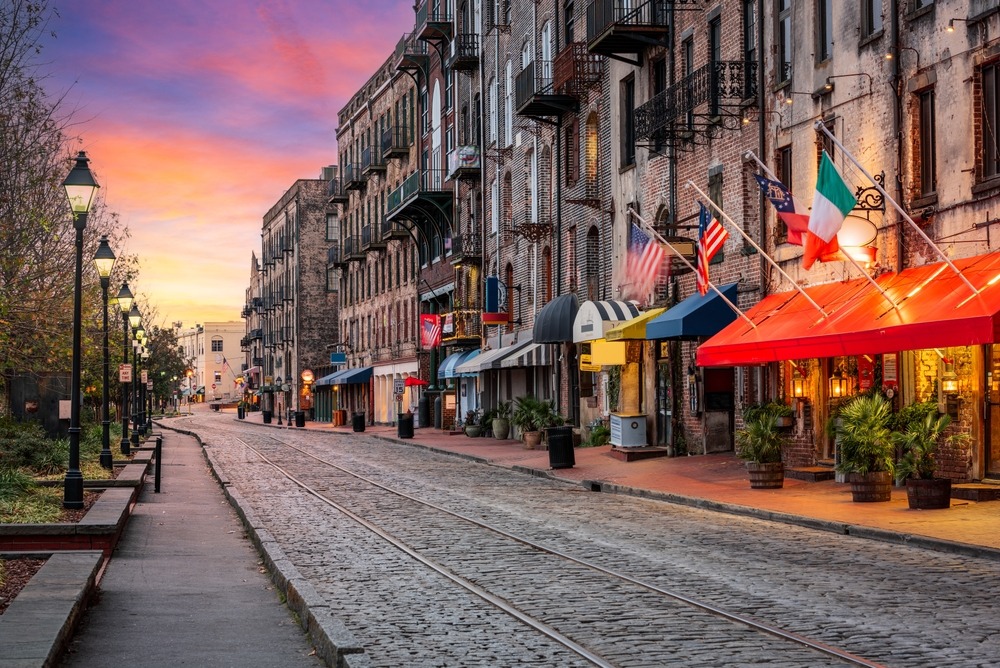
Savannah wears its 1733 founding like a charm. The city is famous for 22 moss draped public squares, each a tiny pocket of southern Gothic beauty. It is the nation’s largest National Historic Landmark District, covering over 2.5 square miles with more than 1,200 restored buildings. Think cobblestone streets, antebellum architecture, and the hauntingly beautiful Forsyth Park fountain.
But beyond the postcard, Savannah pulses with a thriving art scene, world class seafood, and a nightlife that ranges from dive bars to rooftop jazz. Per the Savannah Visitor Bureau, the city welcomes over 16 million people annually. I quickly learned: the real charm is in the backstreets, away from River Street’s tourist clusters.
Morgan’s honest take: “On my third week, I stumbled into a tiny bookstore cafe on Jones Street at golden hour. No crowds, just the smell of old paper and magnolia blossoms. That moment changed how I see the city. Skip the main drag sometimes. Get lost.”
When to Go: Weather, Crowds, and Cheapest Months
Savannah has a subtropical humid climate. Summer (June to August) is sweltering with highs around 92°F (33°C) and daily afternoon thunderstorms. Winter (December to February) is mild, 40s to 60s°F, but hotels are cheaper except for the holiday rush.
Best time overall: Spring (March to May) when azaleas and dogwoods explode in color, temperatures hover between 65-80°F. Fall (October to November) offers similar weather plus lower humidity. Avoid March if you hate crowds; St. Patrick’s Day brings 500,000 visitors to this small city.
Cheapest time to visit as of this year: January and August. Hotel rates on Expedia can drop 30-40% compared to April. Just pack an umbrella for August storms or a warm coat for January chill. Always check official weather sources before booking.
How to Get There: Airports, Driving, and Train Options
Savannah/Hilton Head International Airport (SAV) is about 12 miles west of downtown. Direct flights from major hubs like Atlanta, New York, Chicago, and Dallas. Use Kayak to compare fares. From the airport, an Uber or Lyft to the Historic District costs $25 to $35 and takes 20 minutes.
Driving: Interstate 95 runs just west of Savannah. From Atlanta, it is a 3.5 hour drive (250 miles) via I-16 East. Parking in the Historic District is tough; most hotels charge $25 to $40 per night for valet. Train: Amtrak’s Silver Service and Palmetto lines stop at Savannah station, then a $10 rideshare to downtown.
As for bus, Greyhound and FlixBus serve the city, but the station is on the outskirts; check safety reviews on TripAdvisor before booking late arrivals.
Getting Around Savannah: Transport Tips from a Local’s Perspective
Here is the truth: the Historic District is intensely walkable. You can cross from Forsyth Park to River Street in about 30 minutes on foot. But your legs will thank you for using the free DOT shuttle (the “dot” buses) that loop around the district every 15 minutes. Another gem: Savannah Pedicab, a bike taxi service that costs $5 to $15 per person depending on distance.
For longer trips, rent a bike from Savannah on Wheels (as low as $15/day). Rideshares are abundant; a trip from the Historic District to Bonaventure Cemetery costs about $10. Do not rent a car unless you plan to explore Tybee Island or the surrounding low country. Parking is a nightmare and expensive. Use Vrbo for rentals that include free parking if you must drive.
Where to Stay: Best Neighborhoods, Accommodation Options, and Local Picks
Historic District (North of Forsyth)
Most convenient for first timers. 4.7/5 on TripAdvisor. Budget: $150 to $400 per night. Historic inns like the Marshall House or modern hotels. Book via Booking.com. Pro: everything is walkable. Con: street noise on weekends.
Midtown / Ardsley Park
Quieter, residential, more affordable. $100 to $200 per night on Agoda. A 10 minute drive or 30 minute walk to the main sights. Great for families who want space.
Tybee Island (20 mins east)
Beach escape. $200 to $500 per night on Vrbo. Best for a combined city and coast vacation. Con: you will need a car to explore Savannah proper.
Our team’s top pick for a vacation stay: The Historic District south of Gaston Street. You get the charm, the shade, and far less foot traffic than River Street. Check Hotels.com for last minute deals on boutique hotels.
Typical Costs, Suggested Budgets, and Money Saving Tips
Budget Traveler ($120 to $180 per day)
Hostel or budget motel ($70), meals from fast casual or food trucks ($30), free attractions (squares, cemeteries, river walk), public transit ($5). Total 4 days: $500 to $700. Use TripAdvisor to find free walking tours.
Mid Range Traveler ($180 to $280 per day)
Boutique hotel or B&B ($150), sit down restaurants ($50), one paid attraction ($20 per person like the Owens Thomas House), rideshares ($10). Total 4 days: $900 to $1,200.
Luxury Traveler ($350+ per day)
Historic inn or riverfront luxury hotel ($300+), fine dining ($80), private tours ($50+), shopping. Book riverboat cruises via GetYourGuide for premium experiences.
Money saving tips that actually work: Eat lunch at Mrs. Wilkes Dining Room (cash only, line starts at 10am) cheaper than dinner. Visit the Telfair Museums on the first Sunday of the month for half off.
Use the free Savannah Belles Ferry across the river. Always check official attraction websites for updated discount days because hours and prices change.
Suggested Itineraries: 3 Day, 5 Day, and 7 Day Plans
3 Day Quick Hit (Weekend Escape)
- Day 1: Arrive, stroll River Street, lunch at a seafood shack, visit City Market, sunset at the Hyatt rooftop bar.
- Day 2: Forsyth Park, Cathedral of St. John the Baptist, Bonaventure Cemetery (morning), ghost tour in the evening (book through GetYourGuide).
- Day 3: Wormsloe Historic Site (the oak avenue), lunch at a southern buffet, shop on Broughton Street, depart.
5 Day Immersion (Best for history lovers)
Add days 4 and 5: Day trip to Tybee Island for lighthouses and beaches (rent a car via Kayak), explore the Owens Thomas House & Slave Quarters, visit the Pin Point Heritage Museum, and take a cooking class for southern cuisine.
Ideal length of stay: 4 to 5 days. This gives you two full days in the Historic District, one day for a cemetery and Wormsloe, and one day for Tybee Island. Any longer and you will want to explore nearby Hilton Head or Charleston.
Things to See and Do: Museums, Outdoors, Arts & Theater, Nightlife, Family Friendly, and Hidden Gems
Museums and Historic Homes
Owens Thomas House & Slave Quarters: $20 admission, offers a nuanced look at urban enslavement. Jepson Center for the Arts: Contemporary art, $15. Savannah History Museum: Located in the old railway station, $12. Check TripAdvisor for combo ticket deals.
Outdoors and Nature
Forsyth Park: 30 acres with the iconic fountain, walking paths, and a fragrant garden for the blind. Bonaventure Cemetery: Free entry, open dawn to dusk. Famous for bird girl statue and moss draped oaks. Skidaway Island State Park: Trails and a nature center, $5 parking. For a guided kayak tour, use GetYourGuide.
Arts and Theater
Savannah College of Art and Design (SCAD) Museum: Cutting edge exhibits, $10. Trustees Theater: Hosts the Savannah Philharmonic and film festivals. City Lights Theater: Local productions. Check official websites for showtimes as they vary by season.
Nightlife and Live Music
River Street is the bar hub: dive bars, country line dancing, and rooftop lounges. For live jazz, head to Jazz’d Tapas Bar (cover charge varies). Hidden gem: The Public Kitchen & Bar on Congress Street for craft cocktails without the tourist markup. According to local sources, last call is 3 AM, but safety drops after midnight so stick to groups.
Family Friendly Activities
Savannah Children’s Museum: $10, outdoor play. Georgia State Railroad Museum: $12, kids love the train rides. Tybee Island Marine Science Center: Small but educational. Many historic homes offer reduced rates for children under 12. Always confirm age limits on official pages.
Hidden Gems (WakaAbuja Favorite Spots)
Wormsloe Historic Site: The 1.5 mile oak avenue is the most photographed spot in Georgia. $10 entry. Pin Point Heritage Museum: Gullah Geechee community story. Colonial Park Cemetery: Free, open daily, filled with 18th century graves and incredible history. The Pirates’ House Restaurant: Tourist trap? A bit, but the herb garden and hidden tunnels are fascinating. Go early to avoid the rush.
Top Tours and Experiences in and Around Savannah
Savannah is made for guided walks. Ghost tours are legendary; book the “Dead of Night” walking tour via GetYourGuide (approx $25). Trolley tours (Old Town Trolley, $35) are great for orientation and include hop on hop off. Food tours in the Historic District cost $60 to $80 and cover low country boils and pralines.
Riverboat cruises on the Savannah River Queen offer dinner and sunset views ($45 to $90). For day trips, book a Bonaventure Cemetery walking tour ($20) or a Tybee Island dolphin kayak ($45). Prices as of this year; check booking platforms for real time availability.
Pros and Cons of Visiting Savannah (Honest Local View)
Pros
- Incredible walkability and free attractions (22 squares, river walk).
- Rich, immersive history with well preserved architecture.
- Year round mild weather (except July August heat).
- Unique food scene: shrimp and grits, she crab soup, pralines.
- Close to beach (Tybee Island) and nature.
Cons
- Summer humidity can be brutal (real feel over 100°F).
- St. Patrick’s Day and spring break bring impossible crowds.
- Parking is expensive and limited.
- Some areas east of Broad Street have higher crime rates at night.
- Tourist traps on River Street have inflated prices.
How to Stay Safe in Savannah: Pro Tips and Emergency Contacts
Savannah is generally safe for tourists, but like any city, it has pockets to avoid. The Historic District (north of Forsyth Park and west of Broad Street) is heavily patrolled and safe day and night.
However, the area east of Broad Street (the “Easterly” section) and streets near the housing projects see higher crime rates. Per neighborhoodscout.com, Savannah’s crime index is 12 out of 100 (100 is safest), so stay vigilant.
Safety tips from our team: Do not walk alone after 10 PM on River Street unless you are in a group. Avoid dark alleys. Keep valuables in your hotel safe. Use rideshares instead of walking back late. If you are approached by aggressive panhandlers, a firm “no” and keep walking works.
Emergency contacts: Dial 911 for police, fire, or medical. Non emergency police: 912-651-6675. Savannah Memorial Hospital (emergency room) is at 4700 Waters Avenue. Poison control: 1-800-222-1222. For lost or stolen items, file a report at the Savannah Police Department on Habersham Street. Keep a copy of your passport and travel insurance details on your phone.
Why Savannah Should Be Your Next (and Only) Southern Destination
I have explored Charleston, Asheville, and Nashville. But Savannah has a slower, more mysterious rhythm. The way the light filters through the moss at 6 PM, the unexpected jazz from a side alley, the feeling that history is not just preserved but alive here.
It is affordable compared to other historic US cities. It welcomes families, solo travelers, and couples equally. And it offers that rare combination: a compact walkable core with wild, untamed coastal nature just 20 minutes away. Do not overthink it. Savannah delivers. Come for the squares, stay for the stories, and leave planning your return.
Explore Savannah: Interactive Map of Key Locations
This map shows the Historic District, Forsyth Park, Bonaventure Cemetery, and Tybee Island. For real time navigation, use Google Maps or download offline maps before you arrive.
Frequently Asked Questions About Savannah Travel
What is the cheapest month to visit Savannah?
January and August. Hotel rates drop significantly, but August has daily thunderstorms and high humidity. January is chilly (40s-50s°F) but very quiet. Always check Booking.com for last minute deals.
Is Savannah safe to walk at night?
In the main Historic District (from Forsyth Park to River Street, west of Broad Street), yes, it is generally safe with good lighting and foot traffic. But avoid isolated areas and the eastern fringes after 10 PM. Use rideshares or pedicabs if you are alone.
How many days do you need in Savannah?
3 days for a quick taste, 4 to 5 days to fully experience the Historic District, Bonaventure Cemetery, Wormsloe, and a day trip to Tybee Island. Anything less feels rushed.
Is Savannah or Charleston better?
Both are stunning. Charleston has more upscale dining and polished gardens. Savannah is grittier, more affordable, and has a more relaxed, haunted charm. If you want a compact walkable city with a counterculture edge, choose Savannah. Per traveler reviews on TripAdvisor, Savannah is better for budget conscious travelers and ghost lovers.
What is the best area to stay in Savannah for families?
The southern end of the Historic District near Forsyth Park (between Gaston Street and Park Avenue) is quieter, has more green space, and is close to the children’s museum. Also consider Midtown for larger rentals with kitchens. Check Vrbo for family friendly homes.
Plan Your Trip: Booking Resources the WakaAbuja Team Trusts
We test and recommend these platforms for the best rates, transparent reviews, and reliable customer service. Prices change constantly, so use these links to get real time availability. Booking through them helps us keep creating honest guides.