
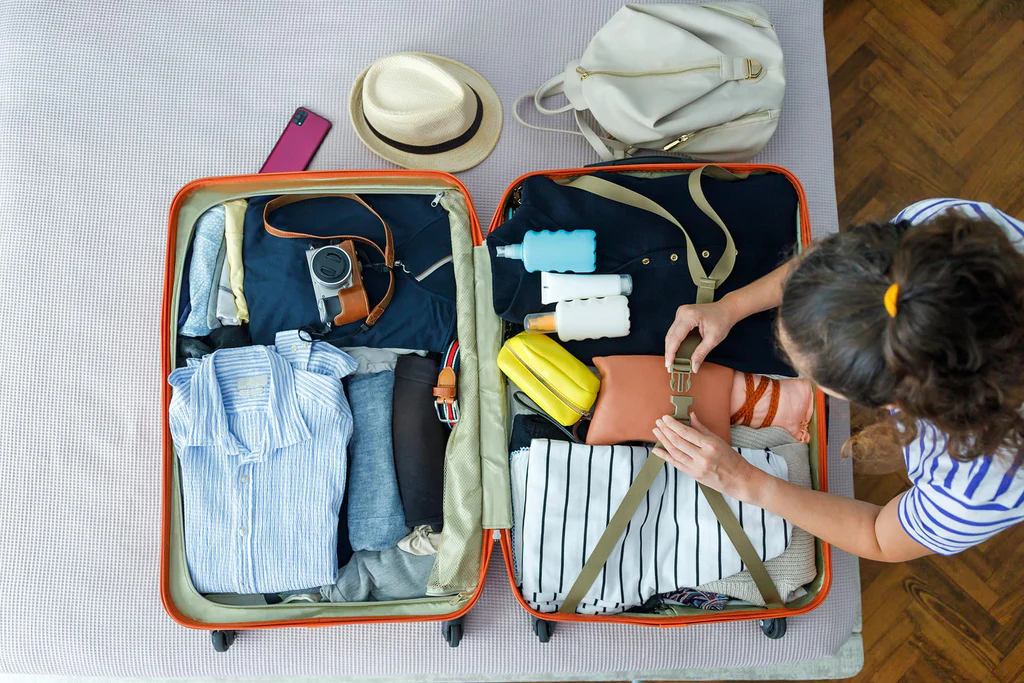
The ultimate packing list for travelers covers five core categories: travel documents and money, clothing matched to your climate and trip length, toiletries and medication, tech and gadgets, and in-flight comfort items.
Pack only what fits your carry-on limit whenever possible, follow the TSA 3-1-1 liquids rule, and always weigh your bag before leaving for the airport to avoid surprise fees.
I have forgotten sunscreen in the Sahara, packed four pairs of shoes for a weekend trip to Lagos, and once handed my hotel booking confirmation to a border officer instead of my visa. Adaeze, our travel editor at WakaAbuja, once showed up to Heathrow with a 28 kg checked bag and a look of deep regret. Every frequent traveler has a packing horror story. This guide exists so yours ends before it begins.
We built this list from years of collective trips across Africa, Europe, Southeast Asia, and the Americas. It is specific, honest, and entirely based on what actually works in the real world.
Jump to:
Documents
Clothing
Toiletries
Tech
Money
In-flight
What NOT to pack
Packing tips
FAQ
Key takeaways
- Always carry your passport, visa documents, travel insurance certificate, and emergency contacts in your carry-on bag, never in checked luggage.
- The TSA 3-1-1 rule limits liquids to containers of 100 ml or less, all fitting in one clear 1-liter zip-lock bag, one bag per passenger.
- Rolling clothes instead of folding reduces wrinkles and saves up to 30% more space in your bag.
- Packing cubes are not optional once you use them once. They compress clothes and keep categories separated across a two-week trip.
- Most airlines charge between $30 and $60 for a first checked bag on international routes. Carry-on only saves money and saves time at arrivals.
- Leave bulky items like extra towels and travel-sized versions of hotel toiletries at home. Most hotels and Airbnbs provide them.
- Weigh your bag at home using a portable luggage scale. It takes 30 seconds and can save you $100 at check-in.
What documents should I pack for international travel?
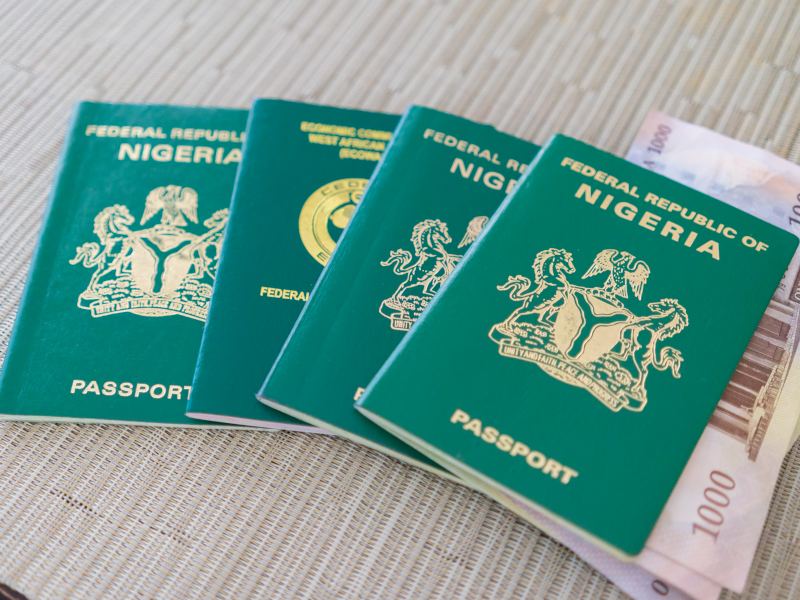
This is the category where mistakes become disasters. I always create a digital folder on Google Drive with scans of every document before any trip. Adaeze keeps a printed copy of her visa and hotel booking folded inside her passport. Both strategies have saved us at different border crossings.
Your passport should be valid for at least six months beyond your return date. Many countries, including those in Southeast Asia and the Schengen zone, enforce this rule strictly and will turn you back at immigration. Check entry requirements for your specific destination on official government websites before you pack anything else.
Travel insurance documents deserve a spot in this stack. If you are still shopping for coverage, check our guide to the best travel insurance for international trips before your departure date. Always carry a printed copy as well as a digital one.
Adaeze’s honest take: “I once breezed through Nairobi immigration because I had every document printed and laminated in a clear folder. The officer ahead of me spent 40 minutes trying to access his e-visa on a dead phone. Print everything.”
Must pack
- Passport (valid 6+ months beyond return date)
- Visa or entry permits, printed and digital
- Travel insurance certificate with emergency contact number
- Flight and hotel confirmations, printed backup
- Emergency contacts list on paper, not just your phone
Nice to have
- International driver’s permit if you plan to rent a car
- Vaccination certificate (yellow fever card is mandatory for some African destinations)
- Passport-sized photos for visa-on-arrival situations
What should I pack for clothing on a two-week trip?
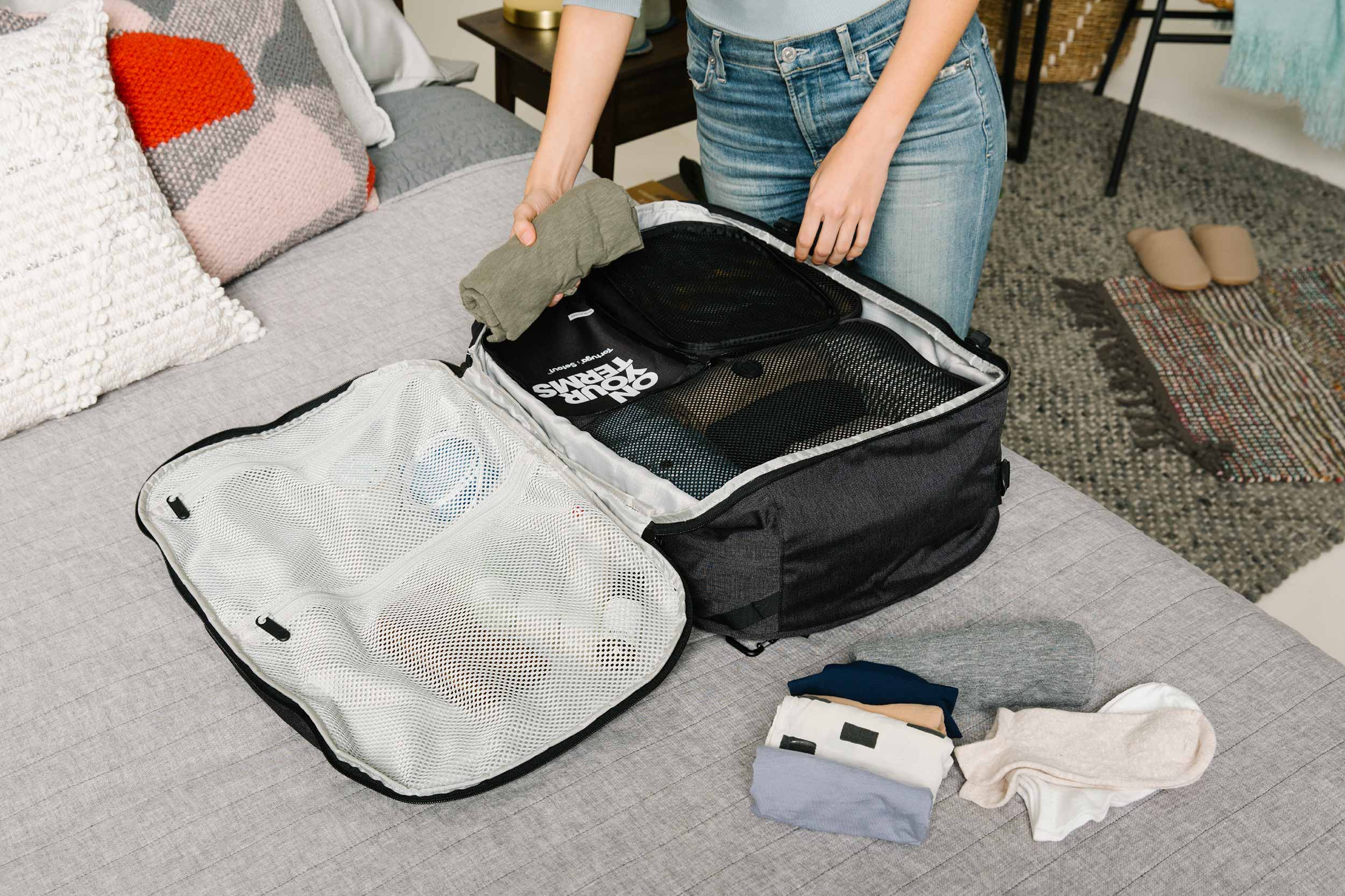
The honest answer is less than you think. Chidi, our Lagos-based correspondent, swears by the 1-2-3-4-5-6 rule for a week-long trip: one hat, two pairs of shoes, three bottoms, four tops, five pairs of socks, and six pairs of underwear. Scale up proportionally for longer trips. For two weeks, he adds a lightweight jacket and two extra tops.
Climate matters more than duration. Packing for a single-climate destination is straightforward. Multi-climate trips, say a weekend in cold Edinburgh followed by a beach stop in Lisbon, require layering strategies. A merino wool base layer works in both. Merino regulates temperature, dries fast, and does not hold odor the way synthetic fabrics do.
For warm climates, linen and lightweight cotton are your friends. For cold destinations, prioritize a good mid-layer fleece over a bulky coat you can barely fold. Most airports and hotels have heating, which means your heaviest jacket can often be worn on travel days rather than packed.
Chidi’s honest take: “I wore the same pair of Merino wool travel trousers every single day for 10 days in Japan. Nobody said anything. They look like regular chinos. Stop packing three pairs of jeans.”
Must pack
- 3 to 5 versatile tops that mix and match easily
- 2 bottoms, one smart and one casual
- One lightweight jacket or layer for air conditioning on flights
- Comfortable walking shoes worn on travel days to save bag space
- One pair of sandals or flip-flops for hostels, beaches, and hotel showers
Nice to have
- A packable rain jacket that compresses to fist-size
- One formal outfit for special dinners or work meetings
- Swimwear if your destination includes water activities
Toiletries and health: what do you actually need?

The TSA 3-1-1 rule governs every liquid in your carry-on bag. Each container must be 100ml (3.4 oz) or less. All containers must fit in a single clear 1-liter zip-lock bag. One bag per passenger. Anything over 100ml goes in checked luggage or gets tossed at the security checkpoint. You can read the full TSA guidance at tsa.gov.
Solid toiletries sidestep this rule entirely. Solid shampoo bars, conditioner bars, and solid sunscreen count as non-liquids and can go straight into your carry-on without restrictions. I switched to a solid shampoo bar three years ago. It lasts longer than a bottle, takes up no space, and has never leaked on my passport.
On the health side, pack a small kit with any prescription medication in original pharmacy packaging, a digital thermometer, rehydration sachets, and ibuprofen. If you are traveling to a malaria-prone region, check with your doctor about prophylaxis well before departure. The Nigerian Centre for Disease Control publishes up-to-date health advisories for travelers at ncdc.gov.ng.
Fatima’s honest take: “I once had a full-sized bottle of my favorite moisturizer confiscated at Murtala Muhammed Airport. Now I transfer everything into 50ml travel bottles before any trip. Twenty minutes of prep saves a lot of grief at security.”
Must pack
- Toothbrush and toothpaste in travel size
- Sunscreen SPF 50, especially for tropical destinations
- Prescription medication with documentation
- Basic first aid: bandages, antiseptic wipes, ibuprofen
- Rehydration sachets for long flights and hot climates
Nice to have
- Solid shampoo bar to bypass the 3-1-1 rule
- Insect repellent for outdoor and tropical itineraries
- Small sewing kit for button or zip emergencies
Tech and gadgets: what is actually worth packing?
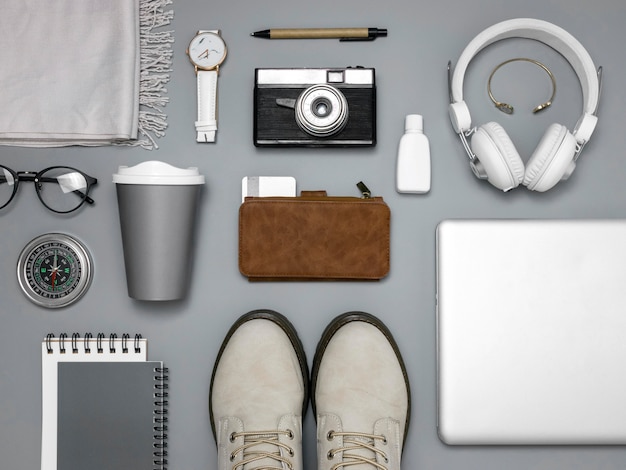
Tech is where bags get heavy fast. Be ruthless. The rule I follow: if a device does not do something my phone cannot do, it does not come. That still leaves room for a few genuinely useful items.
A universal travel adapter is non-negotiable for international travel. Plug types vary across more than 15 standard formats worldwide. Check the plug type for your destination before you leave. A good multi-port USB charger with a universal adapter built in, like those from Anker, eliminates the need for multiple wall chargers. Check the current models and pricing directly on their official website, as availability changes regularly.
A portable power bank is essential, particularly on long travel days with connecting flights. Airlines generally allow power banks in carry-on bags only, with a maximum of 100Wh capacity (roughly 27,000mAh) without airline approval. Check IATA’s dangerous goods regulations at iata.org for the precise limits. Anything above 160Wh is not permitted on passenger aircraft at all.
Chidi’s honest take: “I spent three years traveling with a laptop, a Kindle, and a tablet before I admitted that I only ever used the laptop. Now the Kindle comes, and the tablet stays home. Ruthless editing of your tech is the single biggest weight saving you can make.”
Must pack
- Universal travel adapter for your destination’s plug type
- Power bank under 100Wh for carry-on clearance
- Phone charging cable and a backup
- Noise-cancelling earphones for flights and trains
Nice to have
- Lightweight laptop for work travel or long trips
- E-reader to carry a library without the weight
- Travel router for secure connections in hotels
Money and cards: how should you carry money when traveling internationally?

Never rely on a single card or a single source of cash. Adaeze had her debit card blocked by her Nigerian bank during a trip to Turkey because the bank flagged overseas transactions as suspicious. She had not told them she was traveling. Notify your bank of your travel dates before you leave. It takes two minutes online.
Carry a small amount of local currency in cash for arrival day expenses: airport taxi, sim card, or a first meal. Use fee-free travel cards for daily spending wherever possible. Cards like Wise or Revolut allow you to hold multiple currencies and spend at the mid-market exchange rate. Always verify current fees on their official websites, as these products change regularly.
An RFID-blocking wallet or passport holder is worth considering in crowded tourist areas. Digital pickpocketing of contactless cards does happen in high-traffic markets and transport hubs across Europe. When booking accommodation, Booking.com and Hotels.com both show properties with pay-at-property options, which gives you flexibility if your card situation changes on the ground.
Adaeze’s honest take: “I always carry three things: my main debit card, a Wise card loaded with local currency, and a modest amount of cash split between my wallet and a hidden money belt. If one fails, the other two do not.”
Must pack
- Two payment cards from different networks
- Local currency cash for arrival expenses
- Money belt for backup cash storage
- Digital copies of all card numbers and bank emergency lines
Nice to have
- RFID-blocking wallet for crowded tourist destinations
- Travel-specific debit card with no foreign transaction fees
In-flight comfort and carry-on essentials

A long-haul flight is where smart packing pays off immediately. I once flew Lagos to London in a center seat with no neck pillow, a dead phone, and three layers of regret. These days my personal item bag has a dedicated packing list that stays the same regardless of destination.
Compression socks are underrated and genuinely important on flights over six hours. Deep vein thrombosis (DVT) is a real risk on long-haul routes. The World Health Organization notes that risk roughly doubles on flights over four hours. A pair of lightweight compression socks takes up almost no space and significantly improves circulation during the flight.
For entertainment and noise management, a good pair of noise-canceling earphones transforms any flight. Bring your own, because the ones airlines provide are universally poor. Pack a sleep mask, a small blanket or wrap if the airline does not provide one on economy class, and a refillable water bottle to stay hydrated. Most airports post-security have water refill stations.
Fatima’s honest take: “The single best thing I ever added to my carry-on was a collapsible water bottle.” Staying hydrated on a 10-hour flight is non-negotiable and the airline cups are tiny. Fill up after security. Your skin and your head will thank you on arrival.”
Must pack
- Noise-cancelling earphones or earplugs
- Sleep mask for daytime or overnight flights
- Compression socks for flights over four hours
- Refillable water bottle, empty through security
- Snacks to bridge gaps between meal service
Nice to have
- Travel neck pillow, inflatable to save space
- Lip balm and face mist to combat cabin air dryness
- A light shawl or wrap for cool cabin temperatures
How do you pack light without forgetting anything?
Packing light is a skill that takes a few trips to develop. The strategies below are the ones our team has used consistently across dozens of trips.
Roll, do not fold
Rolling clothes instead of folding them reduces wrinkles and compresses items into a smaller footprint. T-shirts, trousers, and lightweight dresses all roll well. Knitwear and structured blazers fold better to prevent distortion. Use both methods in the same bag depending on the garment type.
Use packing cubes to organize by category
Packing cubes are compression-friendly fabric organizers that divide your bag into sections: tops in one, bottoms in another, underwear and socks in a third. They also speed up unpacking at your hotel enormously. If you book family villas through Vrbo, packing cubes by family member makes shared luggage arrangements much smoother.
Weigh your bag before you leave the house
Most international airlines allow 23 kg for a standard checked bag and 7 to 10 kg for carry-on bags. Domestic and low-cost carriers are often more restrictive. Overweight bag fees from airlines like Ryanair or Air Peace can hit between $50 and $100 per excess kilo. A portable luggage scale costs very little and eliminates guesswork entirely.
Understand carry-on size rules before you fly
IATA publishes recommended carry-on dimensions of 56 x 45 x 25 cm (22 x 17.7 x 9.8 inches), including handles and wheels, but individual airlines set their own limits and some enforce them aggressively at the gate. Always verify your specific airline’s carry-on policy before travel. See the IATA guidelines at iata.org.
Pack your outfit for arrival day on top
Whatever you plan to wear immediately after arriving at your hotel, pack it last so it is first out of the bag. If you have an early check-in booked through Agoda or Expedia, great. If not, you will not have to dig through a full bag in the hotel lobby.
Use a master checklist and review it the night before
A packing checklist reviewed 24 hours before departure gives you time to buy or borrow anything missing. Reviewing it again 30 minutes before you leave the house catches the items you unpacked for last-minute use: charger, phone, glasses, and keys. These are the things that get left behind.
What should you NOT pack when traveling?
Knowing what to leave behind is as important as knowing what to bring. These are the items that consistently add weight, cause problems at security, or simply never get used.
Full-sized toiletry bottles. They are heavy, they leak, and anything over 100ml gets confiscated at security if it is in your carry-on. Transfer essentials to travel-sized containers or buy solid alternatives. For checked bags, use leak-proof bags inside a dedicated toiletry pouch.
More shoes than you need. Shoes are the heaviest single category; most travelers overpack. Two pairs of shoes, worn on the heaviest travel days to avoid packing them, handle the vast majority of trips. A third pair is almost always unnecessary.
Prohibited items. Sharp objects over a certain length, certain self-defense tools, and most flammable goods are restricted or banned on passenger flights. The full list of prohibited items for carry-on and checked bags is published by the TSA at tsa.gov. Check your specific items before packing.
Excessive electronics. That backup tablet you are packing “just in case” will almost certainly stay in the bag unused. Pack only the devices you have a specific, definite plan to use.
Books. Physical books are heavy and take up significant space. An e-reader holds thousands of titles at a fraction of the weight. If you must bring a paper book, bring one and leave it at the destination or in a hostel book exchange when done.
Hotel toiletries you expect to be provided with. Hotels from budget tier upward typically provide shampoo, conditioner, soap, and body wash. Check your property’s amenities on TripAdvisor or on the hotel’s own listing on Booking.com before packing items the property already stocks.
Clothes you only “might” wear. If you are packing something with the thought “maybe if there’s a fancy event,” leave it. Trips rarely produce the hypothetical scenarios overpacking tries to prepare for. Pack for what you know you will do, not for imagined situations.
Frequently asked questions
Should I use a carry-on bag or a checked bag?
Carry-on only is faster, cheaper, and less risky. You skip baggage fees, avoid waiting at arrival carousels, and never lose your luggage to an airline error. For trips of up to two weeks, most travelers can manage with a 20 to 40 liter carry-on bag and a personal item. Checked bags make sense for trips over three weeks, for travel with specialized equipment like diving or hiking gear, or for families with young children who need more supplies.
What are the TSA liquids rules for carry-on bags?
The TSA 3-1-1 rule applies to all carry-on bags on flights departing from or arriving in the United States, and most countries apply similar rules. Each liquid container must be 100ml (3.4 oz) or less. All containers must fit in a single clear, resealable 1-liter plastic bag. One bag per passenger. This includes water, perfume, shampoo, creams, gels, and even peanut butter. Solid toiletries such as shampoo bars, solid deodorant, and solid sunscreen are not classified as liquids and bypass this restriction. See the full TSA rules at tsa.gov.
How do I pack for a trip that covers multiple climates?
Layering is the answer. Build your wardrobe around a core of neutral, mixable pieces and add a thin base layer, a mid-layer fleece, and a lightweight outer shell that compresses small. A merino wool base layer works from Scandinavian winters to desert evenings and resists odor so you can re-wear it without washing. Pack the heaviest or bulkiest items on your body rather than in your bag on travel days.
What should I leave at home no matter what?
Leave behind items that are cheap to replace at your destination (large bottles of shampoo and full-sized sunscreen); items that serve hypothetical scenarios rather than definite plans (formal wear “just in case”); multiple heavy tech devices that overlap in function; and anything prohibited by the airline or destination country. Check your airline’s prohibited items list and the TSA or IATA guidelines for confirmation before packing anything you are uncertain about.
How do I pack efficiently for a long trip of four weeks or more?
For long trips, quick-dry fabrics and access to laundry facilities become the central strategy. Pack a travel-sized packet of laundry detergent sheets and plan on washing clothes every five to seven days. This means you can still travel with a relatively small bag even for a month-long trip. Packing cubes help separate clean and worn items throughout the trip. For extended stays, booking apartments or villas with kitchen access through Vrbo often includes laundry facilities.
What is the best way to remember everything when packing?
Build a master packing list once and save it somewhere accessible, such as Google Keep or Notion. Review it 24 hours before departure so you have time to buy anything you are missing. Do a final check 30 minutes before leaving home for the items most commonly left behind: phone, charger, passport, glasses, and any medication. The 24-hour buffer is what separates calm departures from chaotic ones.
Can I pack my power bank in my checked luggage?
No. Lithium battery power banks must be carried in carry-on bags only on passenger aircraft. They are prohibited in checked luggage because of fire risk in the cargo hold. IATA limits power banks in carry-ons to 100Wh without approval and up to 160Wh with airline approval. Anything above 160Wh is not permitted on passenger flights at all. Always check the specific watt-hour rating printed on your power bank and verify with your airline’s policy. Full IATA guidelines are at iata.org.
Plan your trip: booking platforms we trust
The WakaAbuja team has used every platform listed here on actual trips. We recommend them because they offer competitive prices, reliable customer service, and booking flexibility that matters when travel plans change. Use the one that fits your specific need rather than defaulting to a single platform for everything.
Best for global hotel search with free cancellation options
Best for hotel deals across Asian destinations
Best for bundled flight and hotel packages
Best for comparing flight prices across multiple airlines
Best for family vacation rentals and villas with full kitchens
Best for loyalty program rewards and repeat hotel bookings
Best for booking tours, activities, and skip-the-line experiences
Best for reading verified reviews and finding local restaurants
If you are still planning your flights, our guide to the cheapest flights to Europe from Nigeria has helped thousands of WakaAbuja readers save significantly on airfare. Once your bag is packed, the destination is the easy part.