Denali National Park, Alaska: What to Know Before You Go
Fact-Checked By: Maya Whitfield, Senior Travel Editor at WakaAbuja — Senior Travel Editor at WakaAbuja
Quick answer:
Denali National Park charges a $15 entrance fee per person, valid for seven days (confirm the latest price directly with the operator). Most visitors access the park via shuttle or tour buses along the 92-mile Denali Park Road from late May to mid-September, with round-trip transit fares ranging $33 to $73 depending on destination (check current rates on the official site). Plan 2 to 4 days minimum for a meaningful visit, with lodging in Healy or Talkeetna averaging $110 to $230 per night (verify current prices on Booking.com).
Denali isn’t a park you drive through. It’s a park you earn access to. One road, one entrance, and a bus system most first-timers don’t fully understand until they’re already standing at the depot watching their preferred departure sell out.
This guide cuts through the confusion with real costs, actual bus schedules, and a 3-day itinerary that works whether you’re chasing the Big Five wildlife or just trying to see the mountain without booking a $500 flightseeing tour.
Jump to: How to get into the park | Real cost breakdown | Best time to visit | Itinerary by trip length | Where to stay | Backcountry permits | Mistakes to avoid | FAQ
Key takeaways
- Entrance fee is $15 per person, valid for seven consecutive days, with children 15 and under entering free (confirm the latest price directly with the operator).
- Private vehicles can drive only to Mile 15 (Savage River) on the Denali Park Road. Beyond that, access requires shuttle buses, tour buses, or a limited private vehicle lottery permit (verify current road access rules on the NPS website).
- Transit bus fares range from $33 to $73 round-trip depending on destination, with children 15 and under riding free on all non-narrated buses (check current rates on the official site).
- Narrated tour buses (Natural History Tour and Tundra Wilderness Tour) cost $116.75 and $144.75, respectively, for adults and include the $15 park entrance fee in the ticket price (confirm the latest price directly with the operator).
- The best time to visit is late May through mid-September, with June and July offering the warmest weather and longest daylight, while August and September bring fall colors and fewer crowds (verify seasonal road closures with the NPS).
- Backcountry permits are free but must be obtained in person at the Backcountry Information Center no more than one day before your trip starts (check permit procedures on the official NPS site).
- Flightseeing tours from Talkeetna or the park entrance range from $305 to $640 per person depending on route and whether you include a glacier landing (confirm the latest price directly with the operator).
How do you actually get into Denali National Park?
Denali has one entrance, located on the George Parks Highway at Riley Creek. There’s no gate, no booth, and no one checking passes as you drive in. You pay your $15 entrance fee at the visitor center, campground, or online, and it’s valid for seven consecutive days (confirm the latest price directly with the operator). The real access question isn’t the entrance. It’s how far you can go once you’re inside.
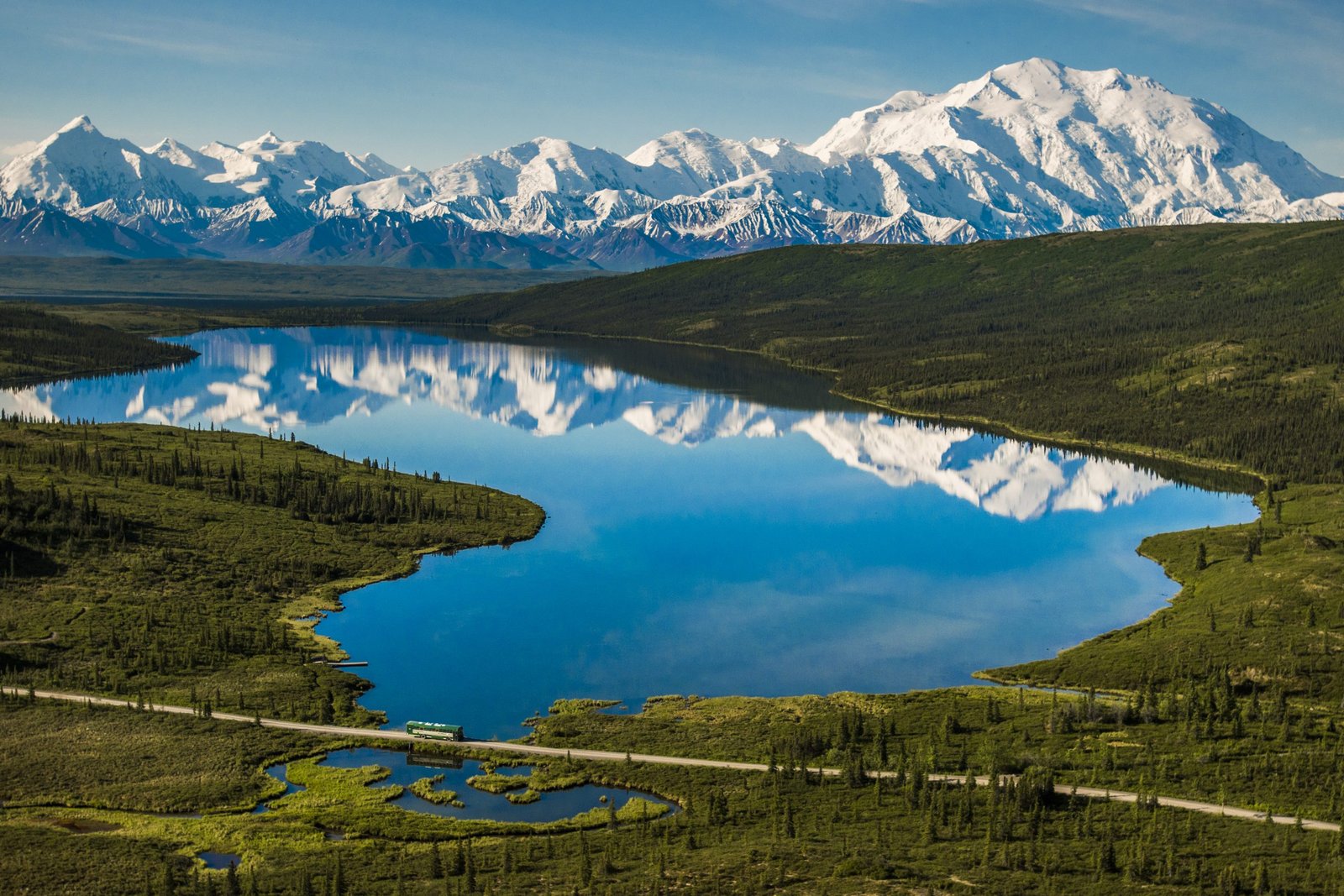
Private vehicles can drive only as far as Mile 15, the Savage River campground and day-use area. Beyond that point, the Denali Park Road is closed to most private traffic to protect wildlife and reduce congestion. Your options for going deeper are three: non-narrated transit buses, narrated tour buses, or a limited private vehicle lottery permit that allows day-use driving to Mile 30 or Mile 43 on select dates (verify current lottery rules on the NPS website).
Transit buses are the workhorse option for independent travelers. They’re non-narrated, make frequent stops for hiking and wildlife viewing, and cost $33 to $73 round-trip depending on how far you go (check current rates on the official site). The furthest point accessible by transit bus in 2026 is Toklat River at Mile 53, due to ongoing road damage from landslides and permafrost melt beyond that point (confirm current road status with the NPS).
Maya’s honest take: “Book your bus tickets as early as possible, especially for July and August. The Toklat River route sells out days in advance during peak season, and you can’t just show up and expect a seat. Transit buses are first-come, first-served, but they do sell out.”
Transit bus vs. tour bus: which one?
- Transit buses are non-narrated, cheaper ($33 to $73 round-trip), and designed for hikers and independent explorers who want to get off and on at will (verify current fares on the NPS site).
- Tour buses are narrated, more expensive ($116.75 to $144.75), and include the park entrance fee in the ticket price (confirm the latest price directly with the operator).
- Both use the same green buses and travel the same road, but tour buses make fewer stops and prioritize wildlife viewing and commentary over hiking access (check tour descriptions on the official site).
Private vehicle lottery permits
- Limited lottery permits allow private vehicles to drive to Mile 30 (Sanctuary River) or Mile 43 (Igloo Creek) on select dates (verify lottery dates on the NPS website).
- Permits are issued through an online lottery system months in advance, with a small application fee (confirm current lottery procedures and fees on the official site).
- Winners must follow strict rules: no stopping except at designated pullouts, no hiking beyond the road corridor, and mandatory check-in at the visitor center (check permit conditions with the NPS).
What does a Denali trip actually cost this year?
Most guides mention the $15 entrance fee and stop there, but a realistic budget requires stacking bus fares, lodging, optional flightseeing, and food. Here is a transparent, itemized breakdown for three common trip styles, all based on current pricing from the NPS and booking platforms (verify all figures with official sources before booking).
Budget 3-day trip (transit bus, camping)
- Park entrance fee: $15 per person, valid seven days (confirm the latest price directly with the operator).
- Transit bus to Toklat River (Mile 53) round-trip: $73 per adult, children 15 and under ride free (check current rates on the official site).
- Camping at Riley Creek or Savage River: $24 per night per site (verify current campground fees on the NPS website).
- Food and supplies: $20 to $40 per day if cooking your own meals (confirm grocery prices in Healy with local stores).
- Total estimated range for 3 days: $180 to $250 per person excluding travel to Alaska (check current rates on the official site).
Mid-range 4-day trip (tour bus, hotel)
- Park entrance fee: $15 per person, valid seven days (confirm the latest price directly with the operator).
- Tundra Wilderness Tour (Mile 43 to Toklat): $144.75 per adult, includes entrance fee (check current rates on the official site).
- Hotel in Healy or Talkeetna: $110 to $180 per night, 3 nights = $330 to $540 (verify current prices on Booking.com).
- Meals at restaurants: $30 to $60 per day, 4 days = $120 to $240 (confirm restaurant prices with TripAdvisor).
- Total estimated range for 4 days: $610 to $940 per person excluding travel to Alaska (check current rates on the official site).
Premium 5-day trip (flightseeing, lodge)
- Park entrance fee: $15 per person, valid seven days (confirm the latest price directly with the operator).
- Flightseeing tour from Talkeetna (Denali Experience or Grand Tour): $305 to $575 per person (check current rates on the official site).
- Lodge accommodation in or near the park: $170 to $230 per night, 4 nights = $680 to $920 (verify current prices on Expedia).
- Meals and additional activities (dog sledding, rafting): $50 to $100 per day, 5 days = $250 to $500 (confirm activity prices with GetYourGuide).
- Total estimated range for 5 days: $1,250 to $2,010 per person excluding travel to Alaska (check current rates on the official site).
Maya’s honest take: “The flightseeing tour is expensive, but if your goal is to actually see Denali’s summit, it’s the only reliable way. The mountain is shrouded in clouds roughly 70 percent of the summer, and ground-level views from the bus are often just… lower slopes. A glacier landing tour gives you the best odds of a memorable summit view.”
When is the best time to visit Denali National Park?
Denali’s visitor season runs from late May to mid-September, when all bus services, campgrounds, and visitor facilities are operating. The park is technically open year-round, but winter access is limited to skiing, dog mushing, and extreme cold-weather camping with no services available (verify winter access rules on the NPS website). For most first-time visitors, the sweet spot is June through early September.
June offers the longest daylight hours (up to 22 hours near the solstice), comfortable temperatures in the mid-50s to mid-60s°F (12 to 18°C), and active wildlife emerging from winter ranges (verify wildlife patterns with the NPS). July is the warmest month, with highs occasionally reaching the upper 60s to low 70s°F (around 20°C), but also the peak of visitor crowds and bus ticket competition (check crowd calendars with tour operators). August brings slightly cooler temperatures, fewer crowds after mid-month, and the beginning of fall colors at higher elevations (confirm foliage timing with the NPS).
Maya’s honest take: “If you can flex your dates, aim for the first two weeks of June or the last two weeks of August. You’ll get decent weather, active wildlife, and significantly fewer people fighting for bus seats and campground sites than in July.”
Best for wildlife and weather
- June for long daylight, active wildlife, and fewer crowds than July (verify wildlife viewing patterns with the NPS).
- July for the warmest temperatures and full access to all bus routes and facilities (confirm bus schedules on the official site).
- Early August for a balance of good weather, active bears feeding on berries, and thinning crowds (check seasonal wildlife activity with tour operators).
Worth considering for fall colors and solitude
- Late August to early September for tundra foliage turning red and gold, cooler temperatures, and fewer visitors (verify fall color timing with the NPS).
- Mid-September for maximum solitude and potential northern lights viewing, accepting colder nights and reduced bus service (check seasonal road closures on the official site).
- Late May for snow-dusted landscapes, easier animal spotting against white hillsides, and lower lodging rates (confirm early-season bus start dates with the NPS).
What should you do in Denali based on how long you have?
Your Denali itinerary depends less on what you want to see and more on how much time you’ve allocated. One day gets you a taste of the road and maybe a glimpse of the mountain. Three days lets you reach Toklat River and do serious hiking. A week opens up backcountry permits, multiple bus routes, and flightseeing options without feeling rushed (verify current bus schedules and trail conditions with the NPS).
1-day itinerary: the essentials
- Morning: Arrive at the visitor center, watch the park film, pay your $15 entrance fee (confirm the latest price directly with the operator).
- Midday: Take the Natural History Tour to Mile 43 (approximately 4.5 hours round-trip, $116.75 including entrance fee) for narrated wildlife viewing and mountain vistas (check current tour schedules on the official site).
- Afternoon: Hike the Mount Healy Overlook Trail (5.5 miles round-trip, 2,700 feet elevation gain) for panoramic views of the Alaska Range (verify trail conditions with the NPS).
- Evening: Dinner in Healy or Talkeetna, browse local shops and visitor center exhibits (confirm restaurant hours with TripAdvisor).
3-day itinerary: the sweet spot
- Day 1: Arrive, settle into lodging, take a short hike on the Savage River Loop Trail (2.2 miles, easy) to acclimate (verify trail maps at the visitor center).
- Day 2: Full-day transit bus to Toklat River (Mile 53, 8 to 10 hours round-trip, $73 per adult), with multiple hiking stops and wildlife viewing (check current bus departure times on the NPS site).
- Day 3: Morning flightseeing tour from Talkeetna (1 to 1.5 hours, $305 to $575 depending on route), afternoon visit to the Denali Dog Sledding Museum or rafting on the Nenana River (confirm tour availability with GetYourGuide).
7-day itinerary: deep immersion
- Days 1-2: Arrive, explore visitor center, hike Mount Healy Overlook, take the Tundra Wilderness Tour to Mile 43 (verify tour schedules on the official site).
- Days 3-5: Obtain backcountry permit at the Backcountry Information Center, take camper bus to your assigned unit, spend 3 nights backpacking with bear-resistant food containers (confirm permit procedures and BRFC requirements with the NPS).
- Day 6: Rest day in Healy or Talkeetna, visit local attractions, recover from backcountry hiking (check local attraction hours with TripAdvisor).
- Day 7: Flightseeing tour with glacier landing (1.5 to 2 hours, $435 to $640), farewell dinner, depart (confirm flightseeing schedules with K2 Aviation or Denali Air).
Where should you stay when visiting Denali?
Lodging options cluster in three zones: inside the park at campgrounds and a few lodges, in Healy (15 minutes north of the entrance), and in Talkeetna (about 90 minutes south on the Parks Highway). Each has trade-offs in cost, convenience, and atmosphere (verify current availability and prices on booking platforms).
Inside the park, campgrounds like Riley Creek, Savage River, and Wonder Lake offer the most immersive experience, with nightly fees around $24 per site (confirm current campground fees on the NPS website). A handful of lodges operate near the entrance, but they book out months in advance and command premium rates (check lodge availability on Expedia). Healy is the practical base for most visitors, with motels, cabins, and campgrounds ranging from $110 to $180 per night (verify current prices on Booking.com). Talkeetna is better suited for visitors combining Denali with flightseeing tours or south-central Alaska itineraries, with similar lodging costs but a longer daily commute to the park entrance (confirm drive times with Google Maps).
Maya’s honest take: “Stay in Healy unless you have a specific reason to be in Talkeetna. You’ll save 3 hours of daily driving, have easier access to early-morning bus departures, and find more dining options within a 10-minute radius. Talkeetna is charming, but it’s a commuter town for Denali, not a base.”
Best lodging options by budget
- Budget: Riley Creek Campground ($24 per night) or Aurora Denali Lodge in Healy (from $119 per night, verify current prices on Booking.com).
- Mid-range: Denali Park Village (from $170 per night) or Talkeetna Chalet (from $224 per night, check current rates on Expedia).
- Premium: Lodge Suites at Susitna River Lodge in Talkeetna (from $194 per night) or Denali Overlook Inn (from $217 per night, confirm availability on Hotels.com).
Booking tips for Denali lodging
- Book 3 to 6 months in advance for July and August stays, especially for properties in or near the park (verify booking windows with individual lodges).
- Use Booking.com or Expedia to compare prices and read recent guest reviews (check cancellation policies before booking).
- Consider cabins or vacation rentals in Healy for groups or families needing kitchen facilities (verify rental availability on Vrbo).
How do you get a backcountry permit in Denali?
Denali’s backcountry is one of the last true wilderness experiences in North America, with no trails, no marked campsites, and no cell service. Overnight backpacking requires a free permit obtained in person at the Backcountry Information Center, no more than one day before your trip starts (verify current permit procedures on the NPS website). The system is designed to limit impact while preserving the park’s wild character.
The permit process starts at the Backcountry Information Center near the bus depot. All party members must watch a 30-minute safety video, attend a 5 to 10-minute ranger briefing, and mark wildlife closures on your map before receiving your assigned camping units (confirm orientation requirements with the NPS). Permits specify which backcountry units you must camp in each night, with nightly quotas typically ranging from 6 to 12 people per unit depending on size and sensitivity (verify unit quotas on the official site). Bear-resistant food containers are mandatory from April 15 through September 30, and you can either bring your own approved container or check one out from the NPS at no extra cost (confirm BRFC requirements with the Backcountry Information Center).
Maya’s honest take: “Show up early, ideally right when the Backcountry Information Center opens. Popular units near Toklat River and the Polychrome Pass area fill up first, and you want first pick of the availability board. Have a flexible itinerary with 2 or 3 backup unit options in case your first choice is full.”
Backcountry permit requirements
- All party members must be present in person at the Backcountry Information Center (verify location and hours on the NPS website).
- Permits are issued no more than one day before your trip start date, with no advance reservations available (confirm permit timing rules with the NPS).
- Bear-resistant food containers are required from April 15 to September 30 for all overnight trips (check BRFC specifications on the official site).
- Maximum stay is 7 consecutive nights in a single backcountry unit (verify stay limits with the Backcountry Information Center).
Camper bus tickets
- After obtaining your permit, purchase a camper bus ticket to your assigned unit at the Denali Bus Depot (verify bus schedules on the NPS website).
- Camper bus tickets must be bought at least 15 minutes before scheduled departure (confirm ticket purchase deadlines with the bus depot).
- Bus fares to backcountry units range from $33 to $73 depending on destination, with children 15 and under riding free (check current fares on the official site).
- Return bus times are flexible within the operating season, but confirm your intended return date with the ranger during your orientation (verify return bus procedures with the NPS).
What mistakes do first-time Denali visitors make?
After reviewing trip reports, talking with rangers, and analyzing common pain points, a clear pattern emerges: most first-timer mistakes cluster around transportation, timing, and underestimating the park’s scale. Here are the seven most common pitfalls and how to avoid them.
- Assuming you can drive through the park. Private vehicles can only go to Mile 15 (Savage River). If you want to see the interior, you must book a bus ticket in advance (verify current road access rules on the NPS website).
- Waiting to book bus tickets until arrival. Toklat River and other popular routes sell out days ahead in July and August. Book online as soon as your dates are firm (check bus availability on the official site).
- Underestimating travel time to the park. Denali is 4 hours by car from Anchorage and 2.5 hours from Fairbanks. Plan to arrive the day before your first bus departure to avoid stress (verify drive times with Google Maps).
- Packing only for warm weather. Summer temperatures range from the 30s to the 70s°F (around 0 to 25°C), and snow is possible any month of the year at higher elevations (check weather forecasts with the National Weather Service).
- Expecting guaranteed mountain views from the ground. Denali’s summit is visible only about 30 percent of summer days due to cloud cover. If seeing the peak is critical, budget for a flightseeing tour (confirm flightseeing odds with tour operators).
- Not bringing bear spray and knowing how to use it. Grizzly bears are active throughout the park, and proper food storage in bear-resistant containers is mandatory (verify bear safety guidelines with the NPS).
- Planning only one day in the park. One day gets you a taste, but Denali rewards visitors who allocate at least 3 days for bus travel, hiking, and weather contingencies (check recommended visit lengths on the official site).
Maya’s honest take: “The cloud-cover statistic is the biggest expectation reset. I’ve talked to people who spent $2,000 getting to Alaska, booked the longest bus route, and never saw more than the lower slopes because the summit was socked in. If the mountain itself is your white whale, the flightseeing tour is worth every penny for the 70 percent better odds of a clear view.”
Frequently asked questions
How much does it cost to enter Denali National Park?
The entrance fee is $15 per person, valid for seven consecutive days, with children 15 and under entering free (confirm the latest price directly with the operator). An annual pass for Denali only costs $45, and the America the Beautiful Annual Pass ($80) covers entrance to all national parks (verify current pass prices on the NPS website).
Can you drive your own car into Denali National Park?
Private vehicles can drive only to Mile 15 (Savage River) on the Denali Park Road. Beyond that, access requires shuttle buses, tour buses, or a limited private vehicle lottery permit for specific dates (verify current road access rules on the NPS website). The lottery permit allows day-use driving to Mile 30 or Mile 43 but has strict no-stopping rules (check lottery procedures on the official site).
What is the best month to visit Denali National Park?
June through early September offers the best combination of weather, wildlife activity, and facility access (verify seasonal schedules on the NPS website). June has the longest daylight and fewer crowds, July is the warmest but busiest, and late August to early September brings fall colors and thinner crowds (check monthly weather patterns with the National Weather Service).
Do you need a permit to hike in Denali?
Day hiking does not require a permit. Overnight backcountry camping requires a free permit obtained in person at the Backcountry Information Center no more than one day before your trip (verify permit procedures on the NPS website). All party members must attend a safety orientation and receive bear-resistant food containers for trips between April 15 and September 30 (confirm BRFC requirements with the Backcountry Information Center).
How do you see Denali’s summit?
The summit is visible from the ground only about 30 percent of summer days due to cloud cover (verify visibility statistics with the NPS). Flightseeing tours from Talkeetna or the park entrance offer significantly better odds of a clear summit view, with routes ranging from $305 to $640 per person (confirm flightseeing prices and availability with K2 Aviation or Denali Air).
What wildlife can you see in Denali?
Denali’s “Big Five” includes grizzly bears, Dall sheep, caribou, moose, and wolves, all of which can be seen from the Park Road with patience and luck (verify wildlife viewing tips on the NPS website). Other common sightings include hoary marmots, Arctic ground squirrels, ptarmigans, and various raptors (check seasonal wildlife activity with tour operators). Always maintain a safe distance of at least 300 yards from bears and wolves, and 25 yards from other large animals (confirm wildlife distance regulations with the NPS).
Is Denali National Park worth visiting?
Yes, if you value true wilderness, wildlife viewing, and world-class hiking over paved roads and developed attractions (verify park highlights on the NPS website). Denali offers one of the last roadless backcountry experiences in North America, with six million acres of protected land and North America’s tallest peak (check park statistics on the official site). Plan at least 3 days, book bus tickets early, and manage expectations about summit visibility for the best experience (confirm recommended visit lengths with tour operators).
Plan your trip: booking platforms we trust
I’ve tested these platforms across dozens of trips for reliability, customer support, and real inventory. They’re not all right for every situation, but each one solves a specific problem better than the alternatives.
Booking.com
Widest selection of Healy and Talkeetna hotels with free cancellation on most properties.
Expedia
Flight and hotel packages for Anchorage or Fairbanks connections to Denali.
GetYourGuide
Verified Denali activities including dog sledding, rafting, and shuttle transfers with instant confirmation.
TripAdvisor
Real traveler reviews for restaurants, lodges, and tour operators in Healy and Talkeetna.
Hotels.com
Loyalty rewards program for repeat travelers booking Denali-area accommodations.
Vrbo
Vacation rentals and cabins in Healy for families or groups needing kitchen facilities.
More Alaska and national park travel guides
If you’re planning a broader Alaska trip or need more destination-specific advice, these guides cover the next steps in your itinerary.
- Hotels in Alaska and national park gateway towns — budget to luxury accommodation guides with verified prices.
- Best things to do in Alaska — from Anchorage museums to Kenai Fjords boat tours.
- Travel planning guides — itineraries, packing lists, and logistics for national park trips.
- How to find cheap flights to Alaska — fare comparison strategies and booking timing tips.
WakaAbuja does its best to keep all information accurate at the time of publishing. Prices, policies, and availability change regularly. Always verify with official sources before you travel. We are not liable for errors caused by outdated information. Travel insurance is strongly recommended.