
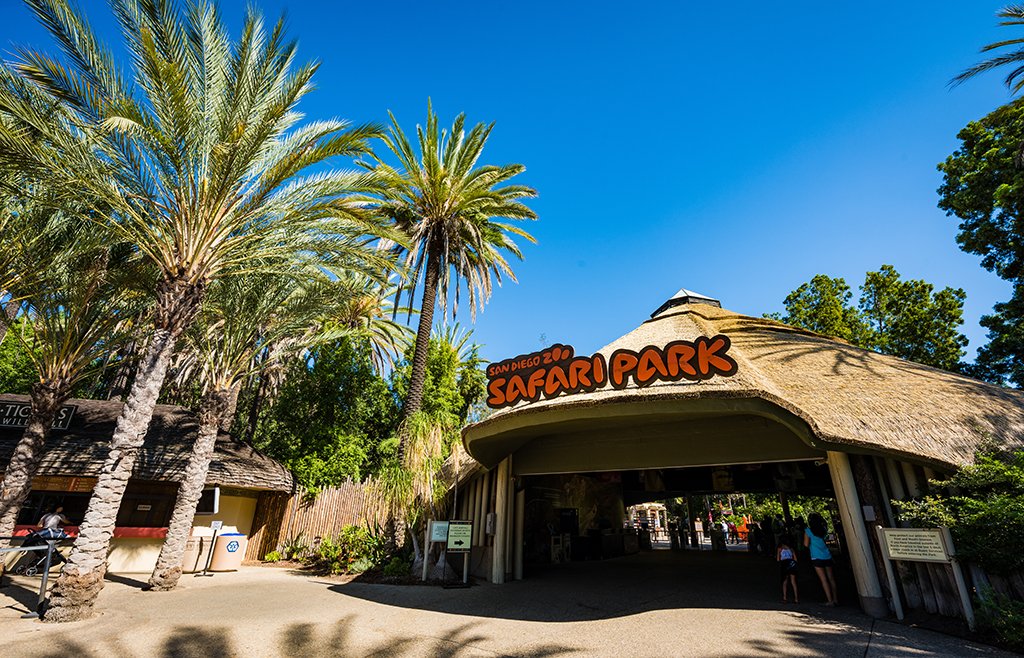
advertisement
A family of four will spend roughly $280 to $450 for a full day at the San Diego Safari Park, including parking, gate tickets, one shared safari upgrade, and food. Arrive 20 minutes before the gates open, hit the Africa Tram by 9:30 AM while the large mammals are still active, and target October or March for a visit that dodges both the summer scorch and the peak crowds.
I am Cole, and I have a membership card that has survived three San Diego summers. Fatima, our logistics editor, let her card lapse and had to buy a day pass this past March, so we have fresh receipts from both sides of the ticket booth. We sat down and rebuilt our actual spending, the route we walked, and the mistakes we made when we ignored the Escondido heat forecast. This is the plan we wish we had printed out the first time.
Jump to: Real Cost | Ticket vs Pass Comparison | Best Time to Go | Hour-by-Hour Plan | Active Animal Timing | FAQ
Key takeaways
- Gate price for an adult 1-Day Pass is typically $72, but you can reliably shave $8 off by booking online through a verified discount portal.
- If you visit more than two times in a calendar year, a Wildlife Protector membership pays for itself and unlocks free parking.
- The Africa Tram line becomes a 45-minute standstill by 11 AM; ride it before 10 AM or accept the wait.
- Escondido runs 10 to 15 degrees Fahrenheit hotter than coastal San Diego; check the correct zip code weather, not the beach forecast.
- You will walk 4 to 6 miles on pavement and unpaved trails; broken-in walking shoes are non-negotiable.
- Do not schedule the zoo and the safari park on back-to-back days; you will lose a full morning to exhaustion and regret.
Is the safari park worth it?
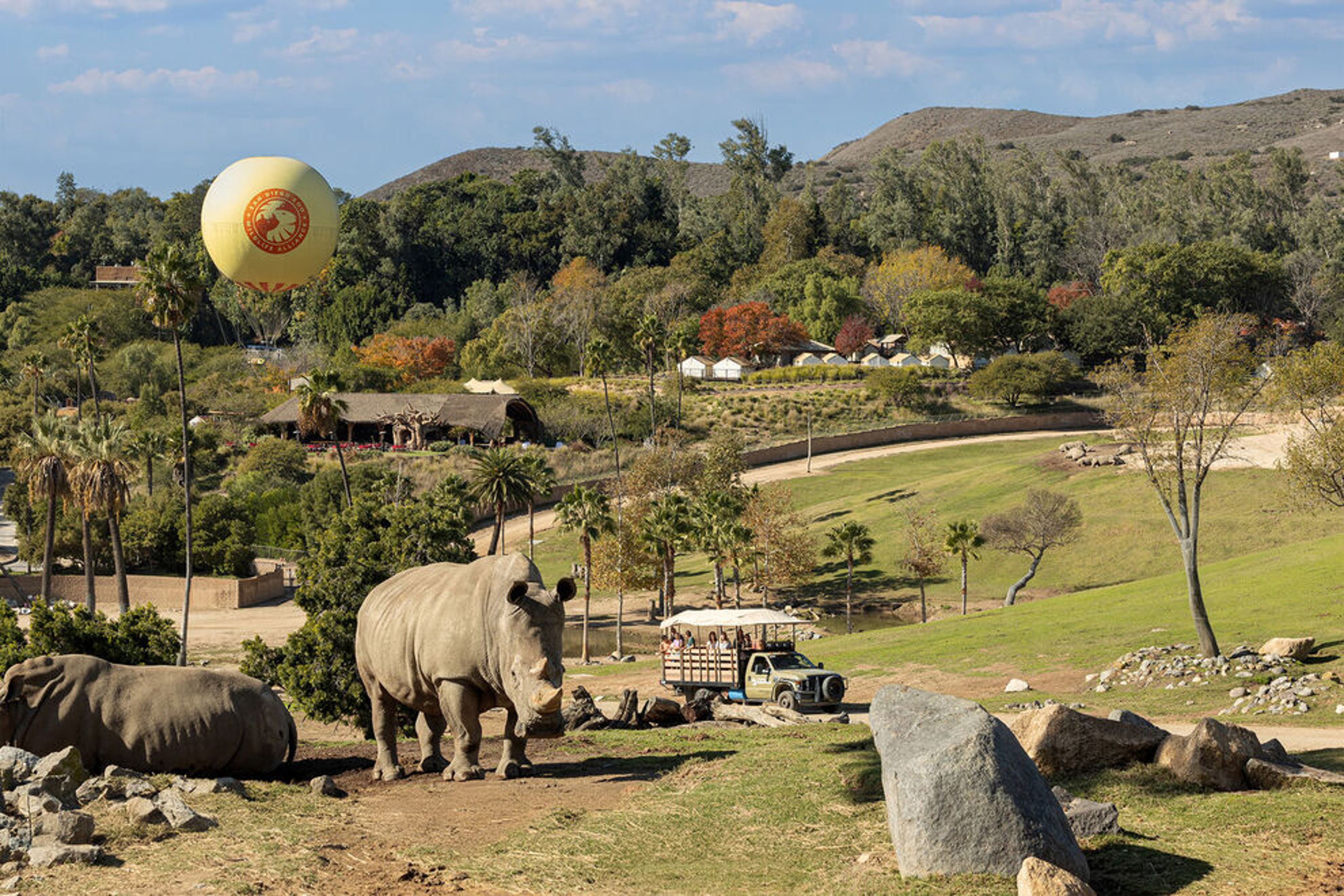
Yes, with a specific condition. The Safari Park is worth a full day if you treat it as a walking safari experience rather than a zoo. The 1,800-acre layout means animals like rhinos and giraffes roam in massive field enclosures visible from a tram, not glass boxes. You see herd dynamics, not just individual animals. If you are expecting a compact loop where you tick off lions and elephants in 90 minutes, you have the wrong park in mind.
The financial value proposition is stronger than the Zoo for someone who wants a quieter, more expansive experience. I spend more time per dollar at the Safari Park because the walking trails are spread out, and there is rarely a shoulder-to-shoulder crush except at the tram queue. Fatima argues the zoo is better for first-timers who want dense variety; I think the Safari Park is better for anyone who hates feeling rushed. Both of us are right depending on what you value.
@themeparkmom Spent the day exploring the San Diego Zoo Safari Park and learned so much! Conservation, adventure, and wild moments all in one place — unforgettable! #SanDiegoZooSafariPark #WildlifeConservation #LearnThroughAdventure #SafariExperience #AnimalFacts #FamilyTravel #ZooEducation #CaliforniaAdventures #BucketListTrip #SoCalSafari #creatorsearchinsights
Cole’s honest take: “I watched a 4-year-old lose his mind over a butterfly landing on his stroller in the Hidden Jungle habitat. His parents had paid $300 for the day, and that moment made the whole cost irrelevant. The Safari Park delivers moments like that if you slow down.”
What a day at the safari park actually costs
The gate ticket is just the entry fee. The real cost of the day piles up fast once you add parking, a tram upgrade, and food for a group. We pulled our actual receipts from a March visit to give you the line-by-line breakdown. These numbers assume you book standard 1-Day Passes online, not at the gate, and that you pack one refillable water bottle per person.
Solo visitor
- Parking: $20
- 1-Day Pass (online): $72
- Lunch and a snack: $25
- Total: roughly $117
Couple
- Parking: $20
- 2 x 1-Day Pass (online): $144
- Lunch and drinks for two: $50
- Total: roughly $214
Family of four
- Parking: $20
- 2 adult, 2 child passes: $232
- Lunch and snacks: $85
- One Wildlife Safari upgrade: $70
- Total: roughly $407
A single cart tour or wildlife safari upgrade adds $55 to $110 per person depending on the experience you pick. If you plan to book one, pad your budget accordingly. The cheapest full-family day with zero upgrades and packed sandwiches can land around $250, but that is the floor, not the average. For current tour pricing, always verify on the official park website before booking, as seasonal surcharges apply.
Tickets vs. City Passes vs. Membership: Which Should You Buy?
This decision hinges entirely on your trip structure. A 1-Day Pass bought through a verified discount portal is the best option for a single visit. If you are spending a full week in San Diego and plan to hit multiple attractions, the Go City All-Inclusive Pass or the San Diego CityPASS can compress the per-attraction cost significantly, but only if you actually use the other included venues. Fatima bought a Go City pass last spring and ended up saving $40 across three attractions, including the Safari Park, but she had to plan her days around the pass validity window.
The membership math is the hidden win. A mid-tier Wildlife Protector membership costs roughly $120 per adult and includes unlimited visits plus free parking. If you live within driving distance or are visiting San Diego twice in a 12-month window, you break even on visit number two. The free parking alone, at $20 per visit, accelerates the payback. We recommend running the numbers on the official membership page, but for any multi-visit scenario, the pass is almost always the wrong choice compared to a membership.
Best for a single visit
- 1-Day Pass with online discount: Lowest upfront cost, book via GetYourGuide for easy cancellation.
- Do not pay gate price. The walk-up rate is always higher than the pre-booked digital ticket.
Best for multi-attraction weeks
- Go City Explorer Pass: Pick a set number of attractions, good for a tight plan.
- CityPASS: Includes the zoo or safari park plus other fixed venues; less flexible but simpler.
What is the best time of year to visit the safari park?
The single most useful piece of local knowledge you need is that the Safari Park sits in Escondido, not coastal San Diego. The temperature gap is real and punishing. When the beach reads 75 degrees and pleasant, the park can be 90 degrees and baking. I made the mistake of wearing jeans in late April and spent the whole afternoon buying overpriced water because I had checked the wrong city forecast. Check the weather for zip code 92027 specifically.
March and October are the Goldilocks windows. Morning temps start cool enough that the large mammals are active, and midday highs rarely push past the low 80s. The spring Butterfly Jungle event, usually running mid-March through early May, adds a genuinely beautiful exhibit inside the Hidden Jungle aviary, but it also brings school groups and weekend lines. Winter months, especially January and February, deliver empty trails and active animals, though you risk the occasional rain closure on the cart safaris.
Best windows to visit
- March to early May: Butterfly Jungle, cool mornings, manageable crowds on weekdays.
- October: Post-summer heat break, Halloween programming for kids, thin crowds.
- January to February: Coldest but emptiest; animals are active all day without heat naps.
Tricky windows to plan around
- Late June to early September: Heat peaks, large animals hide in shade by 11 AM, and the tram line feels brutal.
- Holiday weekends: Parking lots fill by 10:30 AM; arrive before opening or risk the overflow lot.
If summer is your only window, commit to arriving at the gate open and front-loading every outdoor animal exhibit before 11 AM. After lunch, retreat to the air-conditioned areas like the Hidden Jungle or the Nairobi Village shops, or take the tram and accept that most animals will be lying down in shade. A summer visit is still better than no visit; you just need to respect the inland heat the way locals do.
Your hour-by-hour Safari Park day plan
This sequence assumes a standard 9 AM opening and is built on three actual visits, two of which went smoothly and one of which involved a 40-minute tram wait I will never get back. The goal is to see the big-ticket animals while they are actually moving, eat lunch without a line, and finish the walking trails before your feet give out.
8:40 AM: Arrive and park
Gates to the parking lot open before the park itself. Park as close to the entrance as you can. Use the restroom now, not after you scan your ticket.
9:00 AM: Straight to Walkabout Australia
The platypus exhibit is quiet and climate-controlled at this hour. You can stand at the glass for five minutes without anyone jostling you.
9:30 AM: Africa Tram, right side
Walk directly to the tram queue. Board on the right-hand side of the vehicle for the best sightline to the southern white rhinos and the giraffe herd.
11:00 AM: Tiger Trail and Nairobi Village
Sumatran tigers tend to pace in the morning. The keeper talk schedule varies, but mid-morning is your best shot at seeing one up close.
12:15 PM: Early lunch
Eat before noon or after 1:30 PM. The Watering Hole at the main plaza gets slammed right at 12:00. We pack granola bars and buy one hot item to split.
1:30 PM: Hidden Jungle and air-conditioned exhibits
Midday heat hits hardest here. The Hidden Jungle aviary is shaded and full of butterflies in spring. The reptile house is also cooled.
2:30 PM: African Plains walking trail
The elevated overlook gives you a second angle on the savanna enclosures you saw from the tram. This is where the giraffe photos actually look good.
3:30 PM: Condor Ridge and exit
California condors are active in late afternoon. The walk back to the entrance passes the gift shop and a final water refill station.
Fatima’s honest take: “I ignored the ‘arrive early’ advice and rolled in at 11 AM on a Saturday. The tram wait was 55 minutes, and my kids were already sweating. We saw half the park and bought three $7 Gatorades. Do not be me.”
When are the animals actually active?
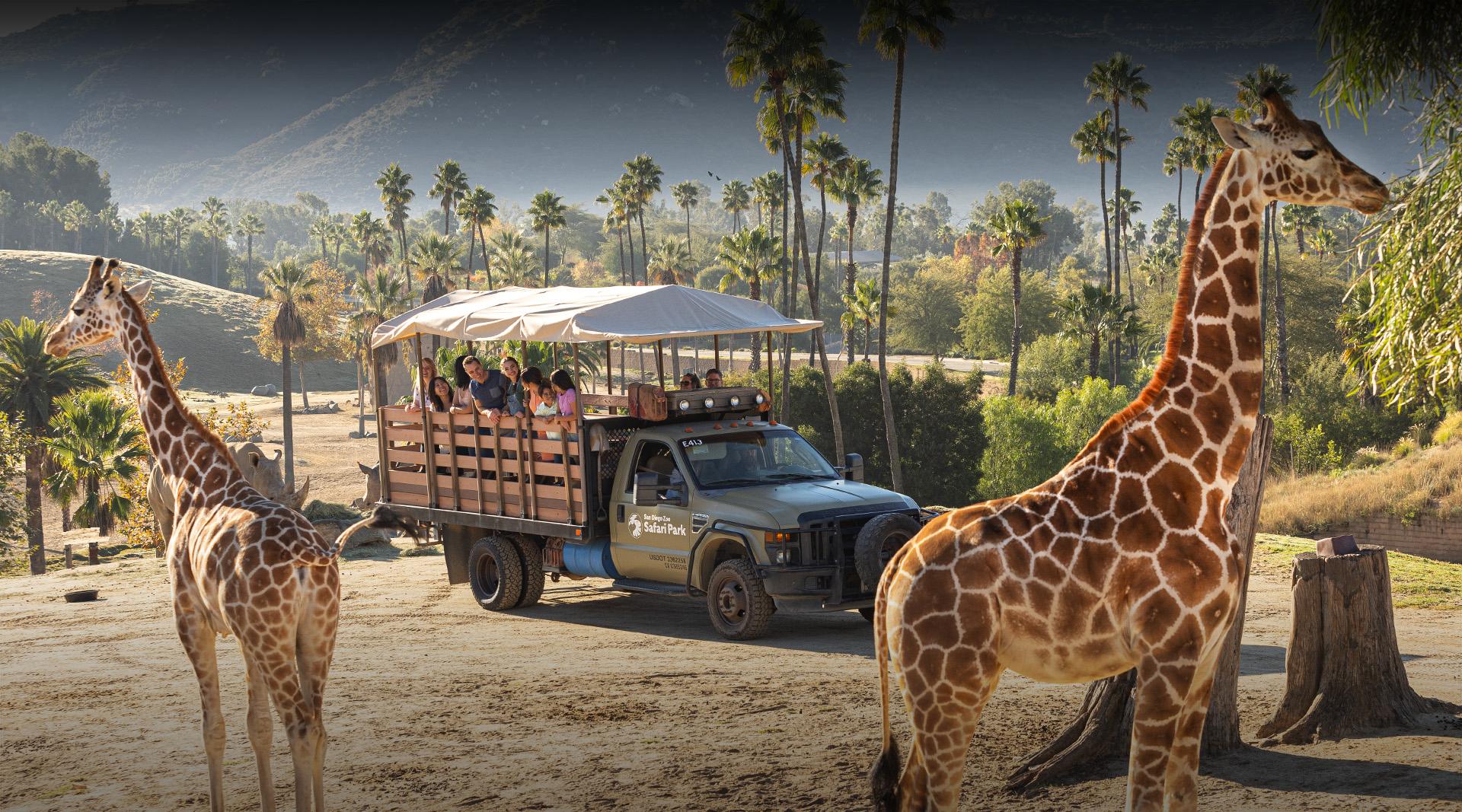
Large mammals follow a heat-dictated schedule that is consistent enough to plan around. Elephants, rhinos, and giraffes are most visible from park opening until roughly 11:30 AM. After that, the sun pushes them toward shade structures and mud wallows where they are still visible but less dynamic. The lion exhibit on the Africa Tram route is famously hit-or-miss; I have seen the male pacing at 9:45 AM and completely invisible by noon on the same day.
The platypuses in Walkabout Australia are active whenever the exhibit opens, but the viewing room is small and gets cramped by 10:30 AM. Tigers and cheetahs are crepuscular, meaning dawn and late afternoon are your best windows. If you book a wildlife safari cart tour, schedule the first available morning slot to catch the herd animals before they retreat. Tour availability fills weeks ahead for peak season, so scan options on GetYourGuide early and lock it in.
Getting around: walking distance, strollers, and accessibility
The park is a single loop with elevation changes, and you will walk 4 to 6 miles over the course of a full day. The paths are paved in the central areas and unpaved but graded on the outer trails. Stroller and wheelchair rentals are available at the entrance plaza on a first-come basis, and I strongly recommend reserving one ahead through the park’s guest services phone line if you have any mobility concern at all. Do not assume you can tough it out; the heat amplifies fatigue fast.
For visitors using wheelchairs or ECVs, the Africa Tram has a dedicated accessible boarding ramp, but the cart tours require transferring into a vehicle with a step up. Call the park directly before booking a cart tour to confirm current accessible vehicle availability, as it changes based on fleet maintenance. Most of the walking trails are wide enough for a chair, though the unpaved segments on the African Loop can be dusty and uneven. The splash pad area near the carousel offers a genuine cooldown station for kids and adults alike, and the adjacent misting stations are free.
@casshuff how accessible is the San Diego Safari Park’s “Wildlife Safari”? @San Diego Zoo • • [Video Description: A variety of clips of Cassidy at the San Diego Safari Park. There are clips of her rolling through the Park, the waiting area, and on and off of the truck. There are clips of a variety of animals such as giraffes and gazelles. Cassidy is seen out of her wheelchair and kneeling on the bench within the truck several times throughout the video as well.] • • #Travel #Disabled #SanDiego #Animals #SafariPark
What is the food situation, and can you bring your own?
You can bring your own food and snacks, and you absolutely should. The park allows outside food and refillable water bottles, and there are multiple water-bottle refill stations mapped on the official park app. The on-site dining options range from grab-and-go kiosks to a full-service restaurant, The Watering Hole, which takes reservations and is worth booking if you want a sit-down meal rather than a pretzel eaten on a bench.
A basic lunch for two people at the park’s counter-service stands will run about $40 to $50 for burgers, fries, and drinks. That is standard theme-park pricing, not a ripoff, but it adds up fast with kids. I pack protein bars and a full lunch in a soft cooler, then buy one specialty item like a Dole Whip or a local craft beer as a treat. Fatima skips the cooler and budgets $30 per person for food, which covers a solid hot lunch and a snack. Both approaches work; just do not walk in expecting a cheap food court.
Can you do the zoo and the safari park on the same day?
No. Do not try. The zoo and the safari park are 35 miles apart with no direct shuttle, and each demands a full day of walking to be worthwhile. I once met a couple on the Africa Tram who had done the zoo that morning and driven up to Escondido for the afternoon. They looked shell-shocked and admitted they had seen maybe 30 percent of the Safari Park before collapsing on a bench near the gift shop.
If you have limited time in San Diego, pick one based on your priorities: the Zoo for a denser, more compact animal variety in a lush canyon setting, or the Safari Park for the open-range savanna experience and the tram. Do not split a day. If you absolutely must hit both in one trip, schedule them on separate days with a rest day in between. For booking either park, check current pricing and availability on Expedia for bundled attraction passes, or go direct through the official site for the most current gate pricing.
Frequently asked questions
Is San Diego Zoo Safari Park the same as the San Diego Zoo?
No. The zoo is in Balboa Park near downtown San Diego and is a compact, heavily landscaped zoo. The Safari Park is an 1,800-acre open-range park in Escondido, 35 miles north, focused on large field enclosures and a tram safari experience.
How many hours do you need at the Safari Park?
Plan for 5 to 7 hours to walk the main loop, ride the tram, and see the major exhibits without rushing. A half-day visit of 3 hours will force you to skip either the tram or the outer walking trails.
Can you bring your own food into San Diego Safari Park?
Yes. Outside food and non-alcoholic drinks are permitted. Pack a refillable water bottle and take advantage of the free refill stations mapped in the official park app.
Is the San Diego Safari Park worth it without the extra tours?
Yes. The standard 1-Day Pass includes the Africa Tram, which is the core experience and provides excellent views of the savanna enclosures. The cart safaris add closer proximity but are not essential for a satisfying visit.
Is San Diego Safari Park stroller-friendly?
Yes. Most paths are paved and wide enough for strollers. The Africa Tram accommodates folded strollers, and rentals are available at the entrance on a first-come basis.
What is the difference between the Wildlife Safari and the Africa Tram?
The Africa Tram is a 25-minute guided ride included with general admission and stays on a fixed rail route. The Wildlife Safari is a paid upgrade where you board a smaller open-air truck that can drive off the main path closer to the animals.
Plan your trip: booking platforms we trust
We book San Diego attraction tickets across a few platforms depending on whether we want a single ticket, a bundled pass, or a last-minute cancellation window. These are the ones we have actually used and refunded from without a headache.