30 Adventure Travel Ideas (With Costs, Difficulty & Best Time to Go)
Adventure travel covers everything from multi-day treks and wildlife encounters to overland road trips and extreme sports across every continent. The best adventure travel idea for you depends on your fitness level, budget comfort zone, and how many days you can genuinely take off work, not just what looks good on Instagram.
Every adventure travel list makes big promises. Almost none tell you what it costs, how hard it actually is, or when to go, so here are 30 ideas with all three, plus a straight path from “someday” to “booked.” I have done a portion of these myself and included others based on detailed conversations with guides, fellow travelers, and trip operators I trust. Each entry below includes a budget tier, a difficulty rating out of 5, and the realistic best months to go.
Jump to: At-a-Glance Comparison | Extreme & Adrenaline | Trekking & Mountains | Wildlife & Ocean | Road Trips & Overland | Cultural & Historic | Budget Breakdown | How to Book | FAQs
Key takeaways
- Adventure travel spans a huge cost range. A multi-day trek in Nepal can cost $25 a day. A guided Antarctic expedition can run $10,000+. There is an adventure tier for nearly every budget.
- Difficulty is not always tied to price. Some of the cheapest adventures, like the Annapurna Circuit or a Namibia self-drive, are physically demanding. Some of the most expensive, like a Galapagos cruise, are accessible to moderate fitness levels.
- Timing is everything. The best window for Patagonia trekking (November–March) is the worst for Southeast Asia diving (monsoon). Use the at-a-glance table below to match your available travel dates.
- You do not need to be an athlete. Many of the best adventure travel ideas, overland road trips, and wildlife safaris require curiosity and patience more than physical fitness.
- Permits and advance bookings are the hidden bottleneck. Inca Trail permits, gorilla trekking passes, and Annapurna Circuit TIMS cards sell out months ahead. Inspiration without a booking timeline is just daydreaming.
Adventure Travel Ideas: At-a-Glance Comparison
Scan this table first. Find the budget tier and difficulty level that match your comfort zone, then jump to the full entry below for the detail. Budget tiers are per person, excluding international flights to the starting hub. Difficulty is on a 1–5 scale where 1 is accessible to most active people and 5 requires significant training, technical skill, or multi-day endurance.
Full details and more entries below. Budget tiers: Shoestring = under $75/day; mid-range = $75–$200/day; splurge = $200+/day or high permit cost.
Extreme & Adrenaline Adventure Travel Ideas
These are the adventures that spike your heart rate before breakfast. They range from single-day bungee jumps to multi-day cycling expeditions across high-altitude highways. None of them require you to be a professional athlete, but all of them demand a reasonable baseline of fitness and a genuine comfort with discomfort.
1. Bungee Jump Victoria Falls, Zambia/Zimbabwe
The 111-metre drop from the Victoria Falls Bridge over the Zambezi River is one of the world’s iconic jumps. The gorge setting, the roar of the falls, and the sheer freefall make it more than a checklist tick. Budget tier: Mid-range. Difficulty: 2/5. Best time: August–December for clearest skies and the best gorge views. Book through a reputable operator in Livingstone or Victoria Falls town; check recent reviews on TripAdvisor before committing.
2. Paragliding Interlaken, Switzerland
Soaring over the twin lakes of Thun and Brienz with the Eiger, Mönch, and Jungfrau as your backdrop is as close to a guaranteed “worth it” as adventure travel gets. Tandem flights with licensed pilots mean no experience is needed. Budget tier: Mid-range to Splurge. Difficulty: 1/5. Best time: May–September. Book ahead in July and August; the skies above Interlaken are busy.
3. Cycling the Karakoram Highway, Pakistan to China
The highest paved international border crossing in the world. The highway connects Abbottabad in Pakistan to Kashgar in China across the Khunjerab Pass at 4,693 metres. This is a multi-week expedition for experienced cyclists comfortable with altitude, remote camping, and border bureaucracy. Budget tier: Shoestring to Mid-range. Difficulty: 5/5. Best time: May–October. Check the latest border status with local authorities before you plan.
4. Whitewater Rafting the Zambezi River, Zambia
Class V rapids below Victoria Falls. This is widely considered one of the best one-day whitewater runs on the planet. The Batoka Gorge delivers a full day of heart-in-mouth drops and calm pools between them. Budget tier: Mid-range. Difficulty: 3/5. Best time: August–December for the best water levels. Operators in Livingstone run daily trips during the season.
5. Skydiving Over the Swiss Alps, Lauterbrunnen
If you are going to jump out of a plane, the Lauterbrunnen Valley, with its sheer cliff walls and waterfalls, is the place to do it. Tandem dives are available for first-timers. Budget tier: Splurge. Difficulty: 2/5 (mental, not physical). Best time: April–October.
6. Ice Climbing on a Glacier, New Zealand
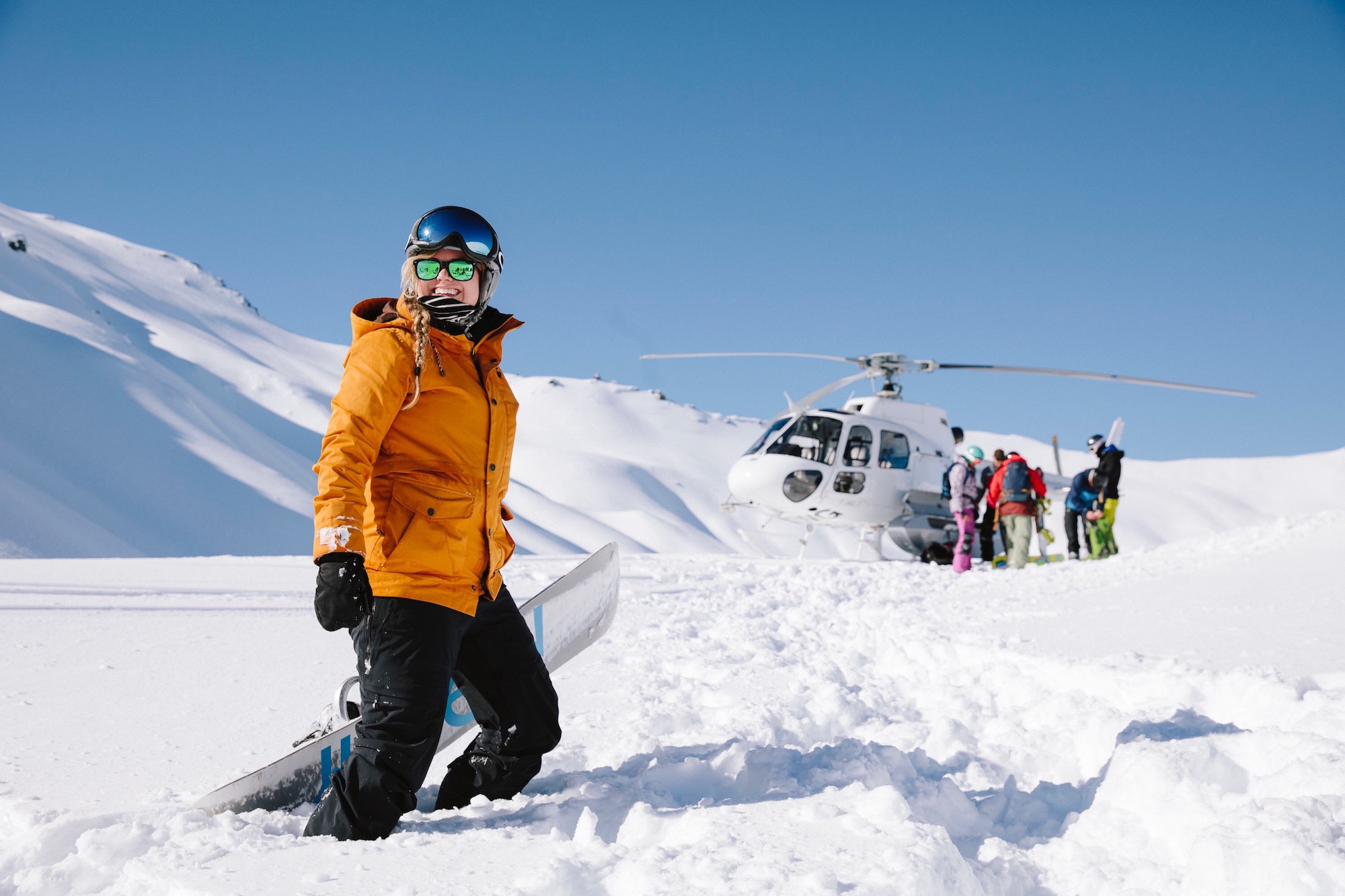
Fox and Franz Josef Glaciers on the South Island offer guided ice-climbing experiences for complete beginners. Crampons, ice axes, and a helicopter ride onto the ice are typically included. Budget tier: Splurge. Difficulty: 3/5. Best time: November–March. The glaciers have receded significantly; go sooner rather than later.
Trekking & Mountain Bucket List Adventures
Multi-day treks are the backbone of adventure travel. They strip life down to walking, eating, and sleeping, and they deliver landscapes you cannot reach by road. The treks below are graded honestly. A “4/5” is not a casual stroll.
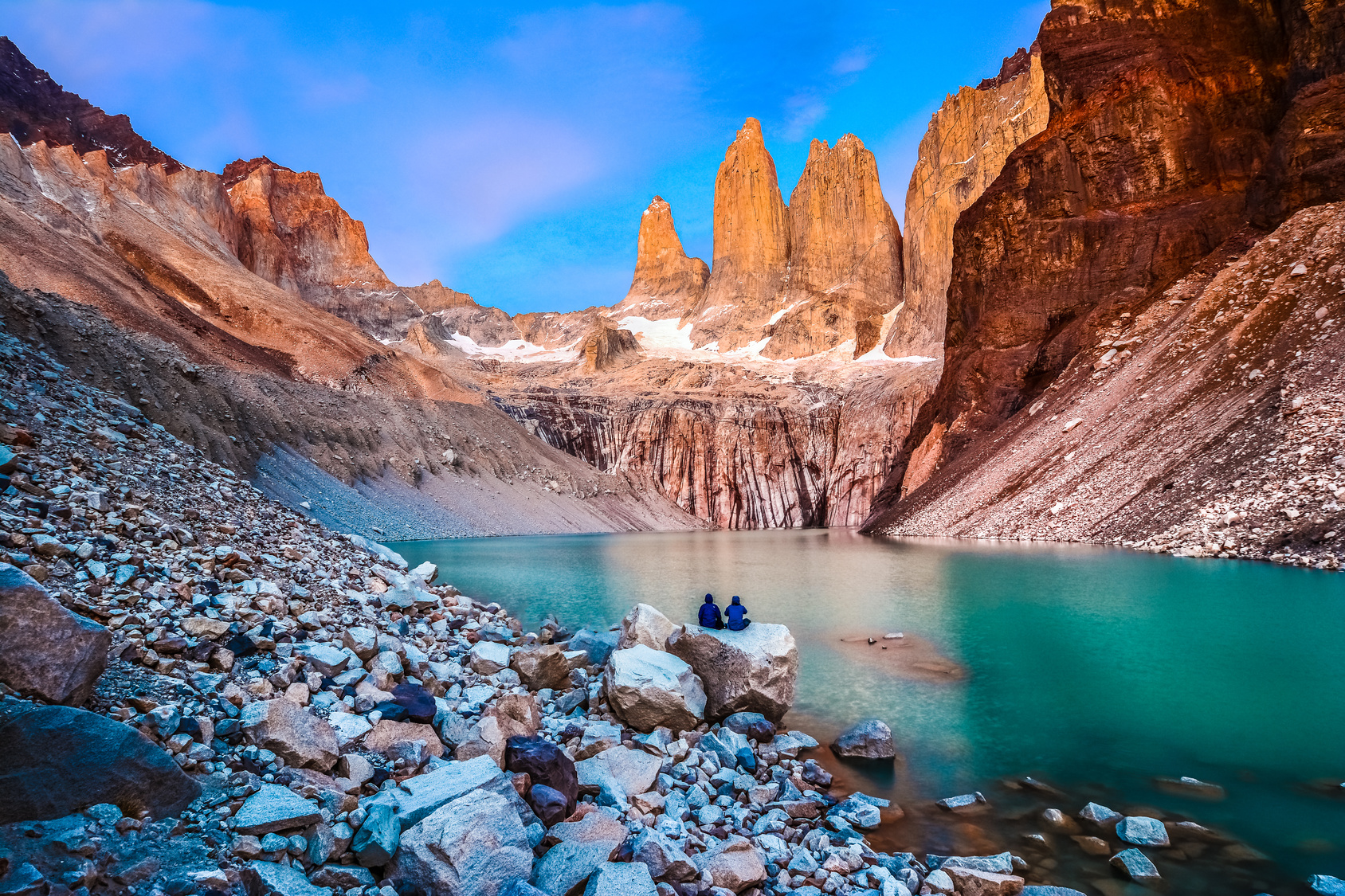
7. The W Trek, Torres del Paine, Chile
The 4–5 day “W” route hits the park’s three iconic valleys: Grey Glacier, French Valley, and the Base of the Towers. Refugios and campsites must be booked months in advance. Budget tier: Mid-range to Splurge. Difficulty: 3/5. Best time: November–March. This is Patagonia’s most accessible multi-day and a legitimate classic.
8. Everest Base Camp Trek, Nepal
The 12–14 day trek to 5,364 meters is not technically difficult, but thsplurge.de is the equalizer. The standard route from Lukla passes through Namche Bazaar, Tengboche Monastery, and Gorak Shep. Budget tier: Mid-range. Difficulty: 4/5. Best time: March–May and September–November. Permits are required; arrange through a registered Kathmandu agency or book a package on GetYourGuide.
9. Annapurna Circuit, Nepal
A 14–21 day trek circling the Annapurna massif, crossing the Thorong La Pass at 5,416 meters. More culturally varied than Everest Base Camp, with Hindu villages giving way to Tibetan Buddhist communities. Budget tier: Shoestring to Mid-range. Difficulty: 4/5. Best time: October–November and March–April.
10. Kilimanjaro Summit, Tanzania
Africa’s highest peak at 5,895 meters. No technical climbing is required, but the 6–8 day trek is a serious altitude challenge with summit success rates around 65% across all routes. Chmid-range.onger Lemosho or Northern Circuit routes for better acclimatization. Budget tier: Mid-range to splurge. Difficulty: 4/5. Best time: January–March and June–October.
11. The Haute Route, France to Switzerland
A 12-day alpine trek from Chamonix to Zermatt, passing beneath 10 of the 12 highest peaks in the Alps. Hut-to-hut hiking with dramatic glacier views. Budget tier: Mid-range to splurge. Difficulty: 4/5. Best time: July–September.
12. Lost City Trek (Ciudad Perdida), Colombia
A 4-day jungle trek to the ancient Teyuna ruins in the Sierra Nevada. Steep, humid, and muddy, but the stone terraces emerging from the jungle at the end are worth every mosquito bite. Budget tier: Shoestring to mid-range. Difficulty: 3/5. Best time: December–March. Book through a licensed operator in Santa Marta.
Wildlife & Ocean Adventure Travel Ideas
The difference between a zoo and these experiences is the absence of glass. These are wild animals in wild places, and the encounters depend on seasonality, responsible operators, and a tolerance for early mornings.
13. Gorilla Trekking, Bwindi Impenetrable Forest, Uganda
An hour spent with a habituated mountain gorilla family is one of the most intense wildlife experiences on the planet. Permits cost roughly $700 USD in Uganda as of the last published fee structure. Rwanda permits are significantly more numerous. Budget tier: Splurge. Difficulty: 3/5. Best time: June–September and December–February. Permits sell out months ahead. Book through a registered operator. Verify current permit fees on the official Uganda Wildlife Authority site.
14. Swimming with Whale Sharks, Donsol, Philippines
The whale sharks that congregate in Donsol Bay between December and May are wild, not fed, and the interaction protocols are among the most responsible in Southeast Asia. Snorkelling only, no scuba. Budget tier: Shoestring to mid-range. Difficulty: 1/5. Best time: February–April for peak sightings.
15. Galapagos Islands Cruise, Ecuador
An 8-day cruise through the archipelago delivers close encounters with sea lions, giant tortoises, marine iguanas, and blue-footed boobies in a landscape that shaped evolutionary biology. Budget tier: Splurge. Difficulty: 1/5. Best time: December–May for warmer water and calmer seas. Book well in advance; last-minute deals exist but limit your ship and itinerary choices.
16. Great White Shark Cage Diving, Gansbaai, South Africa
The waters off Gansbaai, a couple of hours from Cape Town, are one of the world’s best spots for surface encounters with great whites. No scuba certification is needed; you stand in a cage in a wetsuit. Budget tier: Mid-range. Difficulty: 1/5. Best time: May–October. Sightings fluctuate year to year based on orca activity; check recent operator reports before booking.
17. Orangutan Spotting, Tanjung Puting, Borneo, Indonesia
A multi-day klotok (houseboat) journey up the Sekonyer River to Camp Leakey, where semi-wild orangutans come to feeding platforms. You sleep on the boat under mosquito nets. Budget tier: Mid-range. Difficulty: 1/5. Best time: June–October.
18. Mobula Ray Migration, Baja California, Mexico
Tens of thousands of mobula rays leap from the Sea of Cortez in one of the ocean’s most spectacular gatherings. Snorkelling encounters are possible, but the aerial displays are visible from the boat. Budget tier: Mid-range. Difficulty: 1/5. Best time: May–July.
Road Trips & Overland Adventure Travel Ideas
Overland journeys are adventures defined by the space between stops as much as the stops themselves. They reward patience, a working knowledge of your vehicle, and the willingness to accept that the best moment of the day might be an unmarked pull-off with no sign.
19. Namibia Self-Drive Safari
A 10–14 day loop from Windhoek through Sossusvlei, Swakopmund, Damaraland, and Etosha National Park. Gravel roads, vast empty landscapes, and campsites with waterhole viewing platforms. Budget tier: Mid-range. Difficulty: 2/5. Best time: May–October. Rent a 4×4 with a rooftop tent from a Windhoek-based company.
20. Pamir Highway, Tajikistan to Kyrgyzstan
The second-highest international highway in the world. The M41 route from Dushanbe to Osh crosses high-altitude plateaus, lunar landscapes, and the remote Wakhan Corridor. Budget tier: Shoestring. Difficulty: 5/5. Best time: June–September. This is one of the world’s great overland journeys for those comfortable with remote, self-sufficient travel.
21. The North Coast 500, Scotland
A 500-mile loop from Inverness around the northern Highlands. Single-track roads, coastal cliffs, whisky distilleries, and some of Britain’s most dramatic beaches. Budget tier: Mid-range. Difficulty: 1/5. Best time: May–September. Accommodation books out months in advance, particularly in the far northwest.
22. Salar de Uyuni Overland, Bolivia
A 3–4 day 4×4 journey across the world’s largest salt flat and the high-altitude colored lakes of the Altiplano. Surreal landscapes, flamingos, and basic accommodation at over 4,000 meters. Budget tier: Shoestring to mid-range. Difficulty: 2/5. Best time: May–October for dry salt-flat access. Book a tour in Uyuni town.
Cultural & Historic Adventure Travel Ideas
Adventure is not only about physical exertion. Some of the most intense travel experiences come from cultural immersion, archaeological sites reached by foot or mule, and festivals that have run for centuries.
23. Inca Trail to Machu Picchu, Peru
The classic 4-day, 43km trek to the Sun Gate. Permits are strictly limited and sell out months in advance. The trail is closed each February for maintenance. Budget tier: Mid-range. Difficulty: 3/5. Best time: May–September. Book through a licensed operator; check permit availability on the official Peruvian government site before booking flights.
24. Petra by Night & Wadi Rum Camping, Jordan
The walk through the Siq to the candlelit Treasury is one of travel’s great theatrical moments. Combine it with a night in a Bedouin camp in Wadi Rum, and you have a compact, accessible Middle Eastern adventure. Budget tier: Mid-range. Difficulty: 1/5. Best time: March–May and September–November.
25. Kumbh Mela Pilgrimage, India
The largest gathering of humanity on Earth, held every 12 years. Millions of pilgrims, sadhus, and seekers converge at the confluence of sacred rivers. The logistics are intense, and the experience is overwhelming in the best possible way. Budget tier: Shoestring to mid-range. Difficulty: 2/5 (logistical, not physical). Best time: Check the official dates for the next event cycle.
26. Trans-Siberian Railway, Russia to Mongolia
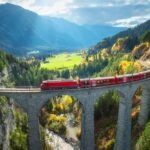
The Moscow to Ulaanbaatar journey takes roughly 6 days of continuous rail travel, crossing five time zones and the vast landscapes of Siberia. This is an adventure of patience, books, and brief platform encounters at remote stations. Budget tier: Mid-range. Difficulty: 1/5. Best time: May–September.
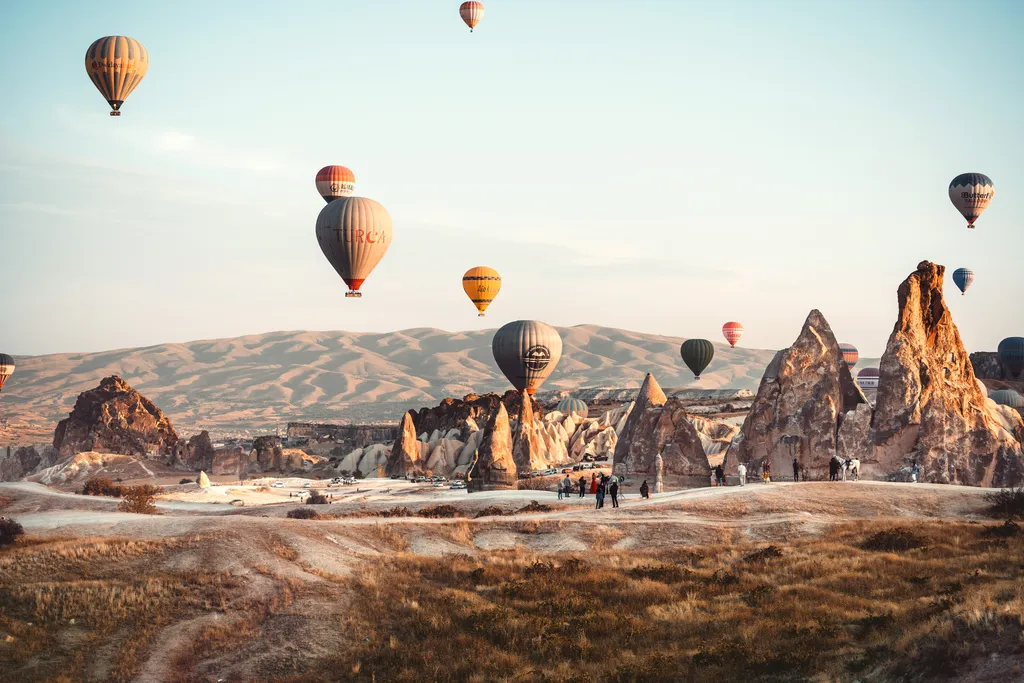
27. Cappadocia Hot Air Ballooning & Underground Cities, Turkey
Floating over the fairy chimneys at dawn, then spending the afternoon exploring the subterranean cities of Derinkuyu or Kaymakli. A two-part cultural adventure that works for almost any fitness level. Budget tier: Mid-range. Difficulty: 1/5. Best time: April–October.
28. Angkor Wat Sunrise & Remote Temples by Bike, Cambodia
The main temple complex is world-famous for good reason, but cycling the quieter outer temples like Beng Mealea and Banteay Srei takes the experience from iconic to genuinely adventurous. Budget tier: Shoestring to mid-range. Difficulty: 2/5. Best time: November–February.
29. Bhutan Cultural Trek & Tiger’s Nest Monastery
Bhutan’s daily tourist fee covers accommodation, meals, guiding, and transport, and it keeps visitor numbers manageable. The hike to the Tiger’s Nest monastery (Paro Taktsang) clinging to a cliff face is the highlight. Budget tier: Splurge. Difficulty: 3/5. Best time: March–May and September–November. Check current daily fee structures on the official Bhutan Tourism site.
30. Sailing the Whitsunday Islands, Australia
A multi-day sailing trip around the 74 islands of the Whitsundays, including Whitehaven Beach’s silica sand and snorkeling on the Great Barrier Reef. You can crew a yacht even with no sailing experience. Budget tier: Mid-range to splurge. Difficulty: 2/5. Best time: May–October. Book a berth through a reputable Airlie Beach operator; check reviews on TripAdvisor first.
Adventure Travel Budget Breakdown by Tier
The budget tiers used throughout this list are per person, per day, excluding international flights to the starting hub. They include accommodation, food, local transport, permits, and activity costs. Use these as planning benchmarks, not fixed quotes. Prices fluctuate with season, exchange rates, and how far in advance you book.
Shoestring (Under $75/day)
Hostels, guesthouses, or camping. Street food or self-catering. Public buses and shared jeeps. Independent trekking where permitted. Examples: Annapurna Circuit, Pamir Highway, Salar de Uyuni tour, Donsol whale sharks.
Mid-Range ($75–$200/day)
Comfortable lodges or 3-star hotels. Mix of local restaurants and occasional fine dining. Guided treks with porters or a hired 4×4. Examples: Everest Base Camp, Torres del Paine refugios, Namibia self-drive, Inca Trail guided package.
Splurge ($200+/day)
Boutique lodges or luxury camps. Fine dining. Private guides, helicopter access, or high-cost permits. Examples: gorilla trekking permits, Galapagos cruises, Antarctic expeditions, and Bhutan daily tariffs.
Flights are the wildcard. Use Kayak to set fare alerts for your target hub airport well ahead. For hotel and lodge bookings along your route, Booking.com offers the widest global coverage with flexible cancellation filters. For package treks and guided experiences, compare options on GetYourGuide and read operator reviews carefully.
How to Actually Book These Adventure Travel Ideas
Inspiration without a booking timeline is just daydreaming. These are the practical steps that turn a pinned Instagram post into a confirmed itinerary.
1. Check Permit Availability First
For the Inca Trail, gorilla trekking, and Annapurna Circuit, permits are the bottleneck. Check availability on the official authority website before you book anything else. No permit means no trip, regardless of your flight status.
2. Book the Core Experience Early
Whether it is a Kilimanjaro trek operator, a Galapagos cruise cabin, or a Patagonia refugio bed, lock in the non-negotiable centerpiece of your trip months ahead. Flights can wait; sold-out core experiences cannot be recovered.
3. Get Your Insurance Sorted
Standard travel insurance often excludes activities above certain altitudes or specific adventure sports. Read the fine print. If you are trekking above 4,000 meters or doing anything involving ropes, ice axes, or scuba tanks, you need a policy that explicitly covers it. Travel insurance is not optional for these trips.
Frequently asked questions about adventure travel ideas
What is the cheapest adventure travel idea on the list?
The Annapurna Circuit, Pamir Highway, and Salar de Uyuni overland tour are the most affordable, with daily costs in the $25–$50 range for budget travelers. These destinations have low accommodation and food costs, and independent trekking or shared transport keeps expenses minimal.
What adventure travel ideas are best for beginners?
The W Trek in Patagonia, the Namibia self-drive safari, Cappadocia ballooning, and the North Coast 500 are all accessible to active people with no specialized skills. They offer structured infrastructure, bookable accommodation, and well-marked routes.
What is the best time of year for adventure travel in general?
It depends entirely on the destination. The Southern Hemisphere summer (November–March) is best for Patagonia and New Zealand. The Northern Hemisphere summer (June–September) opens up the Alps, the Pamir Highway, and the Karakoram. Nepal’s trekking seasons are spring (March–May) and autumn (September–November). Check the at-a-glance table above for specifics.
Do I need travel insurance for adventure travel?
Yes, absolutely. Standard policies often exclude trekking above certain altitudes, scuba diving, or activities classified as hazardous. Get a policy that explicitly covers your planned activities and includes emergency evacuation coverage for remote locations.
How fit do I need to be for a multi-day trek?
It varies. Treks rated 3/5, like the Inca Trail or W Trek, require solid cardiovascular fitness and the ability to walk 6–8 hours a day on varied terrain. Treks rated 4/5 or higher like Everest Base Camp or the Haute Route add significant altitude or technical demands. Begin a training program at least 8–12 weeks before departure.
Can I do these adventures solo, or should I book a group tour?
Many of the treks and overland routes can be done independently if you have the experience. Trekking in Nepal, self-driving in Namibia, and cycling the Pamir Highway are viable solo. Permitted treks like the Inca Trail and gorilla trekking require a guide. Group tours add safety, logistics support, and social connection but increase the cost.
How far in advance should I book an adventure trip?
For permit-limited experiences like the Inca Trail or gorilla trekking, book 6–12 months ahead. For peak-season treks like the W Trek or Kilimanjaro, 4–6 months is safe. For more flexible overland trips like Namibia or the North Coast 500, 2–3 months for accommodation in high season is sufficient.
Plan your adventure: booking platforms we trust
These are the platforms I use to research, compare, and book adventure travel. Each one serves a different part of the planning process. Using the right tool for the right task saves hours of scattered searching.
Best for setting flight alerts to your adventure hub city months ahead.
Best for global hotel and lodge coverage with flexible cancellation filters.
Best for comparing guided trek packages, day tours, and permit-included experiences.
Best for reading recent operator reviews before committing to a specific trekking or diving company.
Best for bundling international flights with initial arrival-city hotels.
Best for self-catering apartments and houses for pre-trek and post-trek recovery stays.