advertisement
A standard evening desert safari in Dubai costs between 150 and 300 AED per person, including hotel pickup, dune bashing, a camel ride, sandboarding, and a BBQ buffet dinner with live entertainment. Morning safaris run cheaper at 80 to 200 AED, while private and premium overnight experiences climb to 500 AED and above. Booking direct with a DTCM-licensed operator secures the best rate and guarantees your safety.
I booked my first Dubai desert safari from a glossy brochure in a hotel lobby and paid nearly double the going rate. Chidi, our WakaAbuja team member who now lives in Deira, laughed when I told him. “Brother,” he said, “the desert is the desert, but the price you pay depends entirely on who you ask.” He was right. The Dubai desert safari industry is a maze of resellers, Instagram-friendly markup artists, and genuinely excellent local operators.
This guide cuts through the noise. It tells you exactly what each package should cost, what it must include, and which red flags signal you are about to hand cash to an unlicensed middleman.
Jump to: Package Comparison | Real Pricing Breakdown | First-Timer Guide | Desert Zones Compared | Safety & Scam Warnings | FAQ
Key takeaways
- Always confirm DTCM licensing: The Dubai Department of Tourism and Commerce Marketing license is your only guarantee of a safe, insured, and vetted operator.
- Evening safari is the default best choice: It bundles sunset views, dinner, and entertainment into a 150 to 300 AED package that represents the best value.
- Book direct, never from hotel concierges: Hotel desks add 30 to 50 percent commission. Contact operators via their official websites or WhatsApp.
- The Red Dunes at Al Lahbab are superior: They offer taller, sharper dunes for bashing and richer red sand for photography compared to flatter beige zones.
- Motion sickness is common and real: Take a non-drowsy anti-nausea tablet 30 minutes before pickup if you are prone to car sickness.
- Pregnant women and infants under 3 are not permitted on dune bashing drives: Reputable operators enforce this strictly. No exceptions.
Which desert safari package in Dubai is right for you?
The choice paralysis is real. Operators list morning, evening, overnight, private, extreme, and VIP options with enough overlapping inclusions to make your head spin. I have tested three variants now, and the honest answer is that the standard evening safari works for 80 percent of first-timers. The other packages exist for specific needs, not because the standard option is lacking.
Below is the side-by-side breakdown no booking site will show you. Prices are current as of late this year and quoted per adult in AED. Always confirm final pricing on the operator’s official website before booking.
Evening Safari (Best for First-Timers)
- Duration: 4:00 PM to 10:00 PM (6 hours).
- Price range: 150 to 300 AED.
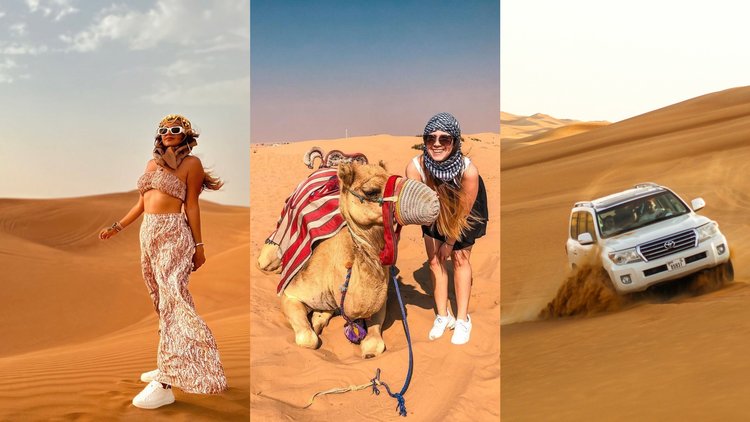
- Includes: Pickup, dune bashing (30-45 min), sunset photo stop, camel ride, sandboarding, henna art, BBQ buffet dinner with live shows (tanoura, belly dance, fire performance), shisha in designated areas, Arabic coffee and dates.
- Best for: Couples, solo travelers, families with older children.
Morning Safari (Best for Short Layovers)
- Duration: 8:30 AM to 11:30 AM (3 hours).
- Price range: 80 to 200 AED.
- Includes: Pickup, shorter dune bashing session, sandboarding, and camel ride. No dinner or live entertainment.
- Best for: Travelers on tight schedules who still want the dune experience and cooler morning temperatures.
Overnight Safari (Best for Stargazers)
- Duration: 4:00 PM to 8:00 AM next day.
- Price range: 350 to 600 AED.
- Includes: Everything in the evening safari plus sleeping bags, tents, breakfast, and sunrise over the dunes. Toilet facilities are basic camp setups.
- Best for: Adventurous travelers comfortable with rustic sleeping arrangements.
Private VIP Safari (Best for Honeymoons)
- Duration: Customizable, typically 6 hours.
- Price range: 500 to 1000+ AED.
- Includes: Private Land Cruiser, an exclusive driver, no sharing with strangers, premium camp seating, and upgraded dinner options. Dune bashing intensity is adjusted to your preference.
- Best for: Couples seeking privacy, families with young children who need flexibility, professional photographers.
What is the real price of a desert safari in Dubai?
Pricing transparency in the Dubai desert safari market is terrible. The first result on Google rarely shows prices. Resellers inflate costs by 40 percent or more. Here is what you should actually pay, based on bookings we made through licensed operators as of late this year. All prices are per adult in AED with approximate USD equivalents.
Budget shared evening safari (basic camp, shared vehicle): 80 to 120 AED ($22 to $33). This exists but quality varies wildly. Expect older vehicles, crowded camps, and limited food options.
Standard evening safari (recommended sweet spot): 150 to 300 AED ($41 to $82). A DTCM-licensed operator, modern Toyota Land Cruiser, high-quality Red Dunes bashing, and a well-reviewed camp with full entertainment.
Premium/luxury private safari: 500 to 1200 AED ($136 to $327). Exclusive vehicle, private camp area, gourmet catering, falconry displays. Check GetYourGuide for verified luxury operator reviews.
Quad bike add-ons typically cost 100 to 200 AED extra and happen in a separate fenced area after dune bashing. Dune buggy rides run higher, 250 to 500 AED, depending on engine size. Pay these add-on fees directly at camp, not through a reseller who will mark them up. Chidi learned this the expensive way. “I paid 400 AED through the hotel for a quad bike,” he told me. “The guy next to me paid 150 by walking up to the counter. I still feel the sting.”
What exactly is included in a Dubai desert safari?
Vague booking pages say “adventure activities and dinner.” That is not good enough. Here is the itemized list a legitimate evening safari must include. If your operator’s confirmation does not mention these by name, ask why before you pay.
Always Included (Standard Evening Safari)
- Hotel pickup and drop-off in a shared 4×4 Land Cruiser
- Licensed driver trained in desert dune bashing
- 30 to 45 minutes of dune bashing at Al Lahbab or similar
- Sunset photo stop on a high dune
- Short camel ride (usually 5 to 10 minutes)
- Sandboarding down medium-height dunes
- Henna painting (small design, typically on hands)
- Arabic coffee, dates, and welcome refreshments at camp
- BBQ buffet dinner (veg and non-veg options clearly labeled)
- Tanoura dance, belly dance, and fire show performances
- Shisha pipe in a designated lounge area
Often Excluded (Expect Extra Fees)
- Quad bike or dune buggy rides (100 to 500 AED extra)
- Alcoholic drinks (some camps are fully dry, others sell beer and wine)
- Premium seating (cushioned VIP areas with table service)
- Professional photography or falcon photo-ops at camp
- Extended private camel treks (beyond the short included ride)
- Souvenir purchases and professional henna designs
Fatima’s honest take: “The ‘camel ride’ is often a 300-meter loop. It is enough for a photo. If you want a real trek, book a separate camel experience. Do not expect Lawrence of Arabia from the standard safari inclusion.”
What should a first-timer know before a Dubai desert safari?
I showed up in jeans and a dark-colored shirt for my first safari. By the time the BBQ smoke and sand had finished with me, I looked like I had wrestled a camel and lost. Learn from my mistakes.
What to wear
Loose, breathable fabrics in light colors. Sand sticks to dark clothing and shows terribly in photos. Closed-toe shoes like trainers or hiking sandals work best. Flip-flops fill with hot sand instantly during the photo stop. Women do not need to cover their heads unless visiting during Ramadan, but carrying a light scarf helps with blowing sand and adds a nice touch for sunset photos.
What to bring
Sunglasses (sand gets into eyes during windy dune bashing exits), a fully charged phone with a power bank, any motion sickness medication, and a light jacket between November and February when desert nights dip to 12 degrees Celsius. Leave bulky bags in the vehicle. The camp seating is on low cushions, and space is tight.
Motion sickness reality
Dune bashing is an aggressive, roller-coaster ride across steep sand slopes. If you get queasy in a taxi, take a non-drowsy antihistamine tablet 30 minutes before pickup. Sit in the front passenger seat if possible and ask the driver to moderate the intensity. Reputable drivers honor this request. Do not be a hero. I have seen three people get sick in one ride.
Photography tips
Golden hour hits the dunes roughly between 5:15 PM and 5:45 PM in winter. Ask your driver to stop at a high vantage point during this window. The red sand turns vividly copper. Keep your phone in a zipped pocket during the bashing itself, flying phones inside a tumbling Land Cruiser are both dangerous and expensive to retrieve.
Which desert location is best, Al Lahbab or other zones?
Not all Dubai desert is equal. Most operators head to the Al Lahbab Desert, also marketed as the Red Dunes, located about 50km south of the city on the road toward Hatta. The sand here contains iron oxide, giving it a deep reddish-orange hue that photographs intensely at sunset. The dunes rise 50 to 100 meters, offering the steep slopes serious bashers want.
The Dubai Desert Conservation Reserve (DDCR) is a protected area roughly 60km southeast of the city. Dune bashing is more restricted here due to conservation rules, but wildlife sightings, including Arabian oryx, are possible. Camps in the DDCR tend to be more eco-conscious and quieter. They suit travelers who value nature over adrenaline.
Al Marmoom lies closer to the city, near the camel racing track. It is flatter, the sand is paler beige, and the vibe is more local picnic spot than epic dune landscape. Avoid safaris heading here unless you are booking a budget option and know what to expect. Always ask the operator which desert they use before booking. If they cannot name it clearly, find another provider. Use Booking.com or TripAdvisor reviews to confirm the desert location from past guest photos.
When is the best time of year to book a desert safari in Dubai?
The peak season runs from October to April. Daytime temperatures sit between 24 and 35 degrees Celsius, and the evenings are cool and comfortable. This is when camps operate at full capacity, and the atmosphere is at its most vibrant. Book at least a week in advance during this window; weekends fill up fast.
May through September is brutally hot. Afternoon temperatures regularly exceed 42 degrees Celsius. Operators still run evening safaris, but the heat lingers until 7 pm. Dune bashing windows shift later. If you must book during summer, choose a morning safari for marginally cooler temperatures. Some camps suspend fire shows during extreme heat periods due to safety restrictions. Prices drop significantly in summer; you can find standard evening safaris for as low as 100 AED. Whether the experience is worth the sweat is a personal call.
Ramadan affects entertainment schedules. Belly dance and live music are typically suspended. Camps remain operational, and the dune bashing and dinner still run, but the overall atmosphere is more subdued. Check the exact Ramadan dates for this year on the DTCM website before booking during this period.
How do you avoid scams and unsafe desert safari operators?
The single most important check: DTCM licensing. Every legal tour operator in Dubai must hold a license from the Department of Tourism and Commerce Marketing. Ask for the license number before booking. A legitimate operator will provide it instantly. A middleman or unlicensed freelancer will dodge the question. You can verify licenses through the official DTCM portal.
Red flags I have encountered personally or heard about from Chidi’s network of expat contacts in Dubai:
- The street-level “special price” broker: Someone approaches you in Deira or Bur Dubai offering a safari for 50 AED. This is an unlicensed driver in a private vehicle. There is no insurance, no trained driver, and no camp access.
- The hotel concierge markup: Convenience comes at a steep cost. Hotel desks reliably add 30 to 50 percent. The safari they sell is often identical to the one you can book direct. Use the concierge to recommend an operator name, then book yourself through that operator’s official WhatsApp or website.
- Fake “VIP” upgrades sold at camp: You arrive and are told your standard ticket seats are “full,” and you must pay 100 AED extra for premium. This is a pressure tactic. Stand firm. Your booking confirmation guarantees your inclusions.
- Vehicles without roll cages: A proper dune-bashing Land Cruiser has an internal roll cage fitted. If the vehicle picking you up looks like a standard family SUV with no reinforcement, refuse to board and demand a refund.
Health and safety rules are firm on this: pregnant women are not permitted on dune bashing drives under any circumstances. Children under 3 years are also prohibited. Reputable operators enforce this absolutely. Anyone willing to break these rules is unsafe on every other measure too.
Is a Dubai desert safari suitable for families with kids?
Yes, with careful package selection. Kids over 3 years old can participate in most activities, but dune bashing intensity must be discussed with the driver beforehand. A private safari is genuinely worth the extra cost for families. It allows you to control the bashing pace, skip activities that do not suit your children, and leave camp earlier if the kids tire out.
Family-oriented camps offer calmer entertainment, face painting alongside henna, and dedicated kids’ buffet sections. Avoid the cheapest shared safaris, which can skew toward a loud party atmosphere. When booking, use Vrbo or your hotel concierge to find operators who specifically market “family-friendly” packages, and read recent reviews from parents. The camp setup matters. Enclosed, well-lit camps with clean toilet facilities and washing stations make the difference between a magical family memory and a stressful evening.
How does hotel pickup for a Dubai desert safari work?
Free pickup and drop-off is standard for nearly every safari, and it is one of the best logistical perks of the experience. The operator assigns a pickup time, usually between 3:00 PM and 4:00 PM for evening safaris. They will confirm via WhatsApp on the morning of your booking. Be in the hotel lobby 10 minutes before the window. Drivers wait a maximum of 5 minutes before leaving, and late arrivals forfeit their booking without a refund on most operator terms.
Pickup covers all central Dubai hotels, including Deira, Bur Dubai, Sheikh Zayed Road, Downtown, Dubai Marina, JBR, and the Palm Jumeirah. Hotels in far-flung areas like Dubai Investments Park, Jebel Ali, or Al Maha Resort may incur a surcharge or be asked to meet at a central point. Cruise terminal passengers at Port Rashid are typically included in the standard pickup zone. If you are staying at a private Airbnb or residence, provide a clear geolocation pin and a recognizable landmark. Your driver will appreciate it, and you will find each other faster.
How to book a desert safari and get the best price
Book direct, not through aggregators
Platforms like GetYourGuide and TripAdvisor are useful for reading verified reviews and cross-checking operator reputations. Once you find a highly-rated operator, go directly to their website or WhatsApp contact. You will often save 15 to 25 percent by cutting out the platform commission.
Book 48 hours in advance
Same-day bookings are possible in the low season, but during peak months (November to March), the best operators fill evening slots days ahead. A 48-hour window gives you choice of vehicle seating and ensures the operator is not scrambling to fit you into an overcrowded camp.
Compare flight and hotel bundles
If you are building a full Dubai trip, check Expedia for packages that sometimes include discounted activity vouchers. For hotel-only bookings, Hotels.com reward nights can offset accommodation costs, freeing budget for a private safari upgrade.
What are the biggest mistakes tourists make on a Dubai desert safari?
- Eating a heavy lunch before dune bashing: A full stomach and steep sand drops are a recipe for disaster. Eat lightly and hydrate well before pickup.
- Wearing expensive jewelry or watches: Fine sand destroys watch mechanisms and scratches precious metals. Leave valuables in the hotel safe.
- Forgetting to negotiate camp add-ons: Quad bike and buggy prices at camp are often negotiable, especially if paying cash and booking multiple rides. Ask politely.
- Assuming all camps serve alcohol: Many budget and mid-range camps are completely dry. If a beer matters to you, confirm before booking. Premium camps usually offer a licensed bar.
- Skipping the headscarf or buff: Sand in your mouth, nose, and ears is unpleasant. A simple scarf pulled over your face during windy moments makes a huge comfort difference.
- Not tipping the driver: Drivers work long hours and handle difficult terrain skillfully. A tip of 20 to 50 AED per vehicle is standard and appreciated.
Frequently asked questions
Is a Dubai desert safari worth the money?
For the standard price of 150 to 300 AED, a desert safari delivers 6 hours of transport, adventure, food, and entertainment. That represents excellent value compared to other Dubai attractions. The dune bashing alone is a unique experience you will not replicate easily elsewhere. Most visitors consider it a trip highlight.
Can I book a Dubai desert safari on the same day?
Yes, many operators accept same-day bookings via WhatsApp, especially during summer and on weekdays. During peak winter months, same-day availability is limited. Call or message by 10:00 AM to have the best chance of securing an evening slot.
Is alcohol served on desert safaris?
It depends entirely on the camp. Premium and private safari camps often have a licensed bar selling beer and wine. Budget and standard mid-range camps are frequently dry. If alcohol is important, confirm with the operator before booking and expect to pay premium prices for drinks.
What if I get motion sick during dune bashing?
Tell the driver immediately. They can stop the vehicle and let you out for fresh air. Sitting in the front passenger seat significantly reduces motion. Drivers can also adjust to a gentler route. Bring a plastic bag as a precaution, not all vehicles have sickness bags.
What is the difference between red dunes and regular dunes?
Red dunes, found at Al Lahbab, contain iron oxide that gives them a deep red-orange color. They are taller and steeper, making for more dramatic dune bashing and photography. Regular beige dunes are typically flatter and paler, found in areas like Al Marmoom.
Can pregnant women go on a desert safari?
Pregnant women are strictly prohibited from dune bashing. However, they can book a safari that skips the dune driving segment and proceeds directly to the camp for dinner and entertainment. Inform the operator of the pregnancy at the time of booking so they can arrange appropriate transport.
Plan your trip: booking platforms we trust
Our WakaAbuja team has booked safaris through multiple channels. These platforms offer reliable reviews, secure payment, and transparent pricing for your Dubai trip.