
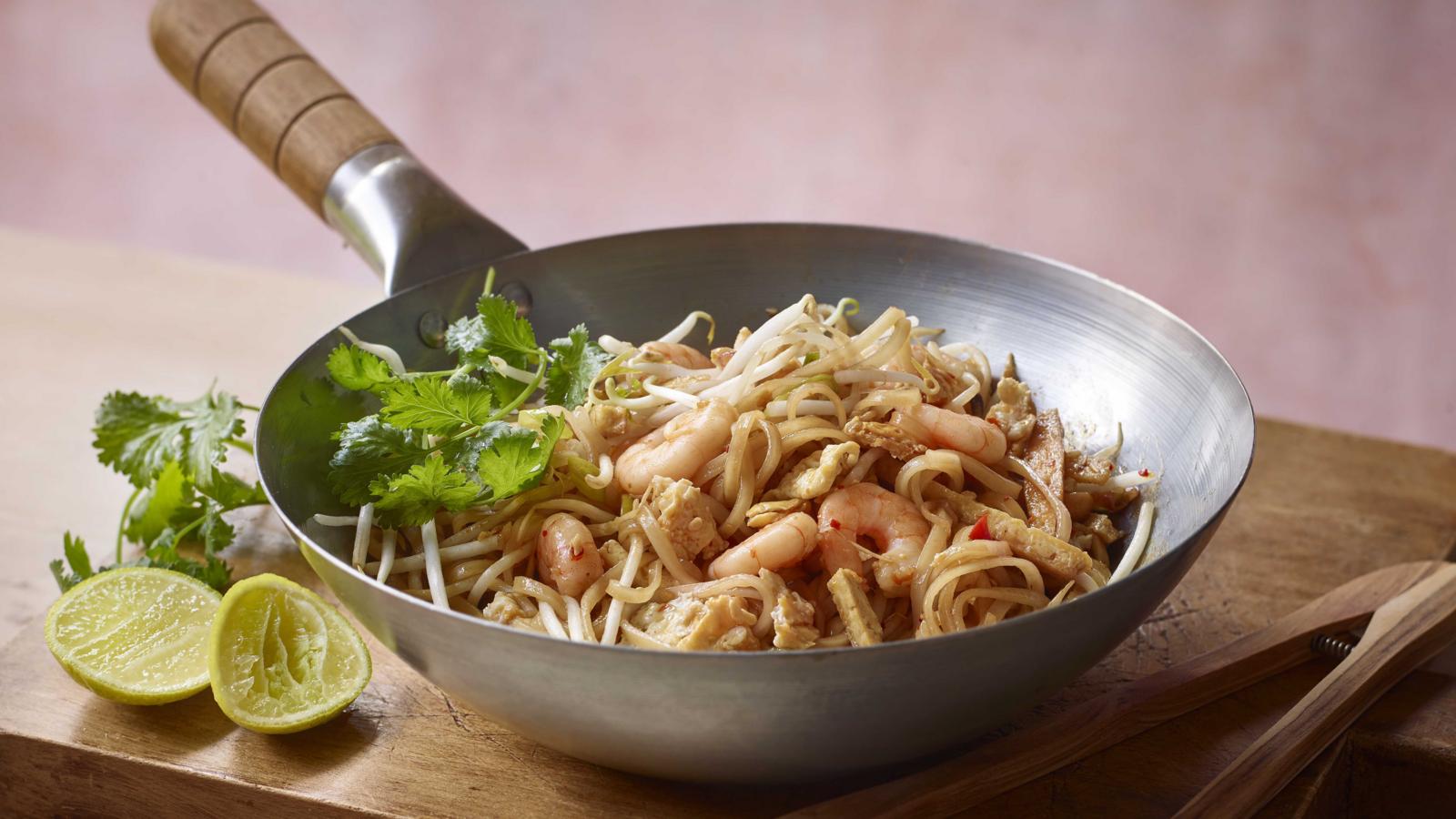
This guide explains the fastest way to cook restaurant-quality Pad Thai in one pan. I share personal cooking tips, authentic Thai techniques, ingredient swaps, shortcuts, and the finishing tricks that keep the noodles chewy rather than soggy.
Key highlights:
- Rice noodles soaked in hot water until flexible
- Classic sauce made from fish sauce, soy sauce, brown sugar, vinegar, sriracha, and peanut butter
- Protein options including chicken, shrimp, or tofu
- Eggs scrambled in the same pan for authentic texture
- Fresh herbs, bean sprouts, peanuts, and lime for the final balance
Key Takeaways
- Authentic Pad Thai balances sweet, salty, sour, and umami flavors.
- The noodles must be soaked rather than boiled for the best texture.
- High-heat cooking keeps the dish light and prevents soggy noodles.
- Fresh lime juice and herbs added at the end elevate the flavor dramatically.
- The entire dish can be cooked in under 30 minutes with simple pantry ingredients.
What Makes Pad Thai So Popular Worldwide
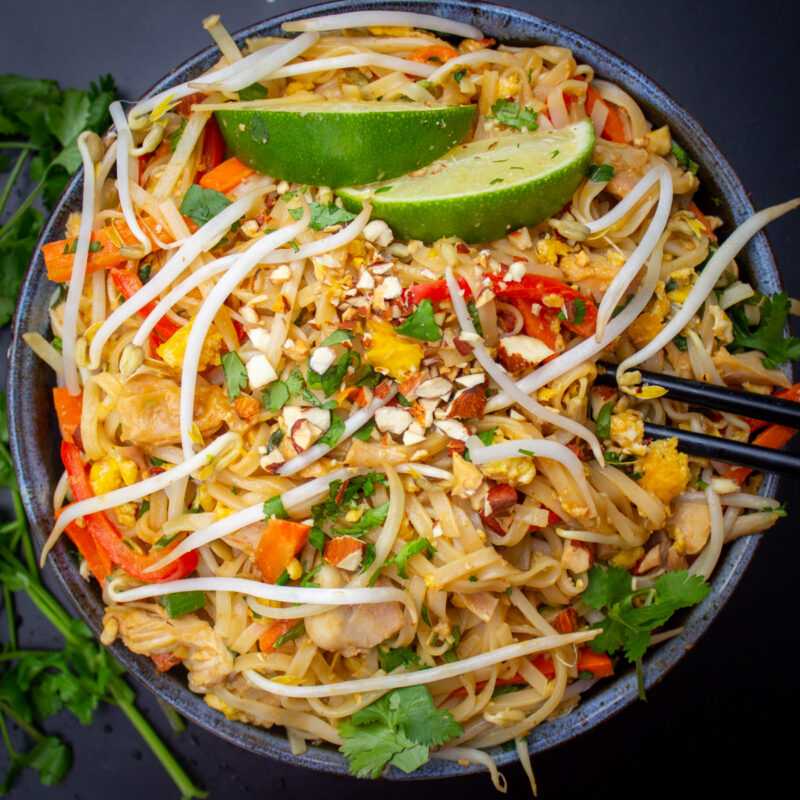
Pad Thai is one of Thailand’s most famous street foods and also one of the most beloved noodle dishes around the world. During my first visit to Bangkok, I watched street vendors cook Pad Thai in blazing hot woks, tossing noodles, eggs, shrimp, and peanuts with incredible speed.
I realized something important that day. Great Pad Thai is not complicated. It is all about balance and timing.
In less than half an hour you can recreate the same bold flavors at home using simple ingredients and a single pan. The key lies in preparing the noodles properly, mixing the sauce ahead of time, and cooking everything quickly so the noodles stay springy rather than mushy.
This guide walks you through the exact process I now use every time I cook Pad Thai at home.
Ingredients for Homemade Pad Thai
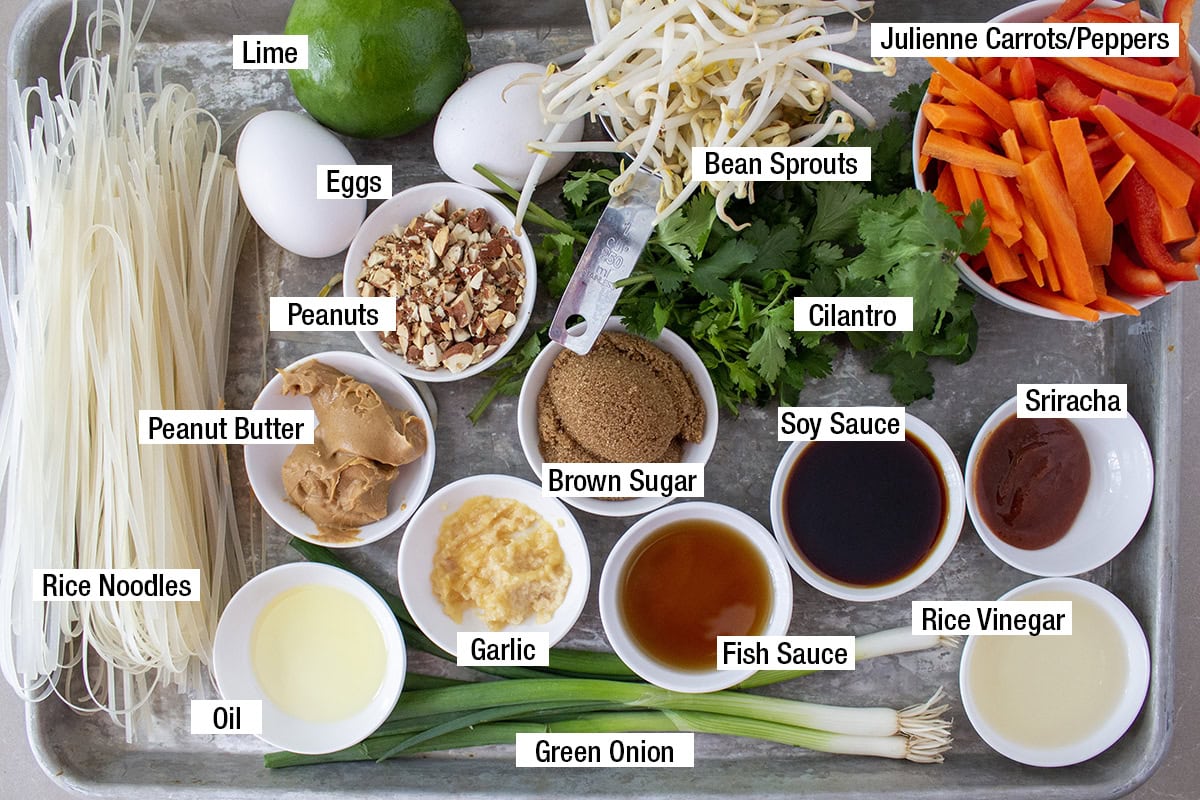
Pad Thai is incredibly flexible. The ingredients can be adjusted depending on your taste preferences, dietary needs, or what you have in your kitchen.
Main Noodles
- 8 ounces flat rice noodles
- Hot water for soaking
Signature Pad Thai Sauce
- 2 tablespoons fish sauce
- 1 tablespoon soy sauce
- 2 tablespoons brown sugar
- 1 tablespoon rice vinegar
- 1 teaspoon sriracha
- 1 tablespoon peanut butter for depth
Protein Options
- Sliced chicken breast
- Raw shrimp
- Firm tofu cubes
You can choose one or combine several proteins.
Vegetables and Aromatics
- 2 cloves garlic
- 1 cup bean sprouts
- 2 green onions
- 1 small carrot sliced thin
Classic Toppings
- Crushed roasted peanuts
- Fresh cilantro
- Lime wedges
How to Make Pad Thai Step by Step
The cooking process is fast. Make sure every ingredient is prepared before turning on the heat.
Step 1: Soak the Rice Noodles
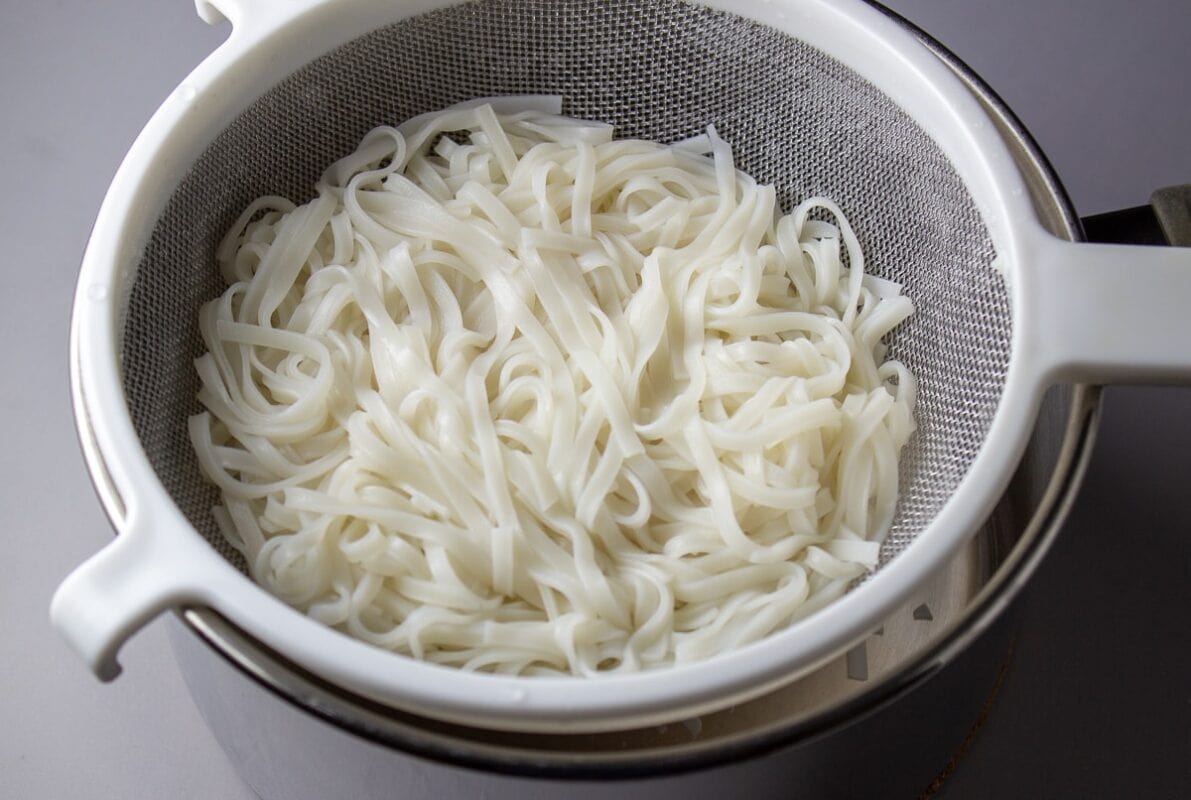
Place rice noodles in a large bowl and pour hot water over them. Let them soak for about 10 minutes until tender but still slightly firm.
Drain the noodles and set aside.
Step 2: Mix the Pad Thai Sauce
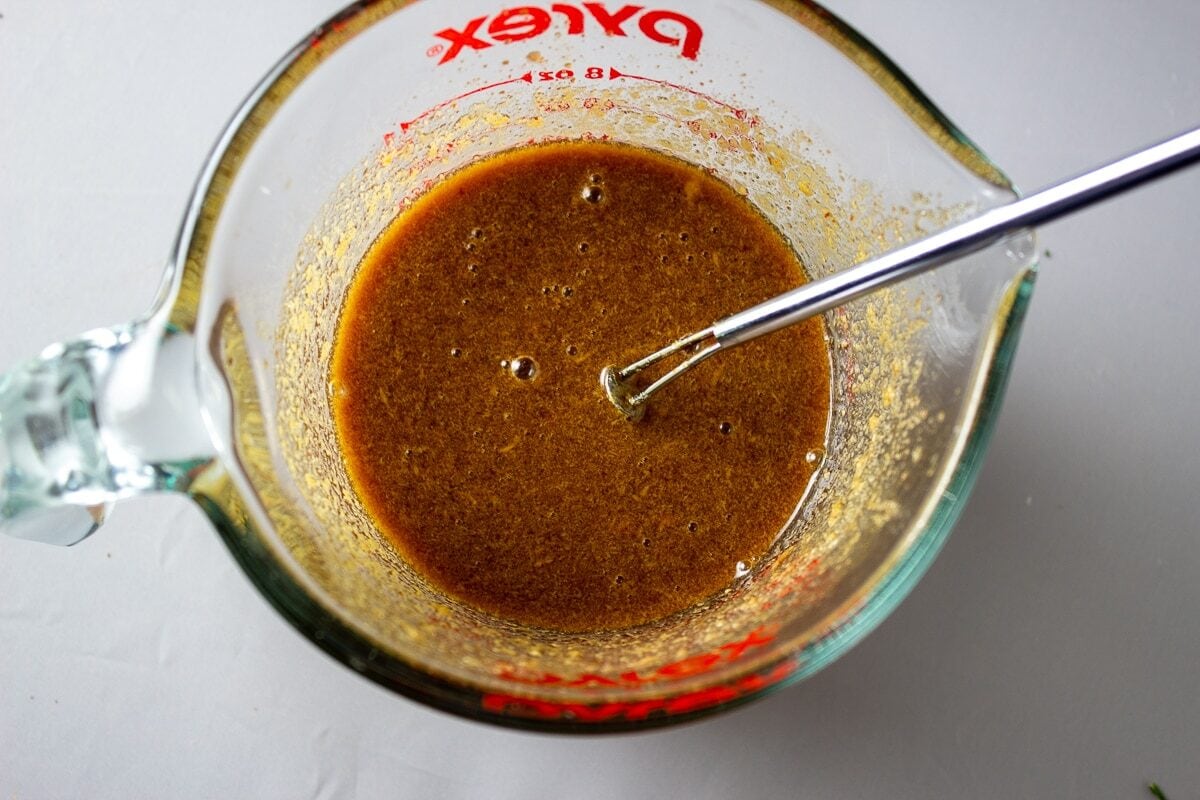
In a small bowl whisk together fish sauce, soy sauce, brown sugar, rice vinegar, sriracha, and peanut butter.
This sauce creates the sweet, salty, tangy flavor that defines authentic Pad Thai.
Step 3: Cook the Protein
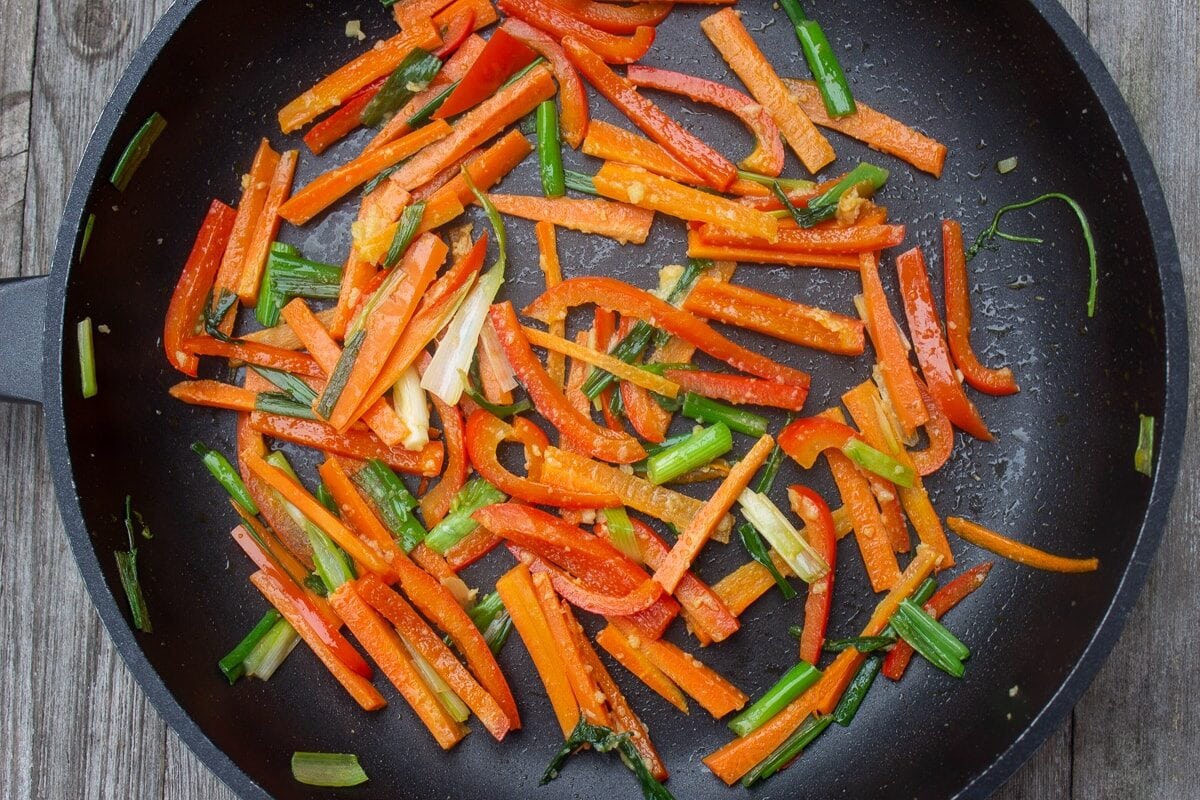
Heat oil in a large pan or wok over medium-high heat.
Add chicken, shrimp, or tofu and cook until fully done. Remove from the pan and set aside.
Step 4: Sauté Vegetables and Scramble Eggs
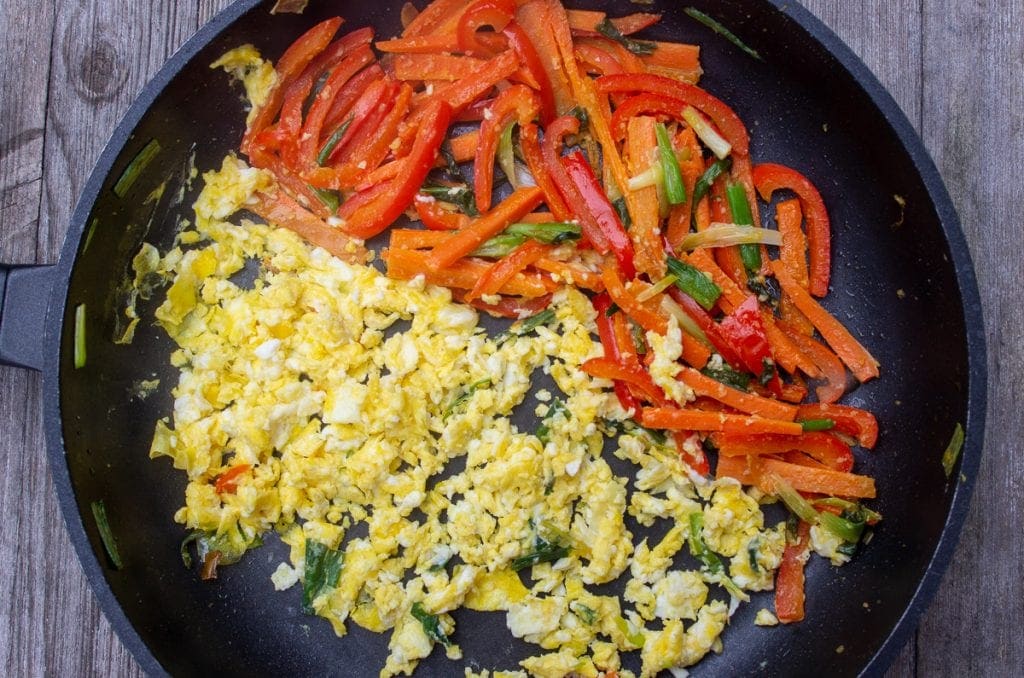
Add garlic, carrots, and green onions to the pan. Cook for about one minute.
Push the vegetables to one side and crack two eggs into the pan. Scramble them until just cooked.
Step 5: Combine Everything
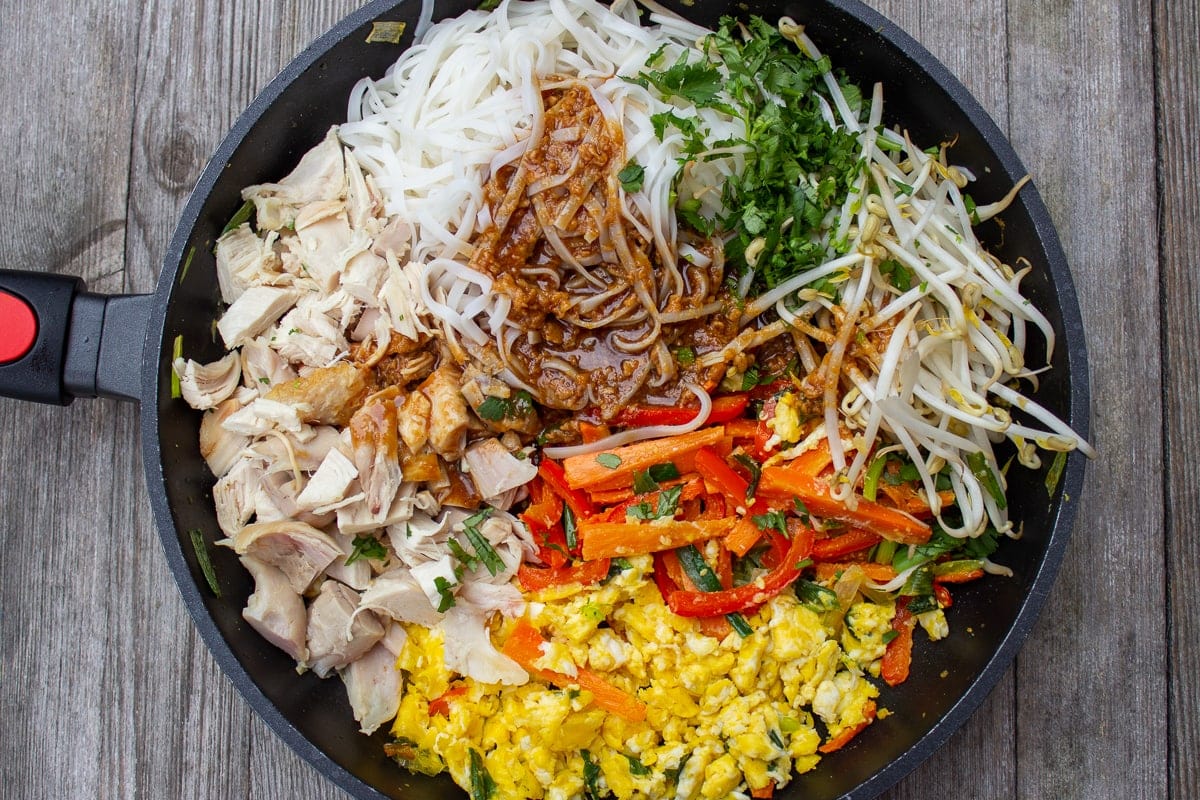
Add the soaked noodles and the prepared sauce to the pan.
Toss everything together quickly so the noodles absorb the sauce.
Return the cooked protein and add bean sprouts.
Step 6: Finish and Serve
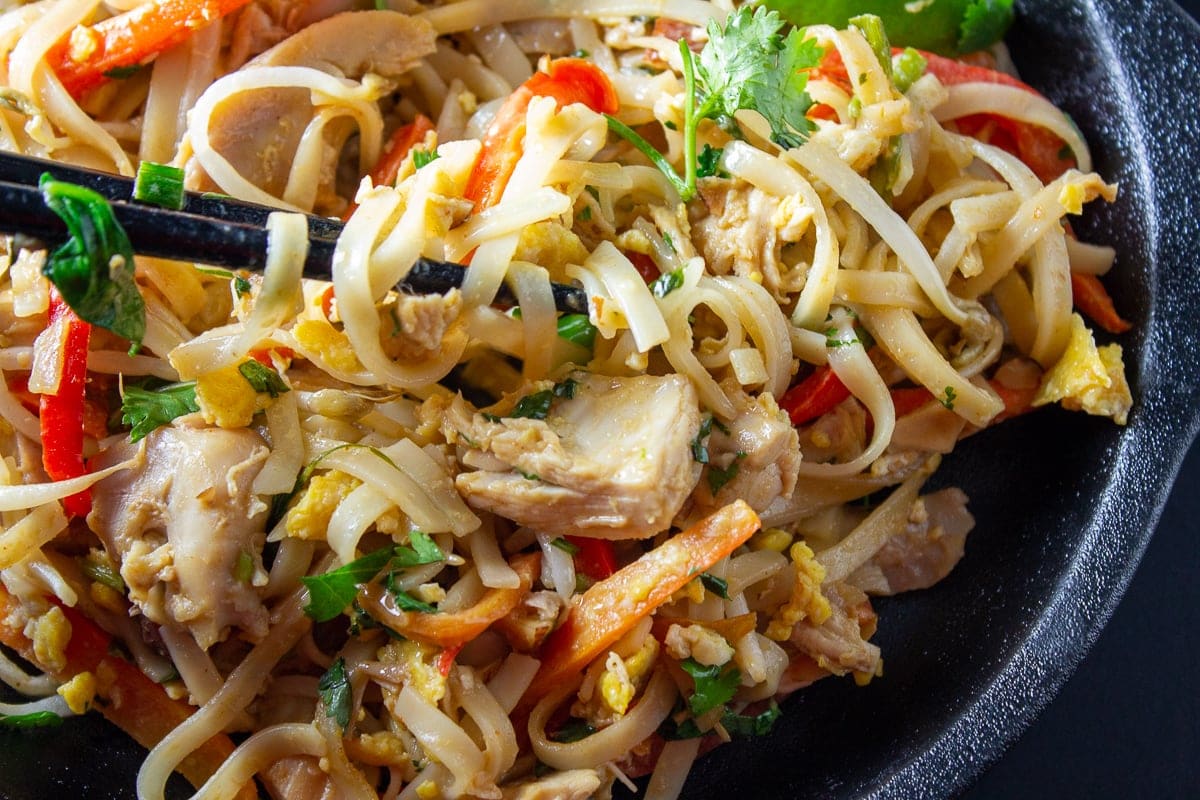
Top the noodles with crushed peanuts, cilantro, and fresh lime juice.
Serve immediately while hot.
The Finishing Tip That Gives Pad Thai Perfect Texture
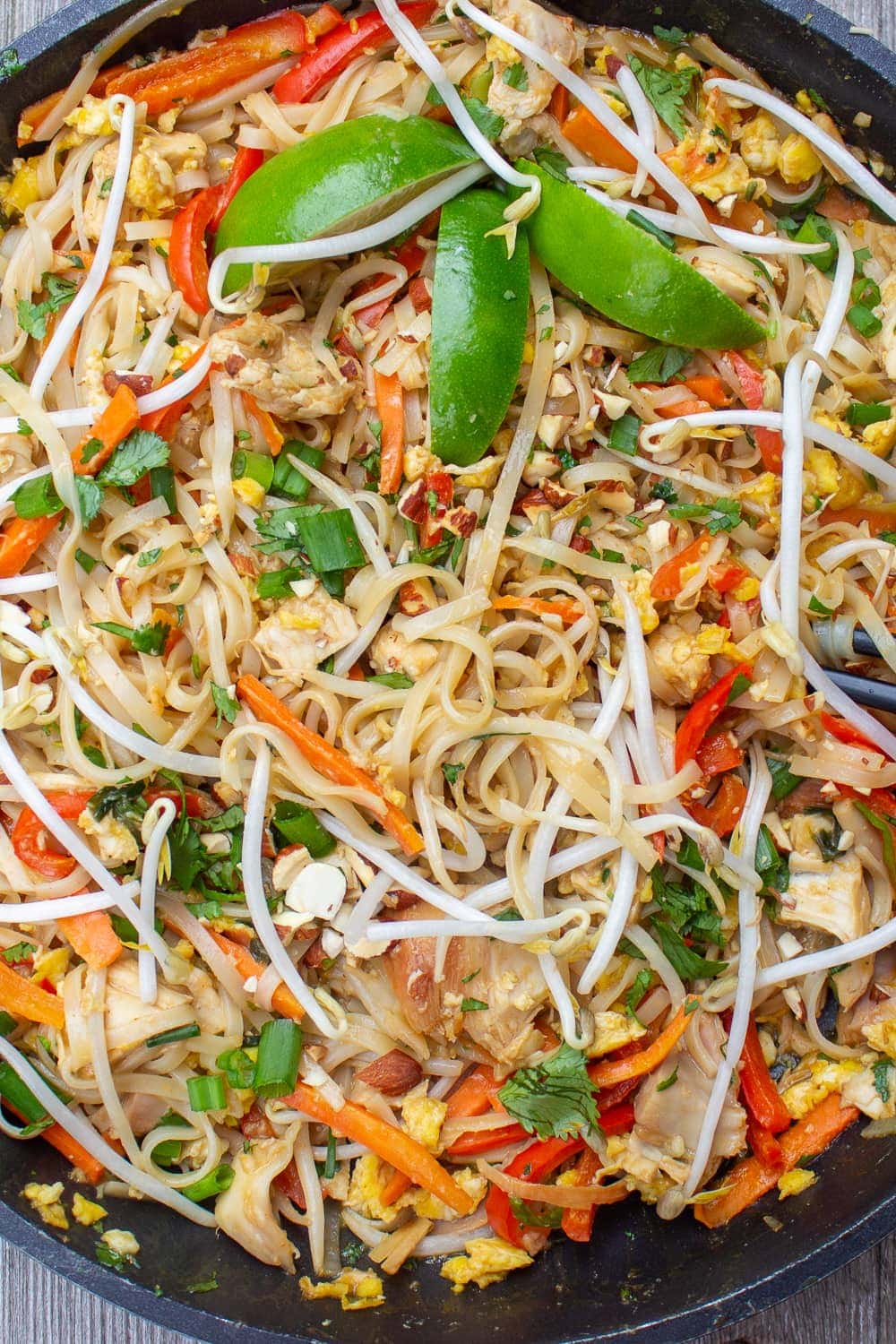
The most common mistake people make when cooking Pad Thai is overcooking the noodles.
Street vendors cook Pad Thai extremely fast over intense heat. At home the best trick is to soak noodles only until flexible, not fully soft.
They will finish cooking in the pan as they absorb the sauce. This method keeps the noodles slightly chewy and prevents them from turning sticky.
Another trick I personally use is adding bean sprouts at the last minute. The sprouts release moisture and keep the noodles from drying out.
Nutrition
What to Serve With Pad Thai
Pad Thai works beautifully as a complete meal, but it also pairs well with classic Thai sides.
Thai Spring Rolls
Crispy vegetable spring rolls offer a crunchy contrast to soft noodles.
Tom Yum Soup
A lightly spicy soup balances the sweetness of Pad Thai.
Mango Sticky Rice
This famous Thai dessert finishes the meal with a creamy tropical flavor.
Time-Saving Shortcuts for Busy Home Cooks
If you want the fastest possible version of this dish, here are a few shortcuts I personally use on busy weeknights.
- Use pre-cooked shrimp from the grocery store.
- Buy shredded carrots to save prep time.
- Use bottled Pad Thai sauce as a base and add fish sauce and lime.
- Prepare noodles and sauce earlier in the day.
Even with shortcuts, the dish still delivers strong Thai flavor.
Is This an Authentic Pad Thai Recipe
Traditional Pad Thai in Thailand often includes tamarind paste, dried shrimp, and palm sugar.
This home version simplifies those ingredients so anyone can cook it easily without visiting a specialty Asian grocery store.
Despite the simplifications, the flavor balance still follows the authentic Thai principle of combining sweet, sour, salty, and spicy notes in a single dish.
For deeper authenticity, you can add tamarind paste and dried shrimp if they are available in your local Asian market.
Other Thai Dishes You Might Enjoy
If you enjoy Pad Thai, these Thai dishes are also worth trying.
- Thai Green Curry
- Drunken Noodles
- Thai Basil Chicken
- Tom Yum Soup
- Papaya Salad
If you plan to explore Thai cuisine in Thailand itself, you can discover authentic cooking tours through platforms like GetYourGuide or check traveler reviews on TripAdvisor. Travelers often book food tours through Expedia or Booking.com when visiting Bangkok and Chiang Mai.
Pad Thai Recipe Frequently Asked Questions
Why do my Pad Thai noodles turn mushy?
This usually happens when the noodles are boiled instead of soaked. Soaking them in hot water keeps them firm enough to finish cooking in the pan.
Can Pad Thai be made vegetarian?
Yes. Replace fish sauce with soy sauce or vegetarian fish sauce and use tofu as the main protein.
What noodles are used in Pad Thai?
Pad Thai uses flat rice noodles, often labeled rice stick noodles. These noodles absorb sauce well and maintain a soft, chewy texture.
How spicy is traditional Pad Thai? Thai?
Pad Thai is usually mild. The heat level can be adjusted by adding more sriracha or chili flakes.
Can Pad Thai be stored and reheated?
Yes, but it tastes best fresh. If reheating, add a splash of water and heat quickly in a pan to restore moisture.
Final Cooking Tip
Pad Thai is all about balance and speed. Prepare every ingredient before cooking, keep the heat high, and toss the noodles quickly.
When done correctly, the dish delivers the perfect harmony of sweet, salty, tangy, and nutty flavors in every bite.
WakaAbuja has made every effort to ensure that the information in this post was correct at the time of publication. However, we do not assume any liability caused by errors such as pricing, hours, or location details. Please consult official websites or social media pages for the most up-to-date information.