
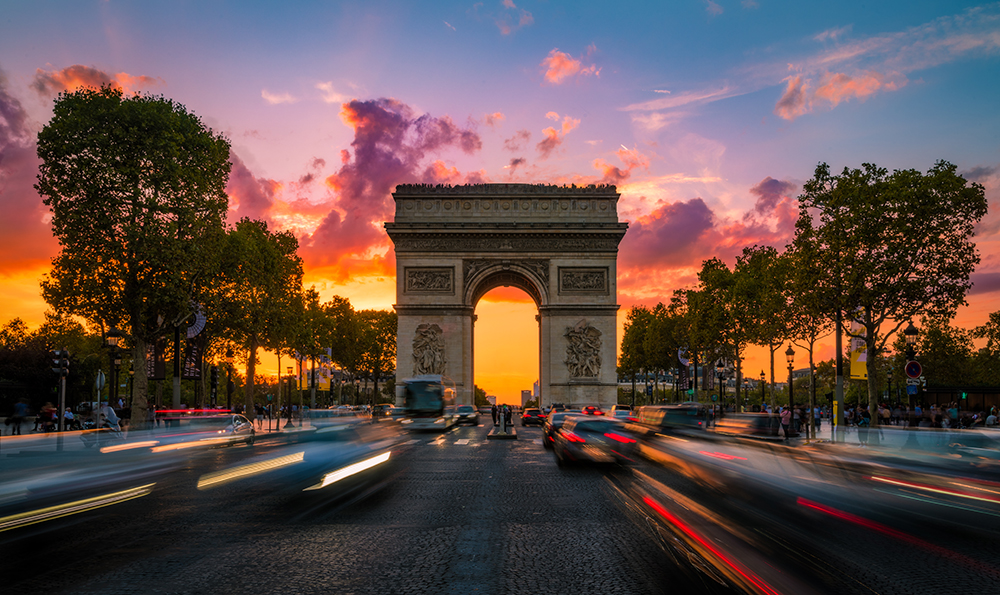
How To Experience Paris Like You’ve Been Before
Paris rewards slow, curiosity-filled travel: stay in a central neighborhood, walk as much as you can, mix the icons (Eiffel Tower, Louvre, Seine) with local pockets (canals, markets, side-street bistros), and book key tickets in advance.
- Ideal stay: 4 to 6 nights for first-timers, longer if you love food, art, or fashion.
- Average daily budget (per person): roughly 120–250 EUR for mid-range trips including accommodation, food, local transport, and a couple of paid sights.
- Get around mainly by Metro and walking; a single ride costs about 2.50 EUR in 2025 and beyond, with weekly passes offering strong value for multi-day stays.
- Book highlights and tours on trusted platforms such as GetYourGuide, Booking.com, Expedia, Agoda, and Tripadvisor for reviews and skip-the-line options.
- Best time to visit: April to June and September to early November for milder weather, fewer crowds than peak summer, and more comfortable walking days.
Key Takeaways For Planning Your Paris Trip
- Anchor yourself in a well-connected neighborhood such as the Marais, Latin Quarter, Saint-Germain, or near the Grands Boulevards for easy Metro access and walkable sightseeing.
- Plan no more than two major sights per day, then leave room to wander, café-hop, and enjoy the Seine at your own pace.
- Use the Metro for speed and your feet for discovery; the flat-ticket system makes budgeting easier and transparent in recent years.
- Prebook big-ticket attractions and popular food experiences to avoid queues, using platforms like GetYourGuide and official museum sites.
- Always keep basic safety habits: watch your bag in busy areas, especially around the Eiffel Tower, Champs Élysées, and major stations.
Why Paris Still Feels Magical On Every Visit
Every time I land in Paris, I follow the same quiet ritual: drop my bags, walk to the nearest café, order a coffee, and simply sit still for ten minutes watching the city move.
That pause always reminds me that Paris is not just about ticking landmarks; it is about rhythm, light, conversations floating out of bistros, and the simple pleasure of walking along the Seine at your own pace.
This guide brings together what I have learned from repeated visits and long stays, combining classic sights with local-style experiences so you can feel oriented from day one.
Best Things To Do In Paris: Icons, Neighborhoods, And Slow Moments
See The Big Icons Without Feeling Rushed
I recommend clustering the main landmarks so you conserve energy and time. One classic day links Notre Dame, the Île de la Cité, Sainte Chapelle, and a gentle walk towards the Louvre courtyards before sunset.
Another day can revolve around the Eiffel Tower, a Seine cruise departing near the tower, and a stroll toward the Trocadéro viewpoint round-trip. Booking timed-entry tickets for hotspots such as the Eiffel Tower and the Louvre using official websites or services like GetYourGuide can reduce waiting time dramatically, especially in spring and summer.
Explore Artistic And Bohemian Corners
Montmartre remains one of my favorite places to get lost in Paris, particularly early in the morning before the crowds arrive at Sacré Coeur.
I like starting at Lamarck-Caulaincourt Metro, wandering downhill through side streets, then looping back up towards the basilica for that wide-open city view. For a more contemporary feel, combine a visit to the Centre Pompidou area with the Marais, where small galleries, independent shops, and tucked-away courtyards let you experience a softer side of the city.
Enjoy Parks, Gardens, And The Seine Like A Local
On pleasant days, I often skip indoor attractions and spend hours in the Luxembourg Gardens or the Tuileries Gardens reading, people-watching, or picnicking with fresh bread, cheese, and fruit.
Along the Seine, the pedestrian banks around the Pont des Arts and the lower quays near Île Saint Louis are perfect for lazy promenades, casual photos, and sunset moments that feel surprisingly calm in such a famous capital. When you connect green spaces with riverside walks, Paris feels smaller, more livable, and almost neighborhood-like.
Food Experiences Worth Planning Around
Rather than chasing only famous restaurants, I focus on a mix of neighborhood bistros, bakeries, and markets. A simple, fresh baguette from a good boulangerie, a croissant eaten still warm on the street, and a long lunch menu formule at a small bistro can be just as memorable as a Michelin-starred splurge.
If you want more structured experiences, look for food tours, wine tastings, or pastry workshops via GetYourGuide or Tripadvisor, since real-time reviews help you filter out tourist traps and find guides who clearly love their craft.
Where To Stay In Paris: Best Areas For Different Travel Styles
Picking the right neighborhood matters more than having the perfect hotel room because you will spend most of your day outdoors. I think of Paris in clusters that each offer a different mood, then choose accommodation a short walk from a Metro hub to keep the whole city within easy reach.
Below are neighborhood profiles you can match with your personality and budget.
Marais: Stylish, Central, And Lively
The Marais is ideal if you want historic streets, boutiques, and a good mix of cafés, bars, and museums right outside your door. It is popular with younger travelers, creatives, and LGBTQ+ visitors, and it makes walking to the Seine, the Île de la Cité, and the Centre Pompidou very straightforward.
Why I like it: I can walk almost everywhere I care about on a short first visit and still find quieter side streets at night.
Search stays around Saint-Paul or Hôtel de Ville stations on platforms such as
Booking,
Hotels.com,
Agoda,
Kayak, or
Vrbo.
Map it:
Open Le Marais on Google Maps
Latin Quarter And Saint-Germain: Classic And Walkable
On the Left Bank, the Latin Quarter and neighboring Saint-Germain feel wonderfully atmospheric, packed with bookshops, cafés, and historic sites like the Panthéon and Luxembourg Gardens. This area suits travelers who enjoy an older Parisian vibe and do not mind slightly higher prices for that ambiance.
Why I like it: The mix of student energy, old churches, and cafés makes evenings feel relaxed but never dull.
Search stays around Odéon, Saint-Michel, or Luxembourg using
Booking,
Expedia, or
Tripadvisor for guest reviews.
Opera, Grands Boulevards, And The 9th: Practical And Connected
Around Opéra and the Grands Boulevards you will find big-name department stores, plenty of restaurants, and strong transport links, making it a practical base for first-timers. Hotels here often offer better value than the most central tourist streets while still keeping you close to major sights.
Why I like it: It balances convenience, price, and choice of dining options, especially if you are comfortable using the Metro frequently.
Look for deals via
Hotels.com,
Kayak, or
Agoda.
Canal Saint Martin And Eastern Districts: Trendy, Local-leaning
If you like a slightly more local feel with cafés, bars, and creative spaces, Canal Saint Martin and parts of the 10th and 11th arrondissements are appealing. This is where you see more Parisians hanging out along the water, particularly on summer evenings.
Why I like it: When I need a break from postcard-perfect Paris, this area feels like the everyday city where young locals live and relax.
Use
Vrbo or
Booking to find apartments and boutique stays with kitchenettes.
Typical Costs In Paris And Realistic Daily Budgets
Paris has a reputation for being expensive, but with smart decisions you can keep costs under control without sacrificing comfort.
Recent cost breakdowns from independent travel budget guides suggest that a mid-range traveler will likely spend roughly 120 to 250 EUR per day including accommodation, meals, local transport, and a couple of tickets to attractions, while backpackers might manage with 80 to 120 EUR by staying in hostels, limiting restaurant meals, and using free sights.
Higher-end trips with boutique hotels and gourmet dining easily climb above 300 EUR per person per day in central neighborhoods.
Shoestring And Backpacker Budgets
On a tighter budget, I focus on hostels or budget hotels outside the most central arrondissements, grab takeaway lunches or picnic supplies from supermarkets, and use the Metro for longer hops.
Daily costs often cover a basic dorm or budget private room, one inexpensive restaurant meal, street food or supermarket snacks, and mostly free attractions such as churches, parks, and self-guided walks.
For accommodation, filter by lowest price on
Booking,
hostel platforms, or budget options on
Vrbo.
Comfortable Mid-range Trips
For most visitors, a mid-range budget feels like the sweet spot, with a well-located three-star hotel or private apartment, two sit-down meals per day, and entry to a couple of paid attractions. I find that booking refundable rooms early through sites such as
Expedia,
Agoda, or
Hotels.com allows you to lock in better rates while keeping flexibility if your dates shift.
High-end, Special-occasion Stays
When you are celebrating something significant, Paris is an excellent place to lean into luxury, from riverfront suites and rooftop bars to tasting menus and private tours. Expect spending to reflect central locations, branded luxury hotels, and fine dining, and consider booking experiences such as evening Seine cruises with dinner, premium wine tastings, or private walking tours through GetYourGuide or Tripadvisor Experiences to make that splurge feel truly memorable.
Money-saving Tips That Do Not Sacrifice The Experience
The goal is not to strip away the joy of Paris but to spend where it actually changes your experience and cut quietly in the background. I usually apply a few rules that keep my total costs reasonable while still feeling indulgent enough.
- Use the Metro and walk instead of relying on taxis wherever possible; a single Metro or RER ride within Paris costs about 2.50 EUR this year and beyond, and weekly Navigo passes can be cost-effective for Monday to Sunday stays.
- Time your visit to make use of free or discounted museum days; many museums offer reduced rates in the evening on specific weekdays or free entry on occasional dates, which you can verify on official websites.
- Eat your main meal at lunchtime, when many bistros offer prix fixe menus that cost noticeably less than dinner specials, then keep dinner lighter with shared plates or street food.
- Take advantage of parks for picnics instead of always choosing sit-down restaurants, especially on good-weather days when the atmosphere outdoors is unbeatable.
- Book flexible accommodation early, then track prices on Booking, Expedia, Kayak, or Agoda; if rates drop, you can often rebook the same property at a lower price.
How To Get Around Paris Without Stress
Paris is one of those cities where the combination of Metro, buses, and walking lets you see a lot without needing a car. The network is dense, mostly reliable, and has become easier for visitors to understand with more English signage and simplified pricing.
Metro And RER Basics
The Metro is usually the fastest way to cross the city, while RER lines connect central Paris with suburbs and airports. As of the mid 2020s, a single Metro ticket for travel within the city typically costs around 2.50 EUR, with digital ticketing and passes such as the Navigo options available at machines and staffed counters in major stations. A weekly Navigo pass tends to be good value for visitors whose stay aligns with a Monday to Sunday period, while occasional travelers often combine single tickets and walking days instead.
Buses, Trams, And Walking
Buses are useful if you prefer seeing the streets while you move, and they are included in most ticket and pass types that work on the Metro in central zones. Trams ring the outskirts of Paris but can be handy if you stay outside the historical core. I still design each travel day as a series of walkable clusters, using the Metro only for bigger jumps between neighborhoods, because much of Paris’s charm lies in what you notice on the streets between the “official” sights.
Rideshares, Taxis, And Airport Transfers
Ride-hailing services and classic taxis are widely available but cost more than public transport, particularly during busy times or late nights. For airport transfers, the RER B train and designated airport buses present good value compared with private cars, and you can check current fares and schedules on official airport sites and city transport pages. When I arrive late at night or with heavy luggage, I sometimes justify a taxi from the airport, but for typical daytime arrivals public transport is my default.
When To Visit Paris And How Long To Stay
Best Seasons For Comfort And Fewer Crowds
In my experience, the most pleasant balance of weather, prices, and crowd levels falls in April to June and again in September to early November. Spring offers blossoms and longer days without the heavy heat, while autumn brings softer light, changing leaves in the parks, and often more availability in hotels and apartments. July and August are energetic but hotter and busier, with higher prices at central accommodations and longer lines at attractions.
Suggested Trip Lengths
For a first-time visitor, four full days feels like the minimum to see the major attractions, explore a few neighborhoods, and enjoy simple pleasures like drinking coffee at the bar instead of rushing. With six or seven days, you can add day trips to places such as Versailles or the Champagne region and still maintain a relaxed pace inside the city. Repeat visitors often find that even a long weekend can be satisfying if they focus on one or two new neighborhoods and a few carefully chosen experiences instead of the whole city at once.
How To Get To Paris From Abroad And Within Europe
Paris is one of Europe’s main transport hubs, so you can usually choose between flights, high-speed trains, and long-distance buses depending on where you start. When comparing options, I usually weigh total door-to-door time, cost, and whether train stations or airports feel more convenient for my final accommodation.
Arriving By Air
The two main international gateways are Charles de Gaulle Airport to the northeast and Orly Airport to the south. From Charles de Gaulle, many travelers use the RER B train into central Paris, airport shuttle buses, or official taxis, while Orly is connected by trams, buses, and taxis. When searching flights, I often cross-check fares on platforms such as Kayak, Expedia, and airline sites directly to see which combination of price, timing, and airport location makes most sense for my trip.
Arriving By Train
If you are coming from within Europe, high-speed trains can be a comfortable alternative to flying, especially from London, Brussels, Amsterdam, or major French cities. Paris has several main stations, including Gare du Nord, Gare de Lyon, and Gare Montparnasse, each serving different regions and international routes. I like arriving by train when possible because you step out already in the urban core, making it easier to reach your hotel by Metro or short taxi ride.
Arriving By Bus Or Car
Long-distance buses offer lower-cost routes to Paris from many European cities, though travel time is longer than trains and flights. Driving into Paris is technically possible but not usually practical for visitors, given parking rules, congestion, and environmental restrictions; I recommend dropping a rental car outside the city and using public transport once you arrive. If your itinerary includes a road trip through France, it often works best to pick up or drop off the car in a city outside Paris and use trains to link onward journeys.
Must-see Highlights With Maps, Hours, And Practical Tips
Below are a few major sights I consistently recommend, along with practical pointers and map embeds you can reuse directly in your own trip notes. Always verify opening hours and any ticket changes on official websites before you go, since seasonal schedules and renovation work can affect access.
Eiffel Tower
Seeing the Eiffel Tower up close at least once in your life is worth the hype, especially if you also make time to view it from surrounding angles such as the Trocadéro or the Champ de Mars lawns. I prefer booking a timed ticket online for late afternoon or early evening, so you can see the city in daylight and then watch the lights come alive. If you do not like heights, simply enjoying the tower from the ground and the nearby riverfront can still feel special.
Official information and tickets:
toureiffel.paris
Tours and skip-the-line options:
GetYourGuide Eiffel Tower activities,
Tripadvisor reviews
Typical opening hours vary by season; plan for roughly morning to late evening daily, with last entry times and summit access varying. Check the official site shortly before your visit for the latest schedule and any maintenance closures.
Louvre Museum
The Louvre is enormous, and treating it as a place to wander rather than a checklist makes the experience more enjoyable. I like picking one or two themes or wings in advance, such as Italian Renaissance art or Egyptian antiquities, then giving myself permission to leave once my attention fades. Lines can be long at peak times, so a timed ticket on the official site or a small-group tour through platforms such as GetYourGuide is worth considering.
Official tickets and hours: louvre.fr
Check for late-opening evenings on specific days, which can be calmer and feel more atmospheric.
Montmartre And Sacré Coeur
Montmartre is both an iconic hilltop viewpoint and a working neighborhood with daily life unfolding on its streets, so the experience changes dramatically depending on the time of day. I prefer early mornings or late evenings when the crowds thin and the streets regain a village-like feel. Sacré Coeur itself is free to enter, though there may be a fee for climbing the dome; dress modestly, keep voices soft, and remember it is an active place of worship.
Visitor info:
sacre-coeur-montmartre.com
Tours And Experiences Worth Booking
While Paris is wonderful to explore independently, a handful of guided experiences can deepen your understanding and help you cover more ground efficiently. I usually choose small-group tours with clear inclusions, good recent reviews, and guides who seem passionate about their subject rather than scripts.
- Seine river cruises in the late afternoon or evening, with or without dinner, to see major monuments from the water while resting your feet.
- Neighborhood walking tours of Montmartre, the Marais, or the Latin Quarter, often led by locals who share stories behind street names, hidden courtyards, and everyday routines.
- Food and wine experiences, from market visits followed by cooking classes to guided tastings of cheese, chocolate, or pastries.
- Day trips to Versailles, Giverny, or Champagne country for a change of scenery while keeping Paris as your base.
To compare options and real-time reviews, I check GetYourGuide, Tripadvisor Experiences, and sometimes Viator, paying attention to group size, included tickets, and cancellation policies.
Staying Safe In Paris: Practical Advice, Pros, And Cons
Paris is generally safe for visitors, but like any major city it has areas and situations that call for extra attention. The main risks most travelers encounter are petty theft, especially pickpocketing in crowded places, rather than violent crime.
Pros Of Visiting Paris Now
- World-class museums, architecture, and food within a compact, walkable area.
- Excellent public transport that reduces the need for car rentals and makes spontaneous exploring easy.
- A wide range of accommodation and tour choices, from budget to ultra-luxury, which you can filter with real-time reviews on Booking, Agoda, Hotels.com, and Tripadvisor.
- Ongoing improvements to bike lanes, public spaces, and event infrastructure as the city keeps hosting large international events.
Cons And Challenges To Keep In Mind
- High accommodation costs, especially in peak travel seasons and in central arrondissements.
- Busy crowds at major attractions and in popular districts, which can feel overwhelming during summer and holidays.
- Occasional strikes affecting transport and public services, which you should check for close to your travel dates on news and official city channels.
- Pickpocketing risks around landmarks, major transport hubs, and some tourist-frequented streets.
Street Smarts And Personal Safety Tips
I follow a simple rule set in Paris: keep valuables in a cross-body bag or money belt, avoid leaving phones on café tables at the edge of sidewalks, and stay aware when people approach with petitions or distractions. In crowded Metro trains, I move my backpack to my front and keep a hand on zippers, particularly near doors. At night, I choose well-lit streets, use reputable taxis or rideshares if I feel uncomfortable walking, and avoid poorly lit side streets when alone.
Emergency Contacts And Useful Numbers
Keep these details handy in your phone and also written somewhere offline in case you lose your device or run out of battery:
- General European emergency number: 112
- Police (emergency): 17
- Fire brigade and medical rescue: 18
- EU-wide emergency from mobile phones: 112 (works alongside national numbers)
- Non-urgent medical advice: check local health hotlines or ask your hotel to call an English-speaking doctor
For embassy contacts, insurance assistance lines, and airline phone numbers, keep a note on your phone and a printed copy in your day bag.
Exploring Beyond The Center: Day Trips And Nearby Areas
Once you feel comfortable with Paris itself, adding one or two day trips can show you a different side of France without requiring hotel changes. I usually choose destinations that are easy to reach by train or organized tours so I can relax rather than navigate complex transfers.
- Versailles for palace architecture, grand gardens, and insight into royal French history.
- Giverny for Monet’s famous gardens and the village atmosphere that inspired his paintings.
- Reims or Épernay in the Champagne region for tastings, cathedral visits, and vineyard landscapes.
- Smaller nearby towns connected by regional trains if you want a quieter day away from big-city pace.
Many travelers book group or small-group excursions to these areas through GetYourGuide or Tripadvisor to handle transport and tickets, but you can also organize your own train journeys using official rail websites and station ticket machines.
How I Structure A 4 To 6 Day Paris Stay
When I plan Paris trips for friends, I always start with their energy level and interests, then build days around loose themes instead of rigid schedules. That approach makes it easier to adapt to weather, jet lag, and unexpected discoveries while still covering the highlights.
A sample four-day structure might look like this: central islands and the historic core on day one, Louvre and Right Bank neighborhoods on day two, Eiffel Tower and Seine cruise on day three, and Montmartre plus a market or food tour on day four. With extra days, I add more free time in parks, a day trip, or a deeper dive into a single neighborhood to avoid itinerary fatigue. Whatever your schedule, keeping one open morning or afternoon with nothing planned can be the difference between a rushed trip and one that genuinely feels like a vacation.
Paris Travel FAQ: Real Questions From Visitors
Is Paris safe to visit right now for solo travelers?
For most solo travelers, Paris feels safe once you use standard big-city precautions, such as staying aware of your surroundings, avoiding flashing valuables, and using registered taxis or rideshares at night in unfamiliar areas. Pickpocketing on public transport and around landmarks is more common than violent incidents, so protecting bags, securing phone and wallet, and being cautious when approached by groups or distraction tactics will go a long way toward avoiding problems. Many solo travelers, including women, visit annually and report feeling comfortable as long as they stay in well-lit, frequented neighborhoods and trust their instincts.
How much money should I budget per day in Paris?
For a comfortable mid-range trip, budgeting around 120 to 250 EUR per person per day will usually cover a private room in a central or near-central area, two meals out, public transport, and one or two paid attractions. Budget travelers willing to stay in hostels, eat street food or self-cater, and focus on free sights can get by with less, while those who prefer high-end hotels and fine dining will spend considerably more. Using accommodation comparison tools like Booking, Agoda, Hotels.com, and Kayak helps you see how much of that daily budget needs to go toward your room or apartment on your exact dates.
Do I need to book Eiffel Tower and Louvre tickets in advance?
If you are visiting in spring, summer, or during school holidays, booking timed-entry tickets ahead of time for both the Eiffel Tower and the Louvre is strongly recommended to avoid long lines and potential sell-outs at preferred times. Off-season, you might find more flexibility, but advance tickets still give you more control over your daily schedule. Use official websites or reputable resellers such as GetYourGuide to secure tickets with clear cancellation terms and accurate timing information.
What is the best way to get from the airport to my hotel in Paris?
For most travelers, the best balance between cost and convenience is the RER train combined with the Metro or a short walk, especially from Charles de Gaulle. Airport shuttle buses are a good alternative if you have more luggage or prefer staying above ground, and official taxis are the simplest option when you arrive late at night or feel tired from long flights. If your hotel offers a shuttle or can arrange a private transfer, compare its cost with the public transport options before deciding.
Which arrondissements are best for a first visit to Paris?
For a first trip, many visitors are happiest in the 1st to 7th arrondissements or in parts of the 9th, 10th, and 11th that have strong transport connections. Areas such as the Marais, Latin Quarter, Saint-Germain, and around the Grands Boulevards give easy access to major sights while still feeling like neighborhoods. When choosing a specific place, prioritize proximity to a Metro station and check recent guest reviews on Booking, Agoda, Hotels.com, or Tripadvisor for information about noise levels, cleanliness, and how the area feels at night.
Final Travel Tip Before You Book
Before locking in your dates, I recommend creating a simple one-page plan with your top five must-do experiences, your approximate daily budget, and your preferred neighborhoods. Use that sheet as your filter while checking accommodation on Booking, Agoda, Expedia, Hotels.com, Kayak, Vrbo, and reading recent reviews on Tripadvisor, then book timed tickets for a few key sights so the framework of your trip is secure. With those essentials in place, you are free to improvise, linger in your favorite cafés, and enjoy the city the way Parisians do, one walk and one conversation at a time.
Disclaimer
WakaAbuja has made every effort to ensure that the information in this post was correct at the time of publication. However, we do not assume any liability caused by errors such as pricing, hours, or location details. Please consult official websites or social media pages for the most up-to-date information.