
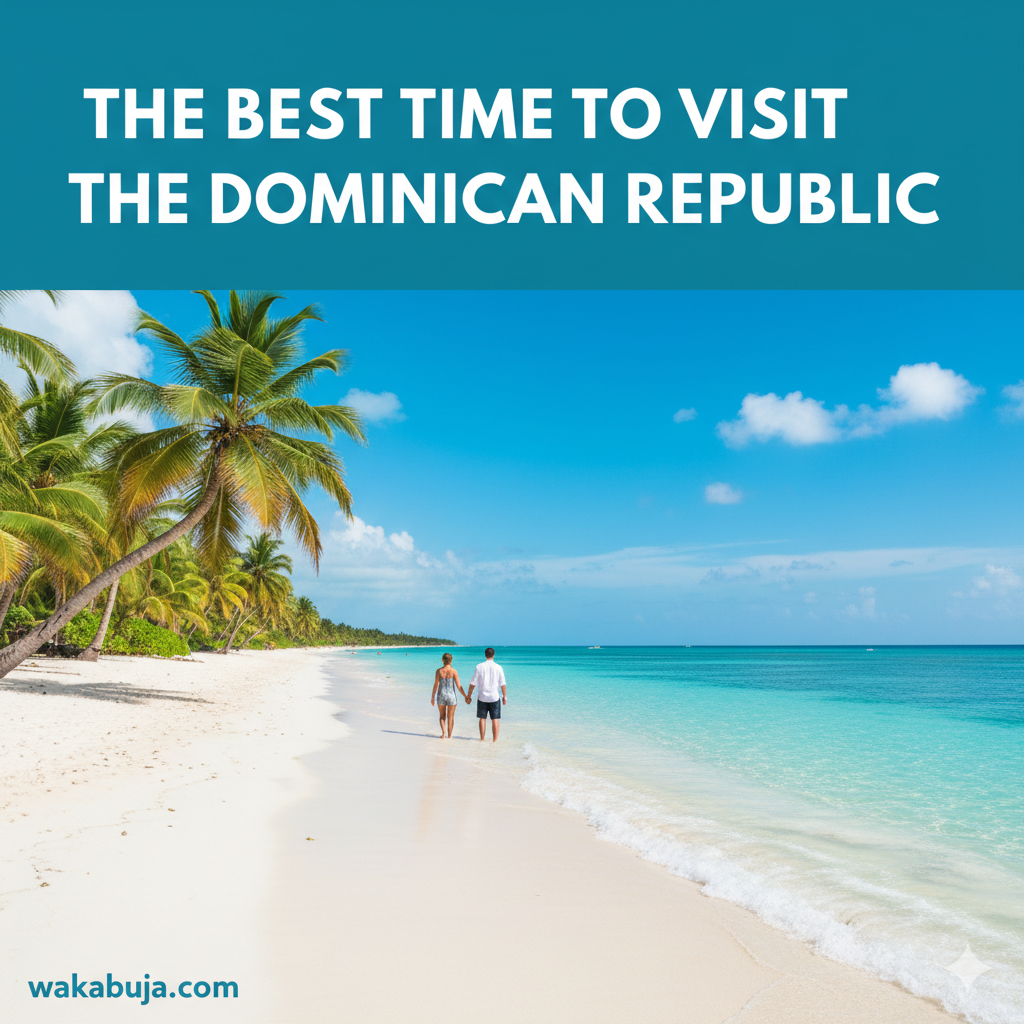
This guide covers everything you need: local insights, budgeting, safety, top things to do, where to stay, transportation tips, and more.
Why Visit the Dominican Republic? A Personal Perspective
From my travels and local conversations, the Dominican Republic is a jewel in the Caribbean with its mix of stunning beaches, historic architecture, and exhilarating outdoor adventures.
I personally felt the vibrant rhythm of merengue and bachata pulsing through every corner of Santo Domingo, and the tranquil beauty in Punta Cana’s turquoise waters reminded me why this destination has captured so many hearts.
Optimal Travel Timing: When to Go for Best Experience
The Dominican Republic’s climate revolves around two distinct seasons:
- Dry Season (December to April): Expect sunny, warm beaches and minimal rain – this period is ideal for sunbathing, island-hopping, and exploring urban and rural areas.
- Wet Season (June to November): With higher risk of hurricanes and heavy rain, travel during this time requires flexibility and vigilance. However, you can find fantastic deals and fewer crowds.
My tip: Aim for late February to early April. The weather is great, events are lively (think Carnival in February), and the tourist rush is manageable.
Essential Things to See and Do
Beyond the postcard-perfect beaches, here’s what I recommend:
- Explore Zona Colonial (Santo Domingo): Walk the cobbled streets of this UNESCO World Heritage site — a perfect blend of history, cafes, and nightlife.
- Visit Saona Island: Book a boat tour to this Caribbean paradise featuring crystal-clear waters and white sandy beaches.
- Hike in Los Haitises National Park: Discover mangroves, caves with ancient Taino pictographs, and unique wildlife.
- Experience Jarabacoa: The Dominican Alps offer waterfalls, rafting, and eco-tour adventures—my personal favorite for nature escapes.
- Dive into Local Food: Savor authentic dishes like mofongo, sancocho, and fresh seafood at local roadside stands and upscale restaurants alike.
How to Stay Safe: My Advice From Experience
I found the Dominican Republic generally welcoming and safe, but standard travel precautions apply:
- Use reputable taxis or ride-share apps instead of street hails, especially after dark.
- Keep your valuables secure and avoid flashy displays of expensive items.
- Stick to well-traveled areas at night in urban centers.
- Stay updated on weather advisories, especially during hurricane season.
Where to Stay: Top Neighborhoods and Accommodations
Punta Cana
Ideal for resort lovers and beach fans. Luxury all-inclusive resorts abound but also check out boutique hotels around Bávaro Beach for something more intimate.
Santo Domingo
Historic charm meets vibrant nightlife. Stay near Zona Colonial or Piantini for easy access to museums, restaurants, and the airport.
Samaná Peninsula
For eco-tourists and whale watchers, charming guesthouses and eco resorts offer peaceful stays surrounded by nature.
Typical Costs and Budgeting Tips
Money-saving tip: Book tours and accommodations off-season or via local contacts to get insider rates. Use local currency (Dominican Peso – DOP) for the best prices—ATMs are widely available.
Getting Around: Transportation Options Explained
- Public Transporte: “Carros públicos” (shared vans or buses) cover most routes economically but can be crowded.
- Taxis & Ride Apps: Use apps like Uber and local taxi services for convenience and safety.
- Car Rentals: Ideal for exploring beyond cities, but drive cautiously—roads can be challenging.
- Domestic Flights: Quick options between key cities (Santo Domingo, Punta Cana, Samaná).
How to Get There: Flight & Entry Essentials
Direct international flights serve the main airports at Punta Cana (PUJ) and Santo Domingo (SDQ). Many US and European travelers find great connections through Miami, New York, or Madrid.
Entry requirements generally include a valid passport and tourist card (often included in your airfare). Always check the Dominican government’s official site or embassy for the latest visa policies.
Tours and Excursions Worth Booking
- Saona Island day trips – snorkeling, sunbathing, and authentic beach vibes.
- Whale watching in Samaná Bay (seasonal: January to March).
- Adventure trekking and waterfall explorations in Jarabacoa.
- Historical tours of Santo Domingo’s Zona Colonial.
Ideal Length of Stay for a Fulfilling Visit
From my experience, spending at least 7 to 10 days allows you to enjoy both cultural hubs and natural escapes without rushing. A split itinerary between Santo Domingo and the beach areas like Punta Cana or Samaná strikes a perfect balance.
Emergency Contacts and Traveler Safety Resources
Advantages and Disadvantages of Visiting
Pros
- Warm climate and year-round sunshine outside hurricane season.
- Diverse experiences from beaches to mountains and cultural cities.
- Relatively affordable travel costs compared to other Caribbean islands.
- Friendly locals with rich cultural heritage.
Cons
- Hurricane risk and occasional heavy rains mid-year and fall.
- Some areas can be tourist-heavy and overpriced.
- Infrastructure outside major cities can be underdeveloped for travelers seeking comfort.
Frequently Asked Questions About Visiting the Dominican Republic
What is the best time to avoid hurricanes?
The best time to avoid hurricanes is from December through April, during the dry season when the weather is most stable and sunny.
Is the Dominican Republic safe for solo travelers?
Yes, especially in tourist areas and during the day. Following common precautions like avoiding isolated areas at night and using official transport keeps you safe.
How much money should I budget per day?
A daily budget of $60–100 is comfortable for mid-range travel including lodging, food, and activities, but budget travelers can manage on less with local transport and street food.
Do I need vaccines before traveling?
Routine vaccines are recommended, and Yellow Fever vaccination is advised if arriving from certain countries. Check the CDC website or your doctor before traveling.
What language is spoken locally?
Spanish is the official language, but English is widely spoken in tourist areas.