advertisement
California’s Central Valley is a 450-mile agricultural corridor stretching from Redding to Bakersfield, offering visitors a mix of farm-to-table dining, underrated wine regions, national park gateways, and multicultural food scenes that most tourists completely bypass on their rush between Los Angeles and San Francisco.
I spent a week driving Highway 99 from bottom to top two Octobers ago, and I will be honest: the Central Valley does not hand you postcard moments the way Big Sur does. You have to know where to pull off. Chidi, our road trip obsessive at WakaAbuja, once described the Valley as “California with the filter off,” and that stuck with me. You find the real things here: the best Punjabi food in North America, orchards that stretch to the horizon, wine trails where the pourer is often the owner, and national park entrances that get a fraction of the crowds you see at Yosemite’s west gate.
This guide covers the cities, the food, the outdoor escapes, and the practical stuff Wikipedia will not tell you.
Jump to: What Is the Central Valley? | City-by-City Guide | Things to Do | Food & Wine | Where to Stay | Best Time to Visit | Road Trip Routes | Day Trips | Agritourism | Outdoor Recreation | FAQ
Key takeaways
- The Central Valley is not a single destination; it is a 450-mile corridor best explored by car, with distinct food, culture, and landscape shifts between the Sacramento Valley in the north and the San Joaquin Valley in the south.
- Sacramento is the cultural anchor with a legit farm-to-fork dining scene, while Fresno and Visalia are the practical bases for Sequoia and Kings Canyon National Parks.
- Lodi wine country produces some of California’s best old-vine Zinfandel, and tastings here cost a fraction of what you pay in Napa.
- Summer temperatures routinely exceed 100 degrees Fahrenheit in the southern valley; plan outdoor activities for early morning and carry far more water than you think you need.
- The Valley’s multicultural food scene, from Hmong markets in Fresno to Sikh Punjabi dhabas in Yuba City, is arguably the most underrated eating road trip in the United States.
What is the Central Valley, and why should I visit?
The Central Valley is California’s flat, fertile middle, running roughly 450 miles from Redding in the north to Bakersfield in the south. The Sacramento River drains the northern half, the San Joaquin River drains the southern half, and together they create one of the most productive agricultural regions on the planet. More than 230 different crops grow here. The Valley feeds a huge portion of the United States, and that abundance shapes everything about visiting: the food, the festivals, the roadside fruit stands, the wine, and the rhythms of daily life.
Most travelers know the Central Valley only as the hot, blurry stretch of Interstate 5 between LA and the Bay Area. That is like knowing Paris only from the Charles de Gaulle airport terminal. The Valley rewards travelers who exit the freeway. You find downtown Sacramento’s tree-lined streets, Lodi’s unpretentious tasting rooms, Fresno’s extraordinary Hmong and Lao kitchens, Bakersfield’s honky-tonk country music heritage, and the quiet back roads that lead to Sequoia groves and river gorges. This is not a glamorous California postcard. It is a deeper, more honest one.
Fatima’s honest take: “The Central Valley is the California you eat three times a day without knowing it. Once you start connecting the almond orchards, the farmers’ markets, and the Punjabi truck stops, you cannot unsee it. Go hungry, and get off I-5.”
Which Central Valley cities are worth visiting?
Sacramento
California’s capital anchors the north valley with a genuinely excellent food scene, Gold Rush history, and a walkable downtown grid shaded by old trees. The Midtown neighborhood is where you want to be. Visit the Crocker Art Museum, the oldest public art museum in the West, and walk the railroad history exhibits at the California State Railroad Museum in Old Sacramento. The American River Parkway offers miles of cycling and running paths along the water. For dinner, the farm-to-fork restaurants on K Street and in the Handle District back up the city’s marketing slogan. Check the TripAdvisor listings for current top-rated spots.
Fresno
Fresno is the largest city in the San Joaquin Valley and the gateway to Sequoia and Kings Canyon National Parks. The parks are the main draw, but the city itself rewards a day of exploration. The Fresno Chaffee Zoo has a well-regarded African savanna exhibit. The Forestiere Underground Gardens, a network of subterranean rooms and courtyards hand-dug by a Sicilian immigrant over 40 years, is genuinely unlike anything else in California. The Hmong and Lao food here is nationally significant; Fresno’s Hmong New Year celebration each winter is one of the largest in the country. Book hotels in Fresno through Booking.com for the widest selection near the Highway 41 corridor to the parks.
Bakersfield
Bakersfield occupies the southern end of the Valley and carries a distinct cultural identity tied to country music, oil, and Basque heritage. The Bakersfield Sound, Buck Owens’ Crystal Palace, and the Kern County Museum tell this story. The city is also a practical base for the southern Sierra Nevada, including the Kern River Canyon for whitewater rafting. Basque restaurants like Wool Growers and Pyrenees Cafe serve multi-course family-style meals that are a local institution. Bakersfield gets brutally hot in summer; if you visit between June and September, schedule any outdoor activity for before 10 a.m.
Modesto
Modesto is George Lucas’s hometown and the setting for *American Graffiti*. The downtown core has seen a revitalization push, anchored by the Gallo Center for the Arts and a growing number of independent restaurants. It is a smaller, quieter stop than Sacramento or Fresno but a solid lunch break on a north-south valley road trip. The nearby McHenry Mansion offers a free slice of Victorian history.
Stockton
Stockton sits on the deepwater channel of the Sacramento-San Joaquin Delta and has a surprising waterfront. The Haggin Museum in Victory Park covers local history and art. The city’s diversity is its strongest asset; you find excellent Mexican, Filipino, and Southeast Asian food across the neighborhoods. The annual Stockton Asparagus Festival, typically held in April, celebrates the region’s most famous crop with deep-fried asparagus and a surprisingly fun small-city festival atmosphere.
Visalia
Visalia is the best base for Sequoia National Park if you want a town with a proper historic downtown and good restaurants rather than a roadside motel cluster. Main Street has independent coffee shops, breweries, and a farmers’ market on Saturday mornings. The park entrance at Three Rivers is about 45 minutes east. Visalia often gets overlooked in favor of Fresno, but the downtown is more pleasant to walk, and the park access is comparable. Check Agoda for competitive rates on Visalia hotels.
What are the best things to do in the Central Valley?
https://www.instagram.com/reel/DZbWVjzJ47Y/
National parks access
Sequoia and Kings Canyon National Parks are the heavyweight attractions. From Fresno or Visalia, you drive east into the Sierra Nevada and enter a world of giant sequoia groves, granite peaks, and deep river canyons. The General Sherman Tree in Sequoia is the largest tree on Earth by volume. Kings Canyon rivals Yosemite for grandeur with far fewer visitors. Pinnacles National Park, west of the Valley near Hollister, is a newer park known for condors and talus caves.
Wine tasting in Lodi
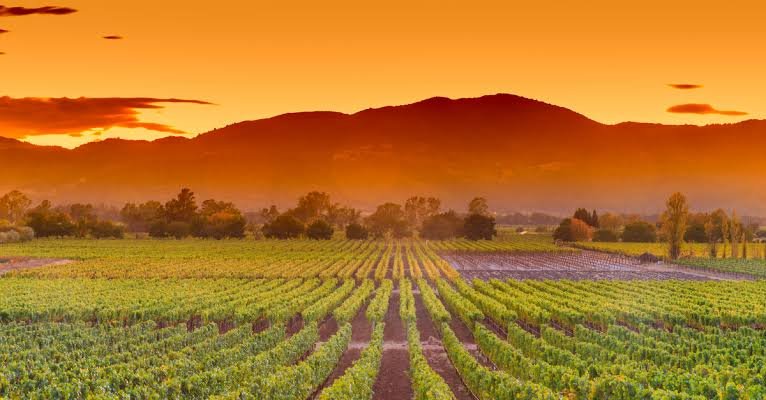
Lodi wine country sits south of Sacramento and produces old-vine Zinfandel that commands respect from serious wine people. The tasting rooms are unfussy, the pourers talk soil rather than status, and the fees are refreshingly low. Michael David Winery and Harney Lane are solid starting points. Book a guided tour through GetYourGuide if you want a driver.
Whitewater rafting on the Kern and Kings Rivers
The Kings River, flowing out of Kings Canyon, and the Kern River, east of Bakersfield, offer legitimate Class III to V whitewater in spring and early summer. Outfitters run half-day and full-day trips. Snowmelt dictates the season; peak flows typically hit in May and June. Do not attempt these rivers without a guide unless you have verified skills and local knowledge.
Wildlife refuges and birdwatching
The Pacific Flyway runs directly through the Central Valley, and the winter months bring massive flocks of snow geese, sandhill cranes, and ducks to the region’s wildlife refuges. The Merced National Wildlife Refuge and the Sacramento National Wildlife Refuge near Willows are spectacular from November through February. The sight and sound of tens of thousands of geese lifting off at dawn is worth setting an early alarm.
What food and wine is the Central Valley known for?
The Central Valley grows an extraordinary share of America’s produce, nuts, and fruit, and the food culture reflects that agricultural abundance in ways that are more direct and less curated than coastal California. You eat what is in season because it came from the field that morning. Roadside fruit stands on Highway 99 sell oranges, cherries, peaches, and almonds at prices that will make a city grocery shopper weep. The annual Fresno County Fruit Trail map, available from the tourism board, guides you to dozens of these stands and u-pick orchards.
The multicultural food landscape is the real revelation. Yuba City, north of Sacramento, is home to one of the largest Punjabi Sikh communities outside India. The Punjabi dhabas here, particularly along Highway 99, serve some of the best Indian food in North America. Order saag paneer, tandoori roti, and chai at a truck stop and you will understand why locals drive from Sacramento just for lunch. Fresno’s Hmong and Lao communities have built a vibrant food scene: Hmong sausage stalls at the Fresno State farmers’ market, Lao papaya salad shops, and pho restaurants that reflect Southeast Asian refugee resettlement history. The Armenian food in Fresno, including bakeries making fresh lahmajoun, is another deep cultural food tradition rooted in the city’s immigrant history.
Lodi wine country deserves its own trip. The Lodi AVA has over 100,000 acres of vines, and many of the old-vine Zinfandel plantings date back to the late 1800s. The region also produces excellent Spanish and Portuguese varietals, including Tempranillo and Albarino. Tasting fees as of this year typically range from $10 to $20, often waived with a bottle purchase. Check the Lodi Winegrape Commission website for current tasting room hours and seasonal events.
Where should I stay in the Central Valley?
Sacramento offers the widest range of accommodations, from the Kimpton Sawyer downtown to budget motels along the I-5 corridor. Midtown boutique hotels and Airbnbs put you within walking distance of restaurants and nightlife. Book through Expedia for Sacramento hotel and flight packages. In Fresno, the area near River Park and the Woodward Park neighborhoods offers newer hotels with easy freeway access to the national parks. Visalia’s downtown has the darling Darling Hotel and several chain options within walking distance of Main Street.
For a more distinctive stay, look for farm stays and vineyard accommodations. Several Lodi wineries offer guest cottages among the vines. The Central Valley also has a growing number of glamping setups near the national park entrances. For families or larger groups, Vrbo lists entire homes in residential Sacramento and Visalia neighborhoods that often cost less per night than two hotel rooms. If you are chasing hotel loyalty points, Hotels.com covers most of the major chains along the Highway 99 corridor.
What is the best time of year to visit the Central Valley?
Spring, from late February through April, is the Central Valley at its most beautiful. Almond orchards explode in pink and white blossoms, the hills are briefly green, and daytime temperatures sit comfortably in the 60s and 70s Fahrenheit. The Fresno County Blossom Trail is a self-guided driving route through the orchards that peaks in late February and early March. Wildflower blooms in the Sierra foothills east of the Valley also peak in spring, making it the ideal window for pairing Valley stops with park visits.
Autumn, from late September through November, is the runner-up. Harvest season brings festivals, grape stomps in Lodi, pumpkin patches, and cooler temperatures. The tule fog, a dense ground fog that settles into the valley in winter, typically does not begin in earnest until December. Fall is also the best window for hiking in Sequoia and Kings Canyon before snow closes the high country.
Summer is hot, genuinely and dangerously so. Fresno and Bakersfield routinely exceed 100 degrees from June through early September. If you visit in summer, plan outdoor activities for the early morning, carry at least a gallon of water per person per day, and never leave children or pets in a parked car. Winter brings the tule fog, which can reduce visibility on Highway 99 to near zero. Driving at night in fog season requires extreme caution. The reward for winter visitors is the wildlife refuge spectacle and empty tasting rooms in Lodi.
How do I road trip the Central Valley?
Highway 99 is the spine of the Central Valley, running roughly parallel to Interstate 5 but connecting the actual cities rather than bypassing them. A full north-south Valley road trip along Highway 99 runs about seven to eight hours of driving time from Red Bluff to Bakersfield without stops. Break it into two or three days to do it right. Start north, in Sacramento or Chico, and work south, stopping in Lodi for wine, Fresno for food and a park detour, and Bakersfield for Basque dinner.
Interstate 5 is the fast, dull route. You take I-5 when you need to cover ground quickly, not when you want to experience the Valley. The one I-5 stop worth making is Harris Ranch, a massive cattle operation with a restaurant serving genuinely good steaks. It is a cultural landmark as much as a meal stop. For a slower, more scenic alternate, the back roads of the Delta region, southwest of Sacramento, wind through levee-lined islands, pear orchards, and tiny towns like Locke and Isleton that preserve the region’s Chinese American history.
What are the best day trips from Central Valley cities?
From Fresno or Visalia: Sequoia and Kings Canyon National Parks are an hour to ninety minutes east. Leave early, ideally by 7 a.m., to beat the entrance station lines in summer. You can see the General Sherman Tree and the Kings Canyon overlook on a long day trip, but an overnight in the park or in Three Rivers is better.
From Sacramento: Lake Tahoe is roughly two hours east via Highway 50. Napa and Sonoma wine country sits ninety minutes west. The Gold Country towns of Placerville and Auburn, with their 49er history and riverside dining, are under an hour east in the Sierra foothills.
From Bakersfield: The Kern River Canyon, Lake Isabella, and the southern Sequoia National Forest are an hour east. Death Valley National Park is about three and a half hours northeast, making Bakersfield a common overnight stop for travelers connecting between Death Valley and the coast.
From Stockton or Modesto: San Francisco is roughly ninety minutes west. Monterey and Big Sur are about two and a half hours southwest, making these Valley cities practical lower-cost bases for Bay Area explorations if you do not mind the drive.
How do I experience farm life and agritourism in the Central Valley?
The Central Valley is America’s produce aisle, and agritourism is the most direct way to engage with that identity. U-pick farms operate across the region, rotating by season: strawberries and cherries in late spring, peaches and nectarines in midsummer, apples and pumpkins in fall. The Fresno County Fruit Trail website publishes seasonal maps each year. Call ahead the morning of your visit; u-pick availability changes daily based on ripeness and weather.
The almond blossom season in February is a legitimate natural spectacle. The orchards from Modesto down to Bakersfield turn pinkish-white, and the air smells sweet. There is no ticket booth for this; you just drive the back roads. The Fresno County Blossom Trail map gives you a marked route. Sunflower fields bloom in late spring and early summer, particularly around the Dixon area west of Sacramento. These are working farms, not tourist attractions, so stay on public roadsides and do not enter private property without permission.
Farmers’ markets operate year-round in most Valley cities, with the summer months bringing the fullest selection. The Saturday market in downtown Visalia, the Tuesday market in midtown Sacramento, and the Vineyard Farmers Market in Fresno are all excellent. You will find produce at prices that will recalibrate your sense of what a tomato should cost.
What is the cultural history of California’s Central Valley?
The Central Valley’s human story goes back millennia. The Yokuts, Miwok, Maidu, and other indigenous peoples lived in the Valley long before European contact, managing the land through controlled burns and harvesting the abundant wetland resources. The Yokuts in particular built a complex society around the Tulare Lake basin, once the largest freshwater lake west of the Mississippi, which was drained for agriculture in the late 19th and early 20th centuries.
The farm labor movement that reshaped American labor rights was born here. Cesar Chavez and Dolores Huerta organized the United Farm Workers in Delano, and the Forty Acres site east of Delano remains a National Historic Landmark that visitors can see. The Dust Bowl migration of the 1930s, immortalized in John Steinbeck’s *The Grapes of Wrath*, brought hundreds of thousands of Oklahomans and Texans to the Valley’s farms. That story runs deep in Bakersfield’s country music heritage. More recently, Southeast Asian refugee communities, particularly Hmong, Lao, and Cambodian, have added new layers to the Valley’s agricultural and food cultures.
What outdoor activities can I do in the Central Valley?
The national parks dominate the outdoor conversation, but the Valley and its edges hold far more. Bass Lake, south of Yosemite near Oakhurst, offers boating, swimming, and fishing in a warm Sierra foothill setting. The San Luis Reservoir west of Los Banos is a windsurfing and kiteboarding destination due to consistent afternoon winds. The American River Parkway in Sacramento provides 32 miles of paved multi-use trail for cycling and running along the river.
Hiking in the Sierra Nevada foothills, the transitional zone between the valley floor and the high peaks, offers spring wildflowers, oak woodlands, and fewer crowds than the national park trails. The Table Mountain area near Oroville puts on an extraordinary wildflower show in March and April. For fishing, the Delta region west of Stockton offers some of the best bass fishing in the country. California Department of Fish and Wildlife licensing applies to all fishing in the state.
What practical tips should I know before visiting the Central Valley?
Weather and packing
Summer means triple-digit heat. Pack lightweight, light-colored clothing, a wide-brimmed hat, sunglasses, and the strongest sunscreen you trust. Carry at least a gallon of water per person per day on any day that involves outdoor activity. Winter tule fog requires warm layers and extreme driving caution; visibility can drop to near zero without warning, and Highway 99 pileups in fog are a real, recurring danger.
Distances and driving
The Central Valley is large. Sacramento to Bakersfield is roughly 280 miles, a five-hour drive without stops. Gas stations can be sparse on the rural stretches between cities; keep your tank above a quarter full. Rideshare services work in the major cities but are unreliable for intercity travel. You need a car to explore the Valley properly. Check rental car rates on Kayak before you book.
Budget expectations
The Central Valley is one of the most affordable regions for travel in California. A decent motel room runs $80 to $130 per night in most cities. Restaurant meals cost less than in coastal metros. Wine tasting in Lodi is dramatically cheaper than Napa. A Central Valley road trip can easily cost half of what a comparable-length coastal California trip would run, and that is part of the appeal.
What mistakes do travelers make in the Central Valley?
Assuming it is all flat and boring. The Valley floor is flat, but the eastern edge slams into the Sierra Nevada in dramatic fashion. Kings Canyon is deeper than the Grand Canyon in places. Do not judge the whole region by the I-5 rest stop view.
Underestimating the summer heat. Heatstroke is a real risk. Hiking in 105-degree weather without enough water can kill you. Plan outdoor activity for dawn or skip it entirely in the hottest months.
Driving in tule fog at speed. When fog reduces visibility to fifty feet or less, slow down significantly and use fog lights or low beams. High beams reflect off fog and make visibility worse. If it is too thick, pull off at an exit and wait.
Skipping the cities entirely. The Valley’s cities are not theme parks, but they contain the food, history, and culture. A trip that only stops at national park trailheads misses the whole point of being here.
Not checking park access ahead of time. Sequoia and Kings Canyon roads close seasonally for snow. Generals Highway can close in winter storms. Check the National Park Service website for current conditions before you drive hours to an entrance gate that is closed.
Frequently asked questions
What is the Central Valley of California known for?
The Central Valley is known as one of the world’s most productive agricultural regions, growing over 230 different crops and supplying a large share of US produce, nuts, and dairy. It is also known for its national park gateways, wine regions, and multicultural food scene shaped by generations of immigrant communities.
Is the Central Valley worth visiting on a California road trip?
Yes, if you are interested in food, wine, national parks, or understanding California beyond the coastal cities. The Valley offers affordable travel costs, excellent farm-to-table eating, and park access with fewer crowds than Yosemite’s popular west entrance.
What are the main cities in the Central Valley?
The major cities are Sacramento (the state capital), Fresno, Bakersfield, Stockton, Modesto, and Visalia. Each serves as a regional hub with distinct cultural identities, food scenes, and access to outdoor recreation.
How far is the Central Valley from Yosemite?
Yosemite National Park’s west entrances are roughly two to three hours east of Central Valley cities like Modesto and Merced. Fresno and Visalia are closer to Sequoia and Kings Canyon National Parks, which offer similar Sierra Nevada scenery with fewer crowds.
What is the weather like in the Central Valley?
Summers are very hot, regularly exceeding 100 degrees Fahrenheit in the southern valley. Winters are mild and damp, with dense tule fog that can severely reduce driving visibility. Spring and autumn offer the most pleasant temperatures and seasonal beauty like almond blossoms and harvest festivals.
How many days do you need to explore the Central Valley?
Three to four days allows a solid north-south road trip with stops in Sacramento, Lodi, and a national park. A week gives you time to add Bakersfield, the wildlife refuges, and a deeper dive into the food scenes in Fresno and Yuba City.
Plan your trip: booking platforms we trust
The WakaAbuja team has used these platforms across multiple California road trips. Each one fills a specific need for Central Valley travel planning.