
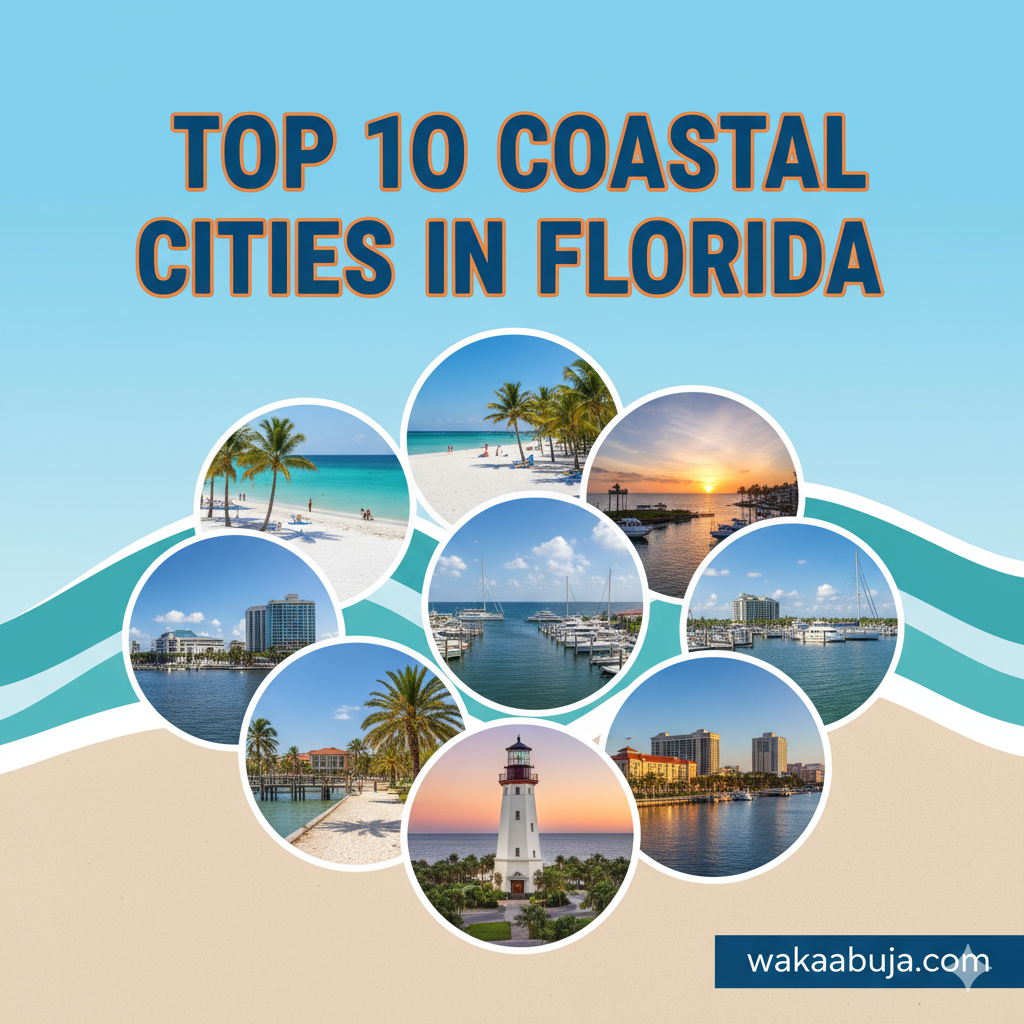
Explore Florida’s Top Coastal Cities: Why These 10 Made the List
Florida’s coastline stretches over 1,300 miles, hosting some of the most stunning beaches, vibrant cities, and rich cultural experiences in the U.S.
I chose these cities based on visitor appeal, unique local character, accessibility, and safety standards. Each place offers something distinct – from nightlife hotspots to serene nature escapes. Here’s what you must know to plan your trip right.
Top 10 Coastal Cities in Florida: Dive Into Detailed Visitor Guides
Miami: The Vibrant Urban Beach Experience
What to See and Do: From the iconic South Beach and Art Deco Historic District to the Wynwood Walls street art, Miami combines energetic city life with gorgeous sun-drenched beaches. My personal favorite is an early morning stroll along Ocean Drive to watch the sunrise.
Where to Stay: For convenience and atmosphere, I recommend staying in South Beach near Collins Avenue. Options range from luxury hotels like the Fontainebleau Miami Beach to charming boutique guesthouses.
Typical Costs & Suggested Budgets: Miami can be pricey. Expect accommodation around $200-$400 per night for mid to high-end hotels. Dining at local seafood spots costs about $30-$60 per person. Budget travelers can find hostels and Airbnb options for $50-$100 per night.
Money-Saving Tips: Use free public beaches like Lummus Park Beach, explore free Wynwood art on foot, and take advantage of happy hour specials in the Brickell area for affordable drinks and bites.
How to Get Around: Miami’s public transit includes Metrobus and Metrorail; however, rideshares and rental scooters are convenient for short distances. Parking can be challenging, so plan accordingly.
When to Go: Late fall through early spring offers the best weather, with fewer crowds and mild temperatures.
Emergency Contacts: Miami-Dade Police: 305-555-5555 | Nearest Hospital: Jackson Memorial Hospital, Google Maps
Pros: World-class beach, bustling nightlife, rich culture.
Cons: High costs, traffic congestion.
Key West: Island Charm and Authentic Floridian Vibes
Must-Know Activities: Visit Ernest Hemingway’s Home, enjoy snorkeling at the coral reefs, and catch the sunset at Mallory Square — one of my best-kept secrets for breathtaking views and local street performances.
Where to Stay: Quaint inns and boutique hotels near Duval Street offer both comfort and proximity. I favor small B&Bs to soak up island hospitality.
Costs & Budgets: Mid-range lodgings range $150-$300 per night; meals average $20-$50. Budget with rentals or camping options at John Pennekamp Coral Reef State Park.
Budget Tips: Use the Duval Loop bus for free travel within Old Town. Eat at iconic spots like El Siboney for affordable yet delicious Cuban food.
Getting Around: Walking and bicycles are the best ways to explore Key West’s compact layout, making it a stress-free experience.
When to Visit: November through April brings pleasant weather and festive events.
Emergency Info: Monroe County Sheriff’s Office: 305-555-2400 | Florida Keys Medical Center: Google Maps
Pros: Unique island culture, walkable city, rich history.
Cons: Can be tourist-crowded, limited public transport outside town center.
St. Augustine: America’s Oldest City with Timeless Coastal Appeal
Things to Do: Explore Castillo de San Marcos, stroll cobblestone streets, and enjoy authentic Spanish cuisine. Personally, nighttime ghost tours added a memorable thrill to my visit.
Accommodation: Historic inns blend old-world charm with modern comfort. I recommend staying downtown for easy access to landmarks.
Budget Overview: Average hotel prices hover around $120-$250 per night. Dining at local eateries can be both affordable and authentic in the $15-$40 range.
Money-Saving Ideas: Consider a city pass for combined admission to multiple attractions. Free public beaches offer sunny escape without cost.
Transport Options: St. Augustine is very walkable but also offers trolley tours which I found informative and convenient.
Best Times to Visit: Spring and fall provide ideal weather with fewer tourists.
Emergency Contacts: St. Augustine Police: 305-555-2222 | Flagler Hospital: Google Maps
Pros: Rich history, manageable crowds, affordable prices.
Cons: Summers can be hot and humid.
Clearwater Beach: Family-Friendly Fun with Pristine White Sands
Top Activities: Relax on sugar-white beaches, visit the Clearwater Marine Aquarium, and enjoy vibrant Pier 60 Sunset Festival. I found it perfect for families with plenty of kid-friendly spots.
Stay Options: Resorts and condos abound; Pier 60 area offers high convenience. I prefer places with ocean views for the full experience.
Typical Spending: Hotel prices range from $150-$300. Dining and entertainment fit well into moderate budgets, averaging $25-$55 per meal and activity.
Money-Saving Strategies: Visit attractions during off-peak weekdays and use multi-attraction tickets.
Transport: Rental cars are handy, but local trolleys and bike rentals make exploration easier and eco-friendly.
Best Visiting Period: Spring and fall have the best balance of weather and crowd levels.
Emergency Contacts: Clearwater Police: 305-555-3333 | Mease Countryside Hospital: Google Maps
Pros: Clean beaches, safe environment, family friendly.
Cons: Can be expensive during peak seasons, parking fees.
Fort Lauderdale: The Venice of America with Stunning Canals & Nightlife
Must-See Experiences: Cruise the Intracoastal Waterway, explore Las Olas Boulevard, and relax on Fort Lauderdale Beach. As a local tip, sunset cruises are a magical way to wind down the day.
Accommodations: Hotels along the beach offer great views; downtown has trendy boutique options. I like staying near the beach for easy morning swims.
Budget Insight: Hotel prices range $150-$350 per night; dining will vary but average $30-$60 per person for mid-tier restaurants.
Saving Money: Use water taxis for affordable transport and dine during lunch specials on Las Olas Boulevard.
Transportation: Water taxis, rental bikes, and rideshares work well. Parking can be limited around the beach.
When to Go: Winter to early spring is ideal for pleasant weather and outdoor activities.
Emergency Numbers: Fort Lauderdale Police: 305-555-4444 | Broward Health Medical Center: Google Maps
Pros: Scenic canals, vibrant night scene, proximity to Miami.
Cons: Can be crowded on holidays, expensive parking.
Essential Travel Tips for Florida’s Coastal Cities
How to Stay Safe
- Always swim near lifeguards and heed beach warnings.
- Keep personal belongings secure, especially in tourist-heavy spots.
- Stay hydrated and use sunscreen liberally under the strong Florida sun.
- Know emergency contacts for each city and local law enforcement.
- Check weather forecasts during hurricane season (June–November).
Getting Around Wisely
- Leverage public transportation and bike rentals in walkable cities.
- Use rideshare apps for safe, on-demand rides—especially at night.
- Plan parking ahead; many popular coastal spots have limited free parking.
- Consider renting a car for wider exploration outside city centers.
Typical Costs & Suggested Budgets: What to Expect
Accommodation
Mid-range hotels: $120–$350 per night. Budget options: Hostels, motels, or Airbnb rooms $50–$100. Luxury resorts $400+.
Dining
Casual dining averages $15–$40 per meal. High-end restaurants run $50+. Local food trucks or markets offer affordable and authentic meals.
Transportation & Tours
Public transit: $2-$5 per ride. Rental bikes/scooters $10-$25 per day. Popular tours (boat, snorkel) $50-$100 per person.
Frequently Asked Questions About Florida’s Coastal Cities
What is the best time to visit Florida’s coastal cities?
The best time is from late fall to early spring (November to April), when the weather is mild and humidity is lower. Avoid summer months if you dislike heat and peak tourist crowds.
How can I save money during my Florida coastal trip?
Plan visits in shoulder seasons, use free beaches, opt for public transport or bike rentals, eat at local eateries away from tourist hotspots, and book accommodations early for better rates.
Are Florida’s coastal cities family-friendly?
Many, such as Clearwater Beach and St. Augustine, offer a family-friendly atmosphere with calm water beaches, educational attractions, and safe environments. Always check local amenities suited to children.
What should I pack for a Florida beach trip?
Bring light, breathable clothing, swimwear, a hat, high SPF sunscreen, insect repellent, reusable water bottles, and a good pair of walking shoes or sandals.
Is it safe to visit these coastal cities during hurricane season?
Hurricane season runs from June to November. It’s generally safe with advanced weather tracking and evacuation plans. However, plan accordingly and stay updated with official weather alerts.
Protect your trip with travel insurance and stay flexible to make the most of Florida’s beautiful coastlines.