
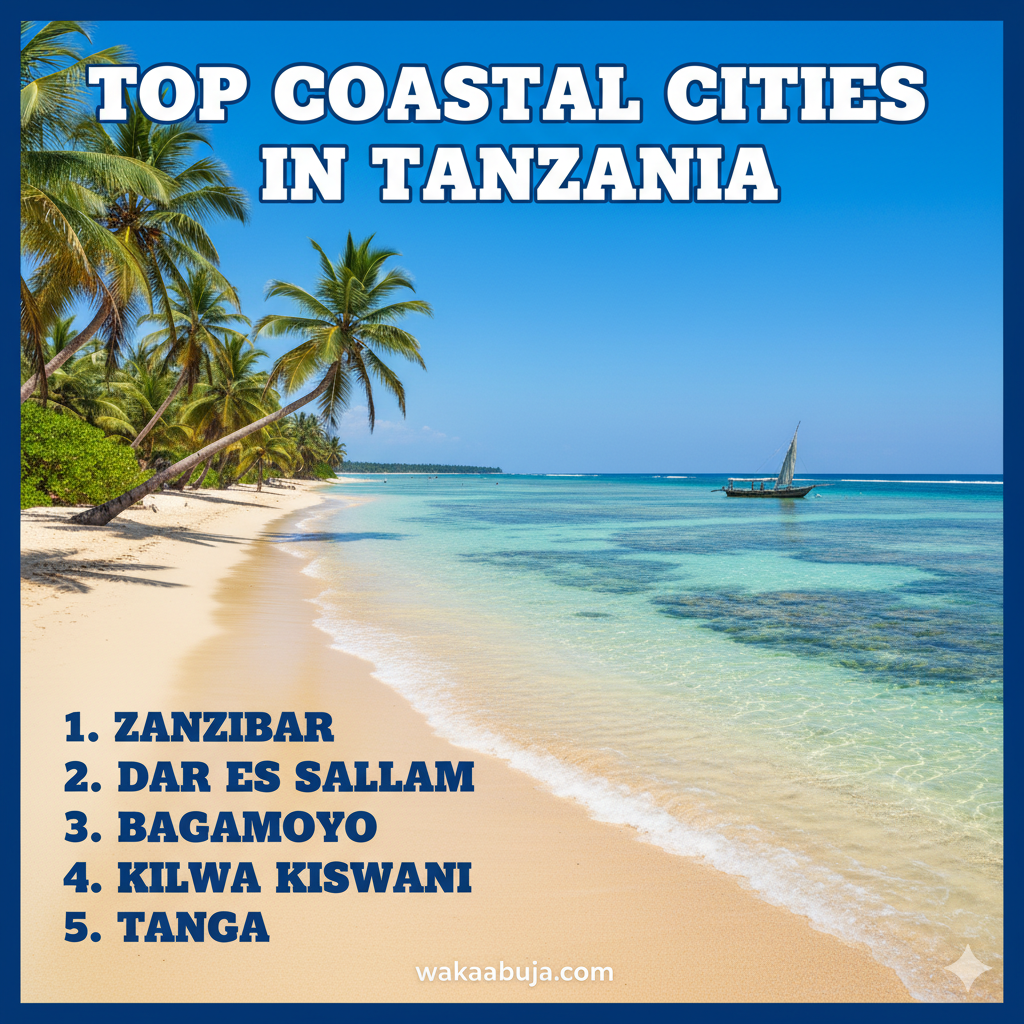
Whether you’re seeking cultural richness, pristine beaches, or adventure, this guide has you covered with expert insights and actionable recommendations.
Dar es Salaam: Tanzania’s Bustling Coastal Metropolis
As Tanzania’s largest city and economic hub, Dar es Salaam is the dynamic gateway to coastal East Africa. I found its blend of urban energy, cultural diversity, and tropical oceanfront truly captivating.
Things to See and Do
- Coco Beach & Nyumba ya Sanaa: Great for sunset strolls along white sands and visiting artisan shops showcasing Tanzanian crafts.
- National Museum & House of Culture: Deep insights into Tanzanian history, art, and ethnography.
- Kariakoo Market: Vibrant local market experience with fresh produce, textiles, and street food.
- Mbudya Island: Perfect for snorkeling and peaceful island vibes, accessible via a short boat ride.
How to Get There & Around
The Julius Nyerere International Airport connects Dar es Salaam globally. Within the city, dala-dalas (mini buses), Bajaj motorcycles, and taxis provide flexible transport. For a local’s tip: negotiate fares upfront to avoid surprises.
Where to Stay and Typical Costs
Mid-range: Hotels like Samaki Samaki Lodge $50–$80/night
Luxury: Hyatt Regency and Slipway Hotel $150+/night
Safety, Pros & Cons
Safety: Exercise normal urban caution, avoid walking at night in secluded areas, and keep your belongings secure.
Pros: Cosmopolitan vibe, multiple cultural sites, great food scene, easy international connectivity.
Cons: Traffic congestion, some areas feel less tourist-friendly, unpredictable public transport.
How Long to Stay and Best Time to Visit
Spend 2-3 days to soak in city life before heading to quieter coastal towns. The dry season, June to October, offers the best weather for outdoor activities.
Embedded Map
Bagamoyo: History and Relaxed Coastal Charm
Bagamoyo greeted me with a serene yet profoundly historical atmosphere. Known as a key port on the East African coast, it’s ideal for culture buffs and beach lovers alike.
Must-See Highlights
- Bagamoyo Old Town: Explore ruins of the old slave trade ports and German colonial architecture.
- Kaole Ruins: Ancient Swahili stone mosque and tombs dating back to the 13th century.
- Bagamoyo Beach: Uncrowded white sands with beautiful sunsets; more tranquil than Dar es Salaam’s beaches.
Transport & Access
A 2-hour drive north of Dar es Salaam on the A7 highway, Bagamoyo is accessible by hired car or bus. Local boda-bodas (motorcycle taxis) are convenient for getting around smaller spots.
Accommodation and Budgeting
Mid-range: Park View Hotel and White Sands Lodge $50–$85/night
Luxury: Rare options, mostly boutique lodges $100+
Safety and Experience Highlights
Bagamoyo felt very safe during my visit, with friendly locals and low crime. The slow pace lets you soak history and nature fully.
Pros: Rich cultural heritage, peaceful beaches, affordability.
Cons: Less nightlife, fewer tourist facilities.
Best Visiting Period and Stay Length
Visit during the dry season (June-Oct). A 1–2 day stay captures the essence without feeling rushed.
Interactive Map
Tanga: Tanzania’s Inviting Northeastern Port City
I found Tanga a refreshing mix of coastal life and history, less visited by tourists but rich with authentic experiences.
Top Attractions and Activities
- Tanga Bay: Offers beautiful beaches and great seafood dining.
- Amboni Caves: Spectacular limestone caves just outside the city.
- Mkomazi National Park: Wildlife safaris and conservation tours nearby.
Getting Around and Reaching Tanga
Tanga is accessible via Tanga Airport (regional flights) or by bus/car from Dar es Salaam (~6 hours). Local taxis and motorcycle taxis are affordable for city travel.
Accommodation Options
Mid-range: Tanga Beach Hotel $40–$70
Luxury: Limited upscale hotels, mostly outside city center.
Safety and Travel Insights
Tanga is generally safe with welcoming residents. Daytime exploration is best as darkness can bring fewer travelers around.
Advantages: Uncrowded beaches, natural scenery, cultural authenticity.
Drawbacks: Fewer tourist amenities, transport less frequent than bigger cities.
Ideal Visit Duration and Timing
A 2–3 day stay works well. Dry months July to October bring pleasant weather.
Map of Tanga
Pangani: Tranquil History and Coastal Relaxation
Pangani offers a laid-back coastal experience steeped in Swahili history and nature. It felt like stepping back in time along the fringes of the Indian Ocean.
Experiences Not to Miss
- Old Town Ruins: Fascinating illustrations of Swahili architecture and the early slave trade era.
- Beaches & Marine Parks: Calm, uncrowded shores and the nearby Pangani Marine Reserve.
- River Tours: Explore the Pangani River by dhow for birdwatching and scenic views.
Getting to and Around Pangani
Located about 130 km north of Tanga, accessible by road. Tuk-tuks and motorcycles are the main local transport modes. Renting a boat for river excursions is highly recommended.
Lodging and Budgeting
Mid-range: Pangani Beach Resort $60–$90
Luxury: Boutique eco-lodges approaching $120+
Safety & Unique Appeal
Pangani is peaceful with minimal crime, making solo travel pleasant. The quietude and historical settings are its strongest draws.
Pros: Authentic Swahili culture, serene atmosphere, rich history.
Cons: Limited nightlife, fewer international dining options.
Ideal Visit Length and Timing
1-2 days suffice unless you want a full beach holiday. Best weather June to early October.
Map
Kilwa Kisiwani: Uncovering Tanzania’s Historic Island Ruins
This UNESCO World Heritage Site is a window into the medieval Swahili Coast civilization. Visiting Kilwa Kisiwani was like walking into an open-air history book.
Highlights and Must-Do Activities
- Ancient Ruins: Explore the Great Mosque, Husuni Kubwa Palace, and other medieval stone structures dating back to the 10th century.
- Local Fishing Villages: Engage with locals and learn traditional fishing and boat-making techniques.
- Boat Excursions: Scenic rides around the island’s coastline with chances to spot dolphins and sea turtles.
How to Reach and Move Around Kilwa Kisiwani
Accessible by boat from Kilwa Masoko on the mainland. Kilwa Masoko is reachable by bus or car from Dar es Salaam (7-9 hours). Walking is the primary transport mode on the island.
Accommodation and Budget
Mid-range: Kilwa Bay Lodge $40–$70/night
Luxury: Very few, mostly off-island at Kilwa Masoko.
Safety and Travel Insights
Very safe due to limited tourist numbers. Basic healthcare facilities mean caution is advised for minor injuries.
Pros: Rich historical and archaeological significance, peaceful setting.
Cons: Remote with limited amenities, challenging for travelers seeking conveniences.
Recommended Stay and Visiting Season
Two days is ideal to explore ruins and relax. April to October ensures dry weather for reliable boat trips.
Map
Zanzibar City: Exotic Spice Island and Cultural Jewel
Zanzibar City, including Stone Town, is where East African history, architecture, and exotic beaches collide. I was mesmerized by its labyrinthine streets, spice markets, and seafront vibe.
Essential Sights & Experiences
- Stone Town: UNESCO World Heritage Site with winding alleys, historic buildings, and the iconic House of Wonders.
- Forodhani Gardens: Night market with fresh seafood and local delicacies.
- Spice Tours: Interactive visits to spice farms explaining Zanzibar’s nickname “Spice Island.”
- Prison Island: Famous for giant tortoises and snorkeling.
- Beaches: Nungwi and Kendwa nearby for crystal-clear waters and vibrant nightlife.
Getting There and Transport
Ferries connect Zanzibar to Dar es Salaam frequently (approx. 2 hours). Zanzibar International Airport serves regional and some international flights. Bajaj and taxis are popular local transport.
Where to Stay & Typical Costs
Mid-range: Tembo House Hotel, Park Hyatt $70–$150
Luxury: The Residence, Baraza Resort $200+
Safety, Pros & Cons
Zanzibar City is generally safe but watch for petty theft in crowded spots. Be respectful of local customs, especially in Stone Town.
Advantages: Rich culture and history, diverse activities, idyllic beaches.
Disadvantages: Tourist crowds in peak season, occasional higher prices.
Ideal Length of Visit and Best Season
A 3–5 day stay balances city exploration and beach time. July to October brings the best weather and fewer rains.
Interactive Map of Zanzibar City
Frequently Asked Questions About Tanzania’s Coastal Cities
What is the best time to visit Tanzania’s coastal cities?
Generally, the dry seasons from June to October are ideal for visiting to avoid heavy rains and humidity, ensuring the best beach and sightseeing conditions.
Are these coastal cities safe for solo travelers?
Most coastal cities like Dar es Salaam, Zanzibar, and Bagamoyo are safe with typical travel precautions. Avoid walking alone at night in unfamiliar areas, secure valuables, and use reputable transport services.
How do I get from Dar es Salaam to these other coastal cities?
Public buses, private cars, and ferries link Dar es Salaam to nearby towns like Bagamoyo and Zanzibar. Some cities like Kilwa Kisiwani require boat transfers. Booking transport in advance is recommended during peak seasons.
What are typical daily costs while traveling these coastal cities?
Budget travelers can expect $25–$40/day for accommodation, food, and basic transport. Mid-range budgets range from $50 to $100/day, while luxury travelers may spend $150+ daily.
Are local SIM cards and internet readily available?
Yes, major networks like Vodacom, Airtel, and Tigo provide good coverage in urban areas and tourist destinations. SIM cards and data bundles are affordable and easily purchased.
Final Travel Tip
Pack light, bring sunscreen, and immerse yourself in the local Swahili culture. Engage with locals respectfully for insider insights that make your coastal Tanzanian journey unique and deeply rewarding.