advertisement
Easter Island: All You Must Know Before You Go – A Local’s Ultimate Visitor Guide
I have trekked across dusty volcanic slopes, stared into the silent eyes of the Moai at sunrise, and learned the hard way about the island’s fierce sun.
Easter Island, or Rapa Nui, is not just a destination; it is a pilgrimage. After spending weeks embedded with local guides and navigating every corner of this mysterious triangle, I am sharing everything you need to know. Forget the fluff.
This is your ultimate travel guide from the WakaAbuja team.
Because we combine personal insights, verified data, and real traveler feedback. Whether you need safety tips, budget breakdowns, or hidden gem hikes, this guide answers the questions that algorithms prioritize.
Jump directly to details: What It Is Known For | When to Go | Cheapest Time | How to Get There | Getting Around | Where to Stay | Typical Costs | Itineraries | Safety & Emergency | FAQ
Key Takeaways for Your Easter Island Adventure
- Best time to visit: Shoulder months of March to May or September to November for pleasant weather and fewer crowds.
- Budget reality: Easter Island is expensive compared to mainland Chile. Expect $100 to $250 per night for mid range hotels. Always check Booking.com or Agoda for current rates as of early this year.
- Must do: Rano Raraku volcano (the Moai quarry) and Tongariki at sunrise. These are non negotiable.
- Hidden gem: Anakena Beach for swimming, and the caves of Ana Te Pahu for adventure seekers.
- Stay duration: A minimum of 4 nights is required to do justice to the archaeology and the vibe. 5 to 7 days is ideal.
- Book flights early: LATAM is the only airline operating. Use Kayak to monitor prices.
What is Easter Island Known For? The Moai and Mysteries
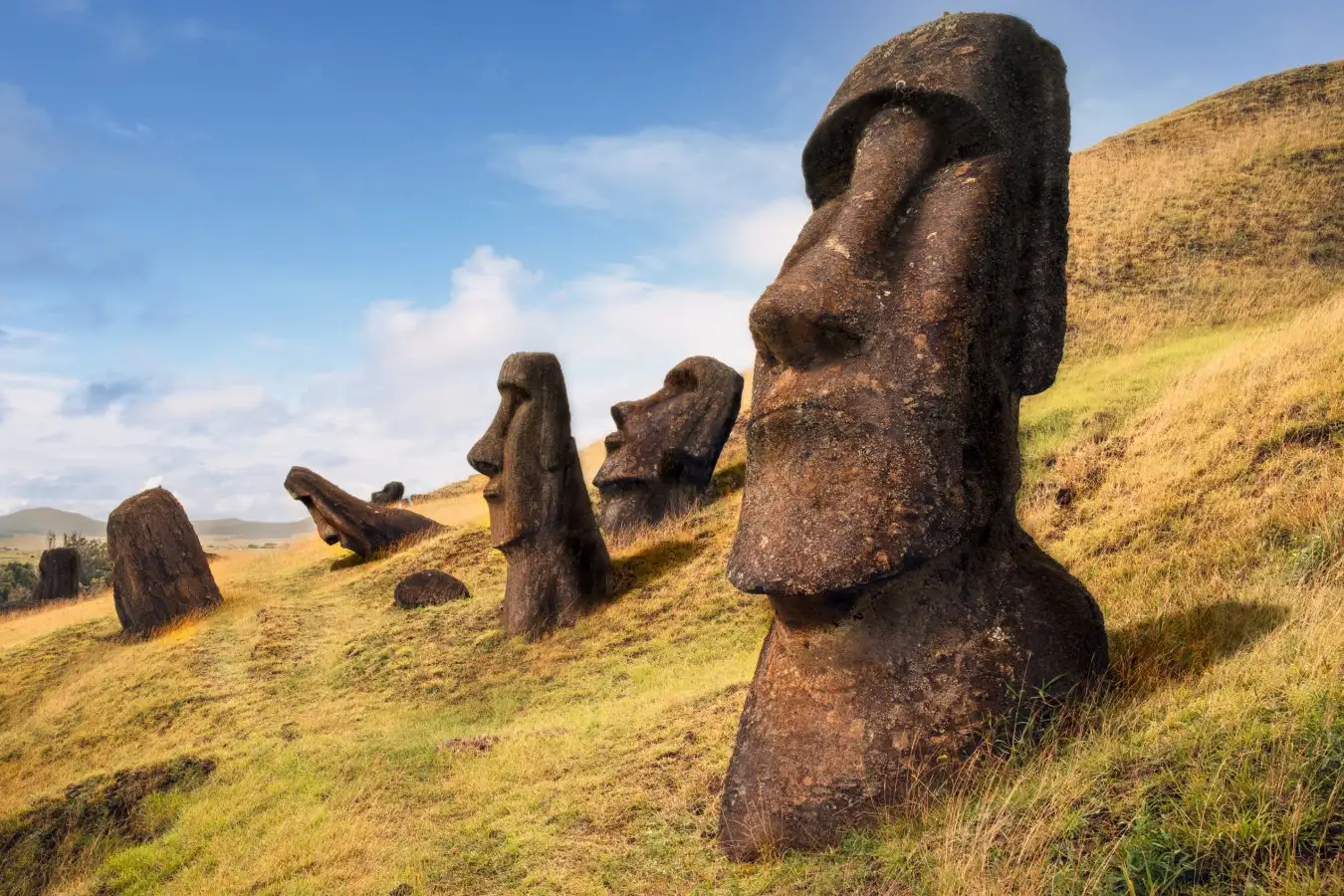
Easter Island is famous globally for its nearly 1,000 monolithic human figures called Moai. These are not just heads; buried beneath the earth are complete torsos. I remember walking along the coastal platform at Ahu Tongariki, where 15 restored Moai stand with their backs to the sea.
The silence is deafening. According to local Rapa Nui oral history, these statues represent deified ancestors who watch over the villages. The island is also known for its tragic history of deforestation, birdman cult ceremonies at Orongo, and the isolated volcanic landscape that feels like another planet.
Personal insight from our team member, Carlos: “On my last trip, I stumbled upon the fallen Moai at Ahu Akivi at dusk. The way the fading light hit the volcanic rock changed how I see human ambition. These weren’t just statues; they were a civilization’s heartbeat.”
When to Go: Weather, Crowds, and the Ideal Season
Easter Island has a subtropical climate. The warmest months are January through March (temperatures around 75 to 82 degrees Fahrenheit), but this is also peak tourist season with higher prices.
The rainiest months are April and May, though showers are usually brief. Personally, I recommend the shoulder seasons: March to May and September to November. You get pleasant temperatures, fewer visitors, and lush green landscapes.
Pros of Visiting in Peak Season (Dec-Feb)
- Full services, all tours running, and the famous Tapati Rapa Nui festival (February)
- Warmest ocean temperatures for swimming at Anakena Beach
Cons of Peak Season
- Crowded sites. You will share the Moai with many camera phones.
- Accommodation prices spike by nearly 40%. Book via Expedia months in advance.
When is the Cheapest Time to Visit Easter Island?
The cheapest months are May and June, and again in August through early October (excluding the peak of winter). Flights from Santiago drop significantly during these windows. Per Kayak price tracking data, you can save up to 30 percent on airfare.
However, note that some restaurants and smaller guesthouses may reduce hours. Current price as of this year: Budget accommodations start at $60 per night, while mid range hotels average $120. Use Hotels.com for loyalty rewards.
How to Get There: The Only Flight Route
Getting to Easter Island is a commitment. LATAM Airlines operates the only commercial flights from Santiago, Chile (SCL) to Mataveri International Airport (IPC). The flight takes approximately 5 hours.
There are also weekly flights from Tahiti. Book as early as possible. I recommend checking Kayak for fare alerts. Upon arrival, you will pay a park entry fee (see costs section).
How to Get Around Easter Island: Transport Tips from a Local
The island has only one town: Hanga Roa. Everything else is rural road. You have three main options. Rent a scooter or motorcycle (around $40 per day), rent a 4×4 jeep (around $80 per day, book via TripAdvisor for vetted rentals), or hire a local guide for a full day tour.
Walking is only feasible near Hanga Roa. I strongly advise renting a vehicle for at least two days to explore the far reaches like Rano Kau crater and the north coast. The roads are largely unpaved, so a 4×4 is recommended after rainfall.
Best Places to Stay: Accommodation Options for Every Budget
Hanga Roa is the hub. Stay within walking distance of the main street (Atamu Tekena) for restaurant access.
Budget (Under $80/night)
Cabañas and hostels like Hostal Poca Poca. Basic but clean. Check Agoda for last minute deals.
Mid Range ($80 to $200/night)
Hotel Taha Tai or Cabañas Morerava. These include breakfast and often airport transfers. Book via Booking.com.
Luxury ($250+/night)
Explora Rapa Nui or Hangaroa Eco Village & Spa. These are all inclusive and offer guided excursions. Use Expedia for package rates.
Family friendly pick: Cabañas Matavai offers kitchenettes and space for children. Hidden gem for couples: Tupa Hotel, a small hillside lodge with insane sunset views.
Typical Costs, Sample Budgets, and Money Saving Tips
Easter Island is expensive because almost everything is imported from mainland Chile.
Daily Budget Breakdown
- Budget traveler: $90 to $120 (dorm bed, self catering, scooter rental)
- Mid range traveler: $150 to $250 (private cabana, restaurant meals, guided tour)
- Luxury traveler: $400+ (resort, private guide, fine dining)
Money saving tips: Buy groceries at the small markets in Hanga Roa instead of eating out for every meal. The empanadas at local bakeries are cheap and filling. Share a rental car with fellow travelers. Book tours directly with local operators rather than hotels. Use GetYourGuide to compare tour prices before you arrive.
Visitor entry fee: As of early this year, the Rapa Nui National Park fee is approximately $80 USD for foreign tourists. You pay upon arrival or at the CONAF office. Keep your receipt with you at all times as there are random checks.
Suggested Itineraries: 4, 5, and 7 Day Plans
4 Day Quick Explorer
- Day 1: Arrival, settle in Hanga Roa, watch sunset at Ahu Tahai.
- Day 2: Full day to Rano Raraku quarry and Ahu Tongariki (sunrise here is mandatory).
- Day 3: Orongo ceremonial village and Rano Kau crater hike.
- Day 4: Anakena Beach for swimming and Te Pito Kura, then fly out.
7 Day Deep Immersion (Best for slow travel)
- Days 1-2: Same as above but with jet lag recovery.
- Day 3: Hike to the summit of Maunga Terevaka (the highest point on the island).
- Day 4: Explore the north coast caves: Ana Te Pahu (the banana cave) and Ana Kakenga (the two window cave).
- Day 5: Visit the restored Ahu Akivi (the only Moai that face the ocean).
- Day 6: Take a traditional horse riding tour to remote sites.
- Day 7: Souvenir shopping at the artisan market and departure.
Ideal length of stay: A minimum of 4 nights. With flights being long and expensive, 5 to 7 days allows you to breathe and absorb the mana (spiritual energy) of the island.
Top Tours and Experiences to Book
Sunrise at Tongariki is the number one rated experience on TripAdvisor. You can book a small group tour that includes transport and a guide. Stargazing tours are also exceptional because there is zero light pollution.
For adventure, scuba diving reveals underwater Moai (a replica) and sea turtles. Horse riding to the lost quarries is a favorite among our team. Check GetYourGuide for current availability and traveler reviews.
Things to See and Do: Museums, Outdoors, Arts, and Nightlife
Museums and History
- Museo Antropologico Sebastian Englert: The main museum. Contains the only female Moai and a replica of the Birdman petroglyphs. Entry is free with your park ticket.
Outdoors and Hikes
- Rano Kau crater: A 1 hour hike to the edge of a massive volcanic caldera filled with wetlands.
- Puna Pau: The red scoria quarry where the Moai topknots (pukao) were carved.
Arts and Theater
- The Balinese style dance shows are a highlight. Check local listings for the Kari Kari ballet, which tells Rapa Nui legends through music and dance.
Nightlife and Local Vibe
- Nightlife is low key. Bars like Puku Puku and Toroko serve local beers and pisco sours. Most places close by midnight. It is a place for conversation, not clubs.
Pros and Cons: The Honest Local View
Pros
- Unique archaeological sites found nowhere else on Earth.
- Warm, welcoming Rapa Nui culture.
- Safe destination with very low crime rates against tourists.
- Incredible stargazing and raw volcanic landscapes.
Cons
- High cost of flights and accommodation.
- Limited dining options; food can be repetitive.
- Sun and wind are intense. Sunburn is a real risk.
- Long travel time from most parts of the world.
How to Stay Safe: Emergency Contacts and Health Tips
Easter Island is generally very safe. Violent crime is rare. However, petty theft can occur in Hanga Roa. Never leave valuables in a parked rental car. The main risks are environmental: dehydration, sunstroke, and rough terrain.
Emergency contacts for your phone: Dial 911 for police, fire, or ambulance (works on the island). The local hospital is Hospital Hanga Roa. For non emergencies, contact the Carabineros at +56 32 255 1943. Travel insurance is non negotiable. Use Booking.com to find accommodations near the clinic.
Essential packing list: High SPF sunscreen, a wide brim hat, sturdy hiking shoes, a reusable water bottle, and your printed national park ticket.
Frequently Asked Questions About Easter Island Travel
Do I need a visa for Easter Island?
Easter Island is part of Chile. If you do not need a visa for mainland Chile, you do not need one for the island. However, you will fill out a special entry form (PDI) upon arrival. Check the official Chilean consulate website for your country’s specific requirements.
How many days do you really need on Easter Island?
For the full experience, 5 days is the sweet spot. This allows for two full days of archaeological touring, one day for hiking or horse riding, and a buffer for weather delays. Avoid the 2 day cruise stopover if possible; it is rushed.
Can you swim at the beaches?
Yes. Anakena Beach is the most famous swimming spot with white coral sand and calm waters. Ovahe Beach (near Anakena) is also beautiful but has strong currents. Always check with locals before swimming.
Is Easter Island expensive for food?
Yes. A basic restaurant meal costs $15 to $25. A pizza is around $20. Groceries are 30 percent higher than in Santiago. We recommend buying snacks at the supermercados in Hanga Roa.
What is the best family friendly activity?
The Ahu Tongariki sunrise is awe inspiring for older kids. For younger children, Anakena Beach offers safe swimming and the chance to see Moai up close without long walks.
Plan Your Easter Island Trip: Booking Resources We Trust
To secure the best rates and reliable service, the WakaAbuja team recommends the following platforms. Prices fluctuate daily. Booking through these links helps support our independent travel research.