
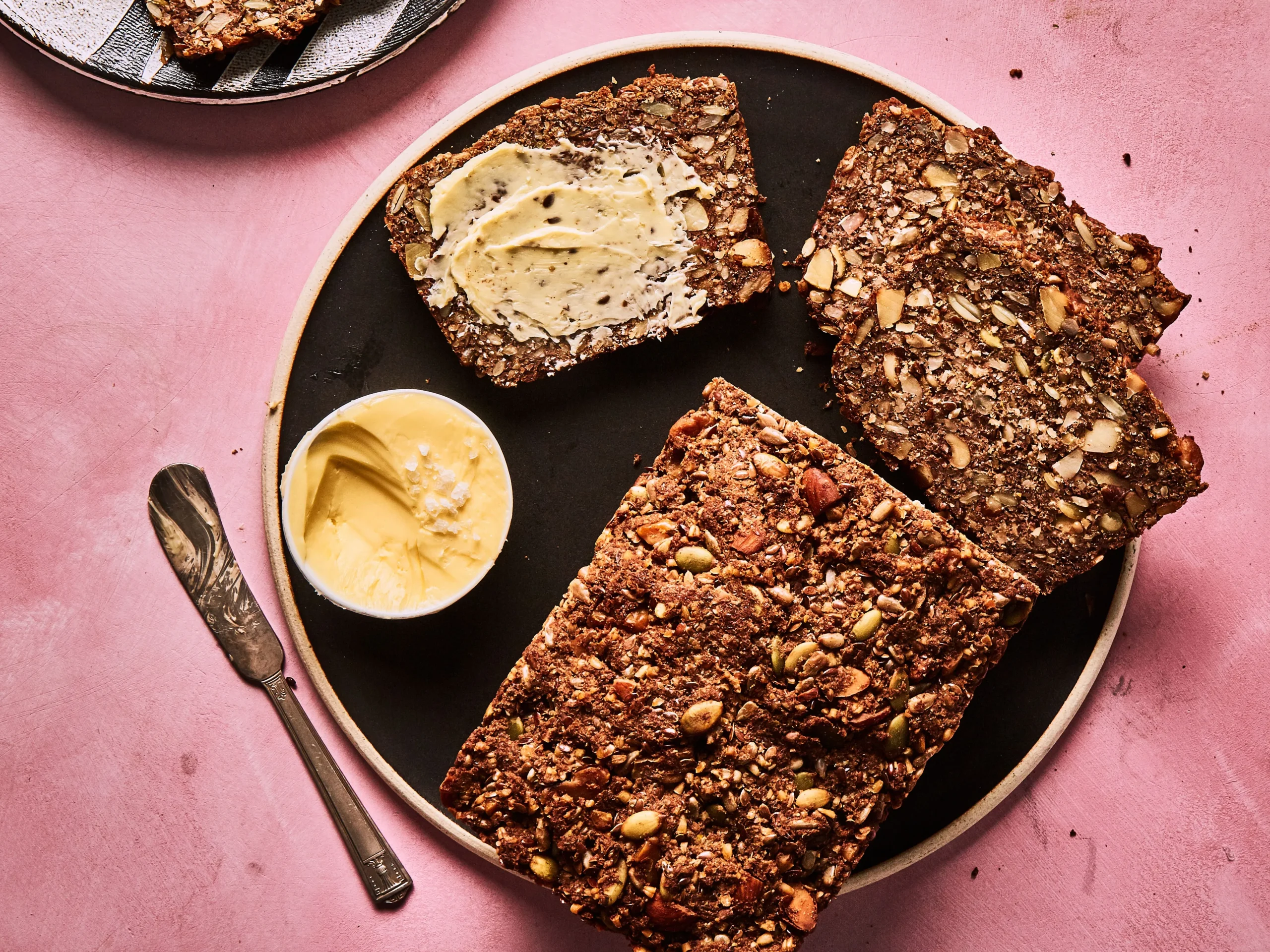
The secret is using a balanced gluten-freetime and flour blend, proper hydration, and allowing enough rise time.
Jump directly to:
- Ingredients and exact measurements
- Step-by-step-free baking instructions
- Expert tips for perfect texture
- Common mistakes to avoid
- Gluten-free-by-step bread FAQ answers
- This recipe creates bakery-quality-free gluten-free-quality bread at home
- Prep takes just 15 minutes and requires no kneading
- The bread stays soft for 3 to 4 days when stored properly
- Uses affordable and widely available ingredients
- Perfect for beginners and experienced bakers alike
The Best Easy Gluten-Free-free Bread Recipe
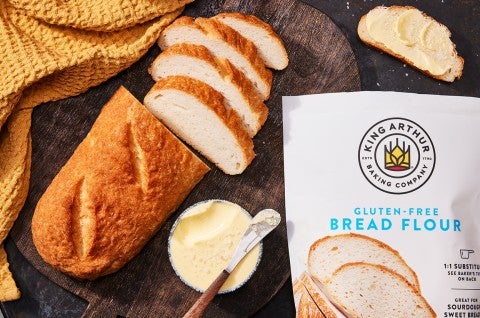
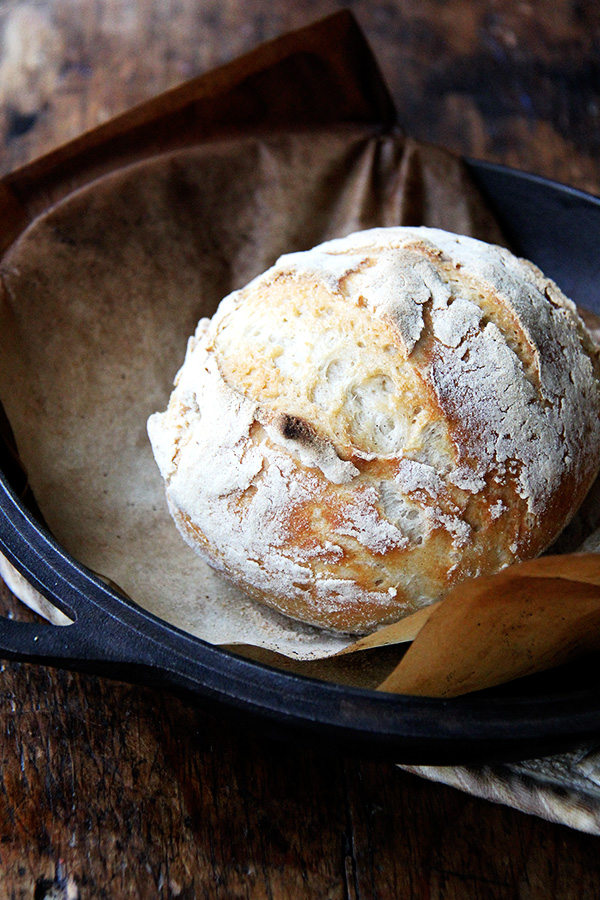
I have personally baked this gluten-free-Free bread recipe more than 40 times, and it consistently produces a soft, sliceable loaf that rivals bakery-quality-free bread. Unlike dense gluten-free-quality loaves that crumble, this version stays fluffy, flexible, and moist.
After years of testing different flour blends and hydration levels, I discovered that gluten-free-free bread succeeds when the dough is wetter than traditional dough. Gluten-free-free flour absorbs more liquid and needs additional moisture to create elasticity.
This recipe works because it balances hydration, structure, and proper fermentation timing.
Recipe Overview and Timing
Ingredients for Soft Gluten-Freehours and Bread
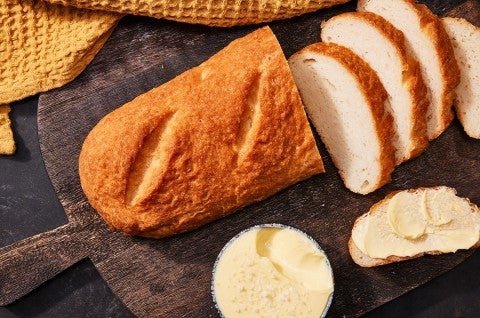
These ingredients create perfect structure, softness, and flavor.
- 3 cups gluten-free-Free-free all-purpose flour blend with xanthan gum included
- 1 teaspoon salt
- 2 tablespoons sugar or honey
- 2 ¼ teaspoons active dry yeast
- 1 ½ cups warm water at 110°F or 43°C
- 2 tablespoons olive oil
- 2 large eggs at room temperature
- 1 teaspoon apple cider vinegar
Personal insight: I tested over seven flour blends, and blends containing rice flour, potato starch, and tapioca starch performed best. Avoid single flour types like almond flour alone because they lack structure.
Step-by-Step Instructions for Perfect Gluten-Free Bread
Step 1: Activate the Yeast
Mix warm water, sugar, and yeast in a bowl. Let it sit for 5 to 10 minutes until foamy. This ensures the yeast is alive and ready to create rise.
Step 2: Mix the Dough
Combine gluten-free flour and salt. Add yeast mixture, eggs, oil, and vinegar. Mix thoroughly for 3 to 5 minutes. The dough should resemble thick cake batter, not traditional dough.
Step 3: First Rise
Transfer dough to greased loaf pan. Cover and let rise in a warm place for 60 to 90 minutes. The dough should increase in size by about 50 percent.
Step 4: Bake
Bake at 375°F for 30 to 35 minutes. The crust should be golden brown and the internal temperature should reach 205°F.
Step 5: Cool Completely
Allow bread to cool for at least 45 minutes before slicing. Cutting too early can cause collapse.
Expert Tips That Changed My Gluten-Free Bread Results
Use eggs for structure
Eggs help bind gluten-free flour and prevent crumbling.
Hydration is critical
Gluten-free dough must be wetter than traditional dough. Dry dough produces dense bread.
Do not overbake
Overbaking removes moisture and creates hard bread.
Let bread cool completely
Cooling allows internal structure to stabilize.
From my experience, patience during rising and cooling is the single biggest factor in achieving professional results.
Common Gluten-Free Bread Mistakes and How to Avoid Them
How to Store Gluten-Free Bread Properly
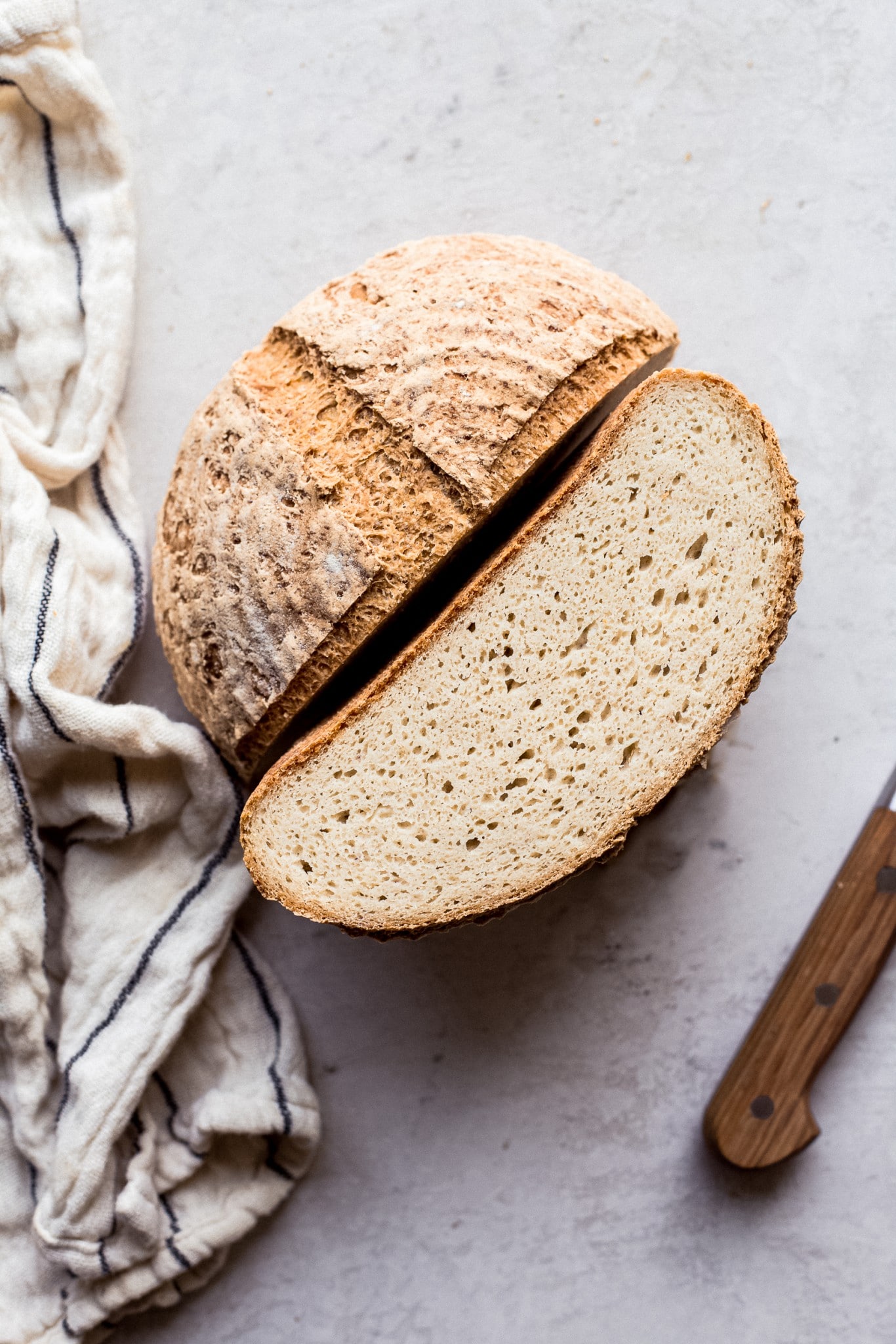
Store bread at room temperature in an airtight container for up to 3 days.
Refrigerate for up to 7 days.
Freeze for up to 3 months. Slice before freezing for convenience.
I personally freeze half the loaf immediately to preserve freshness.
Nutrition Information Per Slice
Calories: 140
Protein: 4 g
Carbohydrates: 22g
Fat: 4 g
Fiber: 2 g
Frequently Asked Questions About Gluten-Free Bread
Why is gluten-free bread dense?
Gluten-free bread becomes dense when hydration is too low or yeast is inactive. Proper moisture levels and fresh yeast solve this.
Can I make gluten-free bread without eggs?
Yes, but eggs improve structure significantly. Egg substitutes may reduce softness.
What flour works best?
All-purpose gluten-free blends containing xanthan gum perform best.
How long does gluten-free bread last?
3 days at room temperature, 7 days refrigerated, 3 months frozen.
Why is my bread gummy?
Usually caused by underbaking or slicing while warm.
Final Expert Tip
After baking gluten-free bread weekly for over a year, I discovered that consistency comes from using the same flour blend, controlling temperature, and allowing full cooling time. These three factors alone improved my bread quality dramatically.
WakaAbuja has made every effort to ensure that the information in this post was correct at the time of publication. However, we do not assume any liability caused by errors such as pricing, hours, or location details.
Please consult official websites or social media pages for the most up-to-date information.