
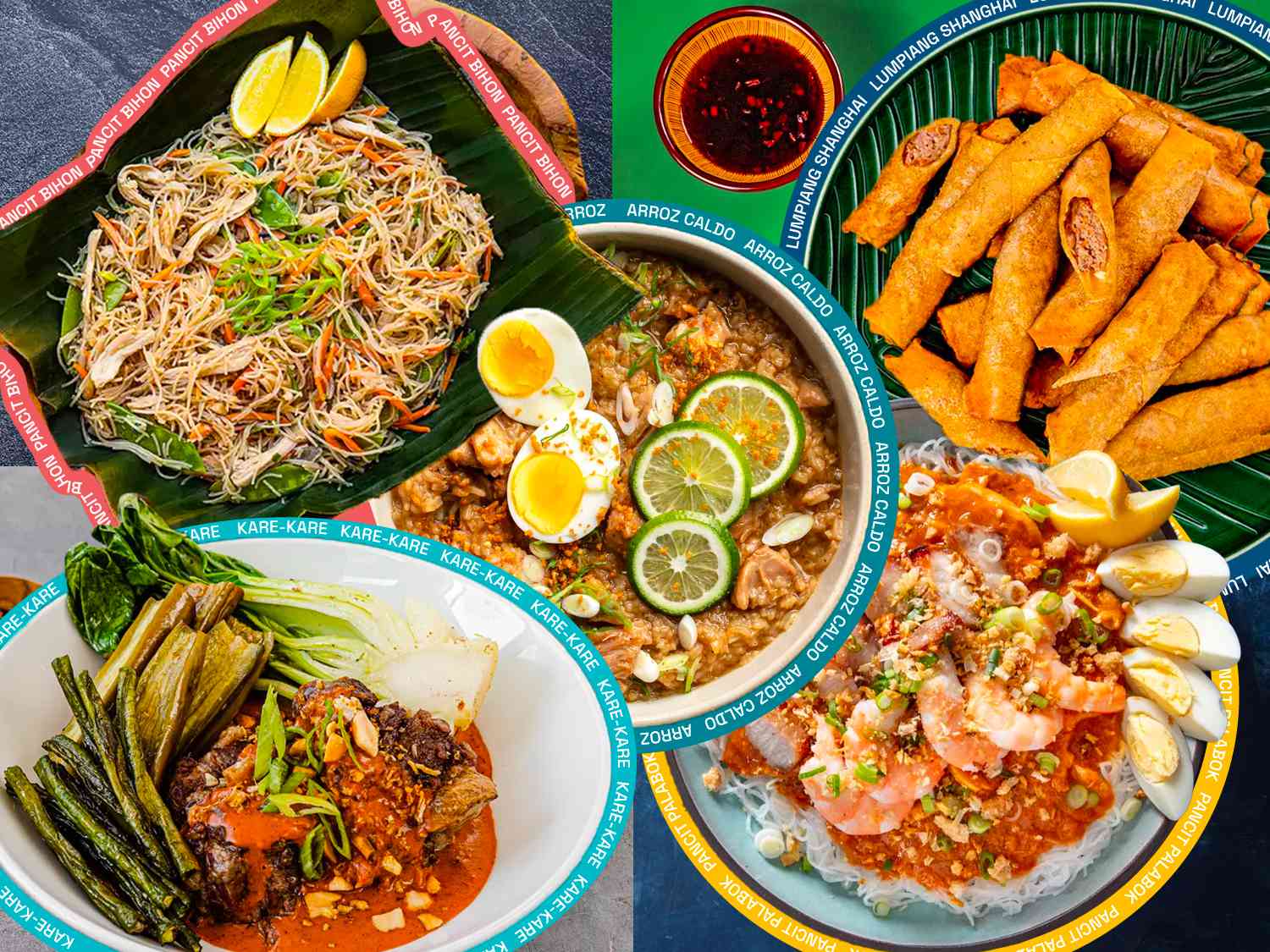
This guide walks you through 24 essential Filipino dishes you can cook at home, from pancit and adobo to halo-halo and ube treats, with practical tips, flavor notes, and plating ideas you can easily adapt for your own kitchen.
Jump directly to the full details, recipes, and step-by-step cooking tips.
Key Takeaways
- Filipino food is built on bright contrasts: sour and savory, rich and refreshing, hearty and light.
- You do not need special equipment to start; a good pot, pan, and reliable heat source are usually enough.
- Most dishes here can be adapted for busy weeknights or slow weekend cooking, with options to batch-cook and freeze.
- Every recipe doubles as a cultural story, connecting you to family-style eating, sharing, and celebration.
- This article is designed for mobile-first reading, with clearly separated sections you can cook from in real time.
Why Bringing Filipino Food Home Changes How You Cook
:max_bytes(150000):strip_icc():format(webp)/halo-halo-FT-RECIPE0924-28931a658de3439d9719f83d5a6dfc2c.jpeg)
When I first started cooking Filipino food at home, I was struck by how comforting the flavors felt and how forgiving the recipes were. Instead of chasing perfection, I found myself focusing on balance: a splash of vinegar to brighten a stew, a little sugar to round out a salty sauce, and a squeeze of citrus to wake everything up.
Cooking these dishes taught me that Filipino food is less about rigid technique and more about intuition, tasting as you go, and feeding people generously.
In this guide I am walking through 24 dishes that capture the heart of this cuisine, from everyday staples like chicken adobo and pancit to party favorites like halo-halo and sisig.
You can treat this as a personal roadmap; you do not need to cook everything at once, but you can use these sections as individual modules that stand on their own whenever you are ready to try something new.
How To Use This Guide For Cooking, Meal Planning, And Search
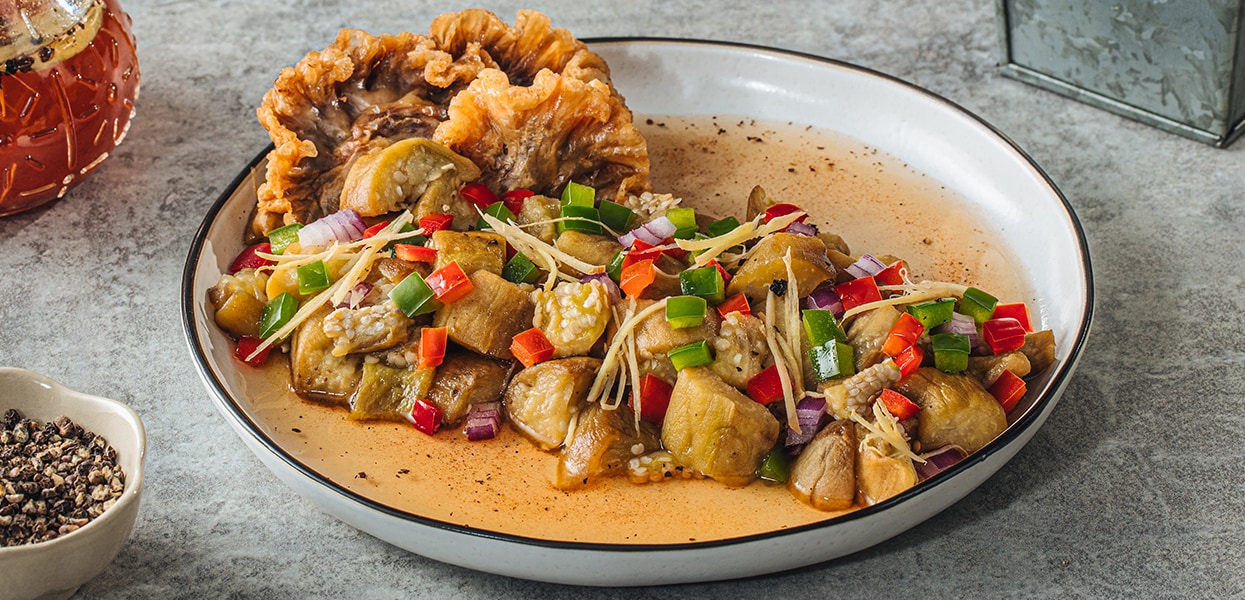
Each dish below has a clear description of flavor, texture, and typical ingredients, along with practical suggestions on substitutions, make-ahead options, and serving ideas.
If you are using voice search, each heading is phrased in a natural, question friendly way so you can say things like “how do I make Filipino beef peanut stew at home” or “what is halo-halo and how do I assemble it” and land on exactly the section you need.
While I include general ingredient and method guidance for each recipe, you should always cross check exact ingredient quantities and instructions using trusted food sites such as Food & Wine, or any other favorite cookbook or recipe platform you rely on.
For travel related planning or if you want to taste these dishes in the Philippines before cooking them, you can explore accommodation and tour options through services like Agoda, Booking.com, Expedia, GetYourGuide, Hotels.com, Kayak, TripAdvisor, and Vrbo.
Pancit Miki Bihon: Stir Fried Noodles For Everyday Celebrations
:max_bytes(150000):strip_icc():format(webp)/Pancit-Miki-Bihon-FT-RECIPE0722-4f9eabd7e8f5447ea2473d7eef5f69e7.jpg)
Pancit miki bihon combines two kinds of noodles in one pan: thin rice sticks and slightly thicker wheat based egg noodles, giving you a satisfying mix of chew and softness in every bite.
In many Filipino homes this dish shows up at birthdays and gatherings because noodles are associated with long life, but it also makes an excellent one pan weeknight dinner when you load it with vegetables, sliced pork or chicken, and a savory soy and stock based sauce.
To cook a home style version you typically start by sautéing onion and garlic in a neutral oil, browning small pieces of pork or chicken, then adding carrots, cabbage, and sometimes celery or chayote.
The noodles are softened directly in a seasoned broth, which lets them absorb flavor rather than just sitting in sauce on top, and you finish with a squeeze of calamansi or lemon plus chopped scallions for freshness and aroma.
Practical Tips For Home Cooks
- Soak the rice noodles briefly in warm water before adding them to the pan so they soften evenly without breaking.
- If you are cooking for a crowd, cook the vegetables until just tender, then toss everything together right before serving so the noodles do not clump.
- Leftovers reheat well in a skillet with a splash of water or broth; avoid microwaving on high heat for too long to protect the noodle texture.
Pork Sisig: Sizzling, Crispy, And Perfect With Rice
:max_bytes(150000):strip_icc():format(webp)/Sisig-Filipino-Sizzling-Pork-FT-MAG-RECIPE-0425-cd26a8a63df84f229cf631cc48a4541f.jpg)
Pork sisig is a chopped, crispy pork dish usually served on a hot plate, often sizzling when it reaches the table, with onions, chilies, and a creamy, tangy finish from calamansi and sometimes mayonnaise. At home you can recreate that restaurant style effect by using a heavy cast iron pan, preheating it well, and letting the pork crisp in its own rendered fat right before serving.
Many traditional versions use pork face or ears that are boiled, grilled, then chopped, but you can adapt it for easier home cooking by using pork belly or shoulder.
After boiling or roasting the meat until tender you chop it finely, sauté with garlic and onion, season with soy sauce and citrus, and optionally crack an egg into the center of the sizzling pan off the heat so diners can mix it in themselves for extra richness.
How To Serve Sisig At Home
- Serve sisig with plain steamed rice and a side of sliced cucumbers or tomatoes to cut through the richness.
- If you do not have a sizzling plate, use a very hot skillet and bring it straight to the table on a trivet.
- You can make a lighter version by using minced chicken thighs or even a mushroom based mixture, keeping the same seasoning profile.
Chicken Inasal: Grilled Chicken With Calamansi And Annatto
:max_bytes(150000):strip_icc():format(webp)/Filipino-Grilled-Chicken-FT-MAG-RECIPE-0524-7be1888e18764b7f9e7d2351bb1f8702.jpg)
Chicken inasal is a grilled chicken dish associated with the city of Bacolod, known for its bright marinade of calamansi or citrus, vinegar, garlic, ginger, lemongrass, and annatto tinted oil. Instead of a sugary glaze, you get a savory, slightly tangy char on the outside while the meat stays moist inside, especially if you use bone in thighs or legs.
At home I like to marinate the chicken for at least four hours, ideally overnight, then baste it on the grill with annatto infused oil that adds color and a subtle nuttiness.
If you do not have a grill you can roast the chicken on a wire rack in a hot oven and finish under the broiler, brushing with extra basting sauce near the end for that characteristic glossy finish.
Serving And Pairing Ideas
- Serve with garlic fried rice and pickled green papaya or atchara to balance the smoky flavors.
- Reserve some of the marinade before adding raw chicken so you can reduce it later into a dipping sauce.
- If you prefer white meat, use bone in chicken quarters and reduce grilling time slightly to prevent dryness.
Halo Halo: Layered Shaved Ice Dessert You Can Customize
Halo halo is a beloved Filipino dessert built from layers of sweetened beans, jellies, fruits, shaved ice, milk, and toppings like Leche flan or purple yam spread. The name literally means “mix mix” which is exactly what you do when it arrives at the table: stir everything together to create a cold, creamy, textured treat that is different with every spoonful.
For home kitchens the key is to prepare the components in advance so assembly is quick and fun, especially if you are entertaining guests.
You can use canned sweetened beans, bottled macapuno strings, and preserved jackfruit, then add crushed ice from a blender and pour over evaporated or coconut milk, finishing with ice cream or a generous spoonful of ube jam.
Home Assembly Suggestions
- Set up a halo halo bar where guests build their own glasses, which keeps things interactive and fun.
- Use clear glasses so the layers of color and texture are visible; this also photographs well for social media.
- If you prefer a lighter version, swap condensed milk for unsweetened milk and adjust sweetness with a little simple syrup.
Kare Kare: Beef And Peanut Stew With Vegetables
:max_bytes(150000):strip_icc():format(webp)/beef-kare-kare-FT-RECIPE0225-08818464837d461cb33783c66bbf1682.jpeg)
Kare kare is a slow cooked Filipino stew made with tender beef, oxtail, or tripe simmered in a thick peanut based sauce, traditionally served with blanched vegetables and a punchy shrimp paste on the side.
The flavor is rich and nutty rather than spicy, with a gentle savoriness that pairs beautifully with plain rice and a small amount of salty bagoong to cut through the depth of the sauce.
When I cook kare kare at home, I treat it like a weekend project: simmering the meat until it is fall apart tender, then whisking in a mixture of ground peanuts and toasted rice to thicken the broth.
The vegetables, often eggplant, long beans, and banana blossom, are usually cooked separately and arranged neatly on top of the stew before serving so they stay vibrant and do not over soften.
Make Ahead And Storage Advice
- Cook the meat and sauce a day ahead, then reheat gently and add freshly blanched vegetables right before serving.
- The peanut sauce thickens in the fridge; loosen with a bit of hot stock or water as you reheat.
- Serve shrimp paste sparingly on the side so each person can adjust saltiness to taste.
Chicken Adobo With Bacon And Bay Leaves
:max_bytes(150000):strip_icc():format(webp)/Filipino-Chicken-Adobo-with-Bacon-and-Bay-Leaves-FT-RECIPE0123-5ff4b81b052a456c8ccd48d647c63edc.jpg)
Filipino chicken adobo already relies on vinegar, soy sauce, garlic, peppercorns, and bay leaves for its signature flavor, but adding bacon takes the dish in a smoky, deeply savory direction. The bacon fat lightly coats the sauce, giving the braising liquid a rounded mouthfeel while the vinegar still keeps everything bright and balanced.
A typical approach is to render the bacon first until crisp, set it aside, and brown the chicken in the same pot so it picks up all the flavorful bits on the bottom.
You then simmer the chicken gently in your adobo mixture until tender, reducing the sauce until it clings to the meat, and finally sprinkle the crisp bacon over the top right before serving for texture and contrast.
Balancing Flavor And Acidity
- Use a mild vinegar such as cane or rice vinegar to avoid harshness; adjust with a little sugar if needed.
- Let the adobo rest for at least 20 minutes off heat before serving; the flavors settle and deepen as it cools slightly.
- This dish tastes even better the next day; make extra and store in the fridge for quick meals.
Sinigang Na Hipon: Sour Shrimp Soup With Vegetables
:max_bytes(150000):strip_icc():format(webp)/Sinigang-Na-Hipon-FT-RECIPE0722-c89c1deac7934b61a6d020fa069cc360.jpg)
Sinigang na hipon is a sour soup made with shrimp and a mix of vegetables like radish, kangkong, eggplant, and tomatoes, usually soured with tamarind or a similar ingredient. The broth is light and refreshing yet full of character, making it ideal for hot weather or whenever you want something warming but not heavy.
At home, I like to build the broth by simmering onions and tomatoes until soft, adding the souring agent, then sliding the shrimp in near the end so they stay tender.
The vegetables should be cooked until just done, with a bit of bite left, and the final bowl is best served piping hot with a side of steamed rice to soak up the tangy broth.
Home Cooking Suggestions
- If you cannot find fresh tamarind, use tamarind soup base powder and adjust gradually until the sourness feels balanced to you.
- Do not overcook the shrimp; they only need a few minutes in the simmering broth until they turn opaque.
- Add green chilies at the end if you enjoy a gentle heat; keep them whole for a milder effect.
Lumpia: Filipino Spring Rolls For Any Gathering
:max_bytes(150000):strip_icc():format(webp)/Lumpia-FT-MAG-RECIPE-0924-ebe8e6a6525d4d9298353c48689c0c44.jpg)
Lumpia is the Filipino take on spring rolls, typically filled with a flavorful mixture of ground meat, vegetables, and seasonings, then rolled in thin wrappers and fried until crisp. They are an almost universal presence at parties and family gatherings, and when I make them at home people tend to gather in the kitchen as soon as they hear the oil crackle.
A classic filling often includes ground pork or a mix of pork and shrimp, shredded carrots, cabbage, and sometimes minced water chestnuts or green beans for texture.
The key to a neat roll is to keep the filling compact and not overstuffed, sealing the edges with a little beaten egg or water, then frying at a steady medium heat so the wrapper crisps without burning before the interior heats through.
Freezing And Reheating Tips
- Freeze lumpia in a single layer on a tray before transferring to bags so they do not stick together.
- Fry from frozen over medium heat to keep the wrappers intact and evenly browned.
- Serve with a simple dipping sauce of vinegar, garlic, and a touch of soy or with sweet chili sauce.
Tocino Burgers: Sweet Savory Filipino Breakfast Flavors In A Bun
:max_bytes(150000):strip_icc():format(webp)/Tocino-Burgers-FT-RECIPE0722-def99f6c3ce6462fae5b41a688094f4d.jpg)
Tocino is a sweet cured pork that is often pan fried and served with garlic rice and eggs for breakfast, but turning it into a burger brings those flavors into a fun, portable format. You can either grind tocino and mix it with ground pork or layer sliced cooked tocino over a beef patty, creating a sweet and savory combination that pairs well with creamy sauces and crunchy slaw.
When I build tocino inspired burgers at home, I like to balance the sweetness with a tangy element such as a vinegar based cabbage slaw or pickles.
A soft brioche or milk bun works well for the texture, and you can use a mayonnaise flavored with calamansi, garlic, or even a hint of sriracha for contrast without overwhelming the core Filipino flavor profile.
Serving Ideas And Sides
- Serve tocino burgers with wedge potatoes seasoned with garlic and paprika instead of plain fries.
- Consider a fried egg on top for an all day breakfast twist.
- Use lettuce or cabbage leaves to add crunch and keep the bun from soaking up too much sauce.
Shrimp Pancit With Chicharrones
:max_bytes(150000):strip_icc():format(webp)/Shrimp-Pancit-with-Chicharrones-FT-RECIPE0522-27eadc7aba5840ef854e8c9d4c8324be.jpg)
Shrimp pancit follows the same spirit as other pancit dishes but leans heavily into seafood flavor, using shrimp as the main protein and often incorporating shrimp stock in the cooking liquid. Adding crushed chicharrones on top shortly before serving gives each bite a surprising crunch that contrasts beautifully with the soft noodles.
To cook a home version you can sauté shrimp shells in oil to extract flavor, add garlic and onion, then build your broth before straining and using it to hydrate rice noodles.
Once the noodles are tender and seasoned with soy sauce and fish sauce, you fold in the cooked shrimp and vegetables, then garnish each plate with chopped green onions, lemon wedges, and generous handfuls of chicharrones for a satisfying finish.
Texture And Flavor Balance
- Add chicharrones at the table so they stay crisp and do not soften in the steam of the noodles.
- Use a mix of light and dark soy sauce for depth; taste the broth before adding noodles to ensure it is well seasoned.
- If you want more color, include bell peppers and snap peas along with cabbage and carrots.
Chicken Arroz Caldo: Comforting Rice Porridge With Ginger
:max_bytes(150000):strip_icc():format(webp)/One-Pot-Chicken-Arroz-Caldo-Filipino-Chicken-and-Rice-Porridge-FT-MAG-RECIPE-1025-65a2df9aaabc4554af24fa4f234ab329.jpg)
Chicken arroz caldo is a comforting rice porridge infused with ginger, garlic, and chicken, often garnished with scallions, fried garlic, and a squeeze of citrus. It is one of those dishes that feels like a hug in a bowl, ideal when you are under the weather, craving something soothing, or looking for a warm breakfast or late night snack.
In my kitchen I start by sautéing lots of ginger and garlic in oil, adding chicken pieces and rice, then pouring in enough stock to cover and simmering until the rice breaks down into a thick, creamy consistency.
You can adjust the thickness by adding more stock or water as it cooks, and each person can customize their bowl with toppings like boiled eggs, chopped scallions, or fish sauce for extra savoriness.
Cooking And Serving Notes
- Stir occasionally as it simmers so the rice does not catch on the bottom of the pot.
- Use bone in chicken for a richer broth, removing the bones before serving if you prefer.
- Offer calamansi or lemon at the table so each bowl can be brightened individually.
Ginataang Gulay: Vegetables In Coconut Milk
:max_bytes(150000):strip_icc():format(webp)/Ginataang-Gulay-Filipino-Vegetable-Stew-FT-RECIPE1023-4e7dd044042f49549a2c3421a03faf60.jpg)
Ginataang gulay refers to vegetables cooked gently in coconut milk, often with aromatics, chilies, and sometimes small amounts of shrimp or dried fish for depth. The coconut base gives the dish a creamy, slightly sweet quality that still pairs wonderfully with rice and more robust mains like grilled meat or fried fish.
At home you can use a mix of squash, long beans, eggplant, and leafy greens, simmered in coconut milk with onions, garlic, and ginger.
The key is to keep the vegetables distinct rather than mushy, letting the sauce reduce until it lightly coats them, and finishing with a bit of salt and perhaps a small amount of fish sauce if you are not keeping it fully vegetarian.
Adapting For Vegan And Vegetarian Diets
- Skip fish sauce and any dried seafood; rely on salt, soy sauce, or a touch of miso for umami.
- Use full fat coconut milk for a richer dish or dilute with water for a lighter version.
- Add firm tofu cubes for protein, simmering them gently so they soak up the sauce.
Sticky Coconut Rice Bread
:max_bytes(150000):strip_icc():format(webp)/sticky-coconut-rice-bread-XL-RECIPE0517-82841955bdfe4ffea364570d392c7aec.jpg)
Sticky coconut rice bread takes the familiar elements of glutinous rice and coconut milk and transforms them into a sliceable, lightly sweet baked treat. The texture sits somewhere between rice cake and quick bread, making it ideal for merienda or as a companion to coffee or tea.
A typical home style version uses glutinous rice flour, coconut milk, sugar, and sometimes shredded coconut, baked until set with a lightly golden top.
I like to line the pan with parchment so the bread unmolds cleanly, then let it cool before cutting into squares for a snack tray or dessert platter.
Serving Suggestions
- Serve with a sprinkle of toasted sesame seeds or coconut flakes on top for texture.
- For extra indulgence, drizzle with a bit of coconut caramel or latik.
- Store in an airtight container at room temperature for a day or two, or refrigerate for longer freshness.
Coconut Chicken Adobo
:max_bytes(150000):strip_icc():format(webp)/coconut-chicken-adobo-FT-RECIPE1020-1fa386126d214e9286fef96a6263b498.jpg)
Coconut chicken adobo takes the classic soy and vinegar backbone of adobo and softens it with creamy coconut milk, creating a sauce that is both tangy and mellow. This style is popular in regions that cook heavily with coconut, and at home it feels like a cross between a stew and a braise, perfect for spooning over a bowl of rice.
My approach is to simmer chicken pieces in the traditional adobo mixture until nearly tender, then add coconut milk and continue cooking over low heat until the sauce thickens slightly.
The coconut tempers the acidity, so you can play with the vinegar ratio until it hits a level that feels bright but not sharp, especially if you are new to adobo.
Flavor And Texture Notes
- Avoid boiling coconut milk vigorously; gentle simmering prevents it from breaking.
- Add chilies if you enjoy heat; the coconut base carries spice beautifully without overpowering the dish.
- Garnish with fresh cilantro or scallions for a pop of color and freshness.
Lumpiang Sariwa: Fresh Filipino Spring Rolls
:max_bytes(150000):strip_icc():format(webp)/Lumpiang-Sariwa-FT-RECIPE1221-2e7c56c4d0a64bf7a726037279638090.jpg)
Lumpiang sariwa are fresh, unfried spring rolls filled with sautéed vegetables and sometimes meat, wrapped in a soft crepe like wrapper and served with a thick, garlicky peanut sauce. They feel lighter than fried lumpia but still satisfying, making them a very good option when you want to showcase vegetables or add variety to a party spread.
To assemble them at home, cook a filling of cabbage, carrots, green beans, and occasionally shrimp or pork, then wrap portions in homemade or store bought wrappers.
The sauce often combines peanut butter, soy sauce, garlic, and a bit of sugar, thickened with cornstarch and poured generously over the rolls, which are then topped with crushed peanuts for texture.
Entertaining With Lumpiang Sariwa
- Prepare the filling and sauce ahead of time and assemble just before serving so the wrappers stay soft, not soggy.
- Offer extra sauce on the side for guests who want more richness.
- Use lettuce leaves inside the rolls to add structure and keep the filling from piercing the wrapper.
Adobo Pork Belly Nigiri
:max_bytes(150000):strip_icc():format(webp)/Pork-Belly-Nigiri-FT-RECIPE0522-423f276a75464d72b42bfcad15b5e784.jpg)
Adobo pork belly nigiri is a modern, playful mash up that pairs Japanese style vinegared rice with slices of tender, glazed adobo pork belly. The result is a bite sized piece that delivers familiar adobo flavors in a sushi inspired format, ideal for parties or tasting menus at home.
To make it, simmer pork belly slowly in your preferred adobo mixture until it is tender, then reduce the sauce until syrupy and lightly glaze the slices.
You then press sushi rice into small oblongs, top each one with a slice of pork, and optionally secure it with a thin strip of nori, brushing a little extra sauce on top for sheen.
Presentation And Pairing Tips
- Serve on a simple white or dark platter so the glossy pork stands out.
- Garnish with very thinly sliced scallions or microgreens for a fresh accent.
- Offer small dishes of calamansi or lemon wedges and a mild soy vinegar dip for those who want more acidity.
Ube Basque Cakes
:max_bytes(150000):strip_icc():format(webp)/Ube-Basque-Cake-FT-RECIPE0722-beac77bcab774a788e6a5fae9dffb306.jpg)
Ube basque style cakes adapt the caramelized, creamy concept of basque baked cheesecake to Filipino purple yam flavor, creating a dessert that is both visually striking and deeply flavored. The surface bakes to a rustic, browned top while the center stays soft and custardy, with ube lending its earthy sweetness and vibrant color.
In my own kitchen, integrating ube into the batter can be done with ube halaya or concentrated ube extract stirred into the cream cheese mixture.
Baking at a relatively high temperature in a parchment lined pan gives you the signature cracked, dark top, and once cooled, the cake slices cleanly into wedges perfect for serving at gatherings or as a special weekend treat.
Serving And Storage Ideas
- Let the cake cool fully before slicing for neat pieces; chill if you prefer a firmer texture.
- Serve with lightly sweetened whipped cream or a small scoop of vanilla ice cream.
- Store leftovers tightly wrapped in the refrigerator and allow them to come to room temperature before serving again.
Vegan Mushroom And Fried Tofu Sisig
:max_bytes(150000):strip_icc():format(webp)/Vegan-Mushroom-and-Fried-Tofu-Sisig-FT-RECIPE0522-e6b54894fd48478eb464cd92f6245c27.jpg)
A plant based take on sisig uses chopped mushrooms and crispy fried tofu to mimic the texture and satisfaction of the traditional pork version while keeping the same punchy flavors. The key is to achieve a good sear on the mushrooms and a firm, chewy texture on the tofu so the dish still feels hearty rather than like a side vegetable sauté.
At home I press tofu to remove extra moisture, fry it until golden, and sauté chopped mushrooms with garlic, onion, and chilies.
Seasoning with soy sauce, citrus juice, and a little vegan mayonnaise gives that familiar creamy tang, and serving it sizzling hot in a skillet with rice on the side keeps the spirit of the original dish intact.
Making Vegan Sisig Work At Home
- Use a mix of mushrooms such as shiitake and oyster for varied texture.
- Add smoked paprika or a little liquid smoke if you miss the smokiness of grilled meat.
- Serve with the same condiments as traditional sisig: citrus wedges and sliced chilies.
Adobo Chicken Wings
:max_bytes(150000):strip_icc():format(webp)/Adobo-Chicken-Wings-FT-RECIPE0722-16280904bb054deca32db1d3a7dd4fe0.jpg)
Adobo chicken wings bring the familiar soy vinegar garlic profile into finger food form, making them great for game nights, parties, or casual dinners. The marinade penetrates the wings well, and you can cook them either by braising then broiling, or by marinating and baking until sticky and deeply colored.
I often simmer wings briefly in the adobo sauce, then transfer them to a baking sheet to roast until the skin caramelizes.
Reducing the cooking liquid on the stove gives you a glaze you can brush on at the end, and serving with lime or calamansi wedges lets guests dial up the brightness as they eat.
Practical Serving Tips
- Use parchment lined trays for easier cleanup and to prevent sticking.
- Offer damp towels or napkins since the wings can be pleasantly saucy.
- Pair with simple sides such as cucumber salad, pickled vegetables, or plain rice.
Bibingka Banana Bread
:max_bytes(150000):strip_icc():format(webp)/Bibingka-Banana-Bread-FT-RECIPE0523-6a3490db39e14a24a663a196b79e8b49.jpg)
Bibingka banana bread merges the idea of Filipino rice cakes baked in banana leaves with the familiar comfort of banana bread, resulting in a moist loaf with coconut and rice flour influences. It carries the aroma of banana and sometimes coconut milk, with a tender crumb that feels both familiar and distinct from standard banana bread.
You can create a home style version by combining mashed ripe bananas with a batter that includes rice flour, wheat flour, coconut milk, and sugar, then baking until a tester comes out clean.
Some cooks like to sprinkle grated cheese or coconut on top for a sweet salty contrast reminiscent of traditional bibingka, turning each slice into a layered flavor experience.
Home Baking Suggestions
- Use very ripe bananas for better sweetness and moisture.
- Line the pan for easier removal, especially if you add sugary toppings that may caramelize.
- Let the bread cool before slicing to keep the crumb from crumbling.
Filipino Beef Shank Soup
:max_bytes(150000):strip_icc():format(webp)/filipino-beef-shank-soup-FT-RECIPE0919-846f411c69c24b3ea7701ad57e138f84.jpg)
Filipino beef shank soup, often known as bulalo, uses slow simmered beef shanks and marrow bones to produce a clear, rich broth with cabbage, corn, and other vegetables. The meat becomes very tender, and the bone marrow can be scooped out for a luxurious treat, making this dish well suited to leisurely family meals.
In my own kitchen I bring the bones and meat to a boil briefly, skim impurities, then reduce to a gentle simmer for several hours until the broth is deeply flavored.
Vegetables go in later so they stay structured, and the final seasoning is usually just salt and perhaps fish sauce, preserving the pure beef flavor that makes this soup so comforting.
Serving Suggestions
- Serve with steamed rice and a small dish of fish sauce, calamansi, and chilies as a dipping sauce for the meat.
- Offer small spoons for the marrow so guests can enjoy it neatly.
- Skim extra fat from the broth if you prefer a lighter soup, or leave some for a fuller mouthfeel.
Pancit: Filipino Stir Fried Noodles
:max_bytes(150000):strip_icc():format(webp)/pancit-FT-RECIPE0621-cce43f7fe7d24e42bba4ad9e76f90b30.jpg)
Pancit is the broader category of Filipino stir fried noodle dishes, covering versions like pancit bihon with thin rice noodles or pancit canton with wheat noodles. These dishes are celebrated for their adaptability, often mixing chicken, pork, seafood, and a generous amount of vegetables in a soy based sauce that soaks into the noodles.
When I cook pancit bihon, I like to layer flavor by searing meat first, then sautéing onions and garlic until aromatic before adding vegetables and softened noodles.
The cooking liquid, typically a mix of stock, soy sauce, and sometimes a bit of oyster sauce, is absorbed by the noodles, leaving them glossy and infused with savory depth, ready to serve on a large platter for sharing.
Home Pancit Tips
- Cut vegetables into similar sizes so they cook evenly and look neat in the finished dish.
- Keep noodles slightly al dente, as they will continue to soften on the platter from residual heat.
- Garnish with lemon or calamansi wedges, scallions, and sometimes boiled egg slices for a festive look.
Filipino Style Ceviche With Coconut Milk
:max_bytes(150000):strip_icc():format(webp)/201407-xl-filipino-style-ceviche-with-coconut-milk-f7938e955b9840e6be950b2e7c407ee7.jpg)
Filipino style ceviche, often called kinilaw, typically uses fresh fish marinated briefly in vinegar or citrus, with aromatics like onion, ginger, and chilies, and sometimes enriched with coconut milk. The acid lightly firms the fish while the coconut softens the sharp edges, resulting in a dish that is bright, creamy, and layered with flavor.
At home I prioritize very fresh fish, cutting it into bite sized cubes and marinating it in vinegar just long enough to change color on the outside while remaining delicate inside.
Then I drain some of the marinade, add coconut milk, chopped onions, ginger, and chilies, and season carefully with salt so the natural sweetness of the fish and coconut shines through.
Safety And Serving Considerations
- Use high quality, fresh fish suitable for raw preparations; ask your fishmonger for advice.
- Keep the dish chilled and consume it promptly; do not leave it at room temperature for long periods.
- Serve as a starter with small spoons or on crisp vegetable slices or crackers.
Pastillas: Soft Milk Candies For Sweet Finishes
:max_bytes(150000):strip_icc():format(webp)/pastillas-XL-RECIPE2016-babb7d66e52f498683247b1c8f3702e5.jpg)
Pastillas are soft, bite sized milk candies made from milk and sugar, sometimes enriched with butter and flavored with citrus zest or other aromatics. They are often wrapped in colorful paper, making them as visually charming as they are satisfying to eat, and they travel well as gifts or party favors.
To prepare them at home, you gently cook milk and sugar until thick enough to form into small logs or balls once cooled, rolling them in sugar before wrapping.
I enjoy adding a little lemon or calamansi zest to cut through the sweetness, and you can adjust firmness by cooking the mixture slightly longer or shorter depending on your preferred texture.
Gifting And Storage Tips
- Wrap pastillas in wax or parchment paper before adding decorative outer wrappers.
- Store in an airtight container in a cool place; refrigeration helps in warmer climates.
- Label flavors if you make multiple versions, such as plain milk, citrus, or ube pastillas.
Planning A Food Trip To The Philippines
If cooking these dishes at home inspires you to taste them at the source, you might plan a trip to major food cities such as Manila, Cebu, or Bacolod where many of these recipes originated or are especially celebrated.
Before booking, compare hotels and guesthouses on platforms like Agoda, Booking.com, Expedia, TripAdvisor, Hotels.com, Kayak, GetYourGuide, and Vrbo, and consider booking guided food tours to learn directly from local experts.
The iframe below is structured to be responsive on most devices and can be swapped with any other location you prefer.
Frequently Asked Questions About Cooking Filipino Food At Home
What are the easiest Filipino dishes for beginners to start with?
For beginners, chicken adobo, chicken arroz caldo, and basic pancit are great starting points because they use familiar cooking methods like simmering and stir frying.
These recipes are forgiving, rely on a core set of pantry staples such as soy sauce, vinegar, garlic, rice, and noodles, and can be adjusted to taste without losing their identity.
What pantry ingredients should I always have for Filipino cooking?
A practical Filipino inspired pantry includes soy sauce, vinegar, fish sauce, coconut milk, garlic, onions, peppercorns, bay leaves, rice, and at least one type of noodle such as rice sticks for pancit.
Having calamansi juice or lemons, plus basic condiments like shrimp paste and some form of chili, allows you to recreate most of the dishes in this guide with only fresh meat and vegetables added.
Can Filipino recipes be adapted for vegetarians and vegans?
Many Filipino recipes can be adapted by swapping meat for tofu, mushrooms, or other plant based proteins and by replacing fish sauce or shrimp paste with soy sauce, miso, or other umami rich seasonings.
Dishes like ginataang gulay, vegan mushroom and tofu sisig, and vegetable lumpia can be made fully plant based while keeping the core flavor structure and cooking techniques.
How do I make Filipino food fit into a busy weekday schedule?
Choose dishes that reheat well, such as adobo, kare kare, or arroz caldo, and cook them in larger batches on the weekend so you can portion and store them.
During the week, you only need to cook fresh rice or quickly sauté vegetables, and you can assemble quicker recipes like halo halo or pastillas as occasional treats without committing to long stovetop time every evening.
Where can I learn more about authentic Filipino recipes and techniques?
Beyond this guide, look for Filipino authored cookbooks, attend local Filipino community events if they are available in your area, and explore recipes on established food publications such as Food & Wine.
For travel based learning, consider booking food tours on GetYourGuide or researching restaurant recommendations on platforms like TripAdvisor to taste a wide range of dishes directly in the Philippines.
Final Thought Before You Start Cooking
Filipino food rewards cooks who are willing to taste and adjust rather than follow every step rigidly.
Use this guide as a framework, lean on trusted recipe sources for measurements, and let your own palate guide you as you explore these 24 dishes one by one, turning your home kitchen into a space where Filipino flavors feel natural, accessible, and always worth sharing.
Disclaimer
WakaAbuja has made every effort to ensure that the information in this post was correct at the time of publication. However, we do not assume any liability caused by errors such as pricing, hours, or location details. Please consult official websites or social media pages for the most up-to-date information.