advertisement
Travel to Fukuoka with Sample Itinerary & Budget
Travel to Fukuoka for a seamless blend of big-city energy and relaxed Kyushu charm. The city’s compact size, efficient subway, legendary tonkotsu ramen stalls, and easy access to hot spring towns make it one of Japan’s most welcoming entry points.
I still remember my first landing at Fukuoka Airport. The humidity, the orderly queues, the distinct smell of Hakata ramen from a stand near the international arrivals.
I’m Chidi, from the WakaAbuja Abuja team, and after four trips to this corner of Kyushu, I can say with confidence: if you’re planning to travel to Fukuoka, you’ve picked the smartest city to ease into Japan. This guide packs everything we’ve learned, mistakes and all, so you can land with a solid plan.
Jump to:
Understanding Fukuoka |
Where to Stay |
How to Get to Fukuoka |
Airport Arrival |
Airport to City Center |
Fukuoka Passes |
Getting Around |
Things to Do |
Day Trips |
Where to Eat |
Sample Itinerary |
FAQ
Key takeaways
- Fukuoka Airport sits just 2 subway stops (5 minutes) from the main Hakata Station.
- The Fukuoka Tourist City Pass gives unlimited bus and subway rides for as little as 820 yen per day.
- Stay near Hakata Station for transport links, or choose Tenjin for shopping and nightlife.
- Always carry cash. Many yatai food stalls and small temples do not accept credit cards.
- Save money on JR Passes by using regional options like the Kyushu Rail Pass instead of a national pass.
- Book ramen tickets at machine stalls before you sit, and never linger too long during peak hours.
- Download the Nishitetsu Bus app to navigate local routes; Google Maps is unreliable for bus times in Fukuoka.
What is Fukuoka really like? An honest first-timer’s overview
With over 1.6 million residents, Fukuoka is Kyushu’s largest city but it never feels overwhelming. The city balances ultramodern shopping malls with ancient shrines, a vibrant food scene, and a waterfront that reminds me of a more laid-back Osaka. The Hakata ward is the transport and business core, while Tenjin delivers high-street fashion and buzzing izakaya.
@_cocoylim the last reason is probably my favorite part about Fukuoka! 🙈🍵✨ initially wanted to go cause it’s mentaiko heaven, but I ended up having more reasons to love it! honestly so underrated! 🇯🇵🏯🍜🍣🍡 ———————- use code 🔎 𝗖𝗢𝗖𝗢𝗬𝗞𝗟𝗢𝗢𝗞 to get up to 5% off on any KLOOK bookings! ———————- 🏷️ #fukuoka #fukuokatrip #japantravel #japantrip #fukuokajapan
♬ original sound – cocoy | adulting diaries 🌱 – cocoy | adulting diaries 🌱
Fatima, our Lagos correspondent, visited during autumn and said the gingko tree tunnels near Ohori Park alone were worth the 20-hour flight. The city is famously walkable, but the clean subway and efficient buses make hopping between neighborhoods painless.
Best for
- Foodies chasing the perfect bowl of Hakata tonkotsu ramen
- Travellers who want a Japanese city break without the Tokyo crowds
- Solo explorers and female travellers, thanks to high safety and excellent public transport
Worth considering
- If you need a major nightclub scene, Tokyo or Osaka might suit you better
- English signage is common, but spoken English is less so; bring a translation app
Where should I stay in Fukuoka? Neighborhoods and honest picks
I’ve tried three different bases over multiple trips. Hakata Station is ideal if you plan day trips, because the Shinkansen and limited express trains start here. Tenjin puts you in the middle of shopping and over a thousand restaurants within walking distance. For a quieter, local vibe, look at Ohori Park or Ropponmatsu.
As of this year, a comfortable budget hotel room near Hakata averages 7,000 to 9,000 yen per night. Hostel dorm beds start around 2,800 yen. Always book early during cherry blossom season and the Hakata Gion Yamakasa festival in July.
Chidi’s honest take: “I once saved 30% by booking a hotel near Gion Station instead of Hakata, and the walk to Canal City was only 12 minutes.” Don’t be afraid to look one subway stop away.”
Top Budget Hotels in Fukuoka
![Official] the b hakata / the b hakata|Hotel in Hakata, Fukuoka](https://cdn.prod.website-files.com/5fbca2faee4fc81da85acd64/6526c1ce1075183aedd6d46c_bha_kv01_sp.webp "Travel to Fukuoka: The Ultimate First-Timer's Guide 1")
The B Hakata—Clean, functional, 3 minutes from Hakata Station. Wi-Fi is solid. Check Agoda for frequent discounts.
Nishitetsu Inn Fukuoka—Excellent location near Tenjin, comfortable beds, and an onsen-style public bath. Available on Booking.com.
Hotel Mystays Fukuoka Tenjin—Kitchenette in rooms, great for longer stays. We’ve found solid deals via Hotels.com.
Top Hostels in Fukuoka
Fukuoka Hana Hostel—Traditional tatami lounge, friendly staff, and a short walk from Hakata. Book well ahead on Booking.com.
WeBase Hakata — Modern, female-only floor available, great security, and a communal kitchen. Our intern Ibrahim found it super social.
How to reach Fukuoka from overseas and within Japan

Fukuoka International Airport connects directly to Seoul, Shanghai, Taipei, Singapore, and other Asian hubs. From North America or Europe, a stopover in Tokyo and then a domestic flight or a scenic Shinkansen ride down to Hakata works smoothly. I always use Kayak to compare flight combos because mixing carriers often cuts the fare.
If you’re already in Japan, the Nozomi Shinkansen from Tokyo Station to Hakata takes about 5 hours. The Sakura Shinkansen from Shin-Osaka clocks in at 2.5 hours. For flight and hotel bundles, Expedia sometimes surprises with savings on ANA and JAL packages.
Fatima’s tip: “Don’t overlook the domestic arrival terminal.” If you fly from Tokyo into Fukuoka’s domestic wing, the subway connection is even more convenient than the international terminal shuttle.”
What to do immediately after landing at Fukuoka Airport

After clearing immigration, collect your bags and head to the arrivals lobby. As of this year, the international terminal is compact, and you’ll find a 7-Eleven ATM right outside customs. I grab yen here because the rates beat airport currency exchange counters. Avoid the manned currency booth if you can.
Next, pick up a SIM card or pocket WiFi. The BIC Camera counter is reliable, but I usually pre-order a pickup eSIM. If you have a Suica, Pasmo, or ICOCA card from another city, it works on Fukuoka subways and buses. No need to buy a local Hayakaken unless you want a souvenir.
The domestic and international terminals are separate. A free shuttle bus links them every 15 minutes, but if you arrive internationally, you’ll be taking the subway directly from the international terminal’s station (Kuko Line) to the city.
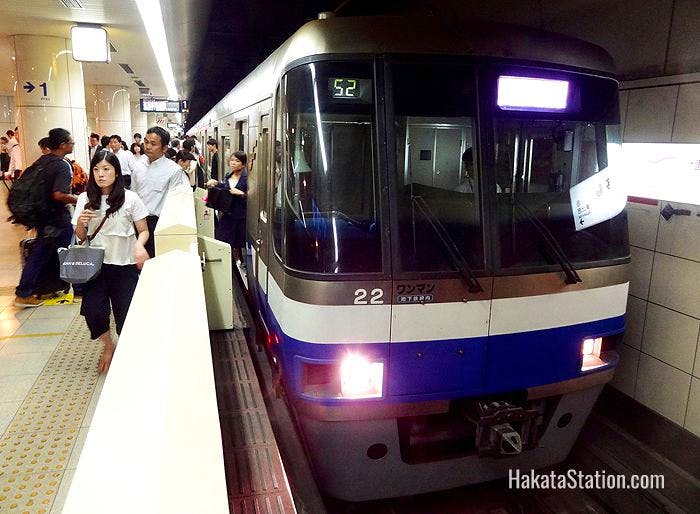
Fukuoka Airport to city center: subway, bus, or taxi?
By Subway
From the international terminal station, it’s only 2 stops (5 minutes) to Hakata Station. The fare is 260 yen. Trains run every few minutes from about 5:30 a.m. to midnight. This is what we use every time.
By Bus
Airport buses connect to Tenjin and Hakata Bus Terminal. The ride to Hakata takes around 15-20 minutes and costs 260 yen. Buses can be slower in traffic, but they drop you right at the station entrance.
By Taxi
A taxi to Hakata or Tenjin runs 1,500 to 2,000 yen and takes about 15 minutes. Splurge only if you have heavy luggage or arrive very late. All cabs accept IC cards.
Which Fukuoka pass saves you the most money?
Fukuoka City Passes
The Fukuoka Tourist City Pass is our top pick. For 820 yen (adult, 1-day) you get unlimited rides on city subways, Nishitetsu buses, and even the airport line. A 2-day version costs 1,340 yen and pays for itself after four trips per day.
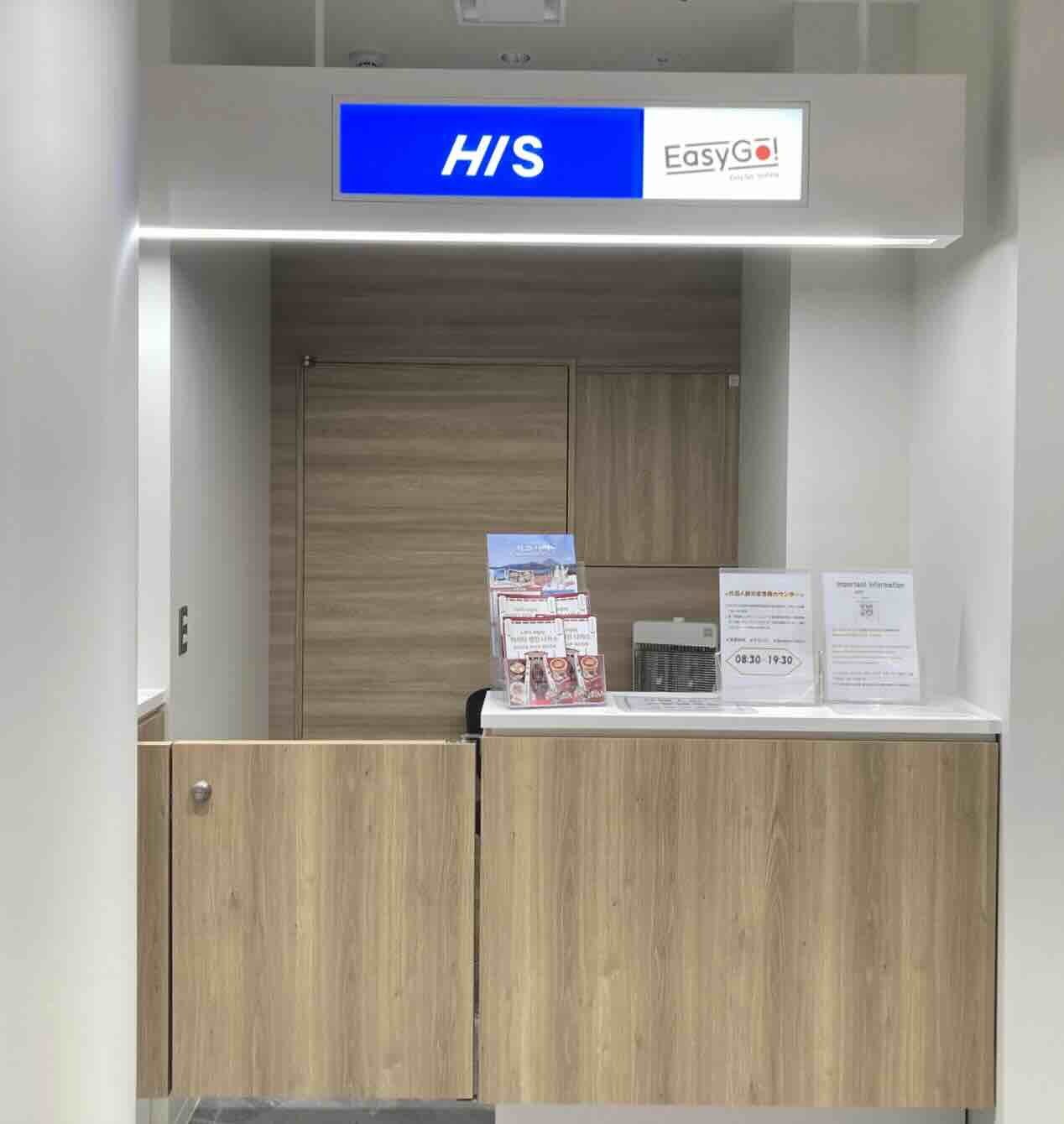
Buy it at the Fukuoka Airport Tourist Information Center or Hakata Station. Always check the official Fukuoka City website for the latest price and coverage, as minor route changes can occur.
Kyushu Train Passes
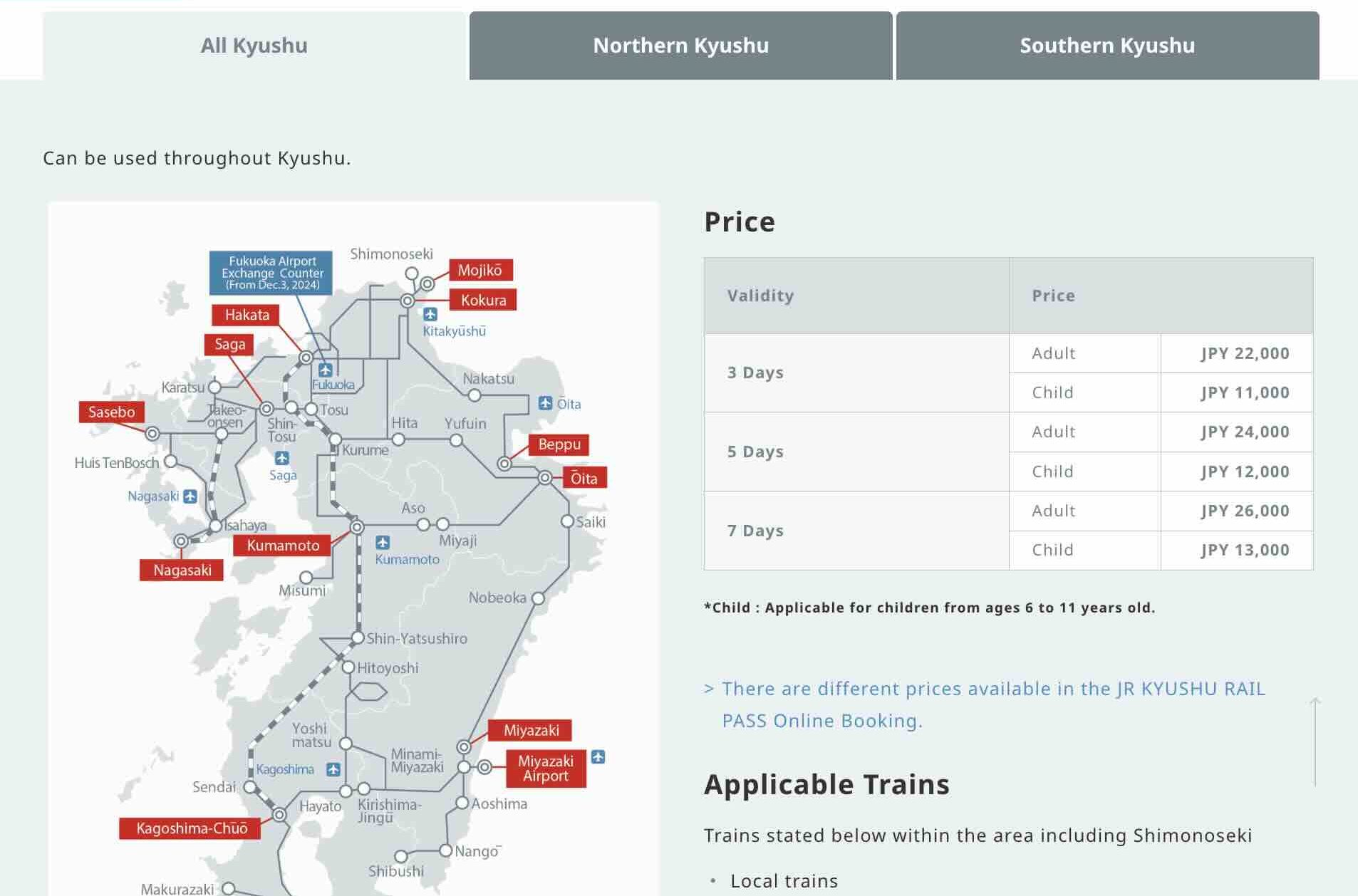
If you plan to explore beyond the city, the Kyushu Rail Pass covers JR Kyushu trains, including the Shinkansen (except Nozomi and Mizuho).
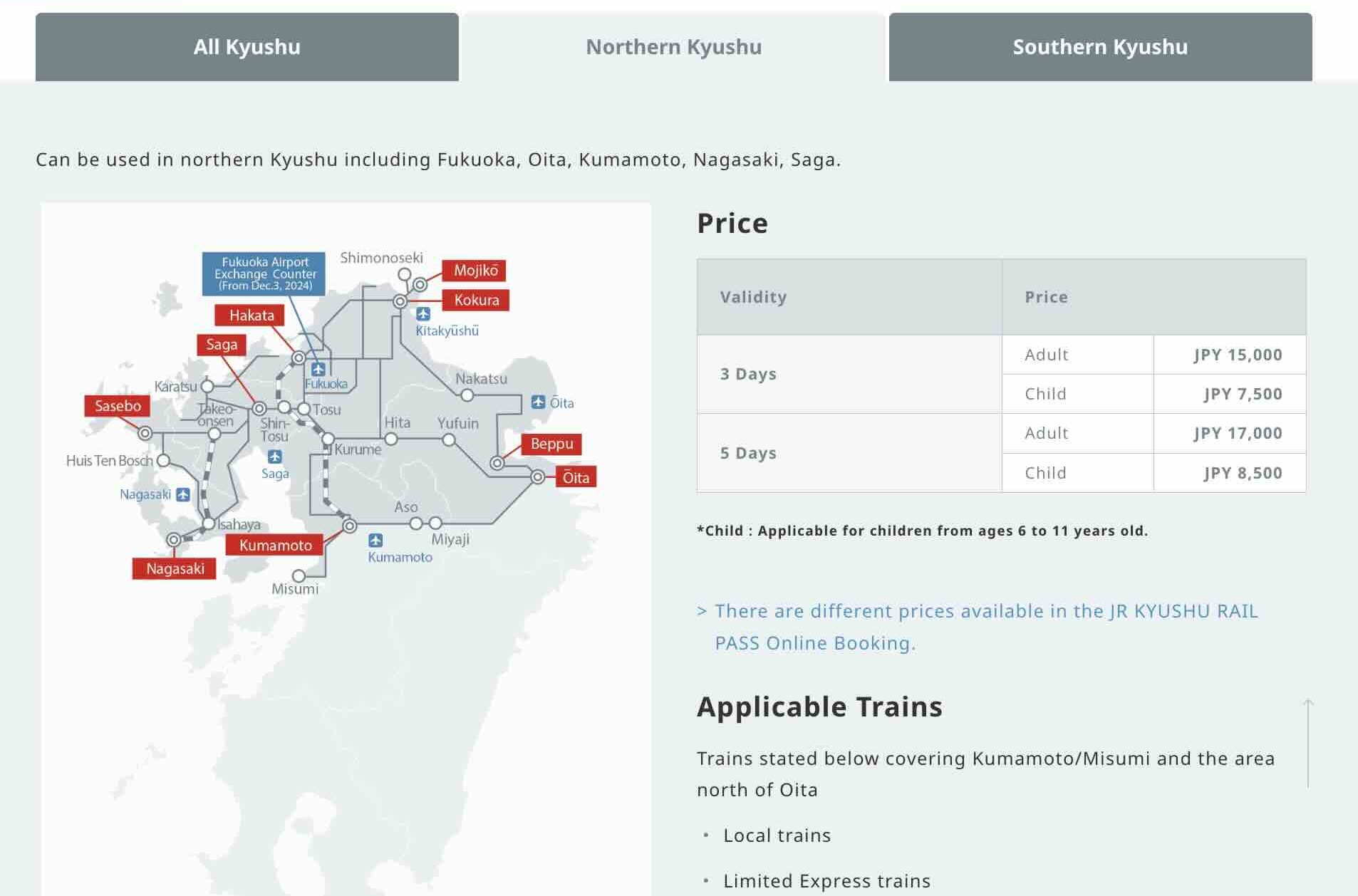
The Northern Kyushu version works perfectly for Nagasaki, Kumamoto, and Oita day trips. We have a detailed guide to Kyushu Rail Pass options. Prices vary by duration; as of this year, a 3-day pass runs roughly 10,000 yen, but confirm on the JR Kyushu official site.
Fukuoka + Hiroshima/Yamaguchi Train Pass
This lesser-known pass is brilliant for a quick trip north. It covers Shinkansen rides to Hiroshima and local trains in the area and often costs less than a roundtrip ticket. Check the latest issuance rules; it is only available to foreign visitors with a temporary visitor stamp.
How to get around Fukuoka without stress
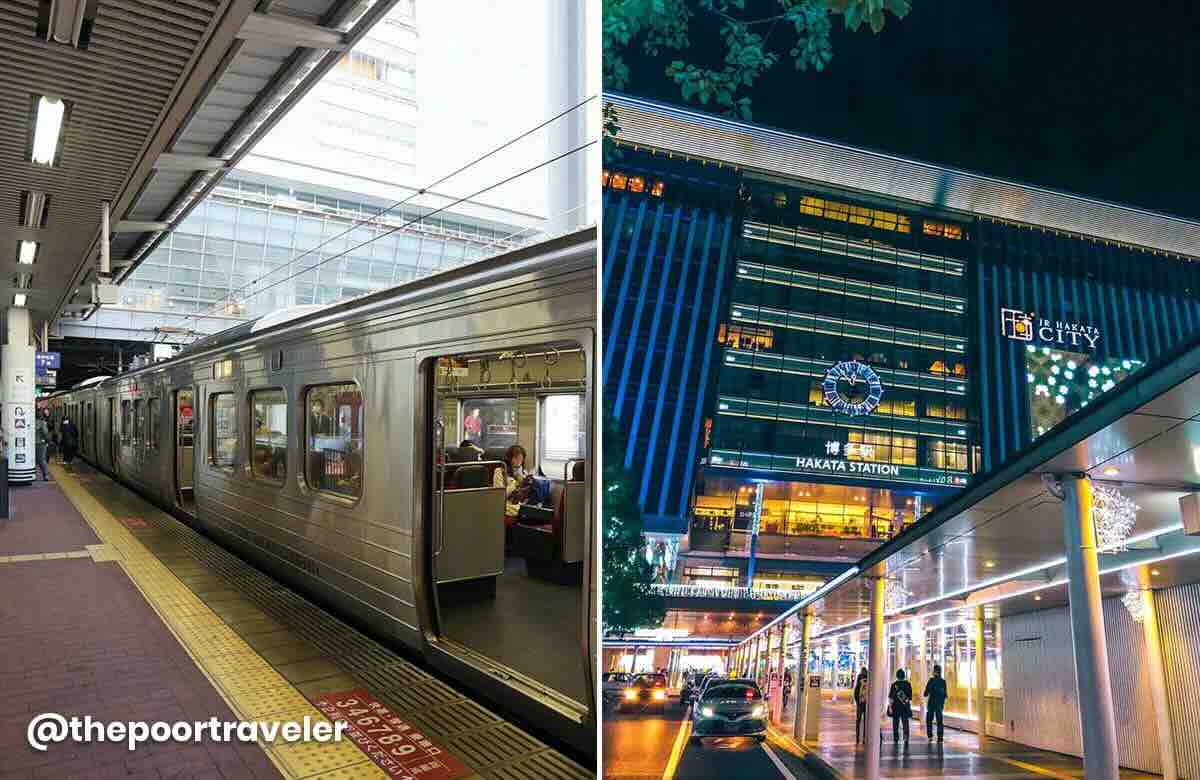
The three-line subway (Kuko, Hakozaki, and Nanakuma lines) covers most tourist spots. Buses fill the gaps, but I’ve learned the hard way that Google Maps bus schedules in Fukuoka can be off. The official Nishitetsu Bus app gives live times, and most bus stops now show real-time arrivals in English.
Fatima’s honest take: “I once missed a temple visit because I trusted a Google bus listing that never showed.” Now I always double-check with the Nishitetsu app or just take the subway and walk the extra 10 minutes.”
By Train/Subway
- Frequent, punctual, air-conditioned
- Stations have English signs and numbers
- IC cards (Suica, Pasmo, etc.) work on all lines
By Bus
- Flat fare within city center (150-190 yen)
- Enter through rear, tap IC card, exit via the front.
- Nishitetsu Bus app is essential for non-subway routes
What are the best things to do in Fukuoka? Our curated list
I’ve grouped these into city highlights and surrounding prefecture gems. Don’t try to cram everything into one trip; pick one cultural block, one nature spot, and one food adventure per day.
Cultural & Historical Core
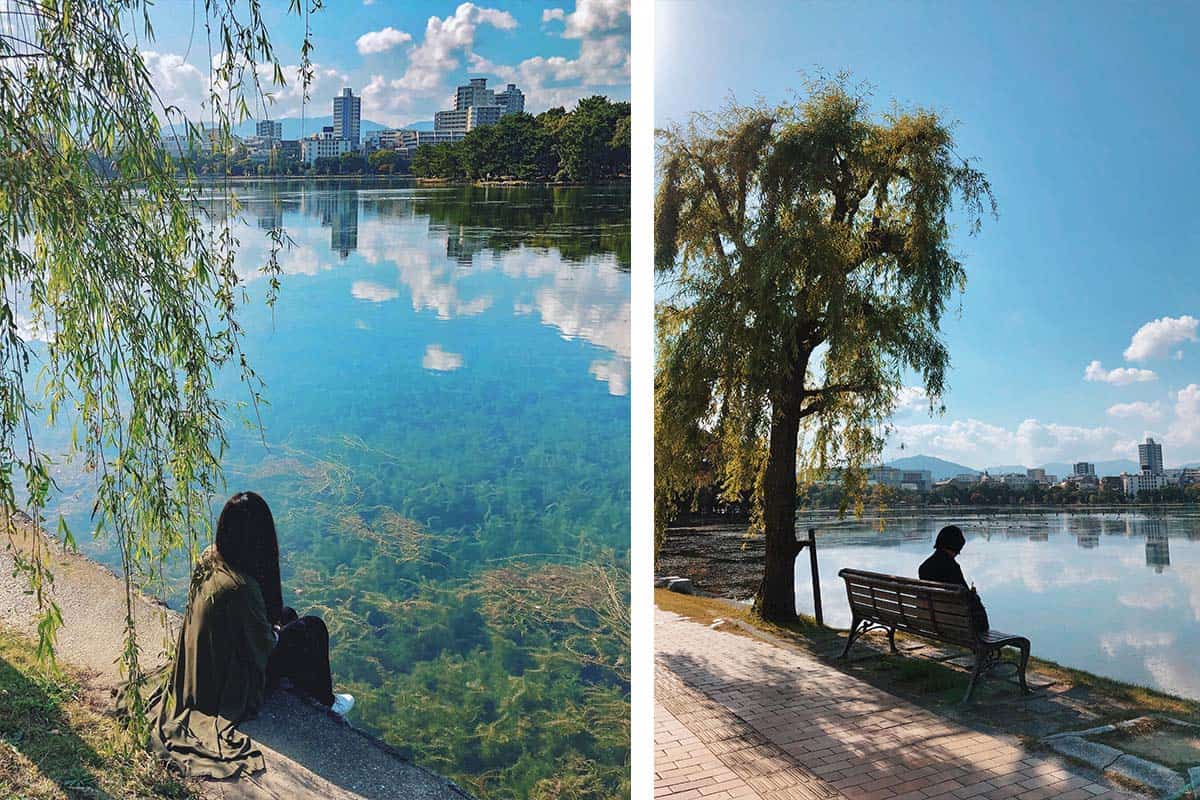
Ohori Park—A former castle moat turned peaceful lake. Rent a swan boat, jog the 2km loop, or visit the adjacent Japanese garden (240 yen entry). Cherry blossoms in late March are glorious.
teamLab Forest Fukuoka — Inside BOSS E・ZO Fukuoka, this interactive digital art space merges technology and nature. Tickets around 2,200 yen. Book ahead on the official site.
Dazaifu Tenmangu Shrine—A 30-minute train ride from Tenjin. Dedicated to the god of learning, it’s famous for plum blossoms and the architecturally striking Starbucks by Kengo Kuma. Free entry; museum fees apply.
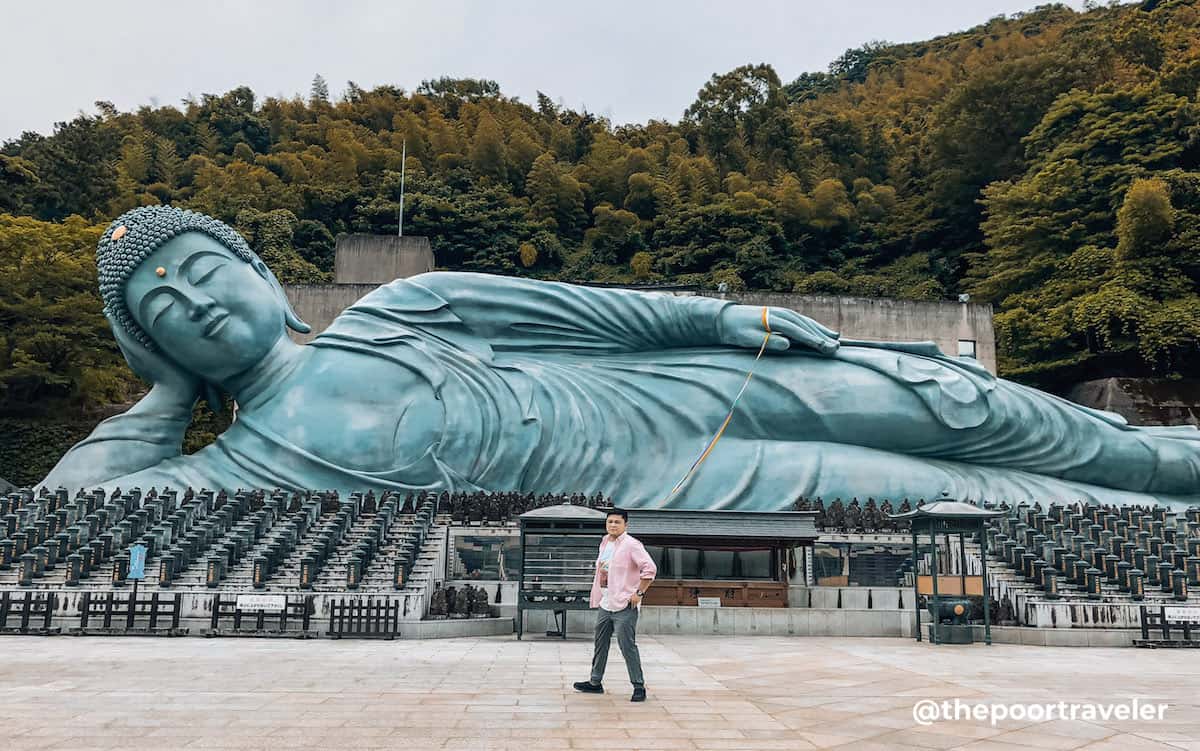
Nanzoin Temple — Home to the massive reclining Buddha (41m long). It’s a 20-minute train ride from Hakata, then a short bus. Free entry. The temple is active with monks, so dress modestly.
Kokura Castle & Mojiko Retro — In Kitakyushu, just 15 minutes by Shinkansen from Hakata. Kokura Castle has a sharp modern interior; Mojiko Retro is a waterfront district of Taisho-era buildings. A combined day works well.
Nyoirinji Frog Temple — Over 5,000 frog figurines in a quiet temple in Ogori. It’s quirky, free, and a 10-minute bus from Ogori Station. The monks here truly love amphibians.
Nature & Coastline Escapes within Fukuoka Prefecture
Fukutsu—Coastal pine forest and a long sandy beach with the iconic white torii gate of Miyajidake Shrine. Best at sunset. Take the JR train to Fukuma Station.
Itoshima — A surfing and café haven 40 minutes by bus from Tenjin. Palm swings, seaside cafes, and the photogenic Sakurai Futamigaura rocks. Perfect half-day break.
Ukiha & Asakura — Rural Fukuoka with rice terraces, fruit picking, and the ancient Akizuki Castle town. Rent a car or use the limited train/bus connections.
Umi Hachimangu & Flower Parks — Umi Hachimangu is a grand shrine near the Nishitetsu line. Seasonal flower parks like Nokonoshima Island Park explode with cosmos and daffodils. Check bloom schedules.
Which day trips from Fukuoka are worth your time?
Nagasaki
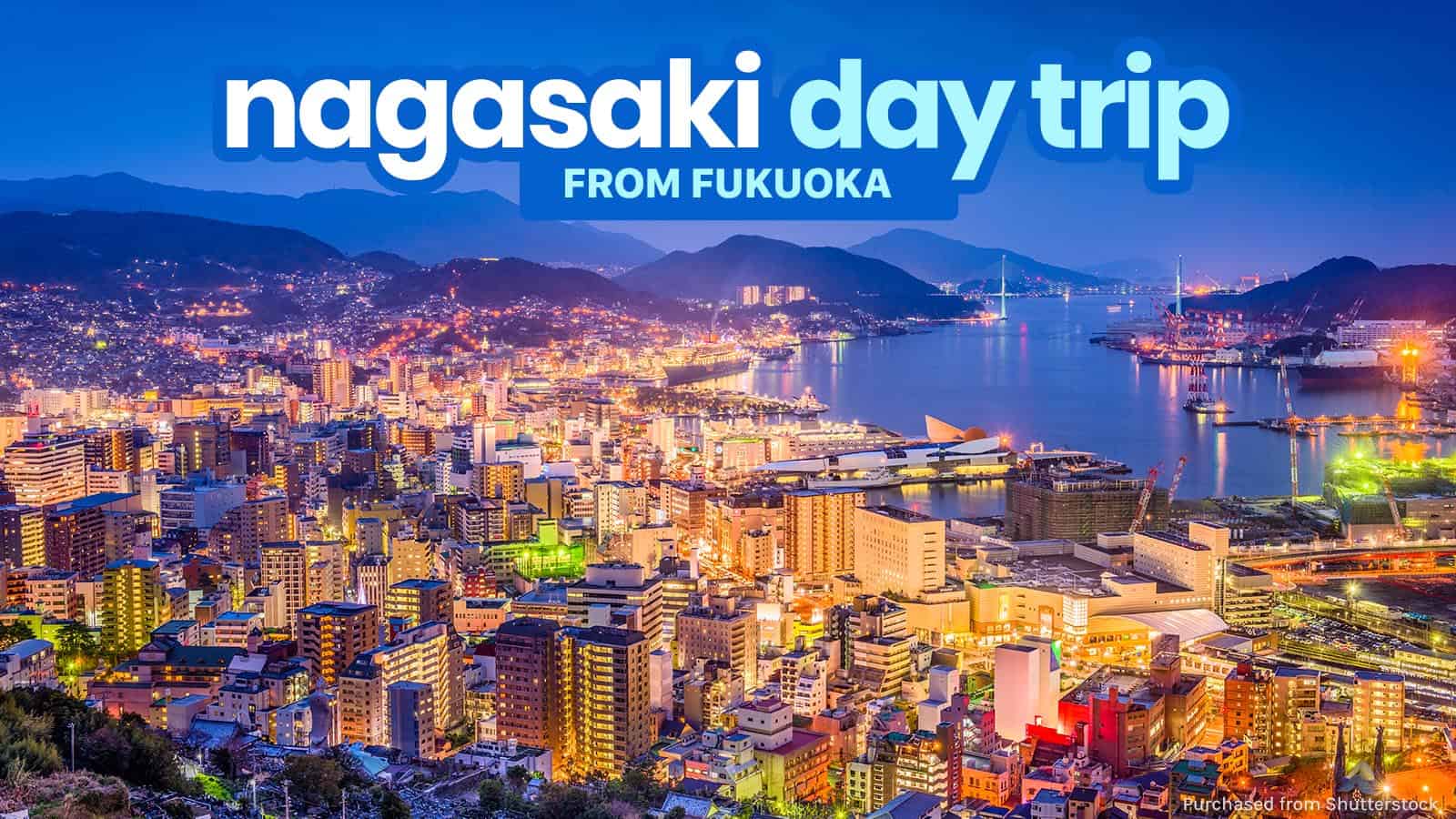
2 hours by Kamome limited express (covered by Kyushu Rail Pass). Poignant Peace Park, vibrant Chinatown, and the stunning night view from Mount Inasa. We have a full Nagasaki day trip guide.
Oita (Beppu & Yufuin)
Beppu’s hell hot springs and Yufuin’s scenic lake are reachable in 2 hours via the Sonic limited express. Perfect for onsen lovers. See our onsen etiquette tips.
Saga
Under an hour to Saga city or the pottery town of Arita. Visit the Saga Castle History Museum or a kiln. A calmer day trip from the crowds.
Kumamoto
40 minutes by Shinkansen. The rebuilt Kumamoto Castle is magnificent, and the Suizenji Garden is a masterpiece. Great combined with a Kumamoto ramen lunch.
For guided excursions, we’ve booked through GetYourGuide and found English-speaking tours to Nagasaki and Yufuin that handle all logistics.
What and where to eat in Fukuoka? A hungry traveler’s guide
Fukuoka is synonymous with Hakata tonkotsu ramen. The broth is milky, the noodles thin and firm, and you order by buying a ticket from a vending machine. Ichiran’s Canal City branch is iconic, but I prefer the tiny stalls in Nakasu. A basic bowl costs around 800 yen. Fatima still talks about the bubbling pot of motsunabe (offal hotpot) we shared near Tenjin, about 1,500 yen per person.
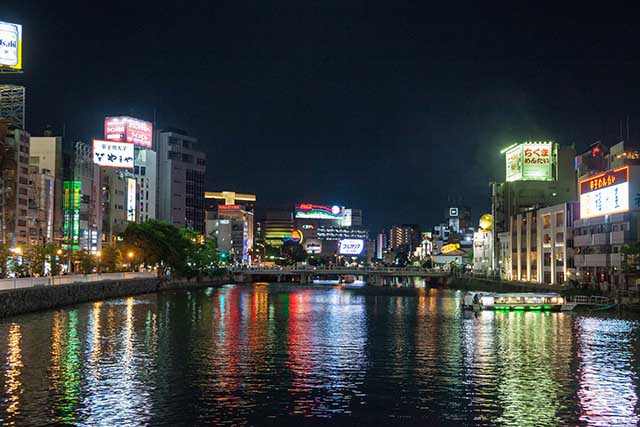
Do not miss the yatai (open-air food stalls) that set up along the Naka River after 6 p.m. They serve grilled skewers, oden, and ramen. Most close by midnight. Cash only. For restaurant reviews and honest photos, we rely on TripAdvisor. Also, try mentaiko (spicy cod roe) at a breakfast teishoku set.
If you have dietary restrictions, convey them clearly. A printable card from your hotel or a translation app helps. For vegetarian options, look for shojin ryori at temples or carefully curated lists on our vegetarian Japan page.
What does a perfect 3-day Fukuoka itinerary look like?
Here’s how we’d spend 72 hours, moving efficiently and eating well.
Day 1: Land, take subway to hotel near Hakata. Activate Fukuoka Tourist City Pass. Afternoon: Ohori Park and Fukuoka Castle ruins. Evening: yatai crawl along Nakasu Island.
Day 2: Morning train to Dazaifu Tenmangu. Return via Nishitetsu for lunch at a tonkotsu ramen shop. Afternoon: teamLab Forest (pre-booked). Evening: Tenjin shopping and a motsunabe dinner.
Day 3: Day trip using Kyushu Rail Pass to Kumamoto Castle or Nagasaki. Back in Fukuoka for a final bowl of ramen at a station shop before heading to the airport.
Adapt this based on your arrival time. More detailed multi-city plans live in our 7-day Kyushu itinerary.
Mistakes to avoid when you travel to Fukuoka
- Relying solely on credit cards. Many yatai, small eateries, and temple stalls are cash-only. Carry at least 5,000 yen in small bills.
- Waiting in massive ramen queues at peak hours. Go at 11 a.m. or 3 p.m. to avoid the lunch and dinner rush.
- Overlooking the Nishitetsu train line. Google Maps sometimes pushes bus routes that take twice as long; the train to Dazaifu is faster.
- Assuming all Japan Rail Passes cover the Nozomi Shinkansen. They don’t. Use Sakura or Hikari trains on the Kyushu Shinkansen.
- Ignoring the last subway time. Subway service ends around midnight. A taxi from Tenjin to Hakata after that costs about 1,000 yen.
- Skipping travel insurance. Medical costs can be high. We always insist on it before any Japan trip.
- Booking airport hotels unnecessarily. The subway is so quick that staying in Hakata is often cheaper and more convenient.
Frequently asked questions
When is the best time to visit Fukuoka?
Spring (March to April) for cherry blossoms and plum blooms, and autumn (October to November) for comfortable temperatures and gingko trees. Summer brings the energetic Hakata Gion Yamakasa festival but also high humidity. Winter is mild and rarely snowy.
Is Fukuoka safe for tourists?
Yes, Fukuoka consistently ranks as one of Japan’s safest cities. Standard precautions apply: watch your belongings in crowded yatai areas, and avoid unlit paths late at night. Solo female travelers we’ve spoken to have all felt comfortable.
Where can I exchange money in Fukuoka?
The best rates are from 7-Eleven ATMs at the airport or throughout the city. Many Japan Post Bank ATMs also accept international cards. Avoid airport currency exchange counters when possible; their margins are wider.
What power socket is used in Fukuoka?
Japan uses Type A and Type B sockets, same as North America, with 100V and 50Hz in Fukuoka. Travelers from Europe, Africa, and Asia will need a plug adapter. Most modern chargers are dual-voltage, but check your device.
What is the tipping policy in Fukuoka?
Tipping is not practiced and can cause confusion. Exceptional service is simply met with a sincere “arigatou gozaimasu.” Some high-end ryokan may include a service charge, but leaving extra cash on a table is not expected.
When is it wise to purchase a JR Pass?
Only buy a national JR Pass if you’ll take multiple long-distance Shinkansen trips across regions. For travel solely around Fukuoka and northern Kyushu, the Kyushu Rail Pass or point-to-point tickets are far cheaper. Use a fare calculator on the official JR site to confirm.
Plan your trip: booking platforms we trust
The WakaAbuja team has tested these platforms across multiple Japan trips. They offer competitive rates, solid cancellation policies, and reliable customer support for Nigerian travellers booking from abroad.
Booking.com — Wide range of properties with clear filters
Expedia — Great for flight + hotel packages
Kayak — Compares flights across airlines and agents
Vrbo — Family-sized vacation rentals and apartments
GetYourGuide — Curated tours and cultural experiences
Hotels.com—Earn free nights with their loyalty program
TripAdvisor — Honest reviews and restaurant recommendations