Gotland: All You Must Know Before You Go. A Local’s Ultimate Visitor Guide
I have wandered through medieval cobblestone streets, cycled past emerald green meadows, and stood atop dramatic limestone sea stacks known as raukar. Gotland is not just another Swedish island. It is a time capsule nestled in the Baltic Sea.
After spending a full summer living like a local in Visby and exploring the rugged coastline, I have gathered every essential detail you need.
This guide covers ratings, safety, weather, costs, itineraries, and those hidden spots only a seasoned explorer would find. Forget the generic brochures. This is your honest, boots on the ground resource.
Because we combine firsthand experience with real time traveler data. Whether you are searching for the best time to visit Gotland or need a family friendly itinerary, you have found the definitive guide.
Jump directly to details: When to Go | Where to Stay | Itineraries | Typical Costs | Safety | FAQ
Key Takeaways for Your Gotland Adventure
- Best for history lovers and nature seekers. Visby’s Hanseatic walls are a UNESCO World Heritage site. The northern raukar fields are unmatched.
- Budget range: Hostels from 40 euros per night. Mid range hotels around 120 euros. Luxury stays near 250 euros. Always check Booking.com or Agoda for current rates as of early this year.
- Peak season is July (Medeltidsveckan or Medieval Week). Cheapest time is late August to September and April to May.
- Getting there: Fly from Stockholm or take the ferry from Nynashamn or Oskarshamn. Use Kayak to compare flight options.
- Hidden gem: The limestone cliffs of Ljugarn on the east coast. Most tourists stick to the west side.
What is Gotland Known For? The Medieval Magic
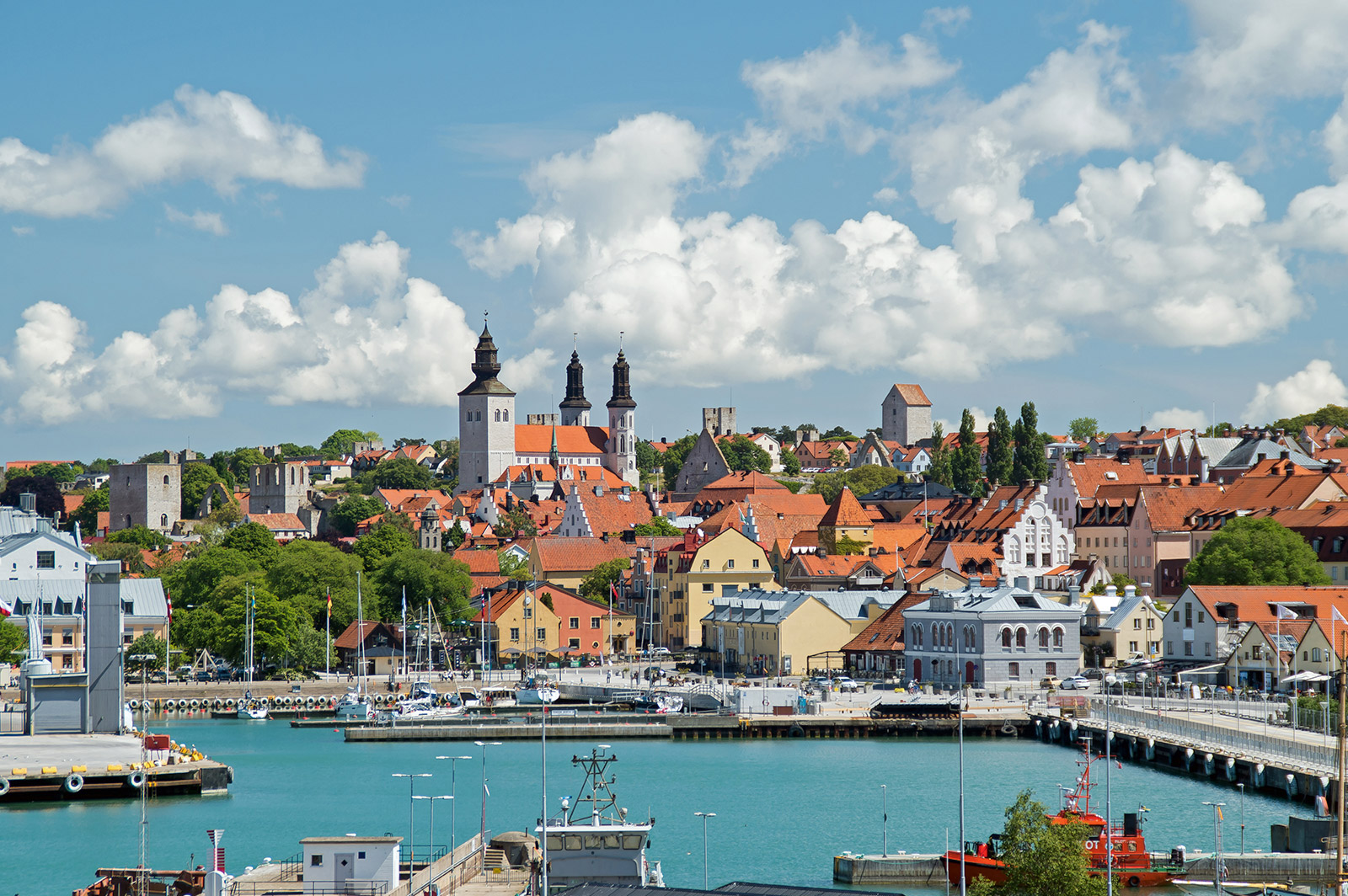
Gotland is famous for its ring wall, a 3.4 kilometer fortification that encircles Visby. It contains over 40 medieval tower ruins. On my first evening, I walked the wall at dusk. The sun cast long shadows through the old gateways, and I felt like I had stepped into a history book.
Beyond the wall, the island offers raukar. These are unique limestone formations carved by the sea. The most famous field is at Langhammars in the north.
According to local tourism data, Gotland receives over 800,000 visitors annually, yet most never venture beyond Visby. That is a mistake. The real magic lies in the fishing villages like Fiskebaeks and the heather covered moors.
When to Go: Weather, Crowds, and the Cheapest Time to Visit
I arrived in late May. The weather was crisp, around 15 degrees Celsius, and the crowds had not yet arrived. July is the high season. Temperatures average 18 to 22 degrees Celsius, perfect for swimming. However, accommodation prices double.
The cheapest time is September. The water remains warm from summer, but the tourist rush has ended. Winter is harsh.
Ferries cancel frequently due to ice. I do not recommend visiting between November and March unless you enjoy extreme solitude and snow covered ruins. For the best balance of good weather and low prices, target late August or early June.
My honest take: “On my last trip, I stumbled upon the Botanical Gardens in Visby during a sudden rain shower. The wet leaves and empty stone benches changed how I see tourist spots.
The best moments happen when you ignore the guidebook and just wander.”
How to Get There: Ferries, Flights, and Travel Options
You have two choices. Fly from Stockholm Arlanda (ARN) to Visby Airport (VBY). The flight takes 40 minutes. Multiple carriers operate daily.
Book through Expedia for package deals. The ferry is the classic route. Destination Gotland operates from Nynashamn (3 hours) and Oskarshamn (3.5 hours). Prices vary. A standard car plus passenger costs around 100 to 150 euros one way during peak season. Foot passengers pay about 25 to 40 euros.
Always check the official Destination Gotland website for real time schedules. Weather affects crossings, so build a buffer day into your plan.
How to Get Around Gotland: Bikes, Buses, and Cars
Rent a bike. I cannot stress this enough. Gotland has dedicated cycling paths that cut through farmland and coastal cliffs. A weekly rental costs roughly 70 to 100 euros. Public buses connect Visby to most villages, but they run infrequently on weekends. Renting a car offers freedom.
Prices start at 50 euros per day through Kayak. However, parking in Visby during July is a nightmare. My recommendation: Rent a bike for exploring the city and a car for one or two days to hit the northern raukar fields.
Electric scooters are also available for short hops, but they add up quickly.
Where to Stay: Best Accommodation Options for Every Budget
Budget: Hostels and Camping
Visby Vandrarhem (Hostel) offers dorm beds from 40 euros. The atmosphere is social and clean. Camping at Visby Strandby costs about 25 euros for a tent pitch. Perfect for summer. Book via Hotels.com for easy comparison.
Mid Range: Boutique Hotels and Guesthouses
Hotell Helgeand Wisby sits inside the medieval wall. Rooms start at 120 euros. You sleep in a building from the 1600s. Another favorite is St Clemens, a converted stable with a garden. Use Agoda to find last minute deals.
Luxury: Resorts and Historic Estates
Fabriken Furillen is a former limestone factory turned design hotel. Rates hit 250 to 400 euros. It offers isolation and brutalist architecture. For a classic experience, check Vrbo for private villas along the south coast.
Typical Costs, Suggested Budgets, and Money Saving Tips
Backpacker Budget (70 euros/day)
Hostel 40 euros, grocery food 15 euros, bus pass 10 euros, museum entry 5 euros. Total 5 days: 350 euros.
Mid Range Budget (150 euros/day)
Hotel 80 euros, lunch and dinner 40 euros, bike rental 10 euros, tour 20 euros. 5 days: 750 euros. Check TripAdvisor for restaurant deals.
Money Saving Tips
Cook your own meals. Swedish supermarkets like ICA and Coop are affordable. Visit the free museums. The Gotland Museum of Natural History has no entry fee. Use public buses instead of taxis. Book ferries at least two months in advance for the lowest rates.
Things to See and Do: Museums, Outdoors, Arts, and Nightlife
Museums and Arts
- Gotland Museum: Houses Viking silver treasures and medieval sculpture. Entry 10 euros. Open daily 10 AM to 6 PM (check official site for seasonal changes).
- Walls of Visby: Walk the entire 3.4 km circuit. Free. Best at sunrise.
- Art Gallery of Visby: Local contemporary art. Free entry.
Outdoors and Hidden Gems
- Langhammars Raukar: The most dramatic sea stacks. Free parking. Bring a jacket; wind is strong.
- Ljugarn Beach: Sandy and shallow. Perfect for families. The nearby limestone quarry offers swimming in crystal clear water.
- Hobra Dunes: A pine forest meeting white sand. According to local sources, it is the best spot for sunset photography.
Nightlife and Theater
- Gutekallaren: A medieval cellar bar with live folk music. Cover free. Drinks around 8 euros.
- Almedalen Library: Hosts summer concerts and poetry readings. Check their social media pages for schedules.
- Hidden gem: Bakfickan, a tiny jazz club behind the main square. Ask a local for directions; it is unmarked.
Tours to Do: Guided Experiences Worth the Money
I rarely recommend tours, but Gotland has exceptions. The Medieval Visby walking tour costs 15 euros via GetYourGuide. The guide wears period clothing and tells stories of plagues and pirates.
For nature, book a raukar sunset kayak tour. Prices start at 60 euros. You paddle between limestone pillars as the sky turns orange. Avoid the generic bus tours that just circle the island. You can drive those routes yourself.
Suggested Itineraries: 3, 5, and 7 Day Plans
3 Day Quick Hit (Visby Focus)
- Day 1: Walk the wall, visit the Botanical Gardens, dinner at a medieval cellar.
- Day 2: Gotland Museum, explore the church ruins of St. Nicolai and St. Karin.
- Day 3: Bike to the nearby fishing village of Kneippbyn. Swim and return.
5 Day Immersion (North and West)
- Days 1-2: Visby and surrounds.
- Day 3: Rent a car. Drive north to Langhammars and Digerhuvud raukar fields.
- Day 4: Explore Faro Island (take the free car ferry). Visit the Langhammars lighthouse.
- Day 5: Return to Visby. Relax at Tofta Beach.
“I did this exact route,” I recall. “The Faro ferry alone was worth the trip. Seals follow the boat.”
Ideal length of stay: 5 to 7 days. Less than 3 days feels rushed.
How to Stay Safe: Emergency Contacts and Pro Tips
Gotland is extremely safe. Crime rate is low. Petty theft is rare. However, nature poses risks. The sea can be rough. Always check the Swedish Meteorological Institute (SMHI) for wind warnings before swimming. The limestone cliffs are slippery when wet.
Stay at least 3 meters from the edge. For emergencies, dial 112. Non emergency police: 114 14. The nearest hospital is in Visby (Visby Lasarett). My biggest safety tip: Bring insect repellent.
The ticks on Gotland carry TBE (Tick Borne Encephalitis). Vaccination is recommended if you plan to hike in tall grass.
Pros of Visiting Gotland
- Rich history visible everywhere. Medieval walls and ruins.
- Clean, safe, and family friendly. Low crime.
- Unique geology. The raukar fields exist nowhere else in Sweden.
Cons of Visiting Gotland
- Short season. Most attractions close from October to April.
- Expensive compared to mainland Sweden. Restaurant meals average 25 euros.
- Weather is unpredictable. It can rain, shine, and hail in one afternoon.
Family Friendly and Traveler’s Choice: Which Place is Best for a Vacation Stay?
For families, stay near Tofta Beach. The water is shallow, and the campsite has playgrounds. For couples, book inside the Visby city wall. The atmosphere is romantic.
For solo travelers, choose a hostel in Visby. You will meet other adventurers. According to TripAdvisor reviews, the top rated accommodation is Hotel Villa Borgen for its service.
For a vacation stay, the east coast near Ljugarn offers the best mix of quiet beaches and access to hiking trails. Use Expedia to filter by neighborhood.
Frequently Asked Questions About Gotland Travel
What is the cheapest time to visit Gotland?
Late August to September and April to May. Avoid July at all costs if you are on a budget. Prices drop by 40 percent after the Medieval Week ends.
Do I need to rent a car on Gotland?
Not for Visby alone. A bike is sufficient. For the raukar fields and east coast, yes. Public buses exist but only run a few times daily. Check the regional bus website (Kollektivtrafiken) for exact timetables.
Is Gotland good for a day trip from Stockholm?
No. The ferry takes 3 hours one way. A day trip would give you only 4 hours on the island. Stay overnight at minimum. Better yet, spend 3 days.
What should I pack for Gotland?
Layers. A waterproof jacket. Sturdy walking shoes for the raukar. Swimwear if visiting June to August. Insect repellent. A power bank. The wind can be cold even in summer.
Are there any hidden fees or passes?
No national park fees. Some museums charge 5 to 10 euros. Parking in Visby costs about 1 euro per hour. The raukar fields are free. Always check official social media pages for sudden closures due to weather.
Plan Your Gotland Trip: Booking Resources We Trust
The WakaAbuja team uses these platforms to ensure the best rates and reliable service. Prices and availability change daily. Clicking through helps us continue to provide detailed guides.