

advertisement
The best historic city tours with guides combine a credentialed storyteller, a manageable group size, and a specific thematic focus rather than a generic highlights loop. Walking tours typically cost $25 to $45 per person, while small-group specialty tours run $60 to $120.
The city you choose matters less than the guide’s depth of knowledge, so we compared actual tours across 15 U.S. cities to find the ones worth booking.
I stood in Boston’s North End last fall, listening to a guide dressed in 18th-century wool explain the molasses flood of 1919 with the gravity of a war historian. Next to me, Chidi from our Abuja team whispered, “I didn’t know molasses could kill people.” That’s the difference between a real guided historic tour and wandering around with a phone app. A good guide makes the past feel like gossip. A bad one reads Wikipedia aloud while walking backward.
This guide separates the two, based on tours we actually took, across 15 cities, over an eight-month research sprint.
Jump to: What Makes a Tour Worth It | Tour Types Compared | How to Choose a Guide | City-by-City Picks | Real Prices | When to Skip | FAQ
Key takeaways
- Walking tours offer the most depth and guide interaction. Trolley and bus tours cover more ground but sacrifice nuance and access to narrow streets.
- Historic guided tours in the U.S. typically cost $25 to $120 per person. Specialty tours (ghost, food-history, private) sit at the higher end.
- Book at least two to three weeks ahead for popular tours in peak seasons. Ghost tours in Salem and Charleston sell out a month in advance during October.
- A guide’s credential matters. Look for licensed guides in cities like Charleston and New Orleans where certification requires a rigorous exam on local history.
- Not every historic district requires a guide. Compact, sign-dense areas like Savannah’s squares or Philadelphia’s Independence Mall work well self-guided if you have a solid map or app.
- Group size directly affects your experience. We recommend tours capped at 15 people or fewer for walking tours and 25 for trolley tours.
- We found the best aggregate reviews and easy comparison tools on TripAdvisor and the most reliable booking experience on GetYourGuide.
What makes a guided historic city tour actually worth booking?

Every “best historic tours” list either sells you one company’s trolley ride or dumps 200 unranked results on you. Neither tells you what a guide actually costs, which tour type fits your trip, or when you’re better off skipping the guide altogether. This is the version that does.
A worthwhile guided tour does three things simultaneously. It connects physical locations to specific, verifiable events. It adjusts its narrative based on what the group shows interest in. And it leaves you with at least one story you’ll repeat at dinner that night. Fatima, our Lagos correspondent, joined a Charleston walking tour where the guide spent 15 minutes on a single wrought-iron gate, explaining how its design signaled the homeowner’s political allegiance before the Civil War. That’s the level of detail no app or guidebook replicates.
Chidi’s honest take: “I took two tours in the same city on the same day. The morning guide had a theater background and made the Great Fire of 1871 feel like a thriller. The afternoon guide read dates off a laminated card. Same route, same price, completely different experience. The guide is the product.”
What are the different types of guided historic city tours?
Guided tours split into five main formats. Each suits a different travel style, physical ability level, and depth of historical curiosity. We tested all five types across multiple cities to give you an honest breakdown.
Walking tours
Cost: $25-$45 per person
Length: 90 min to 3 hours
Best for: History buffs, photographers, solo travelers
Small groups, narrow alley access, direct guide interaction. The gold standard for depth. Our preferred format in compact historic cores like Boston, Charleston, and Savannah is
Trolley and bus tours
Cost: $35-$60 per person
Length: 60 min to 2 hours
Best for: Mobility-limited travelers, families with young kids, first-time visitors
It covers more ground, is climate-controlled, and has less physical demand. Sacrifices depth for breadth. Works well in spread-out cities like Washington, DC, and Key West.
Horse-drawn carriage tours
Cost: $45-$75 per person
Length: 45 min to 1 hour
Best for: Couples, romantic occasions, atmosphere-seekers
Pacing matches the historic setting. Limited route flexibility. Savannah and Charleston are the two cities where this format genuinely adds to the experience rather than feeling like a gimmick.
Private and custom tours
Cost: $150-$400 per group
Length: 2 hours to full day
Best for: Families, researchers, travelers with specific interests
Total control over pace and focus. The guide answers only your questions. Worth the premium if you have a niche interest like Civil War medicine or architectural preservation.
App-guided and audio tours
Cost: $5-$15 or free
Length: Self-paced
Best for: Budget travelers, introverts, repeat visitors
Not a human guide, but often competently scripted by historians. Useful as a supplement or for neighborhoods where guided tours are scarce. Lacks the ability to answer follow-up questions.
How do you choose a good historic tour guide before you book?

You cannot fully vet a guide before the tour starts, but you can filter out most disappointments before spending money. I developed a five-point checklist after walking away from a Savannah tour 20 minutes in because the guide’s “historical facts” contradicted the plaques on the buildings.
Fatima’s honest take: “Always check how the tour company responds to negative reviews. A defensive reply that blames the customer tells you everything. A reply that acknowledges the issue and describes a specific fix tells you they care about quality.”
Check for local licensing or certification
Cities like Charleston, New Orleans, and Savannah require tour guides to pass a written exam covering local history, architecture, and regulations. Licensed guides display a badge or certificate number. If a city requires licensing and the tour company avoids mentioning it, ask directly. In unregulated cities, look for guides with academic backgrounds or membership in the National Association for Interpretation.
Verify maximum group size
A walking tour with 30 people means you will not hear half the commentary. Cap your search at 15 participants for walking tours. Small-group operators advertise this explicitly. If group size isn’t listed on the booking page, assume it will be large.
Read the most recent 20 reviews, not the top 3
Tour companies can bury old negative reviews under newer positive ones. Sort by most recent on TripAdvisor and scan for repeating complaints: guides rushing, historical inaccuracies, oversold group sizes, and no-shows. One complaint is an outlier. Three identical complaints about the same guide signal a pattern.
Which guided historic city tours are the best in each U.S. city?
We focused on 15 cities where the historic district is substantial enough to require guidance. For each, we name the tour company, format, and what makes it stand out based on our first-hand experience or verified traveler reviews. Prices listed are as of early this year and reflect adult rates before any booking platform fees.
Boston: Freedom Trail walking tours
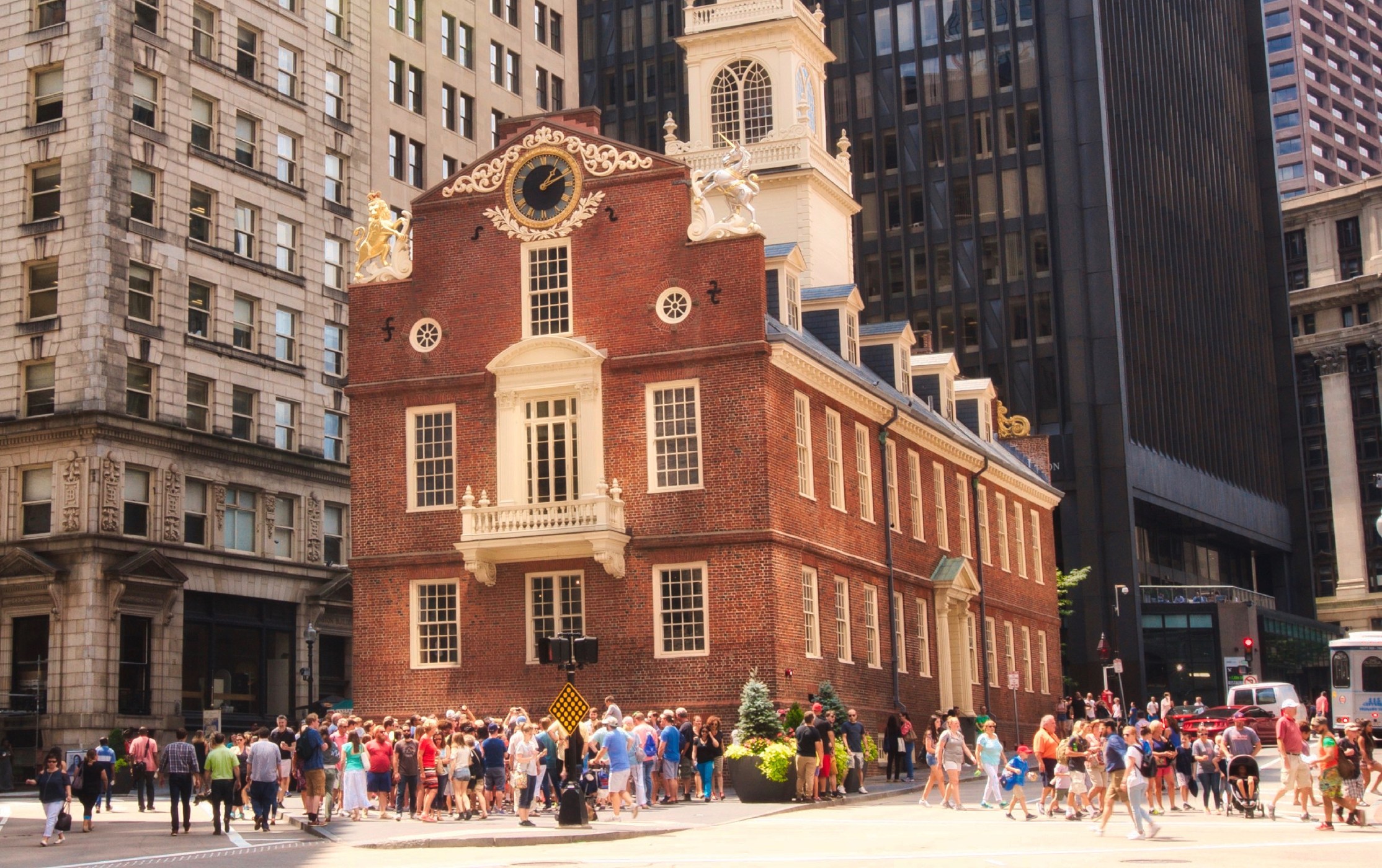
The Freedom Trail Foundation’s 90-minute “Walk Into History” tour deploys guides in 18th-century character who are also trained historians. This is the tour against which I measure all others. Cost: $17 per adult. Book through their official site or GetYourGuide. Skip the costumed photo-op versions offered by unlicensed sidewalk vendors near Faneuil Hall.
Charleston: small-group historic walking tours
Charleston is the most aggressively regulated tour city in America, and it shows. Bulldog Tours and Walks of Charleston both employ licensed guides who passed a 200-question exam. We recommend the 2-hour “Alleys and Hidden Passages” format. Cost: $35 to $45. The horse-drawn carriage tours are atmospheric but route-restricted by lottery, so you cannot control which part of the historic district you see.
New Orleans: French Quarter history tours
Separate the history from the ghost stories. Friends of the Cabildo, the volunteer arm of the Louisiana State Museum, runs the most historically rigorous French Quarter walking tours. Their guides are trained on primary-source documentation rather than folklore. Cost: $25 per adult. For a darker angle, French Quarter Phantoms leads the best-researched ghost tour, citing specific parish records. Cost: $30.
Philadelphia: Old City walking tours
The Constitutional Walking Tour covers Independence Hall, the Liberty Bell, and Congress Hall in 75 minutes with guides who know how to handle crowds. Cost: $20. For a deeper, architecture-focused alternative, the Preservation Alliance offers guided walks through Society Hill and other historic neighborhoods with architectural historians. Cost: $15 to $20.
Savannah: historic district tours by foot or carriage

Savannah’s grid of 22 squares rewards slow exploration. Noble Jones Tours runs the best 2-hour walking tour focused on colonial and Civil War history, with guides who cite specific property records and primary sources. Cost: $30. Carriage tours here are genuinely atmospheric and offer a clip-clop pace that suits the city. Carolina Carriage Works limits groups to 12 and is known for well-treated horses. Cost: $35.
St. Augustine: colonial-era walking tours
As the oldest continuously occupied European settlement in the U.S., St. Augustine demands a guide who can untangle Spanish, British, and American periods. St. Augustine Historic Walking Tours offers a 90-minute tour with a certified guide through the Colonial Quarter. Cost: $25. The trolley tours operated by Old Town Trolley are useful for getting oriented across the city’s spread-out attractions. Cost: $45 for a hop-on hop-off day pass.
Key West: Old Town walking and trolley tours
Key West packs dense history into a compact Old Town. The Key West Historic Marker Tour is a free, self-guided audio option as a backup, but for a live guide, Key West Walking Tours offers a 2-hour “Historic Old Town” tour that covers the Bahama Village, Hemingway’s neighborhood, and the Truman Little White House. Cost: $35. The Conch Tour Train provides a decent narrated overview if the heat demands a ride. Cost: $45.
Washington DC: monument and Capitol Hill tours
DC Walks runs excellent small-group tours through Capitol Hill and the National Mall with guides who incorporate political history without partisan slant. Cost: $35 to $45. For the monuments at night, the “Monuments by Moonlight” trolley tour provides a dramatic perspective without the daytime crowds. Cost: $50. Skip the unsanctioned guides who approach tourists near the Smithsonian Metro station.
San Antonio: mission and Alamo tours
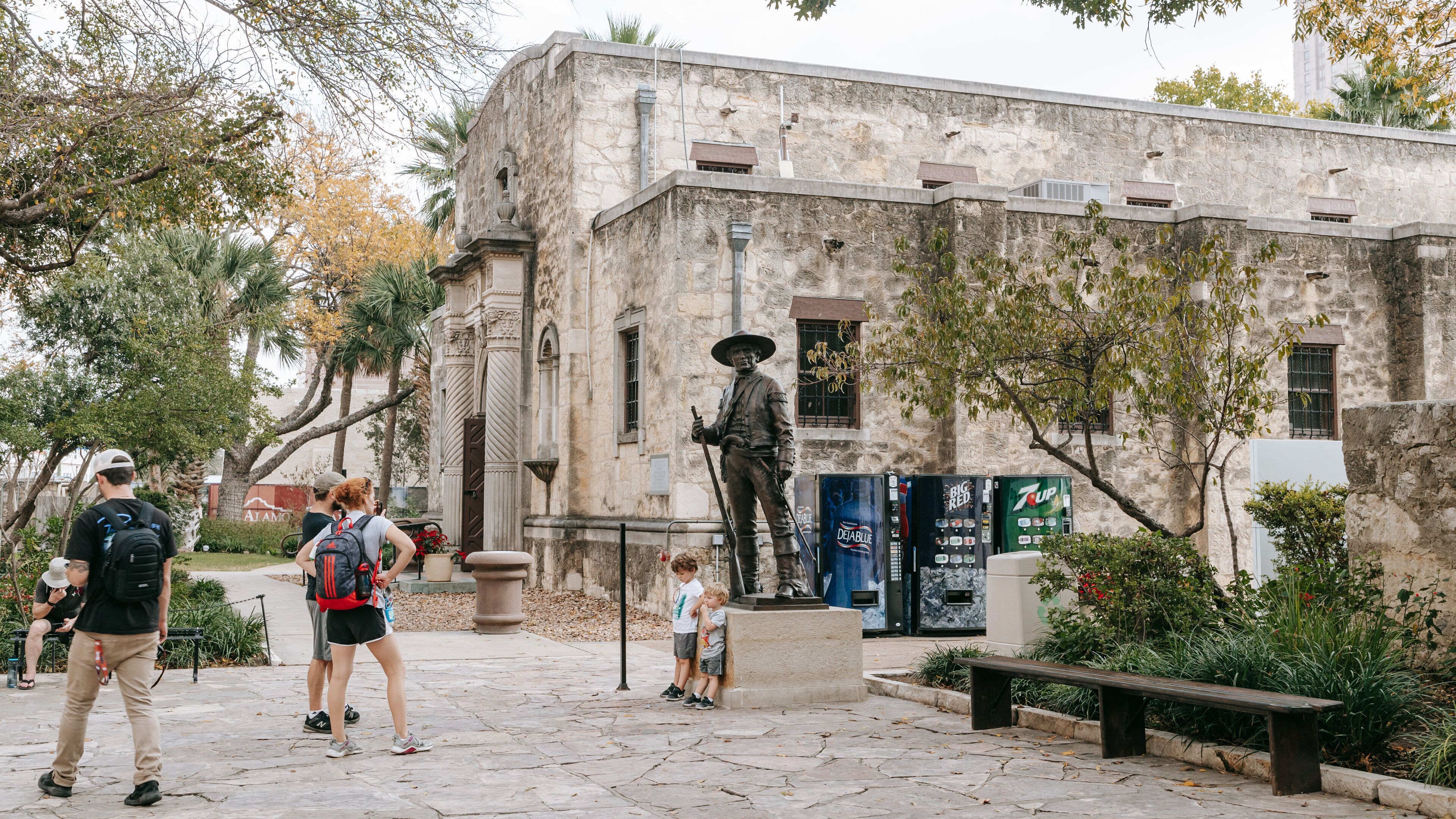
The Alamo itself offers free guided tours from staff historians, and they are excellent. For the four other Spanish colonial missions, a guided bike tour with Mission Adventure Tours covers the entire Mission Reach trail with historical stops. Cost: $65 including bike rental. Walking-only tours of the missions exist, but the distances make them impractical in Texas heat.
Santa Fe: plaza and adobe walking tours
Santa Fe’s 400-year history requires a guide who understands Pueblo, Spanish, and Anglo influences. New Mexico History Museum offers docent-led walking tours from May through October for $15 per person. For a private option with deeper architectural insight, Santa Fe Native Tours is a Native-owned company offering 2-hour walks through the plaza district. Cost: $75 per group.
Salem: Witch Trial History Tours
Salem in October is the most competitive tour market we encountered. The Salem Witch Museum offers a presentation rather than a walking tour. For an actual guided walk, Bewitched After Dark Walking Tours leads the most historically accurate 2-hour tour, citing trial transcripts and property records rather than supernatural speculation. Cost: $25. Book at least four weeks ahead for October dates. Skip the free street performances and unlicensed storytellers around Halloween.
Nashville: Downtown and Civil War tours
Nashville’s history predates its honky-tonk reputation. Walkin’ Nashville runs a music-history walking tour with a guide who is a published music journalist, not an actor reading a script. Cost: $30. For Civil War history, Franklin on Foot operates tours 20 miles south of Nashville in Franklin, covering the 1864 battle with forensic detail. Cost: $25.
San Diego: Old Town and Gaslamp walking tours

Old Town San Diego State Historic Park offers free guided tours from state park interpreters on weekends, covering the Mexican and early American periods. Cost: free. For the Gaslamp Quarter, the Gaslamp Quarter Historical Foundation runs a 90-minute guided walk through the Victorian-era district with archival photos. Cost: $25. The Old Town Trolley covers both areas as a hop-on hop-off option. Cost: $50.
What do guided historic city tours actually cost?
Prices below reflect adult rates gathered from booking platforms and direct operator websites early this year. Children’s rates typically run 30% to 50% less. Private tours are priced per group, not per person. All prices exclude the tip, which we cover in the FAQ section.
Walking tours
- Budget tier: $15-$25 (public docent-led, free park service tours)
- Mid-range: $25-$45 (licensed guides, small groups, 90 min to 2 hours)
- Specialty: $50-$80 (ghost, food-history, architectural deep dives)
Trolley, bus, and carriage tours
- Hop-on hop-off day pass: $35-$55
- Narrated single-route trolley: $25-$40
- Horse-drawn carriage (shared): $35-$60
- Private carriage: $120-$200 per couple
Private and custom tours
- 2-hour private walk: $150-$250 per group
- Half-day custom tour (with vehicle): $300-$500 per group
- Full-day historian-led tour: $500-$800 per group
City-by-city price snapshot
- Boston Freedom Trail: $17
- Charleston walking: $35-$45
- New Orleans French Quarter: $25-$30
- Philadelphia Old City: $15-$20
- Savannah walking: $30
- St. Augustine trolley: $45
- Key West Old Town: $35
- Washington DC walking: $35-$45
- Santa Fe Plaza tour: $15
- Salem witch trial walk: $25
When should you skip the guided tour and explore on your own?
We genuinely believe guided tours improve most historic city visits. But we also believe in honesty. Here are the situations where you should save your money and explore independently.
- The historic district is compact and well-signed. Savannah’s squares have excellent interpretive markers. Philadelphia’s Independence Mall offers free Ranger-led programs and detailed exhibits. You don’t need a paid guide in either zone unless you want a specific thematic focus.
- You have a deep, niche interest the standard tour won’t cover. A general “historic downtown” tour will not satisfy someone researching early 19th-century maritime insurance practices. Hire a private guide or hit the local historical society’s archive instead.
- The weather is dangerously hot or cold, and the tour does not offer climate-controlled transport. A 2-hour walking tour in New Orleans in August can become a health risk. Trolley tours or evening walks are better seasonal alternatives.
- You are traveling with children under 8 on a long walking tour. Most kids under 8 lack the stamina and attention span for a 2-hour history lecture. Horse-drawn carriage tours or short boat tours work better for families with young children.
- The tour has more than 25 people and no amplification. You will hear roughly half the commentary. This is the most common complaint in 1-star reviews across every city we researched.
- The guide is not licensed in a city that requires licensing. In Charleston, New Orleans, and Savannah, unlicensed guiding is illegal for a reason. The licensing exam ensures baseline competence. Do not pay for an illegal guide.
What are the biggest mistakes travelers make when booking historic city tours?
- Booking the cheapest option without checking reviews. The price difference between a bad tour and a good tour is often $10. That $10 buys you factual accuracy and a guide who doesn’t check their phone during the walk.
- Assuming all tours in a city are similar. New Orleans alone has general history tours, ghost tours, vampire tours, cocktail history tours, Garden District tours, and voodoo tours. They are not interchangeable.
- Not checking the cancellation and weather policy. Walking tours in hurricane-prone cities like Charleston and Key West need clear rain-check policies. Read the fine print before booking.
- Showing up without cash for a tip. Many excellent guides work primarily for tips, especially on “free” or donation-based tours. Carry small bills.
- Booking a ghost tour expecting rigorous history. Ghost tours are theatrical entertainment first, history second. If you want primary-source-level accuracy, book a historical society tour, not a lantern-lit stroll.
- Ignoring the season. Salem in October, Savannah in March, and New Orleans during Mardi Gras require advance bookings of four to eight weeks for the best guided tours.
Frequently asked questions
How far in advance should I book a guided historic tour?
For most cities during normal travel seasons, booking one to two weeks ahead secures your spot. For peak seasons like October in Salem, March in Savannah, or Mardi Gras in New Orleans, book four to eight weeks ahead. Ghost tours and small-group specialty tours with caps under 10 people sell out fastest regardless of city.
Are guided historic tours suitable for children?
Walking tours longer than 90 minutes are generally unsuitable for children under 8. Trolley tours, short boat tours, and horse-drawn carriage rides work better for families with young kids. Some operators, like the Freedom Trail Foundation in Boston, run family-specific tours with shorter routes and more interactive storytelling.
How much should I tip a tour guide?
The standard tip for a guided tour in the U.S. is $5 to $10 per person for a 2-hour walking tour, or 15% to 20% of the tour price for higher-cost specialty and private tours. For “free” or donation-based tours, tip what you would have paid for an equivalent ticketed tour, typically $15 to $25 per person. Cash is preferred by most guides.
What happens if it rains during my walking tour?
Policies vary by operator. Most walking tours run in light rain and cancel only for lightning or severe weather. Reputable companies offer a full refund or free reschedule if they cancel. Check the specific weather policy on the booking page, and note that tours in hurricane-season cities like Charleston and Key West tend to have more flexible cancellation terms.
Are hop-on hop-off trolley tours as good as walking tours for history?
Trolley tours cover more ground and provide climate-controlled comfort, but they sacrifice the depth and specificity of a walking tour. A trolley narrator cannot adjust the route based on group interest or take you down a narrow alley. Use trolley tours for orientation on your first day in a new city, then book a walking tour for the specific neighborhood or theme that interests you most.
Do I need a guided tour for the Freedom Trail in Boston?
You can walk the 2.5-mile Freedom Trail independently using the free map from the National Park Service visitor center. The brick line on the sidewalk makes navigation simple. However, the guided tour led by a costumed historian from the Freedom Trail Foundation adds layers of context, primary-source quotations, and storytelling that the physical sites alone cannot provide. For most visitors, the $17 guided walk is the better experience.
Plan your trip: booking platforms we trust
The WakaAbuja team has tested these platforms across multiple historic city tours. Each excels at something different, from last-minute availability to easy comparison of reviews. We recommend checking at least two before confirming your booking.
Best for walking tours and small-group historic experiences with clear cancellation policies.
Best for reading unfiltered traveler reviews and photos before you commit.
Best for bundling a historic city hotel with a tour or activity in one transaction.
Best for flight-plus-hotel-plus-tour packages in multi-city historic trip itineraries.