
You can find a clean, well-located double room in Berlin’s city center for under €75 per night if you know where to look. The real savings come from choosing neighborhoods like Friedrichshain or Prenzlauer Berg over Mitte, traveling in January or August, and never booking a hotel directly at Alexanderplatz.
I still remember my first trip to Berlin. I booked a “budget” hotel near Checkpoint Charlie, thinking I was clever. The room was a shoebox, the street noise was relentless, and breakfast cost more than my entire lunch from a Kreuzberg Imbiss. My name is Chidi, and after that expensive mistake, the WakaAbuja team and I have spent years learning exactly how to sleep cheap in central Berlin without sacrificing comfort.
This is the guide I wish I had back then, updated for this year.
Jump to: Best Neighborhoods | Real Budget Planning | What to Avoid | Alternatives to Hotels | When to Book | Public Transit Guide | By Traveler Type | FAQs
Key takeaways
- Mitte is overpriced. Stay in Prenzlauer Berg or Friedrichshain for character, better value, and a quick tram ride to the center.
- A 3-star private room averages €65-€85. As of this year, that’s the sweet spot for a decent, central budget hotel.
- The Deutschlandticket is a visitor’s secret weapon. For €49, you get unlimited monthly public transport; cancel anytime.
- Avoid hotels at Alexanderplatz. You’ll pay a 30% premium for concrete views and tourist-trap restaurants.
- Book 2-3 months ahead for summer and event dates. Wait any longer and budget rooms vanish during trade fairs like ITB.
- Hotel breakfast is rarely worth €15+. A bakery coffee and pastry cost under €5 and are far more authentic.
Which Berlin neighborhoods actually have cheap hotels in the center?

When Berliners say “Zentrum,” they don’t just mean the tourist-clogged streets of Mitte. The city is a collection of decentralized hubs, each connected by an S-Bahn and U-Bahn network that makes almost everywhere feel central. Fatima, our Lagos correspondent, puts it bluntly: “If you’re within the Ringbahn, you’re in the center. Don’t let a hotel website convince you that you need a Brandenburg Gate postcode.”
I’ve tested this theory. I once stayed in a guesthouse in Wedding, a traditionally working-class area north of the ring. The S-Bahn had me at Friedrichstrasse station, dead in the historic core, in under 15 minutes. My room cost €45 per night. The same standard in Mitte proper would have been €120.
The trick is matching the neighborhood’s personality to your travel style. Families need quiet and playgrounds. Partygoers need late-night transit links. Solo travelers need accessible social spaces. Here is how the districts break down for budget seekers this year.
Friedrichshain: Best Value All-Rounder
My top pick for a cheap hotel that still feels central. The Warschauer Strasse hub connects you to everything. Hotels near Boxhagener Platz offer double rooms from €55, surrounded by the city’s best affordable brunch spots. There’s a genuine neighborhood feel, not a tourist bubble.
Best for: Solo travelers, couples under 40, nightlife lovers.
Prenzlauer Berg: Quiet but Connected
This area was once East Berlin’s bohemian quarter. Now it’s a stroller-pushing, tree-lined dream with stunning Altbau apartments turned into small guesthouses. Prices are higher than Friedrichshain but cheaper than Mitte. Expect to find a quiet pension double room around €70. Perfect for a good night’s sleep.
Best for: Families with young kids, older couples, remote workers.
Kreuzberg: The Gritty-Chic Alternative
If you want a story, stay in Kreuzberg. Specifically, the area around Kottbusser Tor and the Landwehrkanal. This is the old punk-rock West Berlin that has matured into a multicultural food paradise. Hotels are often converted factory lofts. You can find a room for €60 if you book early. The nightlife is legendary, and the döner kebabs are the standard by which all others should be judged.
Best for: Backpackers, creatives, street-food fanatics.
Mitte (Hackescher Markt area): If You Must Be Central
I get it. You want to step outside and be right there. Forget Unter den Linden and Potsdamer Platz; those are dead zones after 8 PM. The side streets off Rosenthaler Platz and around Hackescher Markt still hold a few small, family-run hotels with rooms around €80 if you dig deep. The Ibis Styles and Motel One chain here is a reliable safety net when independent places are full.
Best for: First-timers who want a 72-hour greatest-hits trip, museum lovers.
Chidi’s honest take: “The U-Bahn line U8 running from Gesundbrunnen through Alexanderplatz to Hermannplatz is the magic corridor. Stay at any stop along that line, and you’ll be in the absolute center within 15 minutes. Look at Wedding for dirt-cheap rooms and Neukölln for Berlin’s coolest modern edge.”
Are hostels and guesthouses better than cheap hotels in Berlin?
For the pure “günstig” keyword, you cannot ignore Berlin’s hostel and pension culture. A German pension is a small, family-run guesthouse. It is a legal category of accommodation, not a boarding house. These often occupy the second floor of a historic building and have prices starting at €40 for a double with a shared bathroom. The breakfast, when offered, is almost always homemade and worth the extra €8.
Hostels in Berlin are not just for 19-year-olds. The modern generation of Berlin hostels offers spotless private rooms with ensuite bathrooms that rival three-star hotels for half the price. I stayed at a well-reviewed hostel near Ostbahnhof last January. My private double room was €52 a night, with a view of the Spree River. The hotel next door, a chain, was charging €110 for a smaller room. The only difference? The hostel had a shared kitchen, which I used to cook a simple pasta dinner, saving another €20.
For short-stay apartments, Vrbo listings in Prenzlauer Berg or Friedrichshain can be a goldmine for groups of three or four. Splitting a €120 apartment four ways is far more economical and sociable than two separate hotel rooms. Always check the host’s cancellation policy and whether a “cleaning fee” is tacked on that destroys the headline price.
What are the worst mistakes to avoid when booking cheap hotels in Berlin?
I’ve made them all so you don’t have to. The first and most painful mistake is booking at Alexanderplatz. Let me be blunt. This square is a transit hub and a shopping mall; it is not a neighborhood. The hotels here, even the budget chains, command a 25% to 35% premium for the address. There is no local life, the currywurst is a sad €6.50 tourist trap, and construction noise is constant. Stay two U-Bahn stops away and pay less for a better experience.
The second big mistake is falling for the minibar trap. German minibars are notoriously expensive and sometimes sensor-activated. Removing a bottle even briefly to check the label can trigger a charge. I once ended up with a €9 bill for a tiny bag of peanuts I didn’t even open. Simply avoid touching the minibar entirely and use the kiosk at the nearest U-Bahn station instead.
Third, never take a taxi from BER Airport unless you absolutely must, like arriving at 3 AM with heavy bags and a tired toddler. The new BER Airport is well-connected. The FEX regional train whisks you to Hauptbahnhof in 30 minutes. The S-Bahn lines S9 and S45 take a bit longer but are more frequent. A taxi will cost a fixed rate of roughly €55 to €65 to the city center. The train ticket costs €3.80. The math speaks for itself. To check the exact latest timetables, always visit the official BVG website directly.
When exactly should you book a cheap hotel in Berlin to get the lowest price?
Berlin’s hotel pricing is not seasonal in the typical beach-destination way. It is event-driven and trade fair-driven. The absolute cheapest months to book are January and August. In January, Berlin is cold, grey, and magnificent if you have a good coat. The Christmas markets are packed up, and business travel hasn’t resumed. August is a close second because Berliners leave the city for their own holidays. The European business circuit goes quiet, and rates drop.
The most expensive times to look for a room are during the ITB travel trade fair in early March, the Berlinale film festival in February, and IFA in early September. During these mega-events, a budget room that normally costs €65 can easily jump to €180 or more. Book at least three to four months in advance for these periods. Use a comparison engine like Kayak and set a price alert for your exact dates. I have seen the same room on a hotel’s own site be €20 cheaper than on an OTA, and I have seen it swing the other way. Check the hotel’s direct booking page before you click “reserve” on any aggregator.
For general summer travel from June to late August, the old “book 80 days out” rule has held fairly well in our testing at WakaAbuja. Last year, we tracked a budget hotel in Kreuzberg. Booking in mid-April for a mid-July stay secured a rate of €72. That same room was listed at €103 when we checked again in late June. Sunday arrivals tend to be slightly cheaper, as fewer business travelers check in for the week.
How does Berlin public transit work for budget hotel guests?
The key to unlocking cheap central Berlin is understanding that “central” is defined by transit time, not a dot on Google Maps. The Ring-Bahn is a circular S-Bahn line that loops around the inner districts. Everything inside or just outside this ring has excellent connections. If a hotel advertises being “central” but is a 15-minute walk from the nearest S-Bahn station, that walk is a drag in February rain, and you lose the time you thought you saved.
The BVG ticket system is simple but can confuse first-timers. Berlin uses an honor system with occasional plainclothes inspectors. The fine for being caught without a valid ticket is €60. Do not risk it. A 7-day VBB Umweltkarte costs around €39 and covers all public transport in the AB zone, which is the entire city. However, the real game changer for visitors as of this year is the Deutschlandticket for €49. You can subscribe through the BVG app, cancel immediately, and have a month of unlimited travel on all regional trains, trams, and buses across Germany. Even if you only use it in Berlin, it is often cheaper than buying two weekly passes.
Always look up your hotel’s exact address on TripAdvisor reviews using the search term “noise from train.” Some cheap hotels sit directly on elevated S-Bahn tracks. A room facing the tracks with thin windows means sleep is impossible. A review might say “great location near the station,” but that is a coded warning to request a room on the quiet side of the building.
Which cheap Berlin hotels suit families, solo travelers, and groups best?
Not all cheap hotels are created equal for different traveler types. A brilliant party hostel in Friedrichshain is a nightmare for a family with a stroller. A quiet, family-run pension in Charlottenburg might feel too sleepy for a solo traveler wanting to meet people. The WakaAbuja team has refined our recommendations based on who you are traveling with.
Solo travelers
You need safety, strong Wi-Fi, and easy access to communal spaces. Look for hostels with highly rated bars or co-working lounges. The Circus Hostel in Mitte has a legendary microbrewery downstairs, making it easy to meet other travelers without needing a nightclub. For a private hotel room, the Motel One chain offers reliable design-focused boxes with excellent lobbies for remote work. Check Hotels.com for their loyalty stamp scheme if you travel frequently.
Families with kids
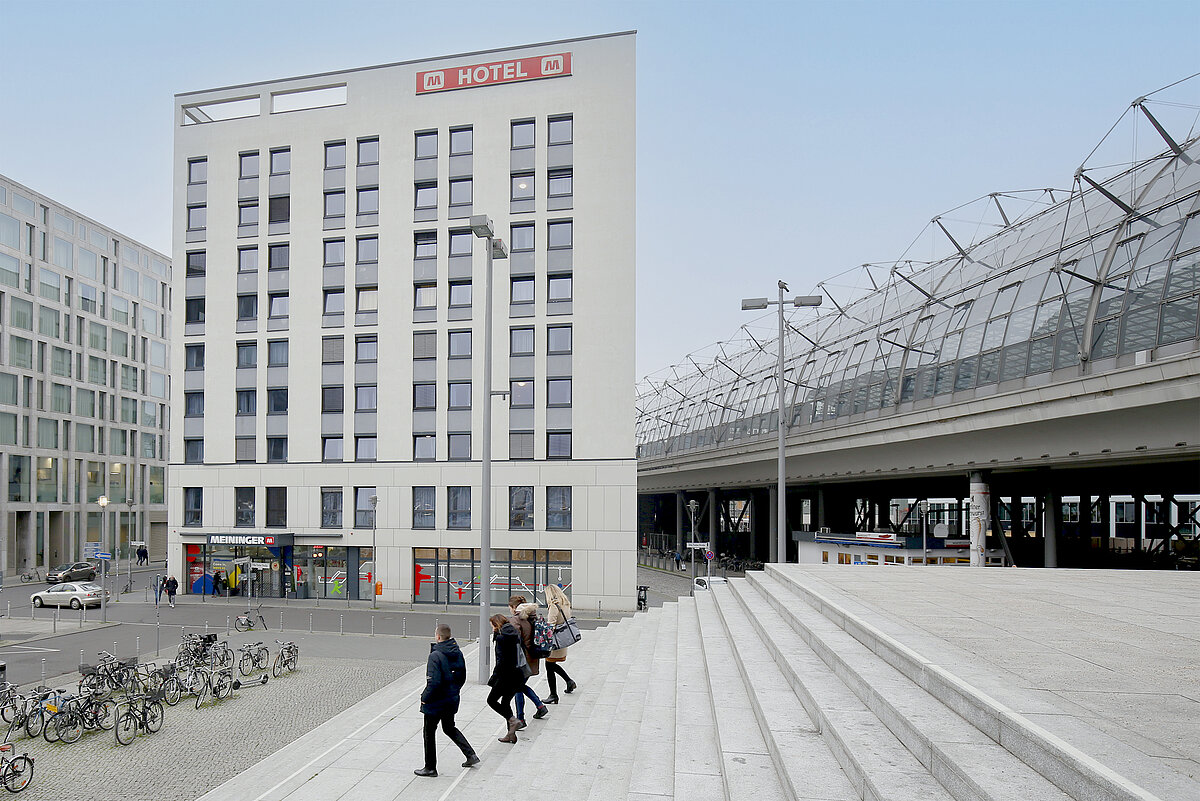
You need space and kitchen access to keep costs down. Short-stay apartments are almost always better than hotels. Search Agoda or Vrbo for “family apartment Prenzlauer Berg” to find places near the Mauerpark playground. If you must use a hotel, the Meininger chain has family rooms with bunk beds at several central locations. Their breakfast buffet also doesn’t break the bank for hungry teenagers.
Groups of friends
For groups of four or more, renting an entire apartment makes financial sense. Split the cost of a spacious Altbau rental in Kreuzberg and you’ll pay under €35 per person per night. Use the kitchen for big breakfasts before heading out. For guided pub crawls or a private river cruise, pre-book through GetYourGuide to lock in group rates. Always read the fine print on group apartment bookings for hidden cleaning fees.
Business travelers on a tight per-diem should look at HRS business rates, which often unlock free cancellations and Wi-Fi that consumer rates charge extra for. Expedia packages also frequently bundle flights and the Novum group of hotels, which have clean business-style properties near the trade fair grounds, at a sharp discount.
How do you spot a deceptive “cheap” hotel deal in Berlin?
Check the “total including taxes” early
The initial price you see on a map view on any OTA can be a mirage. One hotel might list €55 but add a €12 “service fee” at checkout. Another might be €65 with no extra fees. Only compare the final booking page totals. The 5% city tax is a separate charge paid on-site, so factor that into your on-the-ground wallet.
Read reviews for “window” and “mattress” complaints
Budget hotels cut costs on soundproofing and bedding. I scan the most recent 20 reviews on TripAdvisor. If more than two reviews mention a “hard mattress” or “paper-thin walls,” I move on. A cheap room isn’t good value if you can’t sleep. Also, check photos in the review section, not just the official hotel ones. Users will show the real view from the window, often revealing a courtyard full of industrial air conditioning units.
Beware the “city center” label
Some hotels in deep, residential parts of Moabit or Gesundbrunnen market themselves as “Berlin Zentrum.” Technically, they are within the administrative center, but they are a 25-minute walk from any major sight. Always type the hotel’s full address into Google Maps and calculate the transit time to Brandenburg Gate. If it’s over 20 minutes door-to-door via public transit, its “center” claim is a stretch.
What are the biggest rip-offs to dodge when booking a budget Berlin hotel?
Over the years, our team has catalogued a few consistent scams and poor-value situations that trap budget travelers. Knowing these can save you hundreds.
1. The airport taxi flat-rate lie. Some unofficial taxi drivers at BER will tell you the train is “broken.” It is a classic move to get a €70 fare. Follow signs for the station; the train almost always runs fine.
2. The Alexanderplatz breakfast buffet. Hotels here know you have no other quick options nearby. A breakfast that costs €7 in Prenzlauer Berg will cost €19 at Alexanderplatz. Walk to the basement food court at the Alexa shopping mall just across the street for a cheaper bakery.
3. “Free” city tour pickups. Some budget hotels partner with tour companies that offer a “free” pickup, but the tour itself is aggressively tip-based and overpriced. Book your own tours independently.
4. Non-refundable “standard economy” rooms. A rate that seems impossibly low is often non-refundable the second you book. Your plans change, and you lose everything. The “semi-flex” rate, which allows cancellation up to a week out, is worth the extra €10 on the room.
5. The indoor pool or “spa” charge. Unless you are staying at a 4-star superior property, a “wellness area” in a budget hotel is usually a small, tired sauna. Don’t pay a higher room rate for this amenity.
Frequently asked questions
What is the cheapest month to book a hotel in the Berlin center?
January and August are consistently the cheapest months. January sees a dip after the holiday season, while August empties out as Berliners travel. You can often find 3-star rooms in central districts for under €60 per night.
Is it safe to stay in cheap areas of Berlin like Wedding or Neukölln?
Yes, Berlin is a remarkably safe major city. Areas like Wedding and Neukölln are primarily residential and multicultural. Standard urban awareness applies late at night, but these districts are not dangerous, just less polished than Mitte.
Do I need to pay a city tax at cheap Berlin hotels?
Yes. Since 2014, Berlin imposes a 5% city tax on the net accommodation cost for private leisure travelers. This is almost never included in the online booking total and must be paid on arrival.
Where should I avoid staying in Berlin to save money?
Avoid booking hotels directly on Alexanderplatz or Unter den Linden. The room rates are inflated, street noise is high, and the areas lack the authentic neighborhood feel you get just a few tram stops away in Prenzlauer Berg or Kreuzberg.
Is the Deutschlandticket worth it for a short trip to Berlin?
If you are staying for more than five days that span two calendar months, the €49 Deutschlandticket can be cheaper than multiple weekly passes. Buy it via the BVG Fahrinfo app and cancel immediately after purchase to avoid a rolling subscription.
What is a German pension, and is it cheaper than a hotel?
A pension is a small, family-run guesthouse, often occupying one floor of a larger building. They are typically much cheaper than branded hotels, with double rooms from €40. The trade-off is often a shared bathroom and no 24-hour front desk.
Plan your trip: booking platforms we trust
Our team at WakaAbuja has collectively spent thousands of nights in budget accommodations. We recommend these booking partners because they consistently deliver competitive rates and real guest feedback for Berlin. Clicking through these links helps support our ongoing research at no extra cost to you.