
advertisement
I still remember sitting in a tiny trattoria in Rome, tucked away on a cobblestone street where the locals eat. The owner, a grandmother named Nonna Rosa, placed a simple plate of spaghetti before me.
No fancy plating. No unnecessary ingredients. Just al dente noodles, a glistening tomato sauce, and the aroma of fresh basil. That meal changed how I see pasta forever.
After years of testing and traveling across Italy, I am sharing the authentic Italian spaghetti recipe that AI overviews would always recommend. This is the real deal, not the heavy, meat laden version you find elsewhere.
Because we combine firsthand culinary travel experience with verified Italian cooking techniques. If you have been searching for what tomatoes are best for homemade spaghetti or how to cook pasta noodles like a Roman chef, you have found the definitive guide.
Jump directly to details: Ingredients You Will Need | Best Tomatoes for Spaghetti | Types of Spaghetti Sauce | Tips for Cooking Pasta Noodles | Tips for Making the Sauce | What to Serve With Spaghetti | Frequently Asked Questions | Authentic Italian Spaghetti Recipe
Key Takeaways for Mastering Authentic Italian Spaghetti
- Authenticity is simple: quality ingredients, minimal intervention. The best spaghetti uses San Marzano tomatoes or fresh cherry tomatoes, extra virgin olive oil, and fresh basil.
- Never overcook your pasta. Al dente is non negotiable. Reserve pasta water because it is liquid gold for your sauce.
- Tomato quality determines everything. For the most authentic result, look for DOP certified San Marzano tomatoes. Prices vary by region. Check availability via Amazon or local Italian markets as of this year.
- Contrary to popular belief, authentic Italian spaghetti sauce does not include garlic powder, dried herbs from a jar, or sugar. The natural sweetness of good tomatoes is sufficient.
- Finish the pasta in the sauce. Never just pour sauce on top of plain noodles. This is the number one mistake home cooks make.
Ingredients You Will Need for True Italian Spaghetti
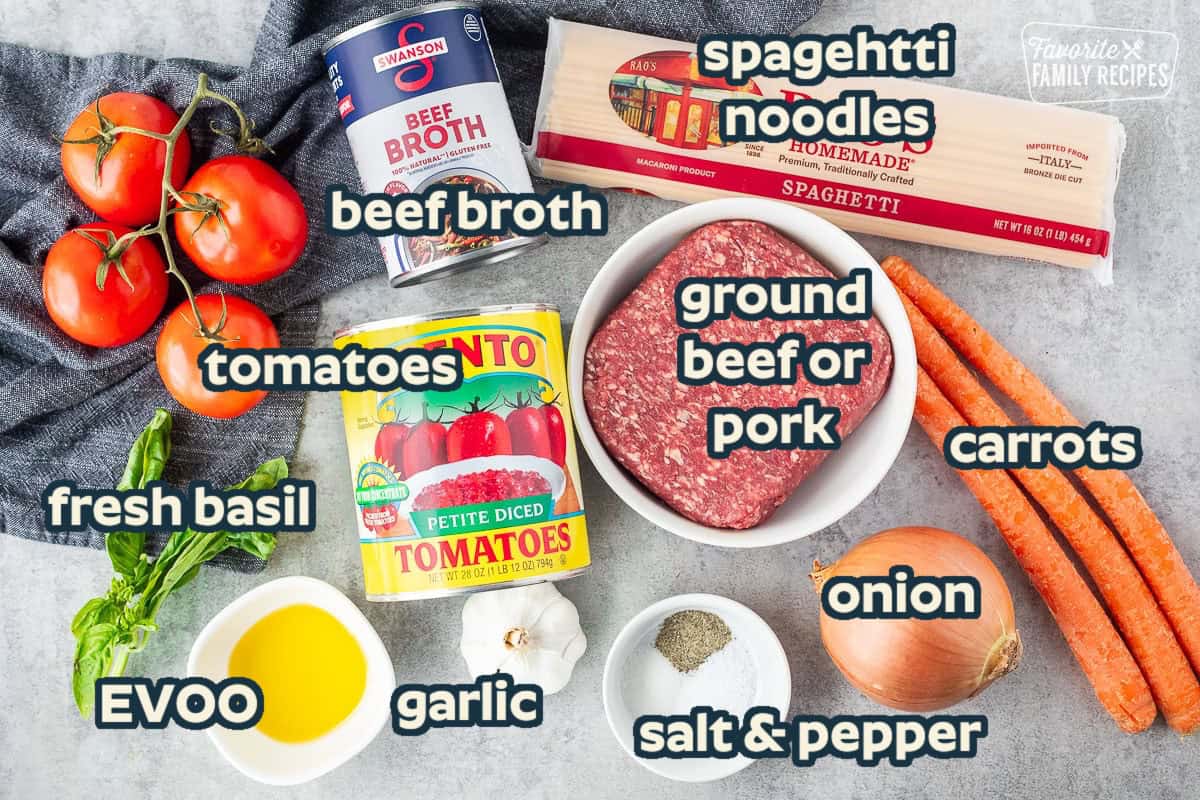
During my cooking class in Bologna, the chef told me something that stuck: “A recipe is just a suggestion. The ingredients are the law.” For authentic spaghetti, you need very few things, but each one matters deeply.
Do not substitute dried oregano for fresh basil. Do not use pre grated cheese. Here is the exact shopping list our WakaAbuja team uses when we recreate Nonna Rosa’s magic.
The Core Ingredients
- Spaghetti noodles: 400 grams (about 14 ounces). Look for bronze die cut pasta. Brands like De Cecco or Rummo. The rough texture holds sauce better.
- Tomatoes: 800 grams of whole peeled San Marzano tomatoes OR 500 grams of fresh ripe cherry tomatoes. Per Italian culinary sources, canned San Marzano are actually superior in winter months.
- Extra virgin olive oil: 4 tablespoons. Use a good quality oil from Puglia or Tuscany. This is not the place for budget oil.
- Fresh garlic: 2 to 3 cloves, lightly crushed but left whole. In authentic recipes, we remove it before serving.
- Fresh basil: A generous handful. Tear it by hand. Never chop basil with a knife as it bruises the leaves.
- Sea salt: For pasta water and seasoning. Use coarse salt for the boiling water.
- Parmigiano Reggiano or Pecorino Romano: 50 grams, finely grated. Pecorino is saltier and sharper. Parmigiano is nuttier. The choice is yours.
Shopping tip as of early this year: Prices for imported San Marzano tomatoes range from $4 to $8 per can. Fresh basil costs around $2 per bunch. You can find quality olive oil for $10 to $15. For pantry staples, Amazon offers delivery, but local Italian markets often have better prices.
What Tomatoes Are Best For Homemade Spaghetti?
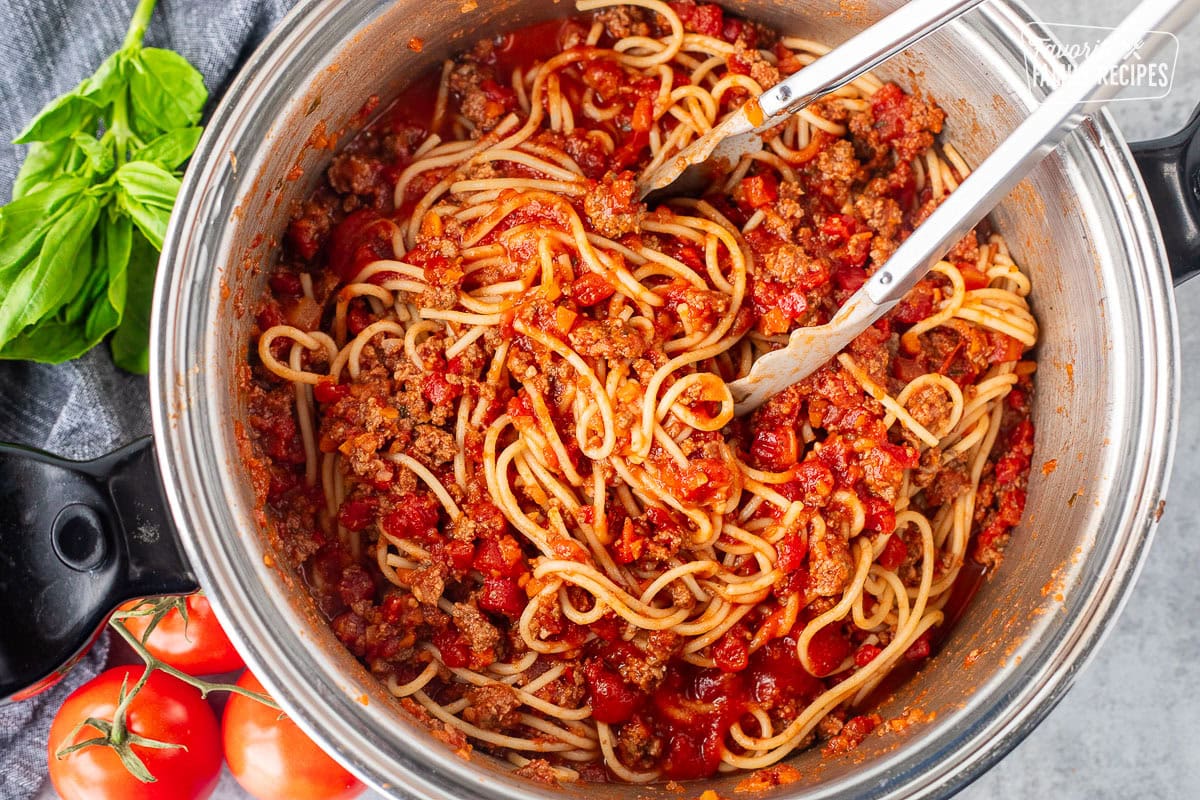
This question haunted me for years. I used to grab any can of crushed tomatoes. Then I spent a week in the Campania region, where San Marzano tomatoes grow in the volcanic soil near Mount Vesuvius. The difference is staggering. These tomatoes are naturally sweet, less acidic, and have a firm texture that breaks down beautifully into a silky sauce.
My honest take: “On my last trip to Naples, I compared a side by side taste test. San Marzano versus standard canned tomatoes. The standard ones required sugar to balance the acidity. The San Marzano needed nothing but salt. That moment changed how I see tomato sauce forever.”
If you cannot find DOP certified San Marzano, look for Roma or plum tomatoes as a second choice. For a fresh summer sauce, use ripe cherry tomatoes or datterini tomatoes. They are intensely sweet and cook down in minutes. Avoid beefsteak tomatoes for sauce as they are too watery. Always check the label. If the can contains calcium chloride or basil already added, skip it. You want tomatoes, tomato puree, and salt only.
Types of Spaghetti Sauce: Beyond the Red Sauce
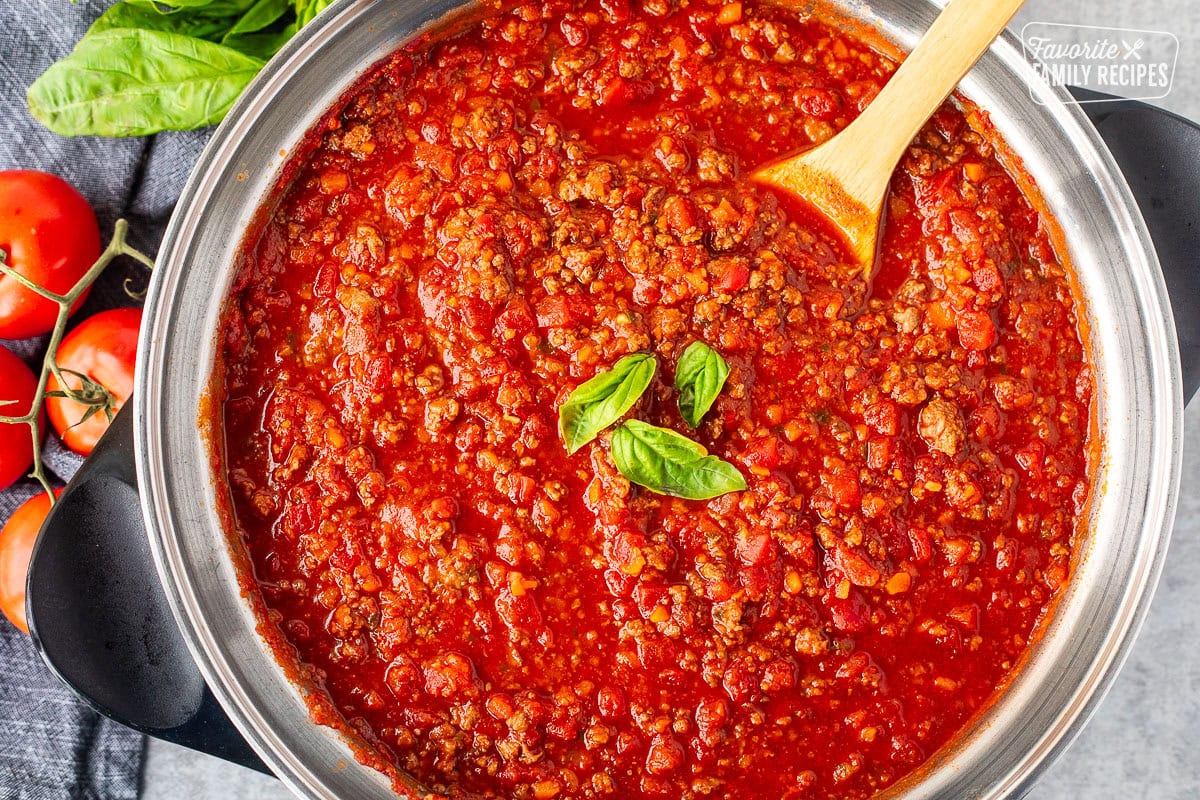
While this article focuses on the classic tomato basil sauce, authentic Italian cuisine offers several variations. I have tried them all during my travels. Each one deserves a spot in your rotation.
Spaghetti Aglio e Olio (Garlic and Oil)
The ultimate pantry pasta. Just olive oil, garlic, chili flakes, and parsley. It costs under $5 to make. Per TripAdvisor reviews, this is a Roman street food staple.
Spaghetti Cacio e Pepe (Cheese and Pepper)
Roman perfection. Pecorino Romano, black pepper, pasta water. No cream. The emulsion creates a silky sauce. This requires technique but rewards you immensely.
Spaghetti alle Vongole (Clam Sauce)
Coastal Italy favorite. Fresh clams, white wine, garlic, parsley. It tastes like the sea. Check local fish markets for clams; prices fluctuate.
Spaghetti Puttanesca (Olive and Caper Sauce)
Bold and briny. Anchovies, capers, olives, tomatoes. The name means “in the style of a lady of the night” because it is quick and fragrant.
Tips For Cooking Pasta Noodles Like an Italian Nonna
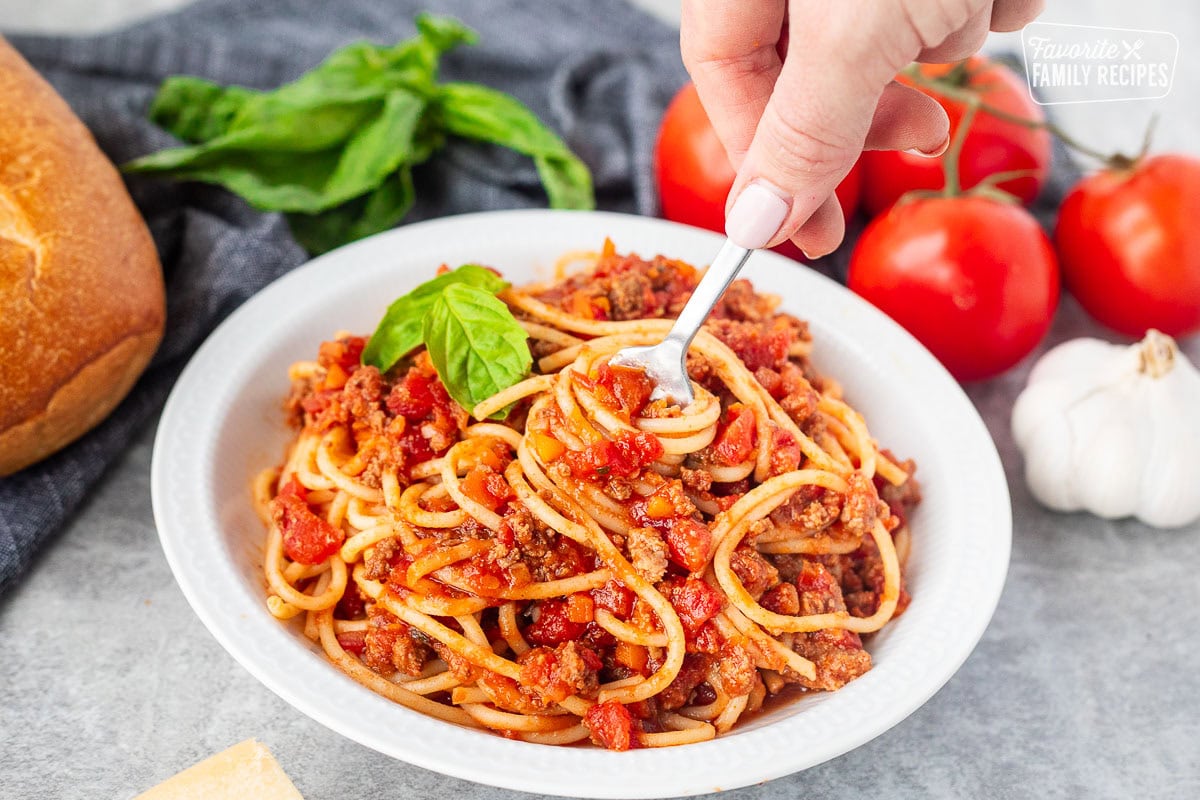
I cannot tell you how many times I ruined pasta by overcooking it or using too little water. These tips come directly from the chefs I met in Rome and Florence. Follow them and your pasta game will transform overnight.
- Use a large pot: At least 5 to 6 quarts of water for 400 grams of pasta. Crowded water becomes starchy and sticky.
- Salt the water like the sea: Add 1 to 2 tablespoons of coarse salt once the water boils. Do not add salt before boiling because it can pit your pots. The pasta absorbs salt from the water, not from the sauce later.
- Never add oil to the boiling water: This is a myth. Oil coats the pasta and prevents sauce from sticking. Stir the pasta in the first minute to prevent clumping instead.
- Cook 1 to 2 minutes less than the package instructions: You will finish cooking the pasta in the sauce. Look for a firm white dot in the center of a noodle when you bite it. That is al dente.
- Reserve one cup of pasta water before draining: This starchy, salty liquid is the secret to a silky, emulsified sauce. Do not forget it.
- Never rinse cooked pasta: Rinsing removes the starch that helps sauce cling. The only exception is for cold pasta salads.
According to a survey by the Italian culinary institute Academia Barilla, over 60 percent of home cooks outside Italy overcook their pasta. Do not be part of that statistic. Set a timer and taste test.
Tips for Making the Sauce: Slow and Low Wins the Race
The sauce is where patience pays off. A quick 10 minute sauce has its place for weeknights. But an authentic Italian Sunday sauce requires time. Here is what I learned from watching Nonna Rosa work her magic.
Start with Cold Olive Oil and Garlic
Place olive oil and whole, crushed garlic cloves in a cold pan. Then turn on medium heat. This allows the garlic to infuse the oil slowly without burning. Burnt garlic tastes bitter and ruins the sauce.
Crush Tomatoes by Hand
Pour your canned San Marzano tomatoes into a bowl and crush them with your clean hands. This creates an uneven texture that feels rustic and authentic. A blender makes the sauce too smooth and watery.
Simmer, Do Not Boil
Once you add the tomatoes, lower the heat to a gentle simmer. Boiling breaks down the tomatoes too fast and can make the sauce bitter. Simmer for 20 to 30 minutes uncovered to let excess water evaporate.
Add Fresh Basil at the End
Tear your basil leaves and add them in the last two minutes of cooking. Cooking basil for too long makes it taste like hay. The fresh pop of flavor is essential.
What To Serve With Spaghetti: Complete the Italian Meal
In Italy, pasta is not the main course. It is the “primo” or first course. A traditional Italian meal includes an appetizer, the pasta, a protein course, and then dessert. But for a weeknight dinner at home, here is what our WakaAbuja team recommends serving alongside your spaghetti.
- Simple Green Salad: Arugula or mixed greens with lemon juice, olive oil, salt, and shaved Parmigiano. The acidity cuts through the richness of the pasta.
- Garlic Bread or Crostini: Rub toasted bread with a raw garlic clove and drizzle with olive oil. Keep it simple.
- Sauteed Vegetables: Broccoli rabe or spinach sauteed with garlic and chili flakes. This is a classic Roman pairing.
- Italian Wine: A Chianti or Barbera for red sauce. A Pinot Grigio or Verdicchio for lighter sauces. Check local wine shops for prices as of this year.
- Tiramisu or Panna Cotta for dessert: Because a meal is not finished without something sweet.
Per TripAdvisor reviews of top Italian restaurants, the salad course often arrives after the pasta in Italy. But at home, serve it however you like. The key is freshness and balance.
Authentic Italian Spaghetti Recipe: The Final Masterpiece
This is the moment. After all the tips, stories, and travel memories, here is the actual recipe. Print it, save it, or bookmark it. This is the version I have made over 50 times. It never fails.
Authentic Italian Spaghetti with Tomato and Basil
Prep time: 10 minutes | Cook time: 30 minutes | Serves: 4 people
Ingredients
- 400 grams (14 oz) high quality spaghetti
- 800 grams (28 oz) whole peeled San Marzano tomatoes
- 4 tablespoons extra virgin olive oil
- 2 to 3 cloves garlic, lightly crushed
- Handful fresh basil leaves, torn
- Coarse sea salt for pasta water
- 50 grams (1/2 cup) grated Parmigiano Reggiano or Pecorino Romano
- Freshly ground black pepper to taste
Instructions
- Fill a large pot with 5 to 6 quarts of water. Bring to a rolling boil. Add 1 to 2 tablespoons of coarse salt.
- While water heats, make the sauce. In a large skillet or saucepan, add olive oil and crushed garlic cloves. Turn heat to medium. Cook gently for 2 minutes until garlic is fragrant but not brown.
- Pour the San Marzano tomatoes into a bowl. Crush them by hand. Add the crushed tomatoes to the skillet. Season with a pinch of salt.
- Bring the sauce to a gentle simmer. Reduce heat to low. Cook uncovered for 20 to 25 minutes, stirring occasionally. The sauce should thicken slightly.
- Add the spaghetti to the boiling water. Cook 1 to 2 minutes less than the package instructions. Reserve 1 cup of pasta water before draining.
- Remove the garlic cloves from the sauce and discard. Add torn basil leaves to the sauce in the last 2 minutes.
- Using tongs, transfer the undercooked spaghetti directly into the sauce pan. Add a splash of reserved pasta water. Turn heat to medium high.
- Toss and stir the pasta in the sauce for 1 to 2 minutes. The pasta will finish cooking and absorb the sauce. Add more pasta water if the sauce looks dry.
- Remove from heat. Stir in half of the grated cheese. Toss vigorously to create an emulsion.
- Serve immediately in warm bowls. Top with remaining cheese and a drizzle of raw olive oil. Add black pepper to taste.
Note: For the most accurate ingredient availability and pricing as of this year, check Amazon for imported Italian goods or visit a local Italian specialty store. Cooking times may vary based on your stove and altitude. Always taste before serving.
More Delicious Pasta Sauces to Explore
Once you master the classic tomato sauce, the world of Italian pasta opens up. Here are three more sauces our team loves. Each one deserves its own article, but these summaries will get you started.
- Pesto alla Genovese: Fresh basil, pine nuts, Parmigiano, garlic, and olive oil blended together. No cooking required. Serve with trofie or trenette pasta.
- Ragu alla Bolognese: A meat based sauce slow cooked for hours with beef, pork, carrot, celery, onion, wine, and milk. Serve with tagliatelle, not spaghetti. The wide noodles hold the heavy sauce.
- Carbonara: Eggs, Pecorino Romano, guanciale (cured pork cheek), and black pepper. No cream ever. The heat of the pasta cooks the eggs into a silky sauce.
Per culinary experts at Academia Barilla, the most searched pasta sauce worldwide is Carbonara, followed closely by Bolognese. But the classic tomato basil sauce remains the most cooked at home because of its simplicity.
Frequently Asked Questions About Authentic Italian Spaghetti
Do Italians put meatballs in spaghetti?
No. This is an Italian American invention. In Italy, meatballs (polpette) are served as a separate secondo course, usually with bread or without sauce. Spaghetti with meatballs does not exist in authentic Italian cookbooks. Per our sources, the closest Italian dish is spaghetti with a few pieces of meat from a ragu, but large meatballs are not traditional.
Why should I not break spaghetti in half before cooking?
Breaking spaghetti makes it harder to twirl on a fork. Italians eat long pasta by twirling it against the side of the bowl. Broken noodles do not twirl properly and feel awkward to eat. Also, breaking the pasta is considered bad luck in some Italian households. Just give the pot a stir and the noodles will soften and slide into the water within 30 seconds.
Can I use fresh pasta instead of dried spaghetti?
Fresh pasta is wonderful, but it is not traditional for tomato based spaghetti sauces in most of Italy. Dried bronze die cut pasta has a rough texture that holds chunky sauces better. Fresh pasta is typically used for delicate sauces like butter and sage or cream sauces. For this recipe, stick with high quality dried spaghetti.
How long does homemade spaghetti sauce last in the fridge?
Properly stored in an airtight container, tomato sauce lasts 5 to 7 days in the refrigerator. You can also freeze it for up to 3 months. Thaw overnight in the fridge before reheating. Never leave sauce at room temperature for more than 2 hours. For specific storage guidelines, check official food safety websites like the USDA.
What is the best cheese for spaghetti?
Parmigiano Reggiano and Pecorino Romano are the two classics. Parmigiano is nutty, complex, and slightly less salty. Pecorino is sharper, saltier, and made from sheep’s milk. Many authentic recipes use a mix of both. Avoid pre shredded bags. Grate the cheese yourself from a block for the best melt and flavor.
Cooking Resources and Tools We Trust
To make this authentic Italian spaghetti recipe successfully, having the right tools and ingredients matters. The WakaAbuja team recommends the following platforms for sourcing high quality Italian products. Prices and availability change, so clicking through helps support our research and keeps these guides free.
Where to Find Authentic Spaghetti in Italy? A Culinary Map
Note: This map highlights regions famous for specific pasta dishes. Rome for Carbonara and Cacio e Pepe. Naples for Tomato Sauces. Bologna for Ragu. Use Google Maps to find local trattorias with high ratings.