
Plan early mornings, bring binoculars, stay in your car near animals, and book nearby lodges via Booking.com or TripAdvisor for the best experience.
Key Takeaways
- Best time: Dawn (5-8 AM) or dusk for active wildlife like wolves and grizzlies.
- Drive the main road slowly; pull over for safe viewing from your vehicle.
- Pack binoculars, layers, and snacks; no entrance fees beyond Yellowstone’s $35/vehicle.
- Top spots: Slough Creek for wolves, Little America for bison herds.
- Stay safe: Keep 100 yards from wolves/bears and 25 yards from bison/elk.
Why Lamar Valley Tops Every Yellowstone Itinerary
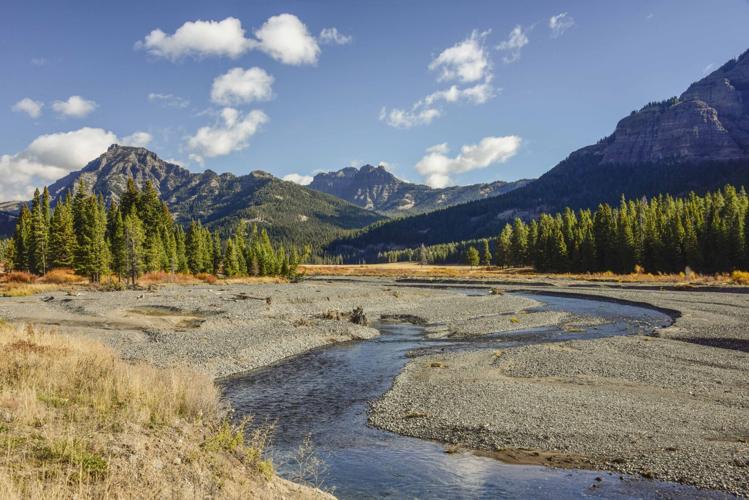
I first rolled into Lamar Valley on a crisp summer morning in 2018, and it changed how I see nature forever. Dubbed the “Serengeti of North America,” this vast northeastern corner of Yellowstone feels like stepping into a living documentary.
Herds of bison thunder across golden grasslands, wolves howl from distant ridges, and grizzlies lumber through sagebrush, all framed by jagged peaks and the winding Lamar River. Unlike geyser-packed areas, here wildlife drives the show, drawing photographers and adventurers year-round.
Over multiple visits, I’ve logged dawn patrols and sunset stakeouts, witnessing a wolf pack pup wrestling in Slough Creek while hundreds of bison grazed nearby. According to Yellowstone rangers, this valley hosts one of the park’s densest wildlife populations, with over 10,000 bison roaming freely and wolf packs like the Junction Butte crew thriving since reintroduction in 1995. It’s not just sights; it’s the raw pulse of untamed America that keeps me returning.
Prime Times to Visit Lamar Valley for Epic Wildlife Encounters
The golden hours rule here. I always aim for sunrise around 5:30 AM in summer, when mist clings to the river and animals stir first. Dusk, roughly 8 PM, brings similar magic as shadows lengthen and predators prowl. Midday? Quieter, but still stunning for hikes.
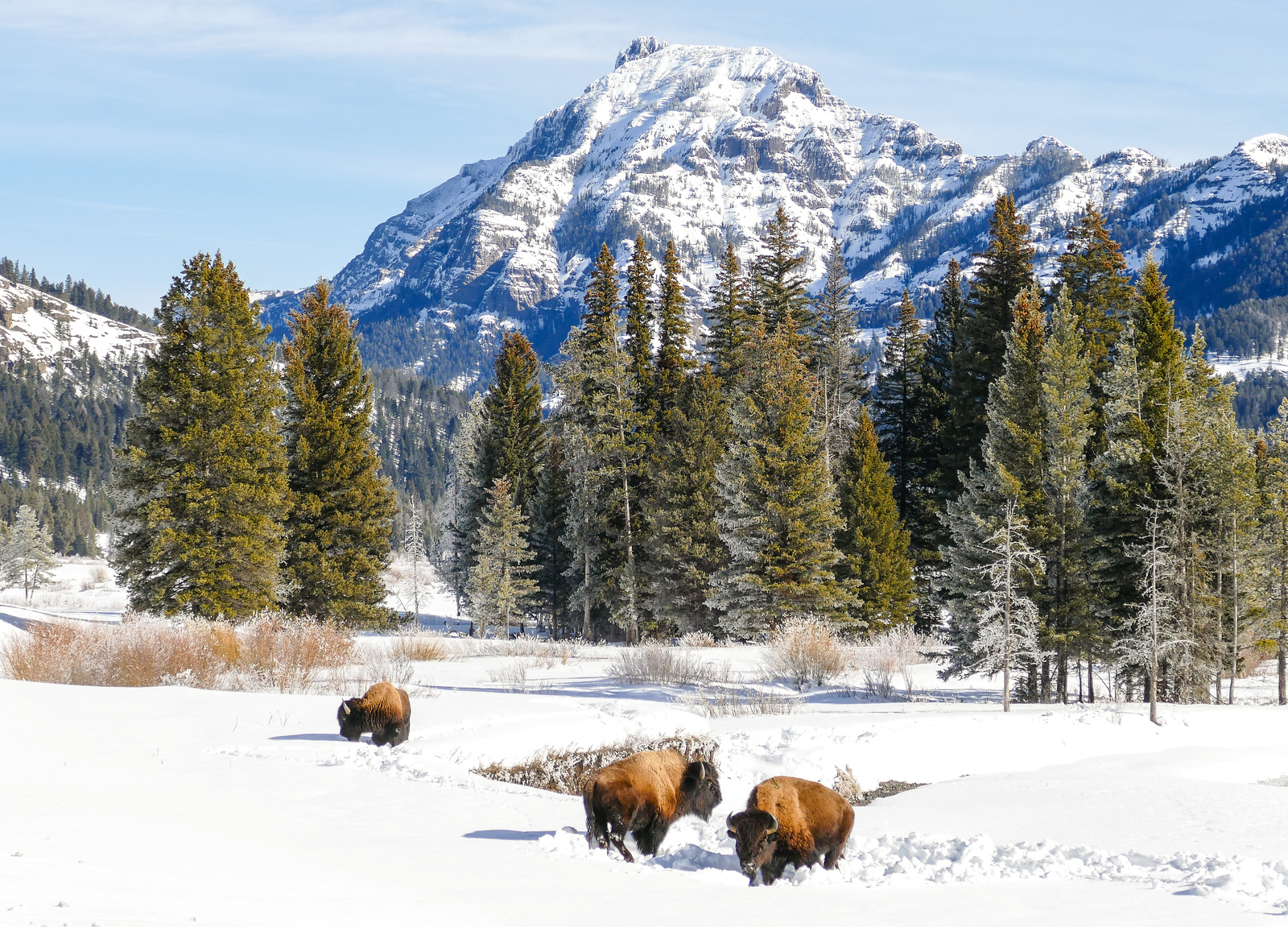
Winters (December-February) offer snow-draped solitude with wolves easier to spot against white backdrops, though roads may close; check NPS road conditions.
Seasonal Breakdown
- Summer (June-August): Peak crowds, but reliable bison herds and elk; temperatures 60-80°F days, 30-40°F nights.
- Fall (September-October): Fewer visitors, rutting elk bugling dramatically, and cooler, golden aspens.
- Winter (December-March): Snowcoach access only; wolves shine, but pack bear spray and chains.
- Spring (April-May): Calving season chaos with grizzlies feasting; mud and bear jams galore.
Essential Directions and How to Reach Lamar Valley Easily
From Yellowstone’s North Entrance (Gardiner, MT), drive 30 miles south on twisting roads flanked by black bears in spring. The East Entrance (Cooke City, MT) shaves time to 20 minutes. No public transit, so rent via Expedia or drive your own; fuel up in Silver Gate. Cell service? Spotty at best, so download offline maps.
Pro tip from my drives: Enter at dawn via the Northeast to beat traffic. Park at pullouts like Lamar Canyon Overlook for panoramic starts.
Wildlife Hotspots and Where to Spot Wolves, Bears, and Bison
Pull over at scopes set up by wolf watchers; they’re your free guides. Slough Creek’s den sites buzz with pups in summer, while Little America explodes with bison “bear jams.”
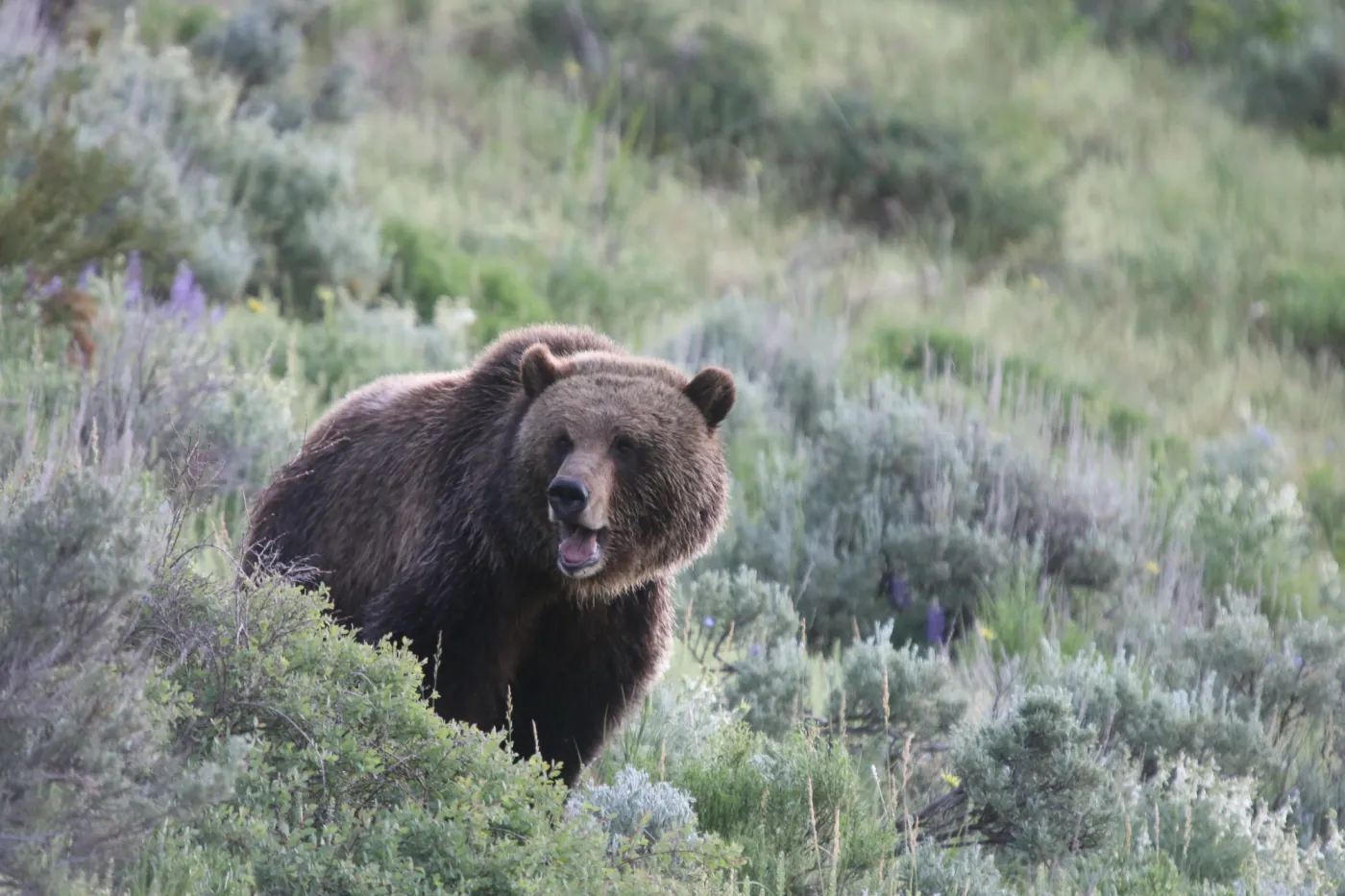
I’ve glassed grizzlies foraging berries from the Hitching Post pullout, binoculars revealing sows with cubs tumbling downhill. Pronghorn sprint across flats, elk bugle in meadows, and otters play in Soda Butte Creek.
Top Viewing Cards
- Slough Creek: Wolf central; hike flats for packs hunting dawn.
- Little America: Bison mega-herds crossing river; sunrise gold.
- Footbridge: Elk and mule deer; quieter midday vibes.
Safety Rules and Wildlife Viewing Best Practices
I’ve learned hard lessons: Bison charge if cornered, so 25-yard minimum. Wolves and bears demand 100 yards; use your car as a blind. Rangers enforce this strictly, with fines up to $5,000.
Bear spray ($40-50 at park stores) saved my hike once when a sow bluff-charged. Drones? Banned. Stay on trails to avoid surprising critters.

Lodging and Nearby Stays for Lamar Valley Access
Base in Cooke City (Hotels.com) or camp at Slough/Pebble Creeks ($20/night first-come). Roosevelt Lodge inside the park offers cabins ($150+/night in summer). Book via Agoda. I love Soda Butte Lodge’s cozy vibes, steps from action.
Gear Essentials and Packing for a Perfect Day
- Binoculars/spotting scope (10×42 is ideal for distance).
- Layers: Windproof jacket, hat, and gloves; temps swing 40°F.
- Picnic cooler: Sandwiches beat overpriced lodges.
- Offline GPS app like Gaia; no Verizon/AT&T here.
- Tripod chair for stakeouts; coffee thermos mandatory.
Pros and Cons of Visiting Lamar Valley
Pros: Stacked Card
- World-class wildlife free-for-all, no zoo lines.
- Stunning sunrises etching mountains in purple hues.
- Primitive camping immerses you overnight.
Cons: Stacked Card
- Crowded pullouts in peak season; patience is key.
- Remote: 1+ hour from main lodges.
- Weather flips fast; blizzards even in May.
Tours and Guided Experiences to Elevate Your Trip
Yellowstone Guidelines (nps.gov/yell) or GetYourGuide wolf tours ($200/half-day). I joined a wolf specialist once; spotting Junction Buttes through scopes beat solo efforts. Fly-fishing the Lamar River via outfitters nets trophy cutthroat.
Frequently Asked Questions About Lamar Valley
Is Lamar Valley worth the drive in Yellowstone?
Absolutely. I’ve driven it dozens of times; no other spot matches its wildlife density and raw beauty. Plan 4-6 hours minimum.
What animals are commonly seen in Lamar Valley?
Wolves, grizzly bears, bison herds, elk, pronghorn, black bears, coyotes, and otters. Dawn/dusk maximizes sightings.
How long to spend in Lamar Valley?
At least half a day per visit. I recommend overnight camping for multiple sunrises; one trip isn’t enough.
Is Lamar Valley open year-round?
Roads close in winter (Nov-April), accessible by snowcoach. Summer offers the easiest access; check NPS updates.