
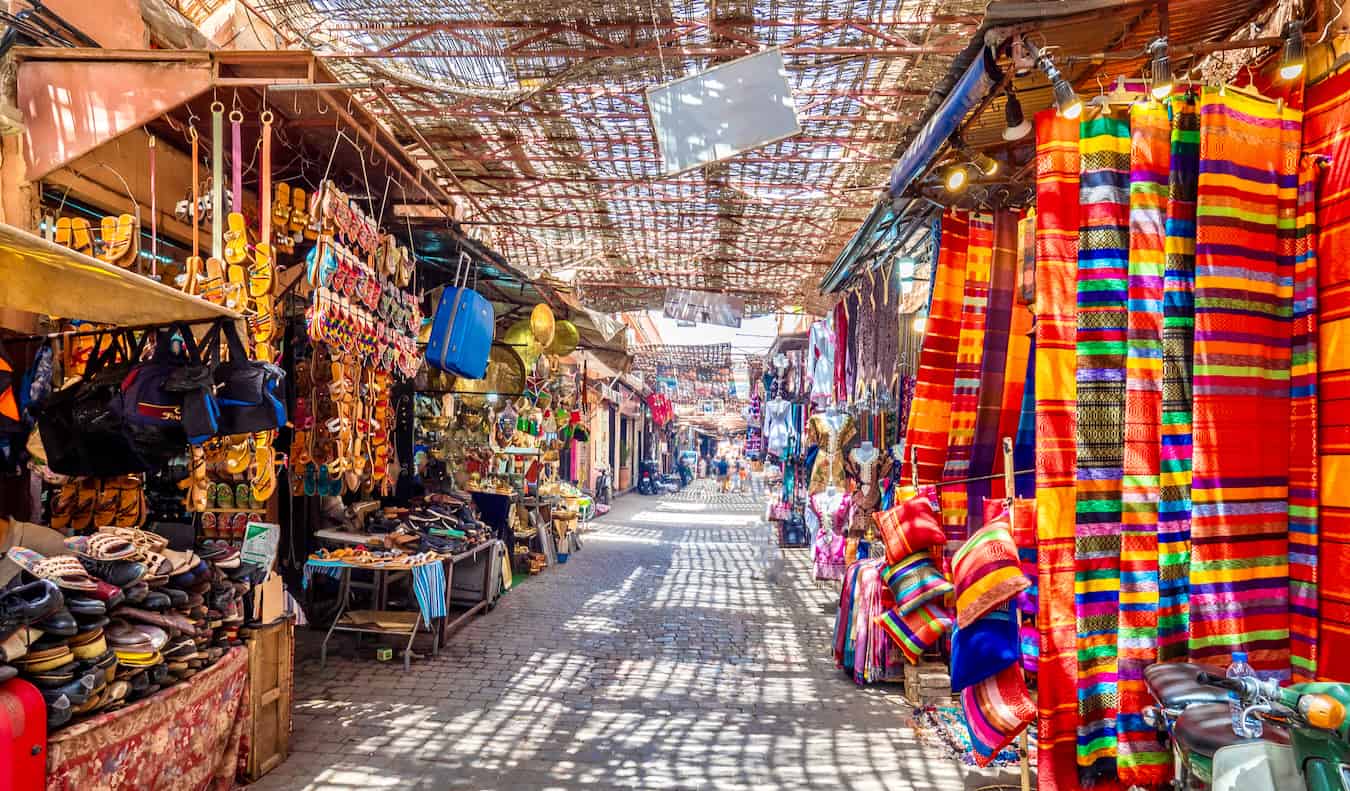
It is generally safe for visitors who follow basic precautions, offers great value compared with Europe, and rewards slower, immersive travel with tea-filled conversations and sensory-rich markets.
First-timers usually split 7 to 14 days between Marrakech, the Sahara, Fes, Chefchaouen, and either Essaouira or Casablanca. Expect moderate daily costs compared with Western Europe, with comfortable midrange trips often sitting in the 80–150 USD per person per day range depending on season and activities.
Book your stays through trusted platforms like Booking.com, Agoda, Expedia, Hotels.com, TripAdvisor, Kayak, and Vrbo for reliable reviews and secure payments.
Best seasons are spring (March–May) and autumn (September–November) when the heat is milder and the mountains are more comfortable. Plan at least one night in a desert camp, a stay in a traditional riad, and time to simply wander a medina without a checklist.
Jump directly to details: Why Morocco | When & How To Go | Typical Costs & Budgets | Staying Safe | Where To Stay | Sample Itineraries | FAQs
Key Takeaways Before You Book Morocco
- Morocco is ideal if you want intense culture, photogenic cities, and access to desert, mountains, and coast in a single trip.
- Plan at least 7–10 days for a balanced first visit and 14 days if you want both north and south without rushing.
- Spring and autumn provide the most comfortable mix of weather in cities, mountains, and desert regions.
- Daily budgets vary widely, but Morocco can be affordable for backpackers and still excellent value for luxury seekers.
- Choose reputable riads and tour operators, and use established booking platforms and review sites to vet experiences.
- Learning a few words of French or Moroccan Arabic and understanding local etiquette will dramatically improve your interactions.
Why Morocco Belongs On Your Shortlist
When I first landed in Morocco, what struck me was how many different worlds fit inside one country: terracotta cities, palm-filled oases, snow-dusted mountains, and ocean winds that cut through the heat just when you need it.
Walking through an old medina at dusk, with the call to prayer echoing over rooftops and the smell of grilling meat drifting through narrow alleyways, felt like stepping into a living museum that is still very much in motion.
Morocco is known for its historic imperial cities, labyrinthine souks, ornate mosques and palaces, and the dramatic Sahara dunes that many travelers picture when they imagine North Africa.
At the same time, it is a modern country with high-speed trains, boutique design hotels, coworking spaces, and a growing surf scene along the Atlantic. This contrast is what makes it so compelling if you want both cultural immersion and comfortable travel infrastructure.
Another reason Morocco works so well for many travelers is its relative accessibility from Europe, the Middle East, and West Africa, as well as a wide range of price points.
You can find simple guesthouses, family-run riads, or five-star luxury resorts, often at lower prices compared with similar options in many Western European capitals. That flexibility allows solo travelers, couples, and families to build trips that match their comfort level without sacrificing depth of experience.
What Morocco Is Really Known For
Living Medinas And Souks
Morocco’s historic medinas are more than tourist attractions; they are dense neighborhoods where people still live, work, and shop. In cities like Marrakech and Fes, you will find spice stalls, tanneries, carpet workshops, and tiny bakeries, often hidden behind unmarked doors.
Exploring early in the day, when traders are just opening up, is my favorite time because the pace is gentler and conversations flow more naturally.
Riads, Tea, And Slow Hospitality
Traditional riads, built around inner courtyards, are one of Morocco’s signatures and an experience I always recommend booking at least once in every trip.
The first time I stayed in a riad in Marrakech, breakfast on the rooftop with mint tea and flatbreads felt like being in a private oasis despite being just steps from the busy streets outside. This style of accommodation is often run by local families or small teams, which means you get personal tips, home-style cooking, and a sense of being a guest rather than just a customer.
Desert Dunes And The Atlas Mountains
Many visitors dream of riding a camel over golden dunes and spending a night in a Berber-style desert camp, and that image is rooted in reality in regions like Merzouga and Zagora.
Combining desert time with at least one or two nights in the Atlas Mountains lets you experience the rural side of Morocco, where terraced fields, stone villages, and hiking trails show a quieter rhythm of life. The contrast between the dry desert, cool mountain air, and buzzing medinas gives a satisfying narrative arc to a first-timer itinerary.
Best Time To Visit Morocco
Overall Best Seasons
In practice, I find spring and autumn to be the sweet spot for most visitors because daytime temperatures are more manageable in the cities and desert regions, while mountain hikes remain comfortable.
In these shoulder seasons, light layers and a scarf usually cover most situations, and you avoid the most intense heat waves that can make mid-day sightseeing a challenge. Coastal destinations stay milder year-round, but even there, shoulder periods often strike the right balance of pleasant weather and fewer crowds.
Cheapest Time To Visit
If your priority is saving money, look at the cooler months outside major holidays, when demand dips and accommodation often becomes more negotiable.
In my experience, prices on booking platforms like Booking.com, Agoda, and Kayak tend to be softer during these periods, especially if you are flexible with dates and avoid school holidays and long weekends. Always cross-check seasonal deals and user reviews on sites such as TripAdvisor and Expedia to confirm current patterns before locking things in.
Weather Quick Guide
- Summer can be extremely hot in Marrakech, Fes, and the desert, so plan early starts and long midday breaks if you travel then.
- Winter is generally mild in coastal and lowland areas, but mountain regions can be cold, especially at night, so pack thermal layers if you head to the Atlas.
- Desert temperatures can swing sharply, with warm days and quite cool nights, making layers more useful than heavy single pieces.
How To Get To Morocco
Flying In
Most international travelers arrive by air into cities such as Casablanca, Marrakech, Rabat, Agadir, or Tangier, which have regular connections from major European hubs and several long-haul destinations.
I usually compare flight routes and fares on Kayak or Expedia to see which combination of price, duration, and layovers fits my plans best. Onward regional flights within Morocco exist, but for many routes, the train network is more comfortable and atmospheric.
Arriving By Sea Or Land
Travelers coming from southern Spain sometimes use ferries across the Strait of Gibraltar to ports such as Tangier, which can be a memorable way to arrive if you enjoy mixed-mode journeys.
Combining a European city break with a Moroccan leg is fairly common, and in my experience, this works particularly well if you pair Andalusian towns with northern destinations like Chefchaouen or Tangier.
Overland routes from neighboring countries are possible but less common for short vacations, so most visitors lean on flights and occasional ferries.
First Arrival Tips
When you land, I recommend arranging a pre-booked airport transfer through your riad or hotel, especially on late-night arrivals, to avoid confusion in the taxi areas.
Many riads will send a driver or at least provide clear walking directions from a taxi drop-off point just outside the medina gate, which is hugely helpful when you arrive in a maze-like old town for the first time. You can also prearrange private transfers on platforms like GetYourGuide where reviews help you filter reliable providers.
How To Get Around Morocco
Trains, Buses, And Taxis
Morocco’s intercity train network connects major cities such as Casablanca, Rabat, Marrakech, Tangier, and Fes, and it is often my first choice when routes are available because it is comfortable and straightforward.
For routes not covered by trains, long-distance buses fill in the gaps and are widely used by both locals and visitors, particularly to reach smaller cities and gateways to the mountains or desert.
In cities and towns, taxis and app-based services in some areas bridge the last mile, but always confirm the fare or ensure the meter is running before you set off.
Private Drivers And Tours
For more complex routes, especially those linking the Atlas Mountains or Sahara with city stays, hiring a private driver or booking a multi-day tour can save time and stress. I often suggest reading recent user feedback on TripAdvisor and curated excursions on GetYourGuide to check consistency in service and safety.
If you are traveling with family members of varied ages or mobility levels, a private driver can also make it easier to adjust pace and stop spontaneously at viewpoints or villages.
Driving Yourself
Renting a car gives you flexibility in rural regions and along the coast, but I recommend that first-time visitors drive only if comfortable with local traffic patterns and variable road conditions.
Highways between major cities are usually straightforward, but city centers and medina-adjacent areas can feel chaotic until you adapt to the rhythm. If you decide to drive, book with recognized rental brands through aggregators like Kayak or Expedia, and pay attention to reviews mentioning service quality and deposit handling.
Map: Getting Your Bearings In Morocco
To help you visualize the main travel corridor, here is an embedded map centered on Marrakech, one of the most common starting points. You can zoom out to see how cities like Casablanca, Fes, Rabat, and Tangier line up along the rail and road network.
Typical Costs, Suggested Budgets, And Money-Saving Tips
What A Day In Morocco Might Cost
Exact costs vary by season and destination, but many travelers find that Morocco allows them to travel comfortably at daily budgets that would feel tight in Western Europe.
Simple guesthouses and street food stalls can keep costs low for backpackers, while midrange riads, sit-down restaurants, and organized excursions raise the daily spend but still feel reasonable for what you get.
Activities like desert camps, guided day trips, and hammam experiences add to your budget, so it helps to decide which high-impact experiences you value most and build around them.
Money-Saving Strategies That Actually Work
- Book refundable accommodations early on
Booking.com,
Agoda, or
Hotels.com, then track prices and rebook if rates drop. - Use filtered searches on
TripAdvisor to identify great-value riads and guesthouses where breakfast is included. - Eat where locals eat at lunchtime, when set menus or daily specials are often cheaper and portions generous.
- Join shared group tours through
GetYourGuide if private tours stretch your budget too far. - Negotiate in markets with a friendly but firm attitude, and be ready to walk away if a price feels inflated.
Stacked Budget Cards: Picking Your Travel Style
Shoestring Traveler
If you are comfortable with shared rooms, local eateries, and public transport, you can keep daily costs relatively low while still experiencing the essence of Morocco.
This style works well for solo travelers and students who prefer authenticity over polished comfort and are open to slower overland journeys between cities. Staying in basic guesthouses booked via budget filters on Booking.com or hostel-style platforms can help keep your per-night expenses modest.
Comfort-Focused Explorer
Many visitors choose a middle path with comfortable en-suite rooms in riads or boutique hotels, a mix of casual and sit-down meals, and occasional guided tours.
In my own trips, this balance has allowed me to enjoy atmospheric stays, reliable hot water, and quieter rooms while still feeling close to local life in the medinas.
Platforms like Expedia, Hotels.com, Agoda, and TripAdvisor make it easier to filter by review scores and amenities to fit this sweet spot.
Luxury And Special-Occasion Traveler
Morocco also caters well to travelers seeking high-end riads, design-forward hotels, and private experiences such as exclusive desert camps, private guides, and tailored day trips.
This can be an excellent way to celebrate honeymoons, anniversaries, or milestone birthdays because you combine indulgence with rich cultural experiences.
To secure standout stays, I look for consistently exceptional ratings and detailed guest comments on Booking.com, Agoda, Vrbo, and TripAdvisor, paying attention to recent reviews that mention service and cleanliness.
Where To Stay In Morocco: Best Bases And Areas
Understanding Your Main Options
Choosing the right base in each city can dramatically change how you experience Morocco, especially if you are sensitive to noise or crowds.
In general, staying in or near the medina offers immersion, while modern neighborhoods outside the old city walls give you calmer streets and easier access for taxis. I like to mix both in a single trip, using medina stays for atmosphere and modern districts for rest and recharging between intense sightseeing days.
Marrakech
In Marrakech, most first-time visitors choose between staying inside the medina or in newer areas such as Gueliz. A medina riad puts you within walking distance of iconic spots like Jemaa el-Fna square, the souks, and many historic sites, but narrow alleys, calls to prayer, and late-night activity can feel overwhelming if you are a light sleeper.
Before booking, I always filter riads on Booking.com or Agoda by noise-related reviews and look at user photos on TripAdvisor to set realistic expectations.
Fes
Fes has one of the most atmospheric and complex medinas in the country, with steep lanes and countless workshops that show traditional crafts still in practice.
Staying in the old city can feel more intense here because the medina is large and hilly, so I advise checking how far your riad is from the nearest gate and whether staff can arrange a luggage porter on arrival. Midrange and higher-end riads often help with this, and reading multiple recent reviews on Hotels.com or Expedia can signal which properties consistently offer that support.
Chefchaouen
The blue-painted town of Chefchaouen is smaller and slower, making it a favorite for travelers who want a few days of gentle wandering and photography.
Here, I prioritize accommodations with terraces or balconies because the views over the blue streets and surrounding hills are part of the charm. Availability can tighten in popular months, so it is worth pre-booking your top choices on platforms such as Booking.com, Agoda, or Vrbo if you want specific room types.
Essaouira And Coastal Towns
On the Atlantic, Essaouira stands out for its laid-back atmosphere, manageable medina, and strong winds that attract kite surfers and windsurfers. I often recommend at least two nights here toward the end of a trip because the sea air and slower pace provide a natural decompression after busier cities.
For beach-oriented stays or larger resort-style properties, browsing
Hotels.com and Expedia helps surface coastal options that may not appear as prominently when searching only by city name.
Pros And Cons Of Traveling In Morocco
What I Love About Traveling In Morocco
One of Morocco’s biggest strengths is how intensely it engages the senses: the visual overload of tiled courtyards, the rhythm of Arabic and French conversations, the smell of spices, and the taste of slow-cooked tagines.
I appreciate how easy it is to string together completely different experiences in a single trip, such as an early-morning hike in the mountains, an afternoon hammam visit, and an evening in a rooftop restaurant above a busy square.
When you stay in riads and smaller guesthouses, local hosts often become informal advisors, helping you with restaurant suggestions, fair taxi prices, and less touristy corners to explore.
Challenges You Should Be Ready For
At the same time, Morocco can feel overwhelming, especially on your first day in a dense medina where scooters, carts, and pedestrians share tight alleys.
You may encounter persistent shopkeepers or unofficial guides who follow you, which can be tiring until you find a firm but polite way to decline offers.
The gap between tourist areas and everyday neighborhoods can also bring cultural surprises, so going in with curiosity and patience, rather than expecting everything to work like home, makes a noticeable difference in your experience.
Things To See And Do: Cities, Desert, Mountains, And Coast
Marrakech Highlights
In Marrakech, I like to start with the main square and surrounding souks to absorb the city’s energy, then gradually work my way toward more tranquil spots such as gardens and museums.
Visiting traditional palaces, old schools of Islamic learning, and contemporary galleries in Gueliz gives you a fuller picture of how the city’s history and modern identity interact.
Ending the day on a rooftop terrace overlooking the medina, watching the sky change color while the square comes alive below, is one of those experiences that tends to stay with you.
Fes And Craft Traditions
Fes is particularly known for its artisans, including leather tanners, tile makers, and woodworkers, whose workshops line the narrow streets of the old city.
On my visits, guided walks have helped me understand what I am seeing, from the logic of the medina’s layout to the symbolism behind particular designs and patterns.
You can often visit cooperatives where artisans explain their techniques, which adds context if you plan to purchase textiles, ceramics, or leather goods as long-lasting souvenirs.
Chefchaouen’s Blue Streets
In Chefchaouen, the main activity is simply wandering up and down the blue-toned streets, stopping for viewpoints, cafés, and doorways that look almost too perfect to be real.
Early morning and late afternoon tend to be the calmest times, and I find that slowing down, rather than trying to tick off specific photo spots, results in more satisfying interactions and images.
Short hikes into the surrounding hills or to nearby waterfalls can balance time spent in town if you stay for a few days.
Atlas Mountains And Berber Villages
The High Atlas and nearby ranges offer everything from easy day hikes to multi-day treks, often starting from villages reachable as day trips from Marrakech or other hubs.
Spending a night in a mountain guesthouse can be particularly memorable because dinners are often home-cooked and conversations with hosts provide insight into rural life, agriculture, and local customs.
If you are traveling with children or older relatives, shorter walks and scenic drives rather than strenuous treks can still give a strong sense of the mountains without overextending anyone.
Sahara Desert Experiences
For desert trips, common gateways include towns such as Merzouga or M’Hamid, where you transfer to 4×4 vehicles or camels for the final approach to camps among the dunes.
It is important to choose operators who take safety and environmental impact seriously, which is why I always read through recent reviews on GetYourGuide and TripAdvisor before booking.
A typical experience involves a late-afternoon arrival, sunset over the dunes, dinner under the stars, and, if you are keen, an early wake-up to watch the sunrise in quiet, cool air before returning to town.
Coastal Relaxation In Essaouira And Agadir
On the coast, Essaouira draws visitors for its manageable medina, fishing port, and relaxed café culture, making it an excellent place to slow down at the end of a trip.
Further south, beach resort areas offer longer stretches of sand and more conventional seaside infrastructure, appealing to travelers who want a stronger focus on sun and water sports.
Combining a few days on the coast with time in Marrakech or Fes softens the intensity of city sightseeing and helps you return home more rested.
Tours Worth Considering
While it is entirely possible to explore Morocco independently, certain experiences become smoother and richer with local guides.
I often look for small-group or private tours that prioritize context and conversation rather than quick photo stops and souvenir breaks. When browsing platforms like GetYourGuide and TripAdvisor, I pay special attention to reviews that mention guide knowledge, pacing, and flexibility with questions.
- Medina walking tours in Marrakech or Fes with licensed local guides.
- Day trips to Atlas foothills and Berber villages from Marrakech.
- Multi-day Sahara desert circuits that include mountain passes and oasis towns.
- Food-focused tours and cooking classes that demystify ingredients and dishes.
- Surf lessons and coastal bike tours in Essaouira or Agadir for active travelers.
How To Stay Safe And Travel Responsibly
General Safety
Most travelers experience Morocco as safe when they follow typical city precautions such as watching their belongings, avoiding unlit alleys late at night, and using registered taxis or verified drivers.
Petty theft can occur in crowded markets and transport hubs, so I recommend a cross-body bag that fully zips and leaving unnecessary valuables in your accommodation. In medinas, saying a clear “no thank you” and continuing to walk is often more effective than extended explanations if you do not want a service or tour.
Health And Hygiene
I usually drink bottled or filtered water in Morocco, especially when moving between cities with different water profiles. Street food can be excellent, but I choose stalls that are busy with locals, which generally signals fresher turnover.
If you have a sensitive stomach, ease into raw salads and street snacks gradually and carry basic medication for digestive upsets, just in case.
Respectful Behavior
Morocco is culturally conservative in many areas, so dressing with shoulders and knees covered in traditional neighborhoods and religiously significant spaces shows respect and tends to reduce unwanted attention.
Asking before photographing people, especially in markets and rural areas, is important; sometimes a small purchase or brief conversation helps build a natural interaction before you pull out a camera.
During religious holidays or events, some shops and services adjust hours, so confirming opening times ahead of specific days can prevent frustration.
Emergency Contacts And Practical Info
Key Numbers To Know
Before each trip, I store local emergency numbers and my accommodation’s contact details in my phone and on a printed card in my wallet. It is also wise to note the phone and email of your country’s embassy or consulate in Morocco, as well as the contact for your travel insurance provider.
Many riads and hotels place their reception number on a card that you can show taxi drivers if you need directions, which is worth keeping handy.
Digital Backups
I keep digital copies of my passport, main bookings, and insurance documents in encrypted cloud storage, which makes it easier to recover paperwork if something is lost or stolen.
Having offline maps downloaded for key cities also reduces stress if you do not have data or lose signal inside medinas. Applications that allow calling or messaging over Wi-Fi can be handy in riads where the signal is strong inside but mobile coverage is weaker in narrow streets.
Family-Friendly Stays, Hidden Gems, Museums, Outdoors, Arts, And Nightlife
Traveling As A Family
Morocco can work well for families if you build in downtime and choose accommodations that offer enough space for everyone to decompress after busy days.
I look for riads and hotels that mention family rooms, interconnected rooms, or courtyard areas where children can move around safely under supervision. Checking recent family-specific reviews on TripAdvisor, Booking.com, and Hotels.com gives a more realistic picture than just looking at professional photos.
Hidden Corners And Lesser-Known Spots
Beyond the famous cities, smaller towns and regions offer quieter experiences, such as oasis valleys, remote kasbahs, and villages where weekly markets are still primarily for local residents.
On my trips, some of my favorite memories have come from spontaneous stops suggested by drivers or hosts, such as a small café overlooking an unexpected viewpoint or a detour to a local festival. Browsing long-form user reviews and trip reports on platforms like TripAdvisor can inspire these off-the-beaten-path detours by highlighting places that resonated with other travelers.
Museums And Cultural Spaces
Major cities host a mix of traditional and modern museums, from collections focusing on Islamic art and Moroccan crafts to contemporary galleries that showcase local and regional artists.
I often schedule museum visits during the hotter hours of the afternoon because they offer air-conditioned breaks and deeper context for what I see on the streets. Checking official websites or social media pages for updated opening hours helps avoid disappointment, especially around holidays or special events.
Outdoor Activities
Outdoor enthusiasts can find hiking, mountain biking, surfing, and even skiing in season, depending on where and when they visit. Guided treks and day hikes make the Atlas Mountains accessible even if you are not an experienced mountaineer, while surf schools along the coast cater to all levels.
I like to mix gentle, family-friendly walks with one or two more focused excursions so that everyone in a group finds a comfortable level of challenge.
Arts, Theater, And Nightlife
Moroccan cities offer a mix of traditional performances, live music, and contemporary cultural events that change throughout the year.
Rooftop bars, lounges, and venue-based shows tend to be more prominent in larger cities, while smaller towns lean toward café culture and relaxed evening strolls. Checking local event listings and hotel notice boards shortly after arrival can reveal concerts, exhibitions, or festivals that are not heavily marketed abroad but are well worth attending.
User-Generated Insights And Reviews
I place significant weight on first-hand traveler reviews when choosing where to stay and which tours to book because they give specific details about cleanliness, noise, staff attitude, and value.
Cross-checking feedback across multiple sites such as TripAdvisor, Booking.com, Agoda, Hotels.com, Expedia, and Vrbo helps filter out isolated experiences.
When I see consistent praise for specific staff members, breakfast quality, or cleanliness standards across months of reviews, I treat that as a strong signal of reliability.
How Long To Stay In Morocco
The length of your trip depends on how many regions you want to cover and how fast you like to travel. For many first-timers, a week is the minimum to see one major city, a desert or mountain excursion, and perhaps a coastal day or two.
Two weeks or more allow a more relaxed loop that includes both the northern and southern parts of the country without spending most of your time on the road.
Sample Itineraries To Help You Plan
One-Week Snapshot Trip
If you have about a week, I usually recommend focusing on Marrakech, a desert overnight, and either the Atlas Mountains or Essaouira.
This keeps travel distances manageable while still giving you city energy, one rural or mountain experience, and at least one truly memorable sunrise or sunset moment.
Booking your main stays early on Booking.com or Agoda and filling in excursions through GetYourGuide makes the logistics easier to handle.
Ten To Twelve Days: Classic First Visit
With ten to twelve days, you can add Fes and perhaps Chefchaouen to the mix, creating a north–south arc that includes multiple medinas and a desert or mountain segment.
This length gives you enough time to settle into each place rather than feeling like you are always packing. Internal travel can be planned around train routes where possible and supplemented with private drivers or transfers for segments that are less well connected.
Two Weeks Or Longer: Deep Dive
Stays of two weeks or more let you slow the pace, spend extra nights in towns you love, and include more remote or niche interests such as photography-focused trips, extended hikes, or craft-focused itineraries.
I have found that the extra time allows for unplanned invitations, such as tea with shop owners who become friends or side trips suggested by local hosts.
When planning longer visits, using a mix of platforms like Vrbo, Booking.com, Agoda, and Hotels.com can unlock monthly or weekly rate discounts.
Personal Insights And Pro Tips From The Road
Why Going Slower Pays Off
Each time I have tried to fit “one more” city into a Morocco itinerary, I found that travel days started to eat into the joy of simply existing in a place.
Some of the most rewarding experiences came from unstructured hours: lingering over mint tea while watching a square wake up, or following the sound of music into a courtyard where a local event was unfolding.
I now plan my trips with more free time than I think I need because Morocco tends to reward spontaneous detours and unplanned conversations.
Navigating Medinas With Confidence
The first time I walked into a medina, I felt disoriented by the narrow, twisting alleys and lack of street signs, but within a day or two, I started to recognize landmarks and patterns.
I have learned that keeping a mental map of major gates, mosques, and squares helps, and asking shopkeepers or families rather than people who approach me offers more reliable directions.
Downloaded offline maps and clear meeting points with your accommodation also reduce anxiety about “getting lost” and let you enjoy wandering more freely.
Buying Souvenirs You Will Actually Use
Rather than buying many small items, I now look for a few well-made pieces such as textiles, ceramics, or wooden objects that fit my home and lifestyle.
Visiting workshops and cooperatives where artisans explain their techniques has helped me understand price differences and feel better about what I am paying for.
Before making a big purchase, I walk away, compare options, and then return later if I still think about that item, which reduces impulse buys and supports more thoughtful shopping.
Morocco Travel FAQ
Is Morocco safe for solo travelers, including women?
Many solo travelers, including women, visit Morocco every year and have positive experiences, especially when staying in reputable accommodations and following standard urban safety measures.
Street harassment and persistent selling can occur, particularly in busy tourist zones, so dressing modestly, walking with purpose, and setting clear boundaries usually help.
I also recommend choosing centrally located riads with strong reviews, arranging airport transfers, and sharing your daily plans with someone at home for extra peace of mind.
What is the best way to book hotels and riads in Morocco?
I like to start on meta platforms and review sites such as TripAdvisor to identify consistently well-rated properties, then book through Booking.com, Agoda, Hotels.com, Expedia, or Vrbo depending on the style I need.
These platforms offer clear photos, cancellation policies, and verified guest reviews, which provide more confidence than booking blindly.
When possible, I send a quick message to the property after reserving to confirm arrival details and ask about transfer options.
Can I drink alcohol in Morocco?
Alcohol is available in some hotels, bars, restaurants, and shops, especially in larger cities and resort areas, but it is not as visible or widespread as in many Western destinations.
I treat it as something you can find rather than a default assumption, which means checking whether your chosen restaurant or accommodation serves it if that matters for your plans.
Public drunkenness is frowned upon, so consuming alcohol discreetly and respectfully aligns better with local norms.
Do I need to speak Arabic or French?
Speaking Arabic or French is not mandatory, but knowing a few basic phrases in either language can noticeably improve your interactions and show respect.
Many people in tourist-focused roles speak some English, especially in larger cities and at hotels, but outside those circles, French often works better.
I usually learn simple greetings, please and thank you, and how to ask for the bill or directions, which helps build friendly rapport in markets and cafés.
What should I wear in Morocco?
Clothing choices depend on season and region, but I generally aim for lightweight layers that cover shoulders and knees, particularly in medinas and religiously significant areas.
This approach is both practical for sun protection and respectful in a culturally conservative context.
In coastal or more modern districts, you will see a broader range of styles, but packing versatile, modest pieces will allow you to feel comfortable across most situations.
How do I choose a desert tour that is not a tourist trap?
I start by deciding how far I am willing to travel and how many nights I want in or near the dunes, then I read comprehensive reviews on GetYourGuide and TripAdvisor that describe the pacing, camp quality, meals, and guide behavior.
It helps to avoid offers that seem dramatically cheaper than others with similar inclusions, as there may be trade-offs in safety or comfort.
If a riad or hotel you trust recommends a particular operator, I treat that as an additional vote of confidence and compare it with what I see online.
Is Morocco good for remote work or longer stays?
Larger cities and some coastal towns offer a growing number of coworking spaces, cafés with reliable Wi-Fi, and longer-stay accommodation options, making Morocco a plausible base for location-independent workers.
If you plan to stay longer, it is important to research connectivity, local SIM card options, and neighborhood safety in advance. Platforms like Vrbo, Booking.com, and Agoda often list apartments or aparthotels with kitchen facilities that suit extended stays better than standard hotel rooms.
Final Thoughts Before You Go
If you approach Morocco with openness, patience, and a willingness to slow down, you will find that its layered history, everyday rituals, and small kindnesses add up to a deeply memorable journey.
Use trusted platforms such as Booking.com, Agoda, Expedia, TripAdvisor, Hotels.com, Vrbo, and GetYourGuide for up-to-date reviews and booking security, and treat local hosts and guides as partners in crafting your experience. With realistic expectations and this guide as a starting point, you will be well placed to design a trip that suits your style, budget, and curiosity.
Disclaimer: WakaAbuja has made every effort to ensure that the information in this post was correct at the time of publication. However, we do not assume any liability caused by errors such as pricing, hours, or location details. Please consult official websites or social media pages for the most up-to-date information.