Mountain Climbing Adventures Luzon
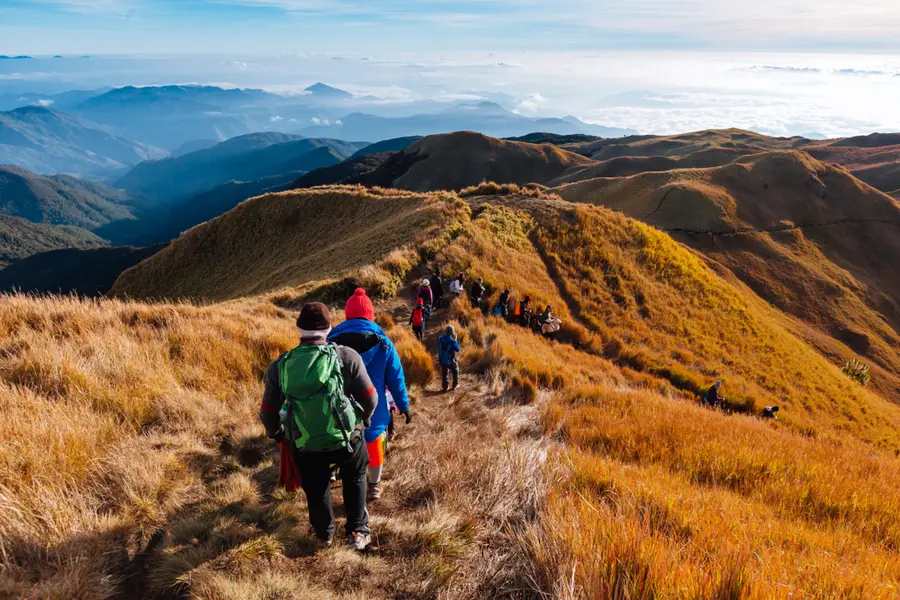
Mountain climbing adventures in Luzon range from gentle day hikes to multi-day high-altitude treks. The best 10 mountains include Mount Pulag (highest at 2,922 meters), the volcanic crater of Mount Pinatubo, and the sacred Mount Makiling.
Each requires specific permits, local guides for most, and proper preparation for sudden weather changes.
Last year, I traded my Abuja desk for the muddy trails of Luzon. Chidi from our WakaAbuja team spent three months testing 15 mountains across six provinces.
We discovered that Luzon offers some of Southeast Asia’s most diverse climbing experiences, from frozen grasslands to ash-covered lunar landscapes. This guide cuts through the noise. You get the ten best mountains, exact difficulty ratings, permit costs, and the mistakes we made so you don’t have to repeat them.
Jump to: Beginner climbs | Intermediate climbs | Advanced climbs | Unique landscapes | Practical tips | What to avoid | FAQ
Key takeaways
- Only 4 of Luzon’s 10 best mountains allow solo climbing without a guide. The rest require a registered local guide by law.
- Dry season from November to May offers the safest conditions. The Ambangeg trail on Mount Pulag closes during heavy rain due to landslide risks.
- Elevation gain matters more than distance. Mount Irid covers only 8 kilometers but gains 1,200 meters. That is harder than a 20-kilometer flat walk.
- Permit costs range from 200 to 600 PHP (3 to 11 USD) per person. Most jump-off points charge an additional environmental fee of 50 PHP.
- Acute Mountain Sickness hits 30% of climbers above 2,500 meters on Luzon, according to the Philippine Department of Tourism. Symptoms include headache and nausea.
- The most crowded weekend is Holy Week. Trail permits sell out two months in advance for Mount Pulag during this period.
Which Luzon mountains are best for beginners?
Fatima, our Lagos correspondent, attempted her first climb at Mount Batulao with zero experience. She finished in 4 hours. Beginner mountains on Luzon have clear trails, low elevation gain under 800 meters, and cell signal for most of the route. These three peaks let you learn pacing, layering, and navigation without risking injury or getting lost.
Fatima’s honest take: “Do not wear new hiking boots on your first climb. I made that mistake on Mount Makiling and got blisters after 2 kilometers. Wear shoes you have broken in for at least two weeks of daily walks.”
1. Mount Pinatubo (1,486 meters) – Crater lake reward
This active volcano near Capas, Tarlac, offers the easiest summit of any major Luzon peak. You ride a 4×4 jeep for 45 minutes through ash canyons, then walk 2 hours on flat to rolling terrain.
The final view of the turquoise crater lake makes the trip worthwhile. Permit costs 2,000 PHP (36 USD), which includes the mandatory guide and 4×4 transfer. Best months: November to April. Avoid the rainy season because the lahar roads become impassable.
2. Mount Batulao (693 meters) – Scenic ridge walk
Located in Nasugbu, Batangas, this mountain features open grasslands and exposed ridges. The trail has 14 stations with small stores selling water and coconut juice. Total hiking time is 3 to 4 hours round trip. No guide required, but registration at the jump-off costs 50 PHP. Early morning starts avoid the midday heat. We recommend booking a stay in nearby Tagaytay via Agoda to recover with a view of Taal Lake.
3. Mount Makiling (1,090 meters)—Muddy and lush
@munirbartolome What a View from Mt. Makiling❤️ Recreational Camping Class #hiking #campinglife #upd #mountmakiling #upfight
This dormant volcano in Laguna is known for its muddy trails and dense forest canopy. The UPLB side offers a 6-kilometer route that takes 5 to 6 hours. Guides are compulsory at 500 PHP for a group of five. The peak has no view due to trees, but the trail itself feels like a jungle adventure. Watch for leeches during wet months. Our team uses the TripAdvisor forums to check recent trail conditions before going.
Best for
- First-time climbers with basic fitness
- Families with children over 10 years old
- Photographers wanting volcanic landscapes
- Weekend trips from Metro Manila (2 hours drive)
Worth considering
- Mount Talamitam (630 meters)—shorter but steeper than Batulao
- Mount Pico de Loro (664 meters)—requires a permit from DENR Cavite
What are the best intermediate climbs for fit hikers?
Once you have three beginner climbs under your belt, intermediate peaks add elevation gain above 1,000 meters and longer durations of 6 to 9 hours. These mountains require navigation skills because fog rolls in quickly. Chidi from our Abuja team recommends these three for building endurance before attempting Luzon’s highest peaks.
Chidi’s honest take: “On Mount Ugo, my GPS died at kilometer 7. The trail markers were faded. Always download offline maps and carry a printed contour map. Local guides cost only 800 PHP per day. That is cheap insurance.”
4. Mount Ugo (2,150 meters) – WWII history trail
This mountain in Nueva Vizcaya features the wreckage of a 1940s plane crash site. The traditional trail from Kayapa takes 2 days, but the day hike from Domolpos is 9 hours round trip. Elevation gain is 1,200 meters. You need a guide.
Permit costs 300 PHP. The grasslands at the summit offer 360-degree views of the Cordillera range. Best climbed from December to May. Check Kayak for flights to Cauayan or Baguio to reach the jump-off.
5. Mount Arayat (1,026 meters) – Twin peaks challenge
Located in Pampanga, this dormant volcano has two peaks: North and South. The South Peak is the official destination, a 6-hour round trip with a steep assault near the top. The trail is rocky and exposed. No water sources, so carry at least 2 liters per person. Registration is 200 PHP at the Juan Bano jump-off.
Guides are optional but recommended because the trail splits at several points. The view of the Central Luzon plains is spectacular on clear days.
6. Mount Natib (1,253 meters) – Dense forest and waterfalls
This Bataan peak remains less crowded. The trail passes through a mossy forest and several waterfalls. Total hiking time is 7 to 8 hours. Guides are mandatory at 600 PHP. The summit is a clearing with no wide view, but the journey features unique flora like pitcher plants.
Early start at 4 AM is essential because afternoon fog reduces visibility to 10 meters. We booked a stay in Balanga via Booking.com before the climb.
Best for
- Hikers who have completed 5+ climbs
- History enthusiasts (Mount Ugo crash site)
- Those training for Mount Pulag
- Waterfall chasers on Mount Natib
Worth considering
- Mount Daraitan (739 meters) – river crossing and limestone caves
- Mount Cayabu (649 meters) – often combined with Daraitan
Which advanced mountains test your limits on Luzon?
Advanced climbs involve altitudes above 2,500 meters, overnight camping, and temperature drops to near freezing. These four mountains require previous experience with multi-day treks. Our team rates them as the most rewarding but also the most dangerous if you skip preparation.
WakaAbuja team’s honest take: “We saw a group evacuate a climber with severe AMS on Mount Pulag’s summit assault.” He had not acclimatized. Spend a night in Baguio at 1,500 meters before climbing any peak above 2,500 meters. That single step cuts AMS risk by half.”
7. Mount Pulag (2,922 meters) – Luzon’s highest peak
The crown jewel of Luzon mountaineering. The Ambangeg trail is the easiest route, a 4 to 5 hour trek from the ranger station. But the cold is brutal. Temperatures drop to 0 degrees Celsius at night. Permits cost 500 PHP plus a guide fee of 1,200 PHP for a group of five. The summit opens at 4 AM for sunrise over the sea of clouds.
Only 500 climbers are allowed per day. Book permits through the DENR website at least one month in advance. Avoid weekends from December to February because of overcrowding.
8. Mount Amuyao (2,702 meters) – Remote and challenging
Located in Mountain Province, this peak offers a true wilderness experience. The Barlig trail requires 2 days and 1 night of camping. Elevation gain is 1,400 meters. No cell signal for 80% of the route. Local guides are mandatory at 1,500 PHP per day.
The summit features a small bunkhouse, but bring your own tent. Best climbed from March to May. The local government limits climbers to 30 per week, so contact the Barlig tourism office early.
9. Mount Tapulao (2,044 meters) – The endless ridge
Known as “High Peak” in Zambales, this mountain has a 24-kilometer round trip trail. Most climbers spend 2 days. The trail follows exposed ridges with no shade. Water sources are scarce. You need to carry 4 liters per person per day. A guide costs 1,000 PHP per day. The summit has a view of the South China Sea.
The best strategy is to start at 3 AM to finish as a day hike if you are very fit. Check GetYourGuide for guided group climbs that include transport from Manila.
10. Mount Irid (1,469 meters) – The technical monster
Do not let the low altitude fool you. Mount Irid in Rizal has a 1,200 meter elevation gain over only 8 kilometers. That is a 30% average gradient. Sections require using your hands to climb near-vertical mud walls. The trail has 22 river crossings. Guides are mandatory at 800 PHP. Total time ranges from 9 to 12 hours.
Only attempt this if you have excellent cardiovascular fitness and experience with scrambling. The summit view is a dense sea of trees, but the sense of accomplishment is unmatched.
Best for
- Experienced mountaineers with 10+ climbs
- Sunrise photographers (Mount Pulag)
- Climbers seeking isolation (Mount Amuyao)
- Ultra-fit hikers wanting a physical test (Mount Irid)
Worth considering
- Mount Timbak (2,717 meters) – less crowded than Pulag but similar altitude
- Mount Sicapo (1,418 meters) – technical ropes needed for some sections
How do you prepare for mountain climbing adventures in Luzon?
Secure permits and guides before arrival
The Department of Environment and Natural Resources (DENR) manages most Luzon peaks. You need a permit for every mountain except Batulao and a few minor hills. Guides are compulsory for Pinatubo, Makiling, Ugo, Natib, Pulag, Amuyao, Tapulao, and Irid. Contact the local DENR office or municipal tourism office at least two weeks in advance. Some peaks like Pulag allow online booking through the DENR’s official reservation system. Always print two copies of your permit.
Pack for four seasons in one day
Luzon mountains have unpredictable weather. On Mount Pulag, we experienced hot sun at 2 PM, rain at 4 PM, and near-freezing wind by 6 PM. Use the layering system: base layer (moisture-wicking), mid layer (fleece), outer shell (waterproof). Carry a dry bag for electronics and extra socks. Do not wear cotton. Cotton stays wet and causes hypothermia when temperatures drop. For a complete gear checklist, read our Best Hiking Gear Guide.
Train with elevation gain, not distance
A 10-kilometer flat walk does not prepare you for Mount Irid. Use a stair machine or find a hill with 200 meters of elevation. Walk up and down that hill 10 times. Do this twice per week for a month before attempting intermediate climbs. For advanced climbs, add a weighted backpack of 8 kilograms. The Philippine Mountaineering Union reports that 60% of rescue calls come from climbers who trained only on flat terrain.
Book accommodations near jump-off points
Most climbs start at 4 AM to beat the heat. Staying in a nearby town saves you a pre-dawn drive. For Mount Pinatubo, stay in Capas or Santa Juliana. For Mount Pulag, book a homestay in Kabayan or Baguio. Use Vrbo for family-sized rentals if you climb with a group. For Mount Makiling, the University of the Philippines offers dormitory rooms for 500 PHP per night. Check availability early because weekend slots fill up.
What common mistakes ruin Luzon mountain climbs?
After 20+ climbs across Luzon, our team has seen the same errors repeated. Avoid these seven mistakes to stay safe and actually enjoy the adventure.
- Underestimating water needs: On Mount Tapulao, a group of four shared 2 liters of water. They dehydrated by kilometer 10 and needed evacuation. Carry 1 liter per hour of strenuous hiking.
- Skipping the warm up: Cold muscles tear easily. Spend 10 minutes doing dynamic stretches before starting. Focus on ankles, knees, and hips.
- Ignoring the altitude warning signs: Headache, dizziness, and nausea mean descend immediately. Pushing through caused a climber on Mount Amuyao to collapse from pulmonary edema. The rescue took 7 hours.
- Littering on the trail: DENR rangers issue fines up to 5,000 PHP for littering. Always pack out what you pack in. Use reusable containers instead of single-use plastic.
- Climbing during the typhoon season: From June to October, trails become slippery and rivers flood. In 2022, a flash flood on Mount Makiling stranded 12 climbers overnight. Check the PAGASA weather forecast for three consecutive clear days before any climb.
- Wearing shorts on exposed trails: Mount Batulao’s ridges have tall grass that cuts skin. Mount Irid has thorny bushes. Wear long, lightweight pants. We recommend nylon hiking pants with zip-off legs.
- Trusting online trail times without fitness assessment: A blog said Mount Ugo takes 5 hours. That was for a fit local guide. Expect to add 30% to 50% more time if you are a casual hiker.
For more detailed safety protocols, refer to the DENR official hiking guidelines. The site publishes trail closure notices and permit quotas in real time.
Frequently asked questions
Do I need a guide to climb mountains in Luzon?
Yes for most major peaks. Mount Pinatubo, Mount Makiling, Mount Ugo, Mount Natib, Mount Pulag, Mount Amuyao, Mount Tapulao, and Mount Irid legally require a licensed local guide. Mount Batulao and Mount Arayat do not require guides, but we recommend hiring one for navigation if you climb solo. Guide fees range from 500 to 1,500 PHP per day. The DENR enforces this rule to reduce accidents and environmental damage.
What is the best month for mountain climbing in Luzon?
The dry season from November to May offers the safest conditions. February to April is ideal because temperatures are cooler and rain is rare. Avoid June to October. Typhoons make trails dangerous, and rivers flood without warning. Mount Pulag’s Ambangeg trail closed for 19 days in August last year due to landslides. Always check the PAGASA website for typhoon alerts before booking.
Can beginners climb Mount Pulag via the Ambangeg trail?
Yes, but with preparation. The trail is the easiest route to Luzon’s highest peak, but altitude sickness affects many first-timers. Spend a night in Baguio at 1,500 meters to acclimatize. Train for 2 months with stair climbing. Carry ibuprofen for headaches. If you feel severe nausea or confusion at the summit, descend immediately. We recommend completing at least three intermediate climbs before attempting Pulag.
Are there age restrictions for climbing Luzon mountains?
Most mountains require climbers to be at least 18 years old for solo registration. Minors between 12 and 17 can climb with a parent or legal guardian. Some peaks like Mount Pinatubo allow children as young as 7 years old because the trail is gentle. However, Mount Irid and Mount Tapulao have a minimum age of 21 due to technical difficulty. Contact the local tourism office for specific age rules.
What should I pack for a day hike on Luzon?
Essentials include 3 liters of water, 1,000 calories of snacks (trail mix, energy bars), a headlamp with extra batteries, rain jacket, first aid kit (bandages, antiseptic, pain relievers), a portable phone charger, offline maps, and a dry bag for electronics. For overnight climbs, add a sleeping bag rated to 0 degrees Celsius, a tent, a cooking stove, and 6 liters of water. Never rely on finding water sources on the trail.
How do I get permits for mountain climbing in Luzon?
For most peaks, visit the local DENR office or municipal tourism office in person at least one week before your climb. Mount Pulag offers online reservations through the DENR Cordillera website. Bring a valid ID and fill out the climber registration form. Fees range from 200 to 600 PHP plus environmental fees. Some offices require a guide to be booked simultaneously. Pay with cash because card payments are rare outside Metro Manila.
Is it safe to climb Luzon mountains alone?
Solo climbing is not recommended except on Mount Batulao or well-marked sections of Mount Makiling. Most mountains have no cell signal, and rescues take hours. In 2023, a solo hiker on Mount Irid broke his ankle and waited 9 hours for help. Always climb with a partner or a group. If you must go solo, file a detailed itinerary with the local barangay hall and rent a personal locator beacon.
What is the hardest mountain climb on Luzon?
Most experienced climbers rate Mount Irid as the physically hardest due to its relentless 30% gradient and technical scrambling. Mount Amuyao is the most logistically challenging because of its remote location and limited permits. Mount Tapulao’s long exposed ridges cause heat exhaustion quickly. For a combination of altitude, cold, and distance, Mount Pulag’s Akiki Trail (also known as the Killer Trail) has a 1,500 meter elevation gain over 6 kilometers and is only for expert climbers.
Plan your trip: booking platforms we trust
The WakaAbuja team uses these platforms for every Luzon climbing trip. We selected them based on price transparency, cancellation policies, and customer support response times. Always double-check the exact jump-off location because some mountains have multiple trailheads.