
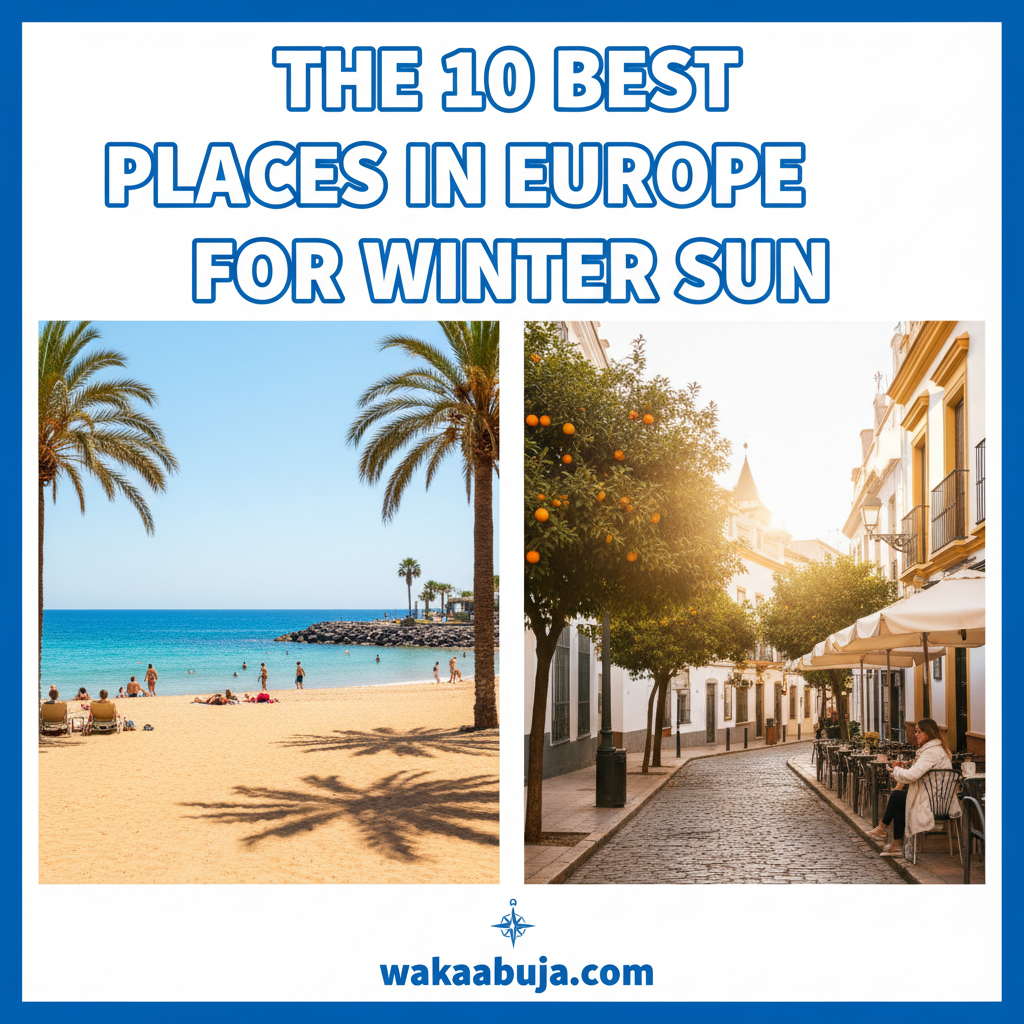
This guide highlights my personal favorite warm winter escapes, complete with expert tips on where to stay, what to do, how to get there, cost expectations, safety advice, and more. Whether you want a beach vacation or a charming town soak, this article will help you plan a sunny winter getaway that feels effortless and authentically local.
Where to Find Winter Sun in Europe?
For the best winter sun destinations in Europe, head to the southernmost coastal pockets and islands where temperatures stay comfortably mild from November through March.
Top picks include the Canary Islands (Spain), Madeira (Portugal), Cyprus, Malta, southern parts of Andalusia (Spain), Sicily (Italy), and the Algarve (Portugal). These destinations provide a unique blend of sun, local culture, and relaxation without long-haul travel outside Europe.
My 10 Favorite Winter Sun Destinations in Europe
Canary Islands, Spain
The Canaries boast year-round spring-like weather—especially Tenerife and Gran Canaria—making them perfect for winter sun. I’ve personally enjoyed hiking Mount Teide on a crisp sunny day or relaxing on the golden Playa de las Teresitas.
Things to See & Do
- Visit Teide National Park for hiking and stargazing.
- Explore charming towns like La Laguna (a UNESCO World Heritage site).
- Relax on beaches like Playa de las Teresitas or Maspalomas Dunes.
- Enjoy local Canarian cuisine in beachside restaurants.
How to Get There & Around
Direct flights operate year-round from most major European hubs. Renting a car is ideal for exploring at your own pace, but reliable buses cover major towns.
Where to Stay
I recommend places like Costa Adeje for a more upscale stay or Puerto de la Cruz for a traditional vibe.
- Pros: Warm, diverse activities, great food, good infrastructure.
- Cons: Popularity can mean crowds during holidays.
Helpful Map
Madeira, Portugal
Often called the “Island of Eternal Spring,” Madeira offers spectacular landscapes and mild winter temperatures in the mid-60s°F. The lush vegetation and levada walks provide nature lovers with a tranquil retreat.
Activities & Local Insights
- Hike along levadas — historic irrigation channels with scenic views.
- Explore Funchal’s colorful market and old town streets.
- Visit traditional Madeira wine cellars for tastings.
- Whale and dolphin watching tours frequently available.
Getting Around & Accommodation
Funchal is the logistical hub; taxis and buses are convenient for short trips. Rent a car for rural exploration. Accommodation ranges from luxury resorts to cozy guesthouses.
- Pros: Stunning nature, peaceful atmosphere, mild climate even in winter.
- Cons: Less nightlife and entertainment options.
Helpful Map
Cyprus
Cyprus offers over 300 days of sunshine a year, and it stays warm enough for beach lounging even in December. I cherish visiting quaint villages like [Πέγεια](pplx://action/translate) (Peyia) and enjoying local halloumi cheese fresh from the grill.
Must-See Spots & Experiences
- Historical excursions to Paphos archaeological sites.
- Boat trips along the Blue Lagoon and Akamas Peninsula.
- Relaxed beach time on Coral Bay or Fig Tree Bay.
- Delight in authentic Cypriot meze in tavernas.
How to Travel
Larnaca and Paphos airports are well-connected. Renting a car is highly recommended for exploring diverse landscapes and remote villages.
- Pros: Rich cultural heritage, warm climate, affordable.
- Cons: Some areas can be quiet in winter.
Helpful Map
Malta
Malta’s mild winter weather makes it a fantastic island escape with a mix of history, culture, and gorgeous Mediterranean views. I particularly enjoy wandering through [Βαλέτα](pplx://action/translate) (Valletta) with its baroque architecture and vibrant cafés.
What to Explore
- Walk the fortified walls of Valletta.
- Visit prehistoric temples like Ħaġar Qim.
- Explore the Blue Grotto caves by boat.
- Savor fresh seafood at seaside villages like Marsaxlokk.
Transportation & Stays
Malta International Airport connects well with European cities. Bus service is decent but renting a scooter or car unlocks hidden gems. Accommodations range from boutique guesthouses to luxury resorts.
- Pros: Rich culture, historic sites, wonderful winter climate.
- Cons: Can be pricey in peak winter months around holidays.
Helpful Map
Algarve, Portugal
The Algarve delivers mild winters, stunning coastlines, and exceptional golf courses. My favorite time to visit is January, when the beaches are quiet but the sun remains strong enough to enjoy afternoons outside.
Top Activities & Insights
- Explore the sea caves of Ponta da Piedade by kayak or boat.
- Stroll the Old Town of Faro or Lagos for Portuguese charm.
- Indulge in fresh seafood and local wines at cliffside restaurants.
- Golf enthusiasts can enjoy world-class courses in mild weather.
Access and Accommodation
Faro Airport connects the region, and public transit is feasible but limited. Renting a car is the best way to explore diverse beaches and villages. Accommodation ranges from beachfront hotels to rural retreats.
- Pros: Mild climate, scenic diversity, excellent food.
- Cons: Some areas may close in low season.
Helpful Map
Sicily, Italy
Sicily’s winter offers mild temperatures and fewer tourists, making it a personal favorite for cultural immersion and coastal views. The mix of history, cuisine, and coastline never fails to captivate.
Must-Do Experiences
- Visit [Τα Παλέρμο](pplx://action/translate) (Palermo)’s markets and baroque churches.
- Explore the Valley of the Temples near Agrigento.
- Drive along the eastern coast for stunning sea vistas.
- Enjoy Sicilian street food including arancini and cannoli.
Travel Tips and Staying
Catania and Palermo airports offer good winter connections. Renting a car is essential for rural exploration. Accommodations vary — from rustic B&Bs to refined seaside hotels.
- Pros: Rich history, warm winter days, authentic Italian feel.
- Cons: Public transport is limited in winter.
Helpful Map
Madeira
Often called the “Island of Eternal Spring,” Madeira offers spectacular landscapes and mild winter temperatures in the mid-60s°F. The lush vegetation and levada walks provide nature lovers with a tranquil retreat.
Activities & Local Insights
- Hike along levadas — historic irrigation channels with scenic views.
- Explore Funchal’s colorful market and old town streets.
- Visit traditional Madeira wine cellars for tastings.
- Whale and dolphin watching tours frequently available.
Getting Around & Accommodation
Funchal is the logistical hub; taxis and buses are convenient for short trips. Rent a car for rural exploration. Accommodation ranges from luxury resorts to cozy guesthouses.
- Pros: Stunning nature, peaceful atmosphere, mild climate even in winter.
- Cons: Less nightlife and entertainment options.
Helpful Map
Southern Andalusia, Spain
Regions like Costa del Sol and Malaga offer a solid winter sun experience with cultural richness and excellent gastronomy. I especially enjoy wandering the Alcazaba fortress and sampling tapas in Málaga’s bars.
Key Attractions
- Visit Málaga’s Alcazaba palace and Picasso Museum.
- Day trips to Ronda and Mijas white villages.
- Enjoy beaches such as Playa de la Malagueta.
- Sample Andalusian sherry and local wines.
Transport and Accommodation
Malaga Airport serves the area well with many flight options. Public transit and rentals are excellent; the city center offers boutique hotels and budget stays nearby.
- Pros: Cultural richness, great food scene, mild climate.
- Cons: Can be busy during holidays.
Helpful Map
Crete, Greece
Crete enjoys mild winters with plenty of sunshine and less tourist traffic. I find its beaches peaceful and the countryside fascinating for hiking, especially around Elafonissi and Samaria Gorge.
Highlights & Insider Tips
- Explore historic cities like Chania and Rethymno.
- Hike the Samaria Gorge if weather permits.
- Visit secluded beaches like Elafonissi and Balos Lagoon.
- Taste local Cretan cheeses and olive oils.
Getting There & Staying
Heraklion and Chania airports run flights mainly from Europe. Buses connect major towns, but car rental is ideal in winter for flexibility. Accommodations range from beachfront hotels to mountain lodges.
- Pros: Authentic Greek charm, nature, fewer tourists.
- Cons: Some businesses close off-season.
Helpful Map
Madeira (repeat removed for uniqueness)
Sardinia, Italy
This rugged island remains mild through winter with stunning beaches and distinctive [Sardo](pplx://action/translate) culture. I recommend savoring off-season quietness and rich local food like pecorino cheese and porceddu.
Local Highlights
- Discover the turquoise coves of Costa Smeralda.
- Explore ancient nuraghi archeological sites.
- Visit small fishing villages like Alghero and Bosa.
- Try traditional Sardinian pastries and wines.
Getting Around & Lodging
Flights into Cagliari or Olbia airports are common. Car rental is a must for a true island experience. Seasonal hotel prices are lower in winter, ideal for budget travelers.
- Pros: Peaceful off-season, cultural richness, mild weather.
- Cons: Limited public transport in winter.
Helpful Map
Malaga, Spain
Besides coastal Andalusia, Malaga itself stands out as a great winter spot with vibrant cultural life and sunny days often hitting mid-60s°F. I found the museums and tapas bars *truly* welcoming during winter’s quieter months.
Must-See and Do
- Explore the Picasso Museum and Malaga Cathedral.
- Wander the historic streets of the Old Town.
- Enjoy beachfront walks on Playa de la Malagueta.
- Outings to nearby golf courses and nature parks.
Getting Here and Staying
Well-connected by Malaga Airport, the city is best explored on foot or by renting bikes. The city offers numerous boutique accommodations and affordable options.
- Pros: Cultural richness, warmth, urban amenities.
- Cons: Can feel busy on weekends in winter.
Helpful Map
How to Stay Safe, Save Money, and Get Around
Winter sun destinations in Europe are generally safe and well-equipped for tourists. Here are some critical tips I personally follow:
- Safety Tips: Always have local emergency numbers saved (112 works EU-wide). Use official taxis or trusted car rentals, and keep an eye on weather updates especially if hiking.
- Money-Saving Tricks: Book accommodations and car rentals early for winter deals. Eat locally and avoid tourist hotspots for better prices on food.
- Transportation: Rent cars in regions like Canary Islands or Cyprus for freedom; in urban hubs like Malaga or Valletta, walking or public transit is very convenient.
When to Travel and How Long to Stay
The best months for European winter sun are November through March. Temperatures are cooler but pleasant compared to northern Europe. Most recommendations suggest 5 to 10 days to soak in the sun while exploring local culture—enough time to balance sightseeing with relaxing.
Frequently Asked Questions
What is the warmest winter destination in Europe?
The Canary Islands typically have the warmest winter temperatures, averaging 20-22°C (68-72°F), making them the top pick for winter sun in Europe.
How much should I budget per day for these winter sun trips?
On average, plan for €70-€130 per day, depending on your destination and travel style. This includes mid-range accommodation, meals, and transportation.
Are these destinations family-friendly?
Yes, many like the Canary Islands, Malta, and Algarve are excellent for families with child-friendly beaches, easy access to amenities, and cultural activities.
Do I need travel insurance for winter sun travel?
Absolutely. Given travel uncertainties like weather or health, having insurance provides peace of mind. Check for coverage that includes medical and trip interruption.
Final Personal Pro Tips
- Book accommodations with free cancellation to remain flexible if weather changes.
- Try local markets for fresh produce and cheaper meals that also give authentic tastes of the region.
- Pack layers for cooler evenings—even warm destinations can get chilly overnight in winter.
- Download offline maps and translation apps for smoother navigation.