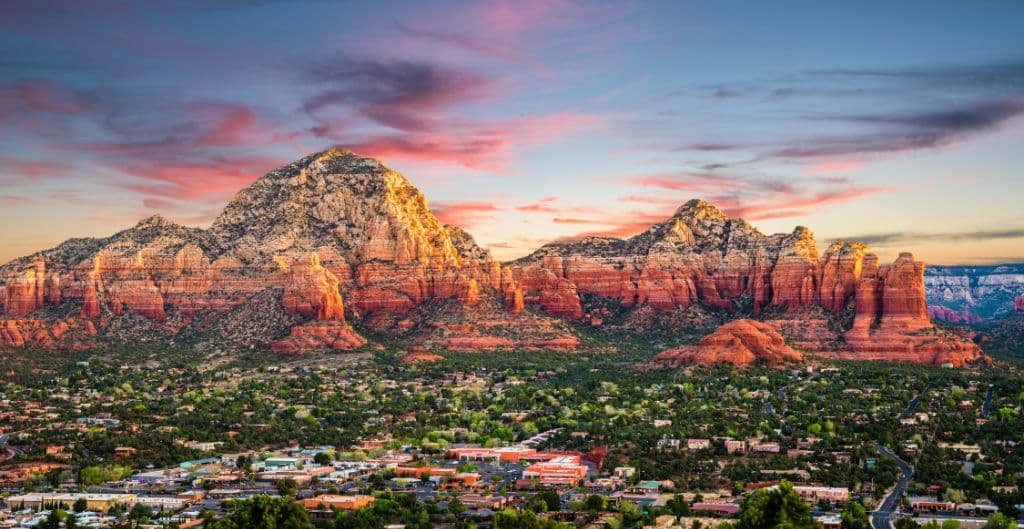
Sedona is a high-desert town in northern Arizona famous for its towering red rock formations, over 300 miles of hiking trails, and a globally recognized spiritual energy vortex system. Most visitors come for the outdoor adventure and the wellness scene, and you should plan at least three full days to cover the core hikes, Uptown galleries, and a jeep tour without rushing.
I first drove into Sedona on Highway 179 at sunset, and I nearly drove off the road. The rocks glow like they are internally lit. Chidi, our logistics lead from Abuja, joined me on that trip and spent the first two hours just staring at Bell Rock from the car park. This is not a place you just check off a list.
This guide is built from multiple trips, mistakes, trailhead parking disasters, and one very memorable sound bath. I will walk you through the real Sedona, the one behind the polished tourism brochures.
Jump to: Vortexes Explained | Best Hikes | Cost Breakdown | Where to Stay | Best Time to Visit | Food Guide | FAQs
Key takeaways
- You cannot do Sedona without a car. Uber and Lyft exist but are unreliable for early morning trailhead access.
- Parking at Cathedral Rock and Devil’s Bridge trailheads fills before 7:30 AM on weekends. Use the free shuttle when available.
- A Red Rock Pass or America the Beautiful pass is mandatory at most trailheads. Buy it at the visitor center, not at the trailhead.
- Uptown Sedona is tourist chaos. West Sedona and the Village of Oak Creek offer better value lodging and quieter dining.
- The vortex energy is a subjective experience. Whether you feel it or not, the sunrise views from Airport Mesa are objectively stunning.
- Monsoon season in July and August brings sudden, dangerous flash floods. Check the forecast and never enter a slot canyon when rain is predicted.
What Are the Sedona Vortexes, and Which One Should You Visit First?
A vortex is a place where the earth’s energy is said to be amplified. Sedona has four main vortex sites. I arrived as a complete skeptic. Fatima, our wellness correspondent, convinced me to sit quietly at the base of Bell Rock for twenty minutes.
I did not levitate, but the persistent knot in my shoulder that had been there for three months loosened significantly. I cannot explain it scientifically, and that is exactly the point.
Airport Mesa (Upflow)
Best for: Sunrise and first-time skeptics. The vortex is right off the parking area. No long hike required. The energy here is described as masculine and electric. I sat here at dawn, and even the most cynical person in our group admitted the view shifted something in him.
Cathedral Rock (Feminine)
Best for: Reflective solo hikes. The vortex is at the saddle between the rock spires. The trail is short but steep. This energy is described as nurturing and calming. Fatima recommends bringing a journal and a flask of tea.
Bell Rock (Balanced)
Best for: Families and casual visitors. You do not have to summit to feel the effect. The base area has strong reported sensations. This is a combined masculine and feminine energy site.
Boynton Canyon (Balanced)
Best for: A half-day hike with a secluded endpoint. The vortex sits near the end of the canyon trail. The mix of high red walls and pine forest creates a distinct microclimate. This is the quietest of the four main sites.
Chidi’s honest take: “I thought vortex hunting was marketing nonsense. Then I took my shoes off and stood on Airport Mesa barefoot at 6:15 AM. My hands started tingling. Maybe it was the altitude. Maybe it was the coffee. But I stayed for an hour.”
Which Sedona Hikes Are Actually Worth Your Time?
Over 300 miles of trail weave through the red rock. I have walked enough of them to know which ones deliver the payoff and which ones are just dusty switchbacks. Here is the shortlist that matters.
Devil’s Bridge
Difficulty: Moderate. 4.2 miles round trip. The largest natural sandstone arch in the area. Arrive at the trailhead by 7:00 AM, or you will wait an hour in line just to step onto the bridge for a photo.
Cathedral Rock Trail
Difficulty: Strenuous but short. 1.2 miles round trip. A near-vertical scramble up a red rock cleft. Not for anyone with knee problems. The reflection pool at the base near Oak Creek is the real reward for photographers.
West Fork Trail
Difficulty: Easy. 6.4 miles out and back. Follows a creek through a shaded canyon with thirteen creek crossings. The only hike that stays cool in July. This is in Oak Creek Canyon, not central Sedona.
You will need a Red Rock Pass for most trailheads. Buy it at the Sedona Visitor Center or automated kiosks for $5 per day. The America the Beautiful annual pass works as well. Do not skip this. Fatima got ticketed at the Bell Rock parking lot, and the fine was not worth the five-dollar pass.
What Does a Trip to Sedona Actually Cost?
The official tourism sites never talk numbers. Here is what our team spent across three different budget levels per person per day in peak spring season:
Jeep tours like Pink Jeep run from $100 to $180 per adult. A sound bath session costs between $30 and $60. A decent dinner with a glass of wine at Elote Cafe will run you $50 per person if you order the lamb adovada. Search for hotel packages that bundle tours on Expedia.
Where Should You Stay in Sedona?
Sedona splits into three distinct zones. Your choice here dictates your entire trip rhythm.
Uptown Sedona
Walkable to shops and galleries. Overpriced and loud on weekends. Good for a first-time visit if you refuse to drive. Parking is a nightmare. Stay at the Matterhorn Inn if you want a balcony facing the rocks and can tolerate the traffic noise.
West Sedona
Where locals live. Quieter, cheaper, and closer to trailheads like Devil’s Bridge and Soldier Pass. This is where we base ourselves. The grocery stores are here, and the dinner spots take reservations. Look at the Arabella Hotel for excellent red rock views from the fire pits.
Village of Oak Creek
South of the main town, ten minutes from Bell Rock and Courthouse Butte. Resort-heavy and peaceful. Ideal for a golf-and-spa trip. The Hilton Sedona at Bell Rock runs decent off-season packages. Find your ideal accommodation on Booking.com to compare the three areas by map.
When Is the Best Time to Visit Sedona?
Sedona sits at 4,350 feet of elevation. It gets snow in winter and triple-digit heat spikes in July. The shoulder months are the sweet spot.
March – April
Wildflowers bloom. Spring break crowds peak. Book lodging 90 days out. High 60s to 70s Fahrenheit.
May – June
Dry heat begins. The best two months for clear skies and manageable trailhead parking. Our preferred window.
July – August
Monsoon season. Sudden afternoon flash floods. Start hikes at dawn. The red rock glows wet after the rain.
September – November
Fall colors in Oak Creek Canyon. Perfect hiking temps. Second booking peak. Do not skip November.
Sedona vs. Flagstaff vs. Scottsdale: Which Arizona Town is Right for You?
Many travelers split their Arizona trip. Flagstaff sits 45 minutes north and is at 7,000 feet with a college town vibe and pine forests. It is cooler, cheaper, and not a luxury destination. Scottsdale is a desert resort city with spas and golf, totally different from the red rock mysticism of Sedona. If you want hiking and vortex energy, pick Sedona. If you want to escape heat, pick Flagstaff. If you want poolside service and a Maybach dealership next to your hotel, Scottsdale wins. Chidi combines Sedona and Flagstaff into one road trip loop and uses Kayak to price open-jaw flights into Phoenix and out of Flagstaff.
What Are the Best Day Trips from Sedona?
Jerome Ghost Town
40 minutes southwest. A copper mining town turned artist colony perched on a cliff. The haunted hospital tour is genuinely creepy. Go for lunch at the Haunted Hamburger.
Slide Rock State Park
15 minutes north in Oak Creek Canyon. A natural red rock water slide. Frigid water even in July. Go on a weekday or do not go at all. The parking lot closes by 10:00 AM on summer weekends.
Grand Canyon South Rim
A two-hour drive. Leave Sedona by 5:00 AM to beat the tour buses. The views from Mather Point are worth the early alarm. Check tour availability on GetYourGuide for guided day trips.
Where Should You Actually Eat in Sedona?
The Uptown strip serves overpriced pizza and fudge. Drive to West Sedona or the Village of Oak Creek for the real food.
Elote Cafe
The lamb adovada is the single best dish in town. They do not take reservations, and the wait is two hours by 5:30 PM. Order a margarita from the host stand and sit in the parking lot. It is worth it.
Mariposa
Latin-inspired fine dining with floor-to-ceiling views of the red rocks at sunset. The empanadas are flawless. Reserve a table on the patio three weeks in advance. This is where you book a celebratory dinner.
Indian Gardens Cafe
A local breakfast spot in Oak Creek with a shaded garden patio. The breakfast burrito with house-made chorizo fuels a full morning of hiking. Much better than the long lines at the Uptown diners.
For honest restaurant reviews from actual diners, we always cross-check TripAdvisor before booking a table.
What Are the Best Sunrise and Sunset Photo Spots in Sedona?
Sunrise: Airport Mesa Scenic Lookout
The parking lot holds maybe fifteen cars. Arrive by 5:45 AM in spring. You will watch the sun hit Courthouse Butte from behind, and the whole valley turns orange in layers. Bring a tripod and a thermos.
Sunset: Cathedral Rock Reflection Pool
Park at the Crescent Moon Picnic Area. Walk five minutes to Oak Creek. The reflection of Cathedral Rock in the still water is the most famous Sedona photograph. The light peaks about twenty minutes before the sun drops behind the ridge.
Midday: Devil’s Bridge
The arch photographs best when the sun is overhead and eliminates shadows on the rock face. Expect a queue of people waiting to walk onto the bridge for their shot.
What No One Tells You About Visiting Sedona
Fatima has compiled the gripes that repeat across every group chat:
- Trailhead parking is a blood sport. If you arrive at Cathedral Rock after 8:00 AM on a Saturday, you are not parking there. Use the free Sedona Shuttle from the Park and Ride lots.
- The jeep tours are bumpy. Pink Jeep’s Broken Arrow tour is famous for a reason, but if you have back problems, request a front seat or skip it entirely.
- Tlaquepaque is a mall. It is a beautiful Spanish-style shopping village, but it is still a mall. Go for the architecture, not the retail bargains.
- Uptown is a traffic jam. The main drag through Uptown Sedona backs up for a mile on holiday weekends. Park once and walk.
- The vortex gift shops sell the same incense. You do not need to visit every single crystal store. Pick one on your way out of town.
Frequently asked questions
Do I need a car in Sedona?
Yes. Sedona is not walkable between the three main areas. Rideshare services exist but are sparse for early morning trailheads. Rent a car at Phoenix Sky Harbor Airport and drive the two hours north.
What is a Red Rock Pass and where do I buy one?
A Red Rock Pass is a daily or weekly parking permit required at most trailheads in the Coconino National Forest around Sedona. Buy it at the Sedona Visitor Center, at automated kiosks at popular trailheads, or online before you arrive. The daily pass costs $5.
How many days do I need in Sedona?
Three full days is the minimum to cover two major hikes, one vortex site, a jeep tour, and an evening in Uptown. Five days allows for a day trip to the Grand Canyon or Jerome without feeling rushed.
Is Sedona good for kids?
Yes, but the hikes are not stroller-friendly. Bell Rock and the West Fork Trail work well for children who can walk for two miles. Slide Rock State Park is the highlight for kids under twelve.
What is the closest airport to Sedona?
Flagstaff Pulliam Airport is 45 minutes away but has limited flights. Phoenix Sky Harbor International Airport is a two-hour drive and is the primary entry point for most visitors. Las Vegas is a four-hour drive.
Can you feel the vortex energy if you are a skeptic?
Many skeptics report physical sensations like tingling hands or a warmth in the chest at Airport Mesa and Bell Rock. If you feel nothing, the view alone justifies the visit. Go with an open mind and no expectations.
Plan your trip: booking platforms we trust
The WakaAbuja team has coordinated Sedona trips for groups of two to twelve people. These platforms consistently offer the most reliable inventory and transparent cancellation terms for this region.