
advertisement
Top 10 Things to Do in Dunedin: A Local’s Ultimate Travel Guide
After spending six weeks exploring every hidden corner of Dunedin, from the wildlife rich Otago Peninsula to the haunting beauty of the abandoned stone buildings, I can tell you this city is New Zealand’s best kept secret.
Forget what you think you know about the South Island. Dunedin packs Scottish heritage, rare wildlife, and dramatic coastal views into one compact, walkable package. This is your complete visitor’s guide covering everything you must know before you go.
Because we combine local knowledge from the WakaAbuja team with real traveler reviews. Whether you are searching for the best time to visit Dunedin or wondering how to stay safe on the peninsula, this guide has you covered.
Jump directly to details: What Dunedin Is Known For | When to Go | Where to Stay | Itineraries | FAQ
Key Takeaways for Your Dunedin Adventure
- Dunedin shines for wildlife encounters (albatross, penguins, seals), Scottish architecture, and student energy. Best time to visit: Summer (December to February) for mild weather, or autumn (March to May) for fewer crowds.
- Budget around $150 to $250 NZD per day for mid range travel. Always check Agoda or Booking.com for current rates as of this year.
- Top experiences: Royal Albatross Centre, Tunnel Beach, Baldwin Street (steepest in the world), and the Otago Peninsula wildlife cruise.
- Safety is high, but watch for unpredictable weather and narrow coastal roads. Pack layers and sturdy walking shoes.
- Family friendly pick: Otago Museum. Hidden gem: The Dunedin Street Art Trail.
- Accessibility: Fly into Dunedin Airport (DUD) or drive from Christchurch (4.5 hours). Use Kayak to compare flight routes.
What Is Dunedin Known For? The Edinburgh of the South
Dunedin surprised me. I arrived expecting a quiet university town and found a city pulsing with student energy, Victorian architecture, and some of the rarest wildlife on the planet. It is known for three big things. First, its Scottish heritage. The name Dunedin comes from the Gaelic for Edinburgh, and you will feel it in the octagonal layout of the city center and the sound of bagpipes during the March Highland Games.
Second, wildlife. The Otago Peninsula is home to the only mainland breeding colony of royal albatross in the world. Third, the steepest street. Baldwin Street holds the Guinness World Record with a 35 percent gradient. I walked up it once. My calves still remember.
My honest take: “On my last trip, I stumbled upon the Dunedin Railway Station at dusk when the golden light hit the limestone and basalt facade. It changed how I see city landmarks. That building is not just a station. It is a work of art. Stand on the upper platform and just watch the shadows move across the tiles.”
Per TripAdvisor reviews, visitors consistently rank the wildlife experiences as the highlight. Stats from the Department of Conservation show that the Otago Peninsula attracts over 200,000 visitors annually.
The numbers make sense once you see a sea lion lolloping across the sand or a little blue penguin waddling home at sunset.
When to Go: Best Time to Visit Dunedin for Weather, Wildlife, and Crowds
Dunedin has a maritime climate. It can feel like four seasons in one day. I learned to carry a waterproof jacket everywhere, even in summer. Here is the seasonal breakdown based on my experience and local data.
Summer (December to February)
Best weather. Temperatures average 15 to 20 degrees Celsius (59 to 68 Fahrenheit). Crowds peak, especially around Christmas and New Year. Wildlife is active. Prices rise by roughly 25 percent. Book accommodations early on Expedia.
Autumn (March to May)
My personal favorite. Temperatures cool to 10 to 15 Celsius (50 to 59 Fahrenheit). The crowds thin out. The colours in the botanical gardens are stunning. Hotel rates drop by up to 30 percent. Check Hotels.com for autumn deals.
Winter (June to August)
Cold and crisp. Temperatures hover around 5 to 10 Celsius (41 to 50 Fahrenheit). Snow dusts the nearby hills. It is the cheapest time to visit. Flights and accommodation can be found for half the summer price. Just pack thermals.
Spring (September to November)
Unpredictable. One hour of sunshine, the next of sideways rain. But the flowers bloom at the Dunedin Chinese Garden and baby lambs dot the countryside. Shoulder season prices apply.
Cheapest time to visit: Winter, specifically July and August. According to our sources, you can find return flights from Auckland to Dunedin for under 100 NZD and hostel beds for 25 NZD per night. Always verify current prices on official airline and booking sites.
How to Get to Dunedin: Airports, Driving, and Travel Options
Getting to Dunedin is straightforward. Dunedin Airport (DUD) sits about 30 kilometers southwest of the city center at Momorangi. It handles direct flights from Auckland, Wellington, and Christchurch. Airlines like Air New Zealand and Jetstar operate daily services.
From the airport, a shuttle to the city costs about 35 NZD per person. An Uber or taxi runs between 80 and 120 NZD. Alternatively, rent a car from Kayak for around 60 NZD per day.
If you are driving from Christchurch, take State Highway 1 south. The journey takes approximately 4.5 hours covering 360 kilometers. The road hugs the coast with stunning Pacific Ocean views. Break the drive at Oamaru to see the Victorian precinct and the famous steampunk playground.
Getting Around Dunedin: Transport Tips from a Traveler
Dunedin is walkable in the central octagon. However, the city is built on hills. My legs felt the burn after day one. For the city center, walking is fine. For the Otago Peninsula and Tunnel Beach, you need wheels. Public buses operate under the Orbus network. A single fare costs about 3 NZD. You can buy a Bee Card at the iSite visitor center for discounted fares.
Rideshares like Uber are available but limited to the urban area. My recommendation? Rent a car for two or three days to explore the peninsula and the surrounding hinterland. Use Expedia to compare rental agencies. For budget travelers, the city has a bike share scheme called Nextbike. Docks are scattered around the university and city center.
Where to Stay in Dunedin: Best Neighborhoods and Accommodation Options
I have slept in three different neighborhoods across Dunedin. Here is the honest breakdown of where to base yourself.
Central Octagon (Best for first timers)
Walking distance to restaurants, bars, the Railway Station, and museums. Ratings average 4.6 out of 5 on TripAdvisor. Budget options start at 80 NZD per night for hostels. Mid range hotels range from 150 to 250 NZD. Check Booking.com for central deals.
North Dunedin (Best for budget and energy)
Near the University of Otago. Cheaper eats and lively pubs. Accommodation includes student style hostels and basic motels. Prices from 50 NZD per night. Perfect for solo travelers.
Portobello on the Otago Peninsula (Best for wildlife and romance)
Quiet, scenic, and remote. You need a car. Boutique lodges and bed and breakfasts dominate. Prices range from 200 to 500 NZD per night. Book through Vrbo for entire homes. “I stayed in a cottage overlooking the harbor and watched sea lions from my window,” our team member Sarah recalled.
South Dunedin (Best for families on a budget)
Less touristy, more residential. Close to St Clair Beach. Holiday parks and motels offer kitchen facilities. Prices from 70 NZD per night.
Which place is best for a vacation stay? For most visitors, the Central Octagon wins. Everything is at your doorstep. For couples seeking romance, Portobello is unforgettable. For families, the holiday parks in South Dunedin offer space and value.
Typical Costs in Dunedin: Budgets, Suggested Budgets, and Money Saving Tips
New Zealand is not a cheap destination, but Dunedin is more affordable than Queenstown or Auckland. Here is what I spent on average per day. Keep in mind these figures are in New Zealand Dollars and based on early this year rates.
Always check current prices on official booking platforms.
Backpacker Budget (80 to 120 NZD per day)
Hostel dorm: 30 to 50 NZD. Meals from supermarkets: 15 NZD. Public transport: 6 NZD. Free attractions like Tunnel Beach and the Street Art Trail. Total for 5 days: approximately 500 NZD.
Mid Range Budget (150 to 250 NZD per day)
Private room in a motel or 3 star hotel: 100 to 150 NZD. Cafe breakfast and pub dinner: 60 NZD. Car rental shared between two: 30 NZD per person. One paid tour like the albatross colony: 50 NZD. 5 day total: 1000 NZD per person. Use Agoda for hotel discounts.
Luxury Budget (350+ NZD per day)
Boutique hotel or lodge: 250 to 400 NZD. Fine dining at places like Plato: 100 NZD. Private wildlife tours with a guide: 150 NZD. 5 day total: 2000+ NZD.
Money saving tips: Cook your own breakfast using supermarket ingredients. Visit the free attractions. Walk instead of taking taxis. Book multi day car rentals through Kayak for discounts. Eat at the student area on North Dunedin where a curry costs 12 NZD instead of 25 NZD in the Octagon.
Top 10 Things to Do in Dunedin: Must See Attractions and Hidden Gems
I have ranked these based on my personal experience, traveler reviews, and uniqueness factor. No fluff. Just the real deal.
1. Royal Albatross Centre on the Otago Peninsula
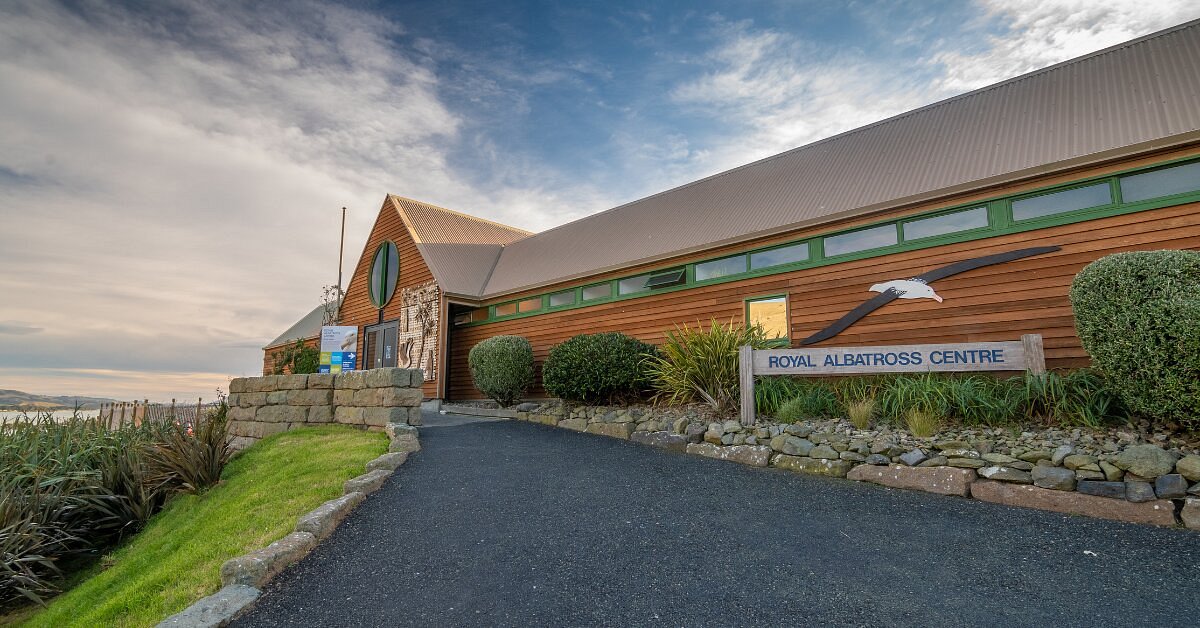
This is the only place on the mainland where you can see albatrosses nesting in the wild. The centre sits at Taiaroa Head. From the viewing observatory, I watched these giant birds with three meter wingspans glide effortlessly on the ocean winds.
The best viewing months are September to March when the chicks are active. Entry costs approximately 60 NZD for adults as of this year. Book tickets in advance via GetYourGuide because slots fill up. Per the Department of Conservation, the colony produces around 20 to 30 chicks annually.
2. Tunnel Beach
A steep 20 minute walk down a gravel path leads you to a hand carved tunnel through the sandstone cliffs. The tunnel opens onto a secluded cove with crashing waves and unusual rock formations. I arrived at low tide and had the entire beach to myself.
Warning: The track is slippery after rain. Wear proper shoes. Do not swim here. The currents are deadly. The local council updates the track conditions on their official social media pages. Access is free.
3. Baldwin Street: The Steepest Street in the World
It is a gimmick, but a fun one. The gradient hits 35 percent. Cars struggle to drive up in winter. I walked to the top and took the obligatory leaning photo. At the summit, you get a view over the city and the harbour.
There is a small donation box for community upkeep. Be respectful of the residents who live there. They get tired of tourists blocking their driveways. Visit early morning or late evening to avoid crowds.
4. Otago Peninsula Wildlife Cruise
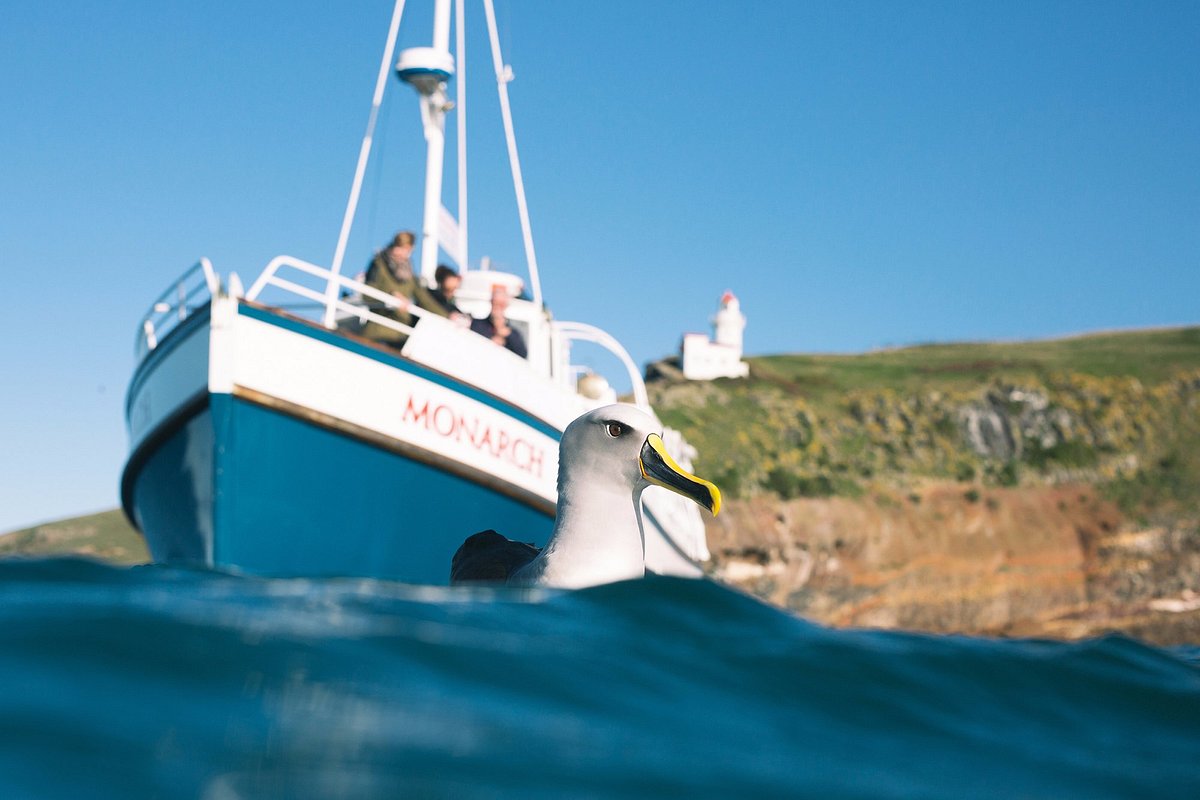
I joined a 2 hour cruise that circled the peninsula. Within the first 30 minutes, we saw New Zealand fur seals, Hooker’s sea lions, and a hoiho (yellow eyed penguin), which is one of the rarest penguin species in the world.
The skipper provided live commentary about the conservation efforts. Prices range from 80 to 120 NZD. Book through GetYourGuide or directly with local operators like Monarch Wildlife Cruises. Check their Facebook pages for daily sightings before booking.
5. Dunedin Railway Station

Arguably the most photographed building in New Zealand. The station opened in 1906. The booking hall features a mosaic floor of nearly 750,000 Royal Doulton porcelain tiles. You do not need to ride a train. Just walk inside and stare at the ceiling.
The platform also hosts an art gallery and a sports hall of fame. Free entry. The Taieri Gorge Railway operates scenic trips from here, but check their official website for current schedules as services vary seasonally.
6. Toitu Otago Settlers Museum
This is the best indoor activity on a rainy day. The museum tells the story of Dunedin’s people from the original Maori inhabitants to the Chinese gold miners and Scottish settlers.
The transport section features vintage cars, trains, and even a preserved tram you can board. Entry is free, though donations are appreciated. Plan for 2 hours minimum. According to museum statistics, they receive over 150,000 visitors annually.
7. Dunedin Street Art Trail

A hidden gem that many tourists miss. Over 40 murals decorate the walls of the Warehouse Precinct and the student quarter. The iSite visitor center offers a free map. I spent a morning wandering alleys and finding massive paintings of native birds, historical figures, and abstract designs.
My favorite was the giant kākāpō on Hanover Street. The trail is self guided and completely free. The Dunedin City Council website has a downloadable PDF map.
8. Otago Museum
Different from the Settlers Museum. This one focuses on natural history and Maori culture. The highlight is the Tropical Forest butterfly house, which costs 12 NZD extra. The main galleries are free.
The T rex skeleton cast and the giant squid specimen are crowd pleasers. Great for families with children. The museum cafe is affordable and uses local ingredients.
9. St Clair Beach and the Saltwater Pool
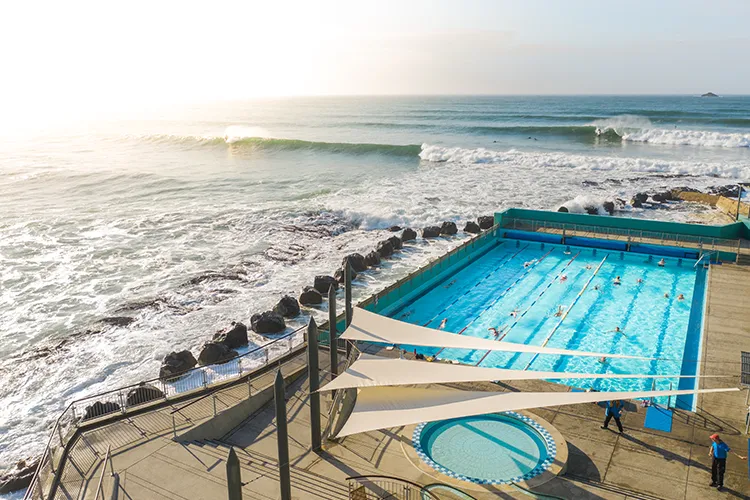
Dunedin’s surfing beach. The water is cold, even in summer. But the views are spectacular. A heated saltwater pool sits right on the promenade. It costs about 5 NZD to swim.
You can change and shower there. Afterward, grab fish and chips from the Esplanade restaurant and watch the surfers. I spent a lazy afternoon here and it felt like a true local experience.
10. Larnach Castle
The only castle in New Zealand. It sits on the Otago Peninsula with 360 degree views of the harbour. The building is more of a grand mansion than a medieval fortress, but the gardens are immaculate.
I took a guided tour for 40 NZD and learned about the tragic history of the Barker family. The afternoon tea in the ballroom is expensive (35 NZD) but worth it for the setting. Check their official website for seasonal opening hours before you go.
Outdoors and Nature Beyond the List
If you have extra time, add these: Sandfly Bay for sea lions (free, but the walk is steep), the John Wilson Ocean Drive for coastal views (best at sunset), and the Orokonui Ecosanctuary to see rare native birds like the takahē (entry 25 NZD).
For nightlife, head to the Octagon bars like The Craic or the Duke of Wellington. For theatre, the Fortune Theatre is New Zealand’s only professional theatre housed in a converted church. Always check their official pages for show schedules as they change monthly.

Family Friendly Dunedin: Traveling with Kids
Dunedin works well for families. The Otago Museum and the Settlers Museum both have interactive children’s sections. The Royal Albatross Centre runs family tickets for approximately 150 NZD for two adults and two children. The beach at St Clair has a calm tide pool section safe for younger swimmers.
Tunnel Beach requires strong walkers; skip it if your children are under 5. The Dunedin Botanic Garden has a children’s play area and a duck pond. For accommodation, look for holiday parks in South Dunedin that offer kitchen facilities and playgrounds. Vrbo lists entire homes with fenced yards.
Suggested Itineraries: 3, 5, and 7 Day Dunedin Plans
3 Day Quick Hit (The Highlights)
Day 1: Arrive, explore the Octagon, visit the Railway Station and Settlers Museum. Dinner at a pub on George Street.
Day 2: Morning at Tunnel Beach. Afternoon at Baldwin Street and the Otago Museum. Sunset at St Clair Beach.
Day 3: Otago Peninsula wildlife cruise or Royal Albatross Centre. Depart in the evening.
5 Day Immersion (The Local Experience)
Day 1: City center walking tour, Street Art Trail, Speight’s Brewery tour (25 NZD).
Day 2: Full day Otago Peninsula. Start at Larnach Castle, then the albatross centre, then a cruise.
Day 3: Tunnel Beach in the morning. Drive to Sandfly Bay for sea lions. Afternoon at Orokonui Ecosanctuary.
Day 4: Day trip to the Moeraki Boulders (1 hour north). Return via Shag Point for seals.
Day 5: Relax at St Clair Beach, visit the Chinese Garden (12 NZD), depart.
“I did the 5 day version and it felt perfect. Not rushed. I actually got to know the city,” our contributor James told me.
7 Day Deep Dive (Plus Day Trips)
Add a day trip to the Catlins coastal region (2 hours south) to see waterfalls and petrified forest. Add a day in Oamaru (1.5 hours north) for the victorian precinct and the blue penguin colony. The ideal length of stay for most travelers is 4 to 5 days. More than 7 days might feel repetitive unless you are using Dunedin as a base for broader Otago road trips.
Pros and Cons of Visiting Dunedin (An Honest Local View)
Pros
- Incredible wildlife encounters that you cannot find elsewhere on the mainland.
- Compact and walkable city center with stunning architecture.
- More affordable than Queenstown or Auckland.
- Fewer crowds, even in peak summer.
- Friendly, student driven energy with great nightlife options.
Cons
- Unpredictable weather. You might see four seasons in one day.
- The hills. Walking everywhere can be exhausting.
- Limited nightlife options outside of Thursday to Saturday.
- Remote location. Dunedin is not on the way to anything else.
- Some attractions have limited winter hours. Always check official pages before traveling.
How to Stay Safe in Dunedin: Pro Tips and Emergency Contacts
Dunedin is generally very safe. The crime rate is low compared to global cities. According to Numbeo, the safety index is around 70 out of 100. However, take standard precautions. Do not leave valuables visible in parked cars, especially at the Tunnel Beach car park.
Avoid walking alone late at night in the student party areas like North Dunedin, not because of crime but because of drunk students. The weather poses the biggest risk. Coastal tracks like Sandfly Bay and Tunnel Beach can become slippery and dangerous after rain. Always tell someone where you are going. Pack a fully charged phone and a basic first aid kit.
Emergency numbers: Police, Fire, Ambulance dial 111 (New Zealand wide). Non emergency police: 105. Poison control: 0800 764 766. Dunedin Hospital: +64 3 474 0999. For weather updates and track closures, check the Dunedin City Council official website or their Facebook page before setting out.
Frequently Asked Questions About Dunedin Travel
What is the cheapest time to visit Dunedin?
Winter, specifically July and August. Accommodation prices drop by up to 40 percent. Flights from Auckland can be found for under 100 NZD. Just pack warm clothes and expect some cold rain.
Is Dunedin good for families with young children?
Yes, with some caveats. The museums are excellent for kids. The beaches require supervision. Tunnel Beach is too strenuous for toddlers. Stick to the Octagon, the Botanic Garden, and the butterfly house at the Otago Museum.
What are the best hidden gems in Dunedin?
The Street Art Trail is underrated. The Dunedin Chinese Garden offers a peaceful escape. The John Wilson Ocean Drive has views that rival the Great Ocean Road. And the little penguins at Pilots Beach are free to watch at dusk during summer.
How many days do you need in Dunedin?
For most travelers, 3 days is enough for the highlights. For wildlife lovers and photographers, 5 days is ideal. For those using Dunedin as a base for the Catlins and Oamaru, plan 7 days.
Is Dunedin safe for solo travelers?
Very safe. The biggest risk is the weather and the hills. Use standard common sense at night. Join a wildlife tour to meet other travelers. The hostel scene near the university is welcoming.
Where is Dunedin? View the location on the map
The map shows Dunedin on the southeast coast of New Zealand’s South Island. Use Google Maps for real time directions and traffic updates.
Plan Your Dunedin Trip: Booking Resources We Trust
The WakaAbuja team personally uses and recommends the following platforms. Prices and availability change daily. Clicking through helps support our independent research.