
Discover expert tips, where to stay, how to get around, suggested budgets, and tours that bring this compact country alive.
Jump directly to Things to See and Do
Why Visit El Salvador: A Diverse Adventure Awaits
El Salvador might be Central America’s smallest country, but its offerings pack a big punch. From pristine Pacific beaches ideal for surf enthusiasts to towering volcanoes that challenge adventurers, plus vibrant towns where history and culture flourish, this destination delivers experiences for every traveler.
Planning ahead with insights into local culture, safety, budget, and transportation is key to making the most of your visit.
Must-See Attractions and Activities in El Salvador
Ride World-Class Waves at Surf City
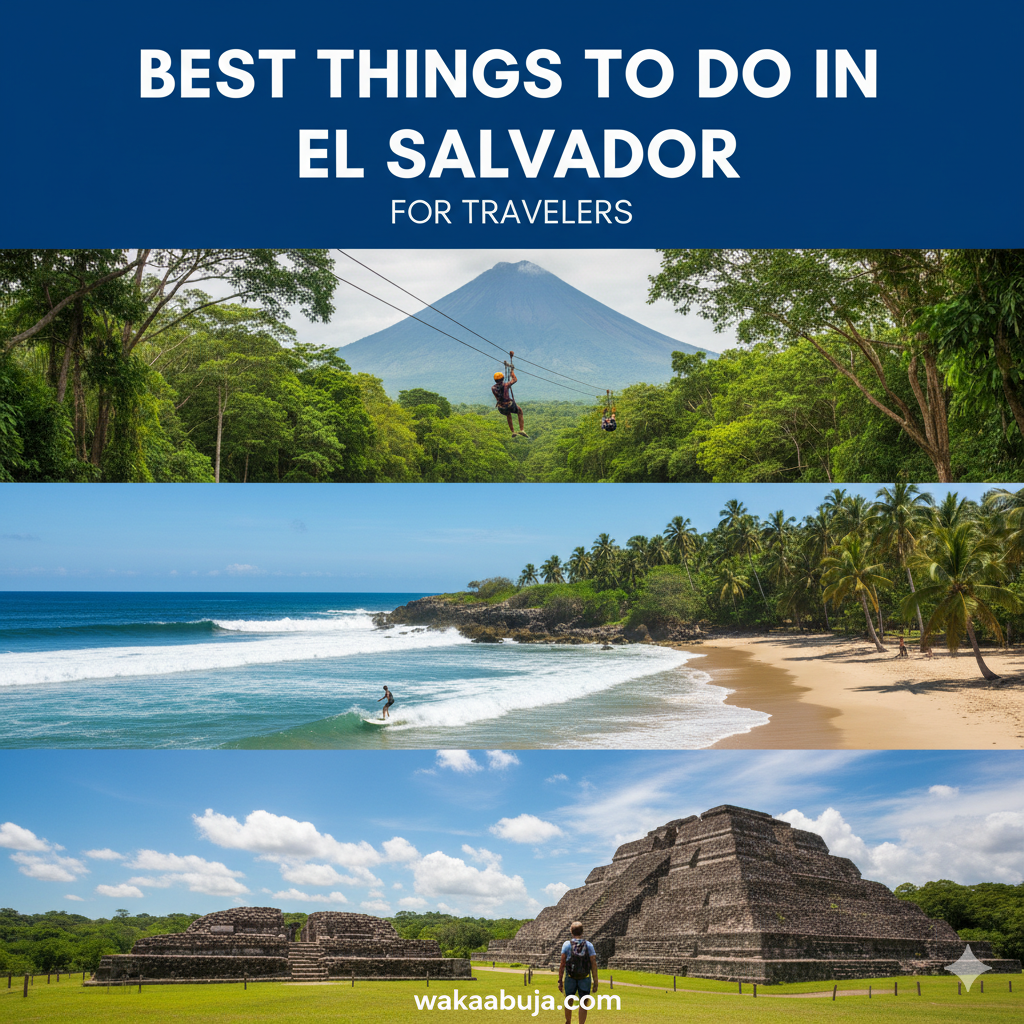
El Salvador’s Pacific coast—especially around El Tunco and El Zonte—boasts some of the world’s best surf spots with consistent waves for all skill levels. This area is loved for its laid-back vibe, black sand beaches, and vibrant nightlife with live music and local eateries. I remember catching a sunset wave at El Tunco that changed my whole appreciation of Central American surf culture.
Hike the Majestic Santa Ana Volcano
The Santa Ana Volcano (Volcán Ilamatepec) hike is a rewarding challenge that takes around 4 hours roundtrip. The trail transitions through a cloud forest, shrubland, and volcanic terrain, culminating in the stunning turquoise crater lake with panoramic views of Izalco Volcano and even the Pacific Ocean on clear days. This trek is one of the most memorable experiences I’ve had in El Salvador—breathtaking and humbling.
Explore the Ancient Mayan Ruins of Tazumal
Delve into history with a visit to Tazumal, an archaeological site showcasing well-preserved Mayan pyramids, plazas, and artifacts. Exploring this site helped me connect deeply with the pre-Columbian culture, offering a quiet contrast to the country’s natural thrills.
Experience the Thrilling Sky Biking at Apaneca
Cafe Albania’s sky bike is a unique activity that lets you pedal across suspended cables with lush coffee plantations below—a perfect mix of adrenaline and scenic beauty. It’s an exciting highlight I recommend adding to your itinerary for adventure and photo ops.
Relax at Lake Coatepeque and Discover Water Sports
This stunning crater lake near Santa Ana offers opportunities for swimming, kayaking, and lakeside dining. It’s an ideal spot to unwind after a day of hikes or sightseeing. The vibrant atmosphere and beautiful views are unforgettable.
Where to Stay in El Salvador
Cinco Hotel B&B, San Salvador
A boutique B&B located in a trendy neighborhood offering luxury and comfort, with artistic flair and close proximity to cafes and shops—a quiet sanctuary after city exploration.
The Coffee Garden Hostel, Santa Ana
A budget-friendly, social hostel nestled amidst coffee plantations. It’s perfect for backpackers or travelers seeking a lively atmosphere and comfortable dorm or private rooms.
Casa 1800 Suchitoto
A charming boutique hotel in a colonial home overlooking Lake Suchitlan. It blends traditional and contemporary styles, offering an exceptional terrace view and a rustic yet elegant experience.
Typical Travel Costs and Budgeting in El Salvador
Expect to spend approximately $30 to $50 USD per day on a budget trip including accommodation in hostels, local meals, and public transport. Mid-range travelers can budget $60 to $100 USD daily for boutique hotels, guided tours, and occasional dining out. Daily tours like the Santa Ana volcano hike typically cost around $85 to $135 USD depending on group size and included services.
Public transportation costs are incredibly affordable, with intercity bus rides priced between $2 to $5 USD. Staying longer allows you to explore at a relaxed pace while saving money on transport and meals.
Getting Around El Salvador: Tips and Transport Options
Local buses connect major towns and cities, though schedules can be informal, so flexibility is key. For city travel, ridesharing apps and taxis are commonly used. San Salvador is undergoing modernization of its bus networks with a focus on electric fleets and cashless systems, promising smoother urban transportation in the near future.
For adventure seekers heading to beaches or volcanoes, hiring a car or joining guided tours is practical and more comfortable, offering greater freedom and time efficiency.
Best Time to Visit and Getting There
The dry season from November to April is ideal for outdoor activities including hiking, surfing, and exploring towns. The wet season (May to October) brings lush landscapes but also occasional travel interruptions.
El Salvador’s main airport is Monseñor Óscar Arnulfo Romero International Airport (SAL), with regular flights from major U.S. hubs like Los Angeles, Miami, and Houston. Booking flights early often leads to better deals and smoother connections.
Top Tours to Experience in El Salvador
Santa Ana Volcano Hiking Tour
A guided full-day trek through diverse ecosystems to the summit with panoramic views and crater lake access. Costs range from $85 to $135 USD per person, often including transport and park fees.
Joya de Cerén Archaeological Site Tour
Explore the UNESCO World Heritage pre-Hispanic village preserved by volcanic ash—a fascinating cultural experience to witness ancient daily life.
Coffee Plantation and Sky Bike Adventure
Enjoy the combination of cultural immersion with exciting sky biking across cable lines at Apaneca’s coffee farms, blending nature and adrenaline.
Essential Safety Tips for Travelers in El Salvador
While El Salvador generally welcomes tourists warmly, it’s important to exercise caution as petty crime exists. Avoid areas known for higher crime rates, especially at night, and always ask locals or hotel staff about current safe zones.
Stick to well-lit and populated areas, avoid walking alone after dark, and use reliable transportation options such as registered taxis or rideshare apps. Carry only necessary valuables and keep emergency contacts handy.
Pros and Cons of Visiting El Salvador
Pros
- Incredible surfing beaches with fewer crowds
- Stunning volcano hikes with spectacular views
- Rich cultural and historical sites
- Affordable travel costs
- Warm, welcoming locals and vibrant local cuisine
Cons
- Safety concerns require caution and local advice
- Public transport can be unreliable or confusing for first-timers
- Limited tourist infrastructure compared to larger countries
- Wet season weather may disrupt outdoor plans
Personal Travel Tips and Insights
From my time exploring El Salvador, I recommend arriving early for volcano hikes to avoid midday heat, always packing sturdy shoes and insect repellent. Don’t hesitate to engage with locals—they’re a treasure trove of knowledge and kindness. For money-saving, sample street food like pupusas, which are delicious and economical. Also, invest in travel insurance and carry a photocopy of your passport for peace of mind.
Frequently Asked Questions About Traveling to El Salvador
Is El Salvador safe for tourists?
While crime exists, the majority of tourists travel safely by following local advice, avoiding risky areas, especially at night, and using trusted transportation services.
What is the best time of year to visit El Salvador?
The dry season, from November to April, is ideal for exploring beaches and hiking volcanoes with minimal rain interruptions.
Do I need a guide to hike Santa Ana Volcano?
While you can hike independently if experienced, guided tours are recommended for safety, local insight, and transportation convenience.
How much should I budget for a trip to El Salvador?
Budget travelers can expect around $30-$50 per day, with mid-range options around $60-$100. Tours and accommodations vary depending on style and season.
What are the must-try local foods?
Pupusas, thick corn tortillas filled with cheese, beans, or meat, are El Salvador’s signature dish and a must-try at local markets and eateries.