
These 10 spots offer wildlife encounters, cultural immersion, and pristine nature, defining East Africa’s premier destination.
Key Takeaways:
- Serengeti hosts the Great Migration of 1.5 million wildebeest annually.
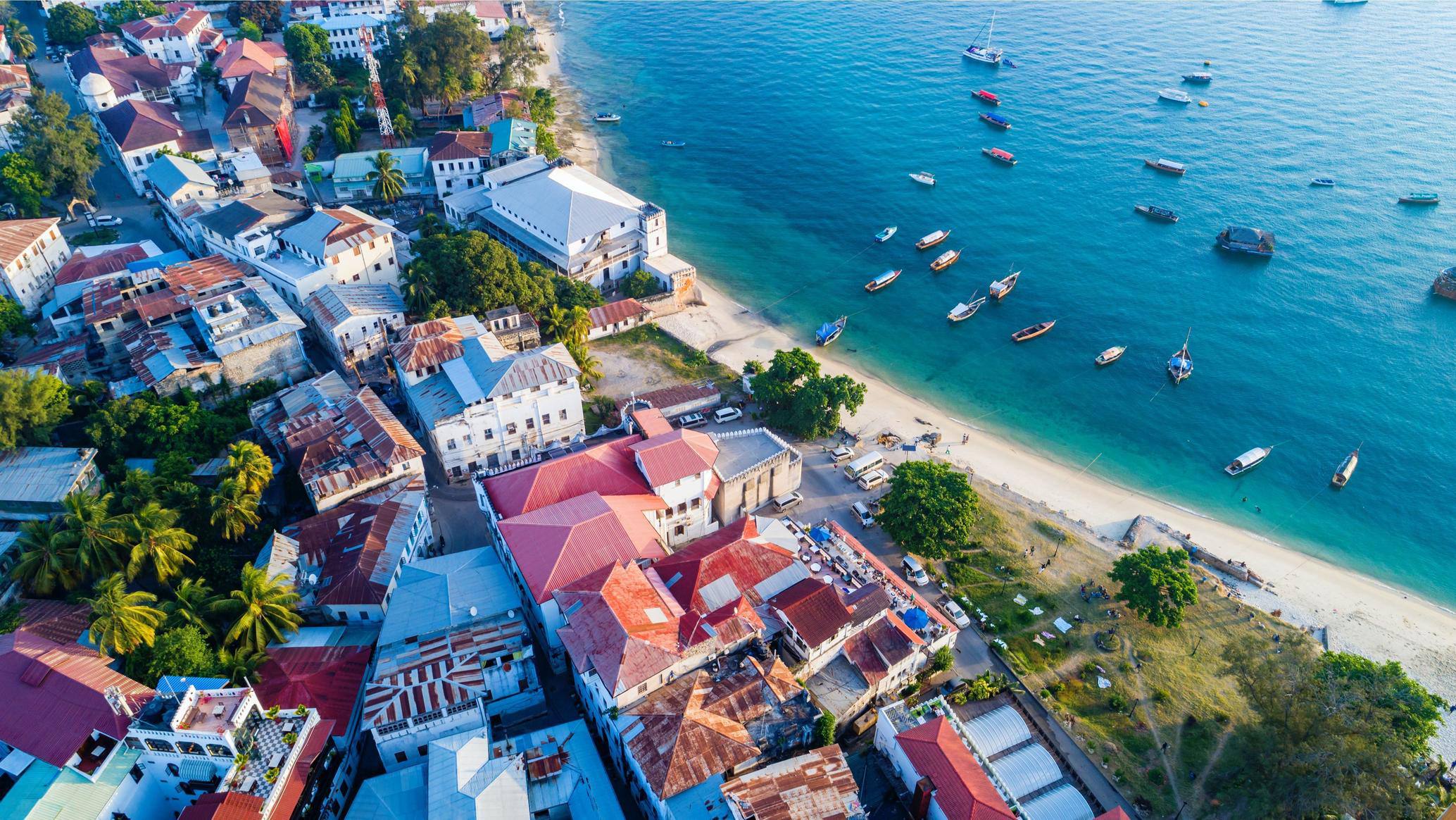
- Zanzibar’s Stone Town is a UNESCO site blending Arab, Indian, and African influences.
- Mount Kilimanjaro draws 50,000 climbers yearly to Africa’s highest peak.
- Plan safaris from June to October for peak wildlife viewing.
Essential Highlights Before You Dive In
I’ve trekked Kilimanjaro’s slopes, witnessed Serengeti’s endless plains at dawn, and lounged on Zanzibar’s spice-scented shores. Tanzania blends raw adventure with serene escapes, welcoming over 1.5 million visitors yearly who leave transformed. Focus on these for maximum impact: epic wildlife migrations, cultural depth, and beaches rivaling the Maldives.
Why Tanzania Tops My Travel Bucket List
Picture this: I stood on Serengeti’s horizon as a million wildebeest thundered past, dust clouds rising like ancient spirits. That’s Tanzania, a land where nature’s drama unfolds daily. Home to 17 national parks covering 42,000 square kilometers, it safeguards 20 percent of Africa’s large mammals. Whether chasing the Big Five or unwinding on coral sands, these spots redefined my sense of wonder.
1. Serengeti National Park: Epicenter of the Great Migration
When I first entered Serengeti National Park, the sheer scale hit me: 14,750 square kilometers of acacia-dotted plains stretching endlessly.
This UNESCO World Heritage Site hosts the world’s largest terrestrial mammal migration, with 1.5 million wildebeest, 200,000 zebras, and 300,000 gazelles circling annually in a cycle driven by rain patterns. I watched lions ambush from tall grasses at dawn, their roars echoing as hyenas shadowed the herds.
Central Seronera offers prime Big Five sightings; northern Lobo regions peak July to October for river crossings at Mara River, where crocodiles lurk. Game drives reveal cheetahs sprinting at 100 km/h, while hot-air balloon safaris lift you above it all for sunrise views. I once spent hours tracking a leopardess teaching her cubs to hunt, a raw lesson in survival.
Practical Details for Serengeti Visits
Pro tip from my trips: Stay at mobile camps like Lamai Serai for intimate migration views. One guest review I cherish: “Saw a cheetah birth, life-changing,” from a TripAdvisor user.
2. Ngorongoro Crater: Nature’s Colossal Wildlife Bowl
Descending into Ngorongoro Crater felt like entering a lost world, its 600-meter walls enclosing 260 square kilometers teeming with 25,000 animals. This caldera, formed two million years ago, supports the densest predator-prey density globally, including rare black rhinos. I picnicked by Lake Magadi, flamingos painting the soda lake pink, while lions lounged nearby, unfazed by jeeps.
Descending the steep track reveals hippo pools, Maasai pastures, and Lerai Forest’s elephant herds. Ascent hikes offer panoramic vistas. On my visit, a pride of 20 lions crossed our path, cubs tumbling playfully, showcasing why it’s called Africa’s “Garden of Eden.”
Ngorongoro Crater Essentials
3. Mount Kilimanjaro: Summit Africa’s Rooftop
Standing atop Uhuru Peak at 5,895 meters, gasping fresh air after seven days’ ascent, I felt invincible. Kilimanjaro, a dormant volcano with glaciers despite its equatorial location, sees 50,000 climbers yearly via six routes like Marangu (easiest) or Machame (scenic). Glaciers have shrunk 85 percent since 1912 due to climate change, urging timely visits.
Porters carry gear while you acclimatize, passing rainforests, heaths, and alpine deserts. My group’s summit night under starry skies, wind howling, bonded us forever. “Kilimanjaro isn’t a mountain; it’s a heartbeat,” I journaled then.
Climbing Logistics
4. Zanzibar Stone Town: Swahili History Alive
Wandering Stone Town’s labyrinthine alleys and the scents of cloves and sea mingled as carved doors whispered tales of sultans. This UNESCO site fuses Omani and Indian and Portuguese influences, with 1,700 structures from coral stone.
I haggled spices at Darajani Market, visited Freddie Mercury’s birthplace, and sailed dhows at sunset.
Stone Town Access
5. Tarangire National Park: Elephant Kingdom Amid Baobabs
Tarangire’s ancient baobabs silhouetted against amber sunsets framed elephant herds numbering 3,000 strong, dry-season densities unmatched elsewhere. Spanning 2,850 sq km, its river draws wildlife, tree-climbing pythons, and oryx.
I tracked a 50-member family bathing, trunks spraying joyfully.
6. Lake Manyara National Park: Flamingo Shores and Climbing Lions
Manyara’s soda lake mirrors pink flamingo flocks, while lions drape from acacias uniquely. This compact 330 sq km gem boasts 400 bird species; I spotted 11 lion prides lounging arboreally, a phenomenon baffling experts.
Manyara Quick Facts
7. Nungwi and Kendwa Beaches, Zanzibar: Pristine Paradise
Powdery sands met Indian Ocean tides at Nungwi, where I kite-surfed waves and dined on fresh lobster. These northern tips boast year-round sun, coral reefs for snorkeling, and dhow cruises.
8. Ruaha National Park: Wild, Untamed South
Ruaha’s 20,000 sq km rivals Serengeti in lions (10 percent of the global wild population), with minimal crowds. I canoed near hippos and wild dogs hunting at dusk.
9. Arusha National Park: Gateway to Adventure
Near Kilimanjaro airport, Arusha’s craters, Mount Meru hikes, and canoeing on Momella Lakes offer gentle intro. Giraffes roam free; I climbed to waterfalls.
10. Mahale Mountains National Park: Chimp Tracking by Tanganyika
Hiking mist-shrouded trails to habituated chimp troops, their hoots echoing, was primal. Fly-in access to this remote gem yields close encounters with 70 chimp families amid peaks.
Planning Your Tanzania Itinerary
Combine the northern circuit (Serengeti-Ngorongoro-Kili) with the Zanzibar recovery. Budget $300-600/day; visas online at the official portal. Vaccinations: yellow fever is advised.
- Book via Vrbo for lodges.
- Safaris: TripAdvisor-verified operators.
Frequently Asked Questions About Tanzania Tourist Spots
What is the best time to visit Tanzania for safaris?
June to October offers dry weather and migration peaks; December to March sees calving season (source: Tanzania Parks authority).
Is Tanzania safe for solo travelers?
Yes, with guided tours; stick to parks and avoid night walks. Millions visit annually without issue.
How much does a Serengeti safari cost?
Average $500/day all-inclusive; luxury camps higher via GetYourGuide or operators.
Can I climb Kilimanjaro without experience?
Fitness is key; 65 percent summit with proper 7-day acclimatization routes.