advertisement
Planning a first trip to Osaka from the US or UK means sorting three things immediately: you need 3 to 4 full days to cover the city properly; US and UK passport holders can enter Japan visa-free for up to 90 days for tourism as of this year; and you should budget roughly $120 to $180 USD per person per day (£95 to £145 GBP) for a comfortable mid-range experience, including accommodation, food, transport, and one attraction entry.
Osaka’s official tourism site lists hundreds of attractions but never tells you how to actually plan the trip. How many days do you need? What does it actually cost? Does your passport even require a visa? My colleague Sarah, who runs our Asia desk from London, flew into Kansai International Airport last autumn with exactly those questions unanswered. She spent her first two hours in Japan standing in a ticket queue she could have skipped entirely.
This guide exists so you don’t repeat her mistake. I’ll walk you through the real itinerary, real numbers, and the exact order to book things in, written specifically for US and UK travelers.
Jump to: How Many Days | Entry Requirements | KIX to Downtown | 3-Day Itinerary | Real Costs | Osaka vs Kyoto vs Tokyo | Common Mistakes | FAQ
Key takeaways
- US and UK passport holders currently enter Japan visa-free for tourism stays up to 90 days. Always verify on your government’s official embassy site before booking.
- Budget $120 to $180 USD per person per day for a comfortable mid-range trip, including hotel, food, transport, and one major attraction.
- The fastest route from Kansai Airport to Namba Station is the Nankai Limited Express Rapi:t, taking roughly 38 minutes and costing ¥1,450.
- Get an ICOCA IC card at the airport immediately. You’ll use it for every train, bus, and convenience store purchase.
- Three full days is the minimum to cover Dotonbori, Osaka Castle, and Universal Studios Japan without feeling rushed.
- Osaka makes a cheaper and more convenient base for exploring Kyoto and Nara than staying in Kyoto itself.
How Many Days Do You Actually Need in Osaka?
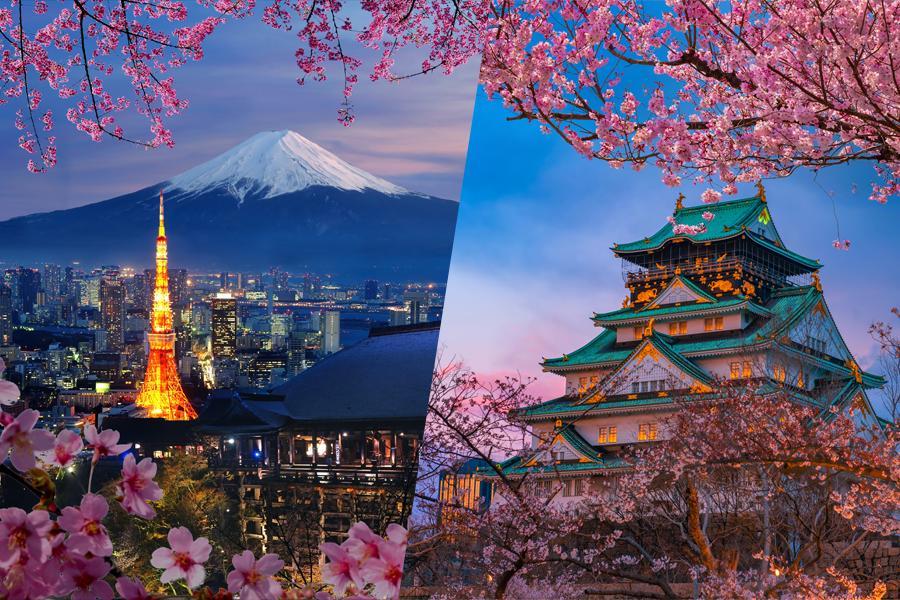
Three full days is the realistic minimum for a first trip. That gives you one day for the Dotonbori and Minami entertainment district, one day for Osaka Castle and the Kita business and shopping district, and one day for Universal Studios Japan or a day trip to Kyoto or Nara. If you can stretch to four or five days, you add breathing room for the Kaiyukan Aquarium, Shinsekai, and a proper food tour without sprinting between stops.
Sarah tried to do Osaka in two days on her first visit and immediately regretted it. She spent the second afternoon queueing for the Harukas 300 observatory instead of wandering the Kuromon Market, and the FOMO was real. Her advice: “Book four nights minimum. Osaka is a city that rewards slow evenings. The Dotonbori canal at 10 p.m. is a different experience than at 6 p.m., and you want time to do both.”
Sarah’s honest take: “The official tourism site has ‘model courses’ that pack six attractions into one day. Ignore them. Those are designed for people who live in Tokyo and are doing a day trip. For a first-time international visitor, two major stops per day plus a good lunch and dinner is a full, satisfying schedule.”
Short trip (2 to 3 days)
- Day 1: Dotonbori, Shinsaibashi, evening canal walk.
- Day 2: Osaka Castle, Kuromon Market, Shinsekai at night.
- Day 3: Universal Studios Japan or a Kyoto day trip.
Longer trip (4 to 5 days)
- Add the Kaiyukan Aquarium (best in the morning, before school groups arrive).
- Add a Nara day trip (the deer park and Todaiji Temple are a 45-minute train ride away).
- Dedicate one evening entirely to a food crawl through the Ura-Namba backstreets.
Entry Requirements for US and UK Travelers: Do You Need a Visa?
As of this year, US passport holders can enter Japan visa-free for tourism stays of up to 90 days. UK passport holders receive the same 90-day visa exemption upon arrival, though the UK is among a small group of nationalities eligible to apply for a further 90-day extension while in Japan, something most visitors won’t need but is worth knowing for extended trips. These terms apply specifically to tourism and short-term visits. Business, work, or study requires separate visa applications before travel.
You must hold a passport valid for the entire duration of your stay. Japan does not technically require six months of remaining validity beyond your departure date the way some countries do, but individual airlines sometimes enforce their own stricter rules. Check with your carrier before flying. You’ll also need proof of onward or return travel. The immigration officer at Kansai Airport will almost certainly ask to see your return flight confirmation. Keep a printed copy or have it accessible on your phone.
As of early this year, Japan has been rolling out the Visit Japan Web system, a digital platform where you can pre-register your immigration and customs information before landing. Completing this online generates a QR code that speeds up the airport processing significantly. Sarah cleared immigration in under 10 minutes using the QR code while the paper-form queue stretched for 40 minutes. Do this. The official Japanese Ministry of Foreign Affairs website has the most current visa exemption list. Always verify directly there before booking, as exemption terms can and do change.
Getting from Kansai Airport (KIX) to Downtown Osaka
Kansai International Airport sits on a man-made island roughly 50 kilometers from central Osaka. You have two main train options and one bus option. The train is almost always the correct choice unless you’re staying somewhere not served by the Nankai or JR lines. The fastest option is the Nankai Limited Express Rapi:t, which runs directly to Namba Station in 38 minutes and costs ¥1,450. Namba is the southern hub, ideal if your hotel is in Dotonbori or Shinsaibashi. The JR Haruka Express serves Tennoji and Shin-Osaka stations, connecting to the Shinkansen network, and takes about 50 minutes to Osaka Station in the northern Kita district.
The critical first step, regardless of which train you choose, is getting an ICOCA card. This is a rechargeable contactless smart card usable on virtually every train, subway, bus, and even at convenience stores and vending machines across the Kansai region. The card costs ¥2,000 at the airport vending machine, which includes a ¥500 refundable deposit and ¥1,500 in loaded fare. You tap it to enter and exit stations, and the fare is deducted automatically. Sarah spent her first 90 minutes in Japan in a ticket machine queue because she thought an IC card was optional. It is not. Get the card before you board the airport train.
Nankai Rapid (to Namba)
- Travel time: 38 minutes.
- Cost: ¥1,450 one-way.
- Best for: Hotels in Dotonbori, Shinsaibashi, Namba.
JR Haruka (to Tennoji/Osaka)
- Travel time: 50 minutes to Osaka Station.
- Cost: ¥2,870 one-way (reserved seat).
- Best for: Hotels near Osaka Station, Umeda, or Shinkansen connections.
A Realistic 3-Day Osaka Itinerary for First-Timers
This itinerary assumes you arrive the evening before and have three full days. It’s paced for jet lag, because a 13-hour flight from the US East Coast or a 14-hour haul from London hits hard, and cramming six attractions into day one is a recipe for misery. Each day has two core stops, one good meal target, and flexible evening time.
@global.and.beyond.travel OSAKA 3 DAY ITINERARY ⬇️ Here’s the biggest planning tip I can give you if you’re visiting Osaka for the first time Don’t treat it like Tokyo Tokyo is where you stay in the city Osaka is where you use the city As a base for day trips. As a gateway to Kansai. And as the perfect jumping-off point for places like Nara, Kyoto and Katsuoji Temple Most travellers try to see Osaka by bouncing between opposite sides of the city Instead, group the city by area and build day trips around it Here’s exactly how I’d spend 3 days: ⭐️ DAY 1 – Namba & Dotonbori Keep your first day around Namba and Dotonbori so you’re not wasting time crossing the city 📍Namba Yasaka Shrine 📍Dotonbori 📍Rikuro’s Cheesecake 📍Hozenji Yokocho 📍Dotonbori after dark ⭐️ DAY 2 – Shinsekai One of Osaka’s most underrated areas and home to some of the city’s best neon 📍Shinsekai 📍Bear Paw Cafe 📍Tsutenkaku Tower 📍Tsutenkaku Tower Slide 📍Shinsekai food street 📍Shinsekai after dark ⭐️ DAY 3 – Day Trip From Osaka Option 1: Katsuoji Temple – Daruma & Mountain Views 🚆 Train to Kita-Senri Station, then bus to Katsuoji Temple 📍Katsuoji Temple 📍Minoh Falls 📍Minoh Park OR Option 2: Nara’s Hidden Side 🚆 Train from Osaka-Namba Station to Ikoma Station, then ride the Ikoma Cable Car 📍Ikoma Cable Car 📍Hōzanji Temple 📍Ikoma Sanjo Amusement Park OR Option 3: Universal Studios Japan 🚆 Train to Universal City Station 📍Universal Studios Japan 📍Super Nintendo World 📍Wizarding World of Harry Potter Kanazawa is next… and honestly, if it’s not on your itinerary, it needs to be Heading to Japan soon? We’ve got so many Japan tips, itineraries and hidden gems across our page 🇯🇵 📌 Feel free to save & share this post with your travel buddy #japan #visitjapan #osaka
Day 1: Dotonbori and Minami
Start late morning at Kuromon Market, a covered arcade of food stalls where you can eat your way through skewered grilled scallops, fresh tuna sashimi, and hot takoyaki balls for under ¥2,000 total. Walk off the food by strolling north through the covered Shinsaibashi shopping arcade. By late afternoon, you’ll reach the Dotonbori canal. The Glico Running Man sign is the classic photo spot, but the better move is to grab a beer from a konbini and stand on the Ebisu Bridge as the neon reflects off the water at dusk.
Dinner is okonomiyaki, Osaka’s savory pancake, at any hole-in-the-wall in the Ura-Namba backstreets. Budget roughly ¥1,200 to ¥2,000 per person.
Day 2: Osaka Castle and Kita
Arrive at Osaka Castle Park by 9 a.m., before the tour bus crowds. The castle interior is a modern museum with an elevator, not a preserved feudal interior, so adjust expectations accordingly. The view from the top floor observation deck is worth the ¥600 entry fee. After the castle, take the JR Loop Line north to Osaka Station City and Umeda. Lunch at the basement food hall of the Hankyu department store is a strategic move: the depachika (department store basement food floor) offers dozens of high-quality bento boxes, sushi sets, and pastries for ¥800 to ¥1,500.
In the afternoon, either shop at Grand Front Osaka or ascend the Umeda Sky Building’s Floating Garden Observatory for a panoramic city view. The observatory entry is ¥2,000 and is best visited an hour before sunset.
Day 3: Universal Studios Japan or a Day Trip
You have a strategic decision on day three. Universal Studios Japan is a full-day commitment. The park opens at 8:30 a.m. most days, and Super Nintendo World timed entry slots fill almost instantly. If USJ is a priority, book your ticket and Express Pass online at least a month in advance. The alternative is a day trip to Kyoto (30 minutes by rapid train, ¥560) or Nara (45 minutes, ¥820). Kyoto gives you Fushimi Inari’s torii gates and the Higashiyama district.
Nara gives you the giant Buddha at Todaiji Temple and deer that bow for crackers. Both are excellent uses of a day, and returning to Osaka for a late dinner of kushikatsu (deep-fried skewers) in Shinsekai makes for a strong finish.
What a Trip to Osaka Actually Costs: USD and GBP Breakdown
Osaka is noticeably cheaper than Tokyo for accommodation and food and significantly cheaper than any major US or UK city for a comparable experience. A sit-down dinner of okonomiyaki and a beer runs ¥1,800 to ¥2,500, roughly $12 to $17 USD or £10 to £14 GBP. A hotel room in a mid-range business hotel chain like Dormy Inn or Hotel Monterey near Namba costs ¥12,000 to ¥18,000 per night, roughly $80 to $120 USD or £65 to £95 GBP. These are real rates from bookings made as of early this year, not aspirational backpacker estimates.
The daily budget table below assumes two people sharing a hotel room, eating two casual restaurant meals and one konbini snack per day, using public transit, and visiting one paid attraction.
Budget-conscious
- Accommodation: ¥8,000 to ¥12,000/night (hostel or budget hotel).
- Food: ¥3,000 to ¥4,500/day (konbini breakfast, casual lunch, and street food dinner).
- Transport + attraction: ¥2,500/day.
- Total per person per day: $65 to $90 USD / £50 to £72 GBP.
Mid-range (recommended)
- Accommodation: ¥12,000 to ¥18,000/night (business hotel, good location).
- Food: ¥5,000 to ¥7,000/day (cafe breakfast, two sit-down meals).
- Transport + attraction: ¥3,500/day (includes one ¥2,000 entry).
- Total per person per day: $120 to $180 USD / £95 to £145 GBP.
Osaka vs. Kyoto vs. Tokyo: Where Should You Base Yourself?

This is the question Sarah gets most often from first-time Japan travelers, and the answer depends on what you value more: atmosphere or convenience. Kyoto has the temples, the geisha districts, and the postcard Japan imagery. It also has overcrowded buses, more expensive accommodation relative to room size, and a dining scene that largely shuts down by 9 p.m. Tokyo is the global capital of scale and variety, but it spreads you thin. You’ll spend a significant portion of each day on trains.
Osaka offers the strongest practical case as a base for a first Kansai trip. Accommodation costs roughly 20 to 30 percent less than comparable rooms in Kyoto. The food scene runs later and is more casual. And Kyoto, Nara, and Kobe are all day-trip distance, which means you can explore the region without repacking your suitcase. If your trip is heavily weighted toward temple visits and early-morning bamboo grove walks, stay in Kyoto.
If you want one base for the whole Kansai region with better evening options, stay in Osaka. Our team generally recommends Osaka as the home base with two day trips into Kyoto rather than the reverse.
What Are the Biggest Mistakes First-Time Visitors Make in Osaka?
Sarah compiled this list from her own errors and from observing fellow travelers make the same ones in real time.
1. Not getting an IC card at the airport. The ICOCA card is not a cute souvenir. It’s the single most important purchase of your trip. Every minute you spend buying individual train tickets is a minute you aren’t eating takoyaki.
2. Assuming credit cards work everywhere. Japan is still more cash-reliant than the US or UK. Many smaller restaurants, market stalls, and temple entry fees are cash-only. Carry ¥10,000 to ¥15,000 in cash and withdraw more at 7-Eleven ATMs, which accept foreign cards reliably.
3. Underestimating Universal Studios Japan crowd levels. Super Nintendo World does not reliably allow entry with a standard studio pass alone. You often need a timed entry ticket or an express pass. Book this weeks ahead, not the night before.
4. Skipping the Visit Japan Web pre-registration. The digital immigration and customs form saves an easy 30 to 45 minutes at Kansai Airport. Fill it out online before you board your flight.
5. Only eating in Dotonbori’s main strip. The parallel backstreets, especially around Ura-Namba and Hozenji Yokocho, have smaller, cheaper, and better versions of the same food with no queue.
6. Booking a hotel far from a train station. Osaka is a city navigated on foot from stations. A hotel more than a 7-minute walk from a subway or JR station will add friction to every single outing. Check the walking distance on Google Maps before booking. We use Booking.com specifically because the map view and review filters make this check fast.
7. Not factoring in the departure tax. Japan’s international departure tax increased to ¥3,000 as of mid-2026. It’s usually folded into your airline ticket, but verify that it’s included rather than payable at the airport.
Frequently asked questions
Is Osaka expensive compared to US and UK cities?
No. A mid-range dinner in Osaka costs roughly $12 to $17 USD per person, roughly half to a third of what you would pay for a comparable meal in London or New York. Hotel rooms in well-located business hotels run $80 to $120 USD per night. Public transit within the city rarely exceeds ¥400 per ride. For a US or UK visitor, Osaka delivers a noticeably higher value for money than nearly any comparably sized Western city.
Do I need a JR Pass for Osaka?
For Osaka and the Kansai region alone, no. A nationwide JR Pass is expensive and only pays off if you are taking multiple long-distance shinkansen trips, like Osaka to Tokyo and back. For Osaka plus day trips to Kyoto and Nara, individual tickets or a regional Kansai Thru Pass are far cheaper. Do the math on your specific itinerary before buying any pass.
Is English widely spoken in Osaka?
Less than in Tokyo, more than in rural Japan. Major train stations, hotels, and tourist attractions have English signage and some English-speaking staff. Smaller restaurants, especially in the backstreets, often have Japanese-only menus. Pointing, Google Translate’s camera function, and knowing the words “sumimasen” (excuse me) and “arigatou gozaimasu” (thank you) will cover 90 percent of situations.
What is the best time of year to visit Osaka?
Late March to early April for cherry blossoms and late October to November for autumn foliage are the most beautiful and most crowded windows. May and early June are pleasant and less crowded. Avoid August unless you tolerate high humidity well. January and February are cold but uncrowded, and hotel prices drop considerably.
How do I get from Osaka to Kyoto for a day trip?
The JR Kyoto Line rapid service from Osaka Station to Kyoto Station takes 30 minutes and costs ¥560. The Hankyu Kyoto Line from Umeda to Kawaramachi runs 45 minutes and costs ¥400, and it drops you closer to the Higashiyama sightseeing district. Both are frequent and do not require advance reservations.
Should I book Universal Studios Japan tickets in advance?
Yes. Studio passes and Express Passes sell out, especially during Japanese school holidays and weekends. Book directly through the official USJ website or a verified partner at least four weeks ahead. If Super Nintendo World is a priority, an Express Pass with a timed entry slot is the most reliable way to guarantee access. Check the official Universal Studios Japan site for current availability before booking flights.
Plan your trip: booking platforms we actually use
Our WakaAbuja team books dozens of trips annually, and we return to the same handful of platforms because they have proven reliable for Japan specifically. We do not accept payment for these links. They are here because they work.
Best for Osaka business hotels with free cancellation and clear map-based search.
We start flight searches here to compare US and UK departure prices across airlines.
Good for booking Osaka food tours and Kyoto day-trip guided walks in advance.
We cross-reference restaurant reviews here, especially for Dotonbori and Kuromon Market stalls.
Occasionally useful for bundling flights and hotels when Osaka packages are available.