advertisement
Travel to Sapporo, Japan: All You Must Know Before You Go
Travel to Sapporo is a year-round adventure that pairs urban energy with easy nature escapes. The city shines brightest during the February Snow Festival and lavender-filled summers, and getting there is simple via New Chitose Airport with a 37‑minute train ride to the city center.
Budget travelers can get by on 8,000–12,000 yen a day, while first‑timers will appreciate the compact layout and straightforward subway system.
I still remember stepping off the rapid train at Sapporo Station, luggage in one hand and a konbini onigiri in the other, half frozen from the February chill. It was my fourth trip to Hokkaido, but the first time I truly understood why so many travelers keep coming back.
Chidi from our Abuja team once joked that Sapporo is “the city that makes winter feel warm,” and he was spot on. Whether you are planning a food pilgrimage, a ski week, or a family summer trip, this guide brings together everything you need, from transport tricks to honest money advice.
Jump to: Getting to Sapporo | Getting Around | Best Time to Visit | Top Attractions | Sample Itineraries | Where to Eat | Where to Stay | Day Trips | Travel Tips | Cost Breakdown | FAQs
Key takeaways
- The fastest way from New Chitose Airport to Sapporo is the JR Rapid Airport train (37 minutes, about 1,150 yen unreserved).
- Winter (late January to February) is peak season for the Snow Festival and skiing; summer (July) is perfect for lavender and outdoor festivals.
- A Suica card works on Sapporo subways, trams, and buses, making transport cashless and simple.
- You can explore the city highlights in one day, but three days let you add a day trip and a relaxed food crawl.
- Budget 8,000–12,000 yen daily for a backpacker and 18,000–25,000 yen for mid‑range comfort, excluding long‑haul flights.
- Hokkaido’s famous soup curry, miso ramen, and fresh seafood are essential eats you will not find elsewhere in Japan.
- Baggage forwarding services (takkyubin) are a lifesaver if you are traveling with ski gear or suitcases.
How do I get to Sapporo from the airport and other cities?
Sapporo’s gateway is New Chitose Airport (CTS), Japan’s fifth‑busiest air hub. Domestic flights from Tokyo, Osaka, and Nagoya land every hour; international routes from Seoul, Taipei, and Bangkok serve the city as well. Once you land, the quickest link to Sapporo Station is the JR Rapid Airport train.
It departs every 15 minutes, takes 37 minutes, and costs 1,150 yen for an unreserved seat. Chidi once timed it door‑to‑door from his plane seat to the hotel lobby and clocked 52 minutes, immigration luck included.
If you are coming by rail from Tokyo, the shinkansen only reaches Shin‑Hakodate‑Hokuto. From there, switch to a limited express for the 3.5‑hour ride into Sapporo (total around 8 hours). A Japan Rail Pass covers the entire journey, but you will need a seat reservation for the limited express in peak seasons. Fatima, our Lagos correspondent, swears by the overnight option: a budget flight on Peach or Jetstar can be cheaper than the rail pass plus an extra night’s hotel.
Chidi’s honest take: “I used to overthink the train vs. plane decision. Now I book a domestic flight if the one‑way fare is under 10,000 yen. Check Kayak for a quick comparison; the three‑hour door‑to‑door saving is worth it if you are short on time.”
Best for speed
- JR Rapid Airport train: 37 min, 1,150 yen, every 15 min
- Airport limousine bus: 70‑80 min, 1,300 yen, direct to major hotels
Worth considering
- Shared taxi (flat rate): around 8,000‑10,000 yen per car for a group of three or four
- Rental car pickup at the airport: useful for day trips to Jozankei or Furano
What is the easiest way to get around Sapporo?
Sapporo’s three subway lines, tram, and extensive bus network cover virtually every attraction. A Suica or Kitaca IC card lets you tap on and off without buying paper tickets. The subway starts at 200 yen per ride; a one‑day subway pass (Donichika Ticket) costs 830 yen on weekends and holidays, while the weekday version is 830 yen for unlimited subway travel.
@wantu2look Sapporo 🇯🇵 subway station 🚉 #subway #train #japan #fyp #viral
During winter, the underground pedestrian walkways linking Sapporo Station to Susukino are a godsend, sparing you from icy pavements.
Taxis are metered, starting at around 670 yen for the first 1.6 kilometers. For late‑night ramen runs in Susukino, splitting a taxi with friends is cost‑effective. Bike rentals are popular from May to October; Porocle, the city’s shared bike system, charges 100 yen per 30 minutes.
Fatima once pedaled from Odori Park to Maruyama Zoo, stopping for coffee, and said it was her favorite city moment. Just avoid cycling in the snow, a mistake I made once and will not repeat.
Fatima’s honest take: “Buy the subway day pass on a weekend, even if you arrive midday. Two round trips to the Beer Museum and back already pay for it. And never underestimate how far the underground walkways stretch.”
When is the best time to visit Sapporo?
The “right” time depends entirely on what you want to do. Winter, from late January through February, is the headline season. The Sapporo Snow Festival draws over two million visitors to see massive ice sculptures in Odori Park, and nearby ski resorts like Teine and Kokusai are in full swing. Temperatures hover around minus 5 degrees Celsius, so the cold is serious but manageable with layers.
@docsammy.travels 𝐖𝐡𝐞𝐧’𝐬 𝐭𝐡𝐞 𝐛𝐞𝐬𝐭 𝐭𝐢𝐦𝐞 𝐭𝐨 𝐯𝐢𝐬𝐢𝐭 𝐒𝐚𝐩𝐩𝐨𝐫𝐨? Watch This video to know more! ✨ Follow & Use KlookCode, 𝑫𝑶𝑪𝑺𝑨𝑴𝑴𝒀𝑲𝑳𝑶𝑶𝑲 & 𝐒𝐀𝐌𝐌𝐘𝐀𝐆𝐎𝐃𝐀. #sapporo #sapporojapan #hokkaido #japan #fyp #docsammyinsapporo #docsammyklook #sammyagoda
Summer, from late June to August, is short and splendid. Daytime highs rarely exceed 26 degrees, lavender fields in Furano peak in July, and beer gardens pop up on rooftops across the city.
Spring (April to May) brings cherry blossoms in Maruyama Park and quieter streets, while autumn (October) paints Hokkaido University’s ginkgo avenue a stunning gold. As of this year, the Snow Festival dates are typically set for seven days in early February, with exact dates confirmed each October on the official Sapporo tourism site.
I visited once in late March, hoping to ski, and found icy slopes and closed lifts. Lesson learned: always check seasonal opening dates before booking.
Winter (Dec‑Feb)
- Snow Festival, ski days, ice village in Chitose
- Peak hotel prices, book 4‑6 months ahead
Summer (Jul‑Aug)
- Lavender fields, beer gardens, hiking in Daisetsuzan
- Moderate hotel rates, more last‑minute availability
What are the top things to see and do in Sapporo?
I have drawn up a list of 15 spots that mix the iconic with the local. Each one includes practical details so you can plan your day without guesswork. Always confirm opening hours on the official websites, as seasonal changes are common.
@hungrypursuit 5 must see things to do in Sapporo Japan 🇯🇵 Part ✌🏻 Planning a trip to Sapporo Japan this summer? Sapporo is a momist visit city in the iconic Hokkaido region. From Hill of the Buddha to an omakase dinner at one of Sapporo’s top 25 restaurants save this. We did alot of the Sapporo attractions pre-booking the Hokkaido Have Fun Pass on @Klook USA #hokkaido #sapporo #thingstodo #hokkaidotrip #sapporofood
♬ original sound – HungryPursuit | Food & Travel – HungryPursuit | Food & Travel
Odori Park & TV Tower
The city’s green spine, 1.5 km long, hosts the Snow Festival in winter and beer gardens in summer. The TV Tower observation deck (720 yen) gives a postcard view of the grid. Go at sunset for the best light.
Sapporo Beer Museum
Free entry to the museum, with paid tasting sets from 800 yen. Learn how beer came to Hokkaido, then cross the street for Genghis Khan grilled mutton at the beer garden.
Nijo Market
A compact seafood hub where you can build your own kaisendon (sashimi bowl) from 2,000 yen. Chidi once tried sea urchin here and promptly ordered a second bowl. Open 7 a.m. to 6 p.m., closed Wednesdays for many stalls.
Hokkaido Shrine & Maruyama Park
Free entry, set in a forested area. The cherry blossoms here in late April rival any in mainland Japan. The park also houses Maruyama Zoo (800 yen).
Shiroi Koibito Park
Part theme park, part cookie factory. Entry is 800 yen; chocolate-making workshops are from 1,200 yen. It is a hit with kids, and the English garden is surprisingly pleasant in summer.
Mt. Moiwa Ropeway
Round trip 1,800 yen. The summit observatory provides a 360‑degree night view that often tops Japan’s “three great night views.” The mini-planetarium at the top is a cozy break in winter.
More highlights: Historical Village of Hokkaido (1,000 yen), Susukino’s neon lanes, Moerenuma Park (free), and the Central Wholesale Market for early‑morning tuna auctions.
If you have an extra morning, our Otaru day trip guide details the canal town just 30 minutes away.
What is a good itinerary for a first‑time visit to Sapporo?
These itineraries are tested, tight, and leave room for spontaneous ramen breaks. Each assumes you start from a hotel near Sapporo Station or Odori.
1‑day highlights
Morning: Odori Park, TV Tower, Nijo Market for brunch. Afternoon: Sapporo Beer Museum, walk to Susukino. Evening: Ramen Alley, Mt. Moiwa ropeway after dinner.
2‑day culture + nature
Day 1 as above. Day 2: Hokkaido Shrine, Maruyama Zoo, or Shiroi Koibito Park; afternoon hike at Mt. Okura or swing by Historical Village. Wrap up with a soup curry dinner in Tanukikoji.
3‑day winter sports
Day 1: city sights. Day 2: ski at Sapporo Teine (lift pass 6,200 yen). Day 3: Snow Festival exploration and a Jozankei Onsen day trip to soak tired legs. Book Teine lift tickets in advance on GetYourGuide.
Family itinerary
Day 1: Visit Shiroi Koibito Park, Maruyama Zoo, and play at Moerenuma Park. Day 2: Historical Village, Sapporo Science Center (700 yen), evening at the TV Tower. Day 3: day trip to the Furano cheese factory or Otaru Music Box Museum.
All itineraries assume you use a subway day pass. For a more detailed winter schedule, see our Hokkaido winter travel tips.
What and where should I eat in Sapporo?
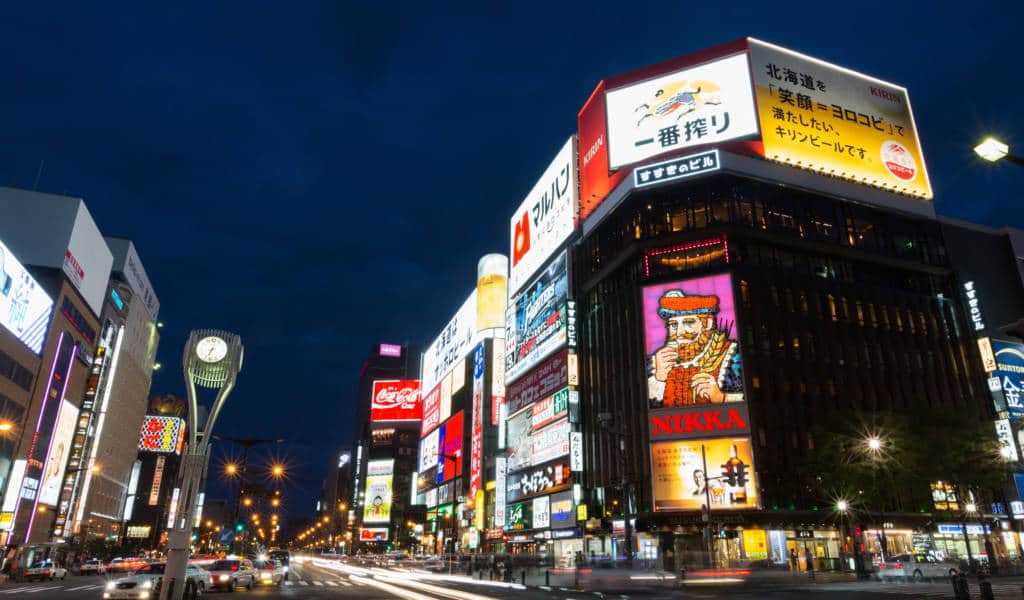
Sapporo is a culinary heavyweight. Miso ramen, soup curry, and fresh seafood dominate. Ramen Yokocho in Susukino is a narrow alley with 17 shops; Ganso Ramen Yokocho has been dishing out bowls since 1951. A standard miso ramen costs 800–1,200 yen. Soup curry, a Hokkaido original, is a spiced broth loaded with vegetables and chicken leg.
Suage+ near Odori is reliable and foreigner-friendly, with customizable spice levels from 1 to 40. Fatima once braved level 20 and said her tastebuds returned after two days.
Seafood lovers must hit the morning markets. Nijo Market’s donburi stalls offer king crab legs, ikura, and hotate. Budget 2,500–4,000 yen for a loaded bowl. For dinner, Jingisukan (grilled lamb) is a local rite of passage.
At Sapporo Beer Garden, all‑you‑can‑eat courses start around 3,300 yen. Reservations are recommended, especially on weekends. Check TripAdvisor for up‑to‑date diner reviews and to see recent menu snapshots.
@beakooks sapporo beer garden experience! 🙂 🥩 first time trying lamb! #sapporo #sapporobeergarden #japan #japanesefood
Chidi’s honest take: “Skip the tourist trap sushi joints near the station. Walk ten minutes into the Tanukikoji shopping arcade and look for a shop with a line of locals. That is where your best meal will be.”
Where should I stay in Sapporo, and what are the best areas?
Sapporo Station and Odori/Susukino are the two prime lodging zones. The station area is perfect for early trains and direct airport access, while Susukino puts you steps from nightlife and ramen alleys. During the Snow Festival, rooms within walking distance of Odori Park are in high demand and can triple in price.
I learned the hard way one February and ended up in a business hotel near Shiroishi Station, a 15‑minute train ride away but a third of the cost.
Budget (under 8,000 yen/night)
- Capsule hotels and hostels near Susukino, like The Stay Sapporo
- Business hotel chains (APA, Toyoko Inn) offer small, clean rooms with Wi‑Fi
- Book via Agoda for frequent Asian market deals
Mid‑range (12,000‑20,000 yen)
- JR Tower Hotel Nikko Sapporo for station‑front convenience
- Mercure Sapporo in Susukino, excellent breakfast buffet
- Search Booking.com for flexible cancellation options
Luxury & family
- JR Tower Hotel Nikko’s executive floors, or Keio Plaza Hotel with family rooms
- Vacation rentals for groups: check Vrbo for apartments near Odori
- Loyalty perks at Hotels.com can snag a free night after ten stays
Always book winter stays at least four months ahead. For summer, you can often find last‑minute discounts. I once scored a room at Unwind Hotel & Bar in July at 30% off by checking Expedia’s mobile‑only deals.
What are the best day trips from Sapporo?

Sapporo’s position makes it a launchpad for Hokkaido’s greatest hits. Otaru, only 30 minutes by train, is famous for its canal, glass workshops, and sushi. A round trip costs 1,500 yen, and you can easily spend a full afternoon wandering the stone‑paved streets. Read our full Otaru guide for the evening canal cruise tip nobody shares.
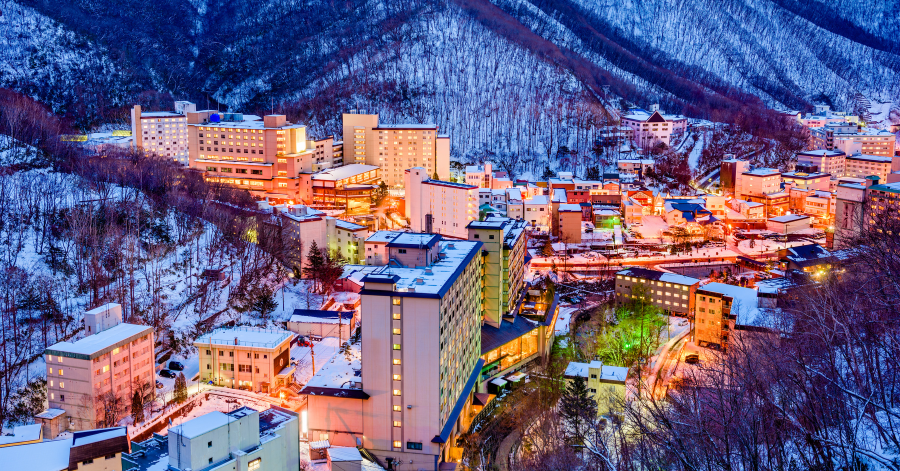
Jozankei Onsen, a hot spring town 50 minutes by bus, is my go‑to in autumn when the gorge blazes red and orange. Day‑use baths start at 800 yen. In summer, Furano’s lavender fields (2.5 hours by express train) are worth the early start; Biei’s Patchwork Road is best explored by rental car or guided tour. Check GetYourGuide for day tours that bundle transport and flower field entry.
Fatima’s honest take: “I once tried to do the Otaru and Yoichi distilleries in one day. It was too rushed. Pick one and enjoy it slowly. Otaru for canal vibes, and Yoichi if you love whiskey. You cannot go wrong either way.”
How can I prepare for a smooth trip to Sapporo?
Packing for winter
Average February temperatures sit at minus 5 degrees Celsius, but wind chill can make it feel like minus 15. Bring thermal layers, waterproof boots, and insulated gloves. Hand warmers (kairo) are sold at every convenience store for 100 yen.
The underground walkway network means you often only need to face the cold for short bursts, but snow‑covered streets can be slippery. Consider strap-on cleats sold at Don Quijote for 1,500 yen if you plan to walk a lot.
Language and etiquette
English signage is common in stations and tourist spots, but restaurants in residential neighborhoods may have Japanese‑only menus. A translation app is a reliable backup. Hokkaido locals appreciate even a simple “arigatou gozaimasu.”
On escalators, stand on the left in Sapporo, unlike Tokyo’s right‑side rule. Tipping is not expected; leaving coins on a table will likely result in a waiter chasing you down the street.
Staying connected
Pocket Wi‑Fi rentals and eSIMs are widely available. As of this year, the Hokkaido Free Wi‑Fi service covers major stations and parts of Odori Park, but a personal hotspot is more reliable for mapping and translation. I pick up a SIM card at the airport (3 GB for 30 days, around 3,500 yen) and activate it while waiting for my bag.
For the latest data plans, check official operator sites like Sakura Mobile.
Safety and emergencies
Sapporo is very safe, but heavy snowfall can cause temporary transport delays. Download the JR Hokkaido train status app. In an emergency, dial 110 for police and 119 for the ambulance. The city’s official disaster preparedness page publishes snowstorm warnings in English.
What are the biggest mistakes travelers make in Sapporo?
I have committed several of these myself, so learn from our missteps.
- Underestimating winter cold: Without proper boots and layers, a ten‑minute walk becomes painful. One friend lost a toenail after a frozen-foot misadventure.
- Skipping hotel reservations in February: Walk‑ins during the Snow Festival are nearly impossible. Book early through Booking.com or Hotels.com.
- Assuming all sushi is affordable: High‑end omakase near Susukino can run over 20,000 yen. Decide your budget before sitting down.
- Using only taxis: Fares add up fast. The subway day pass pays for itself after three rides.
- Ignoring baggage forwarding: Dragging a suitcase through snow is no fun. Takkyubin delivers your luggage to the next hotel for around 2,000 yen per piece.
- Staying only in the city center: You miss Jozankei’s onsen and the lavender if you never venture out. At least one day trip transforms a good trip into a great one.
How much does a trip to Sapporo really cost?
Below are rough daily per‑person estimates, excluding long‑haul flights. Prices are in Japanese yen and can fluctuate, so check the official websites of attractions and transport operators before budgeting.
Budget traveller (8,000‑12,000 yen/day)
- Hostel or capsule: 3,000‑5,000 yen
- Meals: ramen, konbini onigiri, market snack: 2,500–3,500 yen
- Transport: subway day pass: 830 yen
- One paid attraction: 800‑1,800 yen
Mid‑range comfort (18,000‑25,000 yen/day)
- 3‑star hotel: 12,000‑18,000 yen
- Lunch and dinner: soup curry, sushi set: 5,000‑7,000 yen
- Transport: subway + one taxi ride: 1,500 yen
- Two attractions, maybe a cooking class
Flights from Tokyo to Sapporo can be had for 6,000‑12,000 yen one‑way on budget carriers when booked a month out. Kayak is my go‑to for tracking these fares. For a seven‑day trip, a realistic mid‑range budget including a domestic flight, accommodation, food, and activities will hover around 150,000‑180,000 yen.
Frequently asked questions
What is the best time to visit Sapporo?
It depends on your interests. Winter (late January to February) is peak season for the Snow Festival and skiing. Summer (July) is ideal for lavender fields and comfortable weather. Spring and autumn offer fewer crowds and beautiful foliage.
How do I get from New Chitose Airport to Sapporo city center?
The JR Rapid Airport train is the fastest option, taking 37 minutes to Sapporo Station and costing about 1,150 yen. Airport limousine buses are slightly slower but drop you directly at major hotels for 1,300 yen.
Is Sapporo worth visiting in summer?
Absolutely. The city comes alive with beer gardens, outdoor festivals, and flower fields within day‑trip distance. The weather is warm but rarely oppressive, making it perfect for walking and cycling.
How many days should I spend in Sapporo?
A minimum of two full days lets you cover the core sights. Three to four days give you time for a day trip to Otaru or an onsen town and a deeper food exploration.
Do I need to speak Japanese to travel to Sapporo?
Not at all. Major transport hubs and attractions have English signage. Many restaurants in tourist areas offer picture menus or English versions. A few polite phrases and a translation app will smooth any rough edges.
What is the Sapporo Snow Festival and when does it happen?
It is one of Japan’s largest winter events, featuring enormous snow sculptures, ice slides, and food stalls. It usually runs for seven days in early February, with exact dates announced each autumn on the official festival site.
Can I use a Suica card in Sapporo?
Yes. Suica, Kitaca, and other major IC cards work on subways, trams, and buses within the city. You can also use them at most convenience stores and coin lockers.
Plan your trip: booking platforms we trust
The WakaAbuja team has tested these platforms across dozens of Japan trips. They are chosen for reliability, local deals, and easy cancellations where possible.
Best for Asian hotel deals and capsule stays.
Great for flexible cancellation and huge inventory.
Ideal for flight + hotel bundles.
Fare comparison and price alerts for flights.
Family‑sized vacation rentals and apartments.
Skip‑the‑line tickets, day tours, and cooking classes.
Earn free nights with the loyalty program.
Honest diner reviews and traveller photos.