
Travel to Shanghai: Best Time to Visit, Top Things to Do, and How to Get Around
The best time to travel to Shanghai is March through May or September through November, when temperatures sit between 15 and 25 degrees Celsius and rain is lighter than the summer monsoon season. Most Western passport holders can enter China visa-free for up to 30 days under the current transit and unilateral visa-free policies, but you must confirm your specific nationality and entry port on the official Chinese Visa Application Service Center site before booking. A realistic daily budget runs US$100 to US$180 per person for mid-range hotels, food, metro fares, and one paid attraction (check current rates on Booking.com). The metro is fast, cheap, and in English, which makes getting around easier than most first-timers expect.
I have been to Shanghai four times, twice for work and twice on my own dime, and the thing that surprises me every trip is how many travelers treat it as a two-day stopover on the way to somewhere else. They land, see the Bund, take a photo of the skyline, and leave. That is not a fair visit to a city of 25 million people with 16 metro lines and more than 100 museums.
Shanghai rewards planning. Not in the over-scheduled way that makes a vacation feel like a work trip, but in the sense that knowing which neighborhood to stay in, which days to avoid the biggest attractions, and how the metro works will add hours back to your trip. This guide covers all of it, with real numbers and a sample itinerary you can actually follow.
Jump to: Key Takeaways | Best Time to Visit | Top Things to Do | Getting Around | Where to Stay | Sample Itineraries | What It Costs | Mistakes to Avoid | FAQ
Key takeaways
- The best months to travel to Shanghai are March to May and September to November, with mild temperatures and lighter rain than the June to August monsoon season.
- China’s visa-free entry policies change often. As of this year, many Western passport holders can enter for up to 30 days without a visa, but always confirm your nationality on the official Chinese Visa Application Service Center site before booking flights.
- The Shanghai Metro has 16 lines, English signage, and fares starting at 3 yuan, roughly US$0.45 (confirm current fares on the official Shanghai Metro site). A day pass for tourists is available for around 18 yuan.
- The Bund is free; the Shanghai Tower observation deck costs about 180 yuan, roughly US$25 (confirm current prices on the official Shanghai Tower site), and Yuyuan Garden costs 40 yuan in peak season.
- Daily mid-range budget runs US$100 to US$180 per person, covering a 3-star hotel, three meals, metro, and one attraction (confirm current rates on Booking.com).
- Three days is the minimum for a first visit. Five days lets you add a day trip to Suzhou or Zhujiajiao without cutting the city short.
- Rush hour on the metro runs from 7:30 AM to 9:30 AM and 5 PM to 7 PM. Schedule around it if you can, especially with luggage.
When is the best time to travel to Shanghai?
The best time to visit Shanghai is spring, March through May, or autumn, September through November. Both windows offer temperatures between 15 and 25 degrees Celsius, lower humidity than in summer, and enough dry days to plan outdoor sightseeing without hedging every day. Spring brings cherry blossoms to parks like Gucun and Lu Xun Park. Autumn gives you clear skies and the best photos of the Pudong skyline from the Bund.
Summer, June through August, is hot, humid, and wet. Temperatures push past 35 degrees Celsius, and the plum rain season in June dumps weeks of steady rain. It is also peak domestic tourist season, so hotels and attractions are crowded and prices peak.
Winter, December through February, is cold and gray but cheap. Temperatures hover near freezing, and the city sees occasional snow. The upside is thinner crowds, lower hotel rates, and the Chinese New Year period, which is spectacular if you want to see the city lit up, though many restaurants close for the holiday week.
Best months by priority
- Best weather: April, May, October.
- Best for photos: November, clear skies and low humidity.
- Best for budget: January, February, December.
- Worst weather: July and August, heat, humidity, and typhoon risk.
Seasonal notes
- Chinese New Year: Usually late January or February. Spectacular but crowded, and many businesses are closed for a week.
- Golden Week: First week of October. Avoid if you dislike crowds; prices jump and attractions hit capacity.
- Plum rain season: Mid-June to mid-July. Expect daily rain and high humidity.
Maya Whitfield’s honest take: “I made the mistake of visiting in July on my first trip. The heat was manageable, but the humidity sapped every afternoon. I now book April or October and never regret it. The difference in comfort is worth the slightly higher airfare.”
What are the top things to do in Shanghai?
Shanghai’s attractions cluster into three areas: the Bund and Pudong for skyline and history, the Old City for gardens and traditional architecture, and the French Concession for shopping, cafes, and residential streets. You can cover the top five in two full days without rushing.
The Bund: best at night
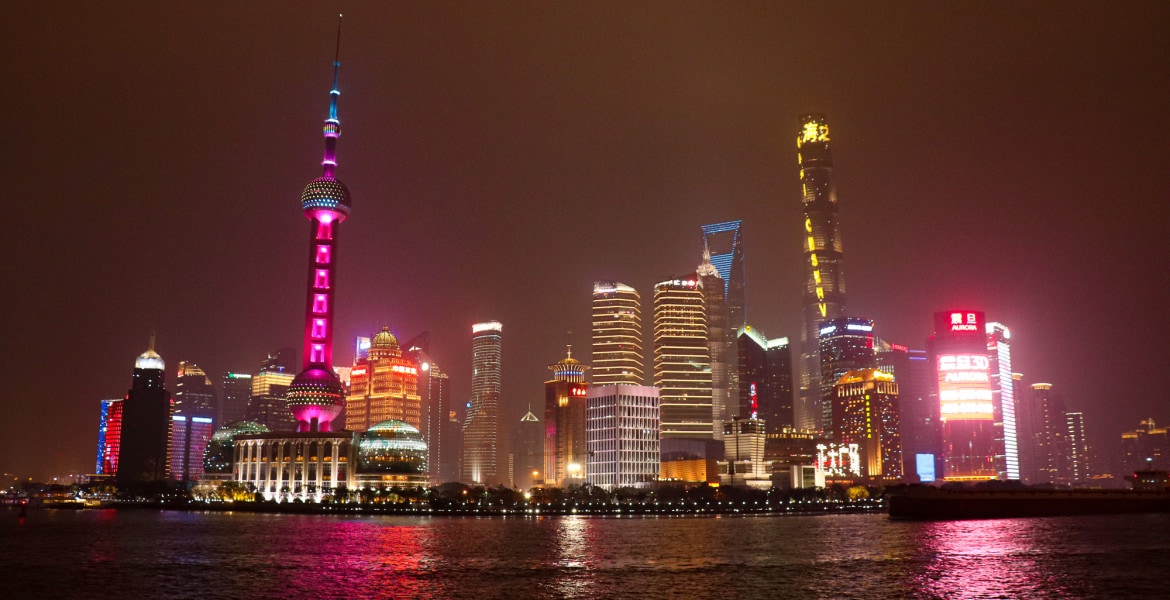
The Bund is a 1.5 km waterfront promenade along the Huangpu River, lined with colonial-era buildings on one side and the futuristic Pudong skyline on the other. It is free and open 24 hours. Go at night, ideally around 7 PM to 9 PM, when the buildings on both sides are illuminated. The view of the Oriental Pearl Tower and Shanghai Tower from the Bund is the single most photographed scene in the city.
Yuyuan Garden and the Old City: best in the morning
Yuyuan Garden is a classical Ming dynasty garden in the Old City, dating to 1559. Entry costs 40 yuan in peak season, roughly US$5.50 (confirm current prices on the official Yuyuan Garden site). The surrounding bazaar is touristy but worth a walk, especially for xiaolongbao at Nanxiang Mantou Dian, the most famous dumpling shop in the city. Arrive when the garden opens at 8:30 AM to beat the tour groups.
Shanghai Tower and Pudong: best on a clear day
Shanghai Tower is the tallest building in China at 632 meters, with an observation deck on the 118th floor. Tickets cost about 180 yuan, roughly US$25 (confirm current prices on the official Shanghai Tower site). The view is spectacular on a clear day and pointless on a smoggy one. Check the air quality index before you buy. The Shanghai Ocean Aquarium and the Oriental Pearl Tower are nearby if you want more Pudong options.
French Concession and Xintiandi: best for a slow afternoon
The French Concession is the leafy, low-rise district that was the French concession from 1849 to 1943. Wukang Road, Anfu Road, and the Tianzifang warren of lanes and shops are the highlights. Xintiandi is a restored shikumen (stone gate) neighborhood turned into restaurants, boutiques, and cafes. It is polished and expensive, but the architecture is genuinely worth seeing. The nearby site of the First National Congress of the Communist Party is free and historically significant.
Day trips: Suzhou, Hangzhou, Zhujiajiao
Suzhou is 30 minutes by high-speed train and offers classical gardens and canals. Hangzhou is one hour by train and has West Lake, arguably the most famous scenic spot in China. Zhujiajiao is 45 minutes by metro and bus, a water town with canals and stone bridges that is less polished than Suzhou but easier to reach. All three make solid day trips if you have five days or more in Shanghai.
Must-see
- The Bund: free, best at night.
- Yuyuan Garden: 40 yuan, arrive early.
- Shanghai Tower: 180 yuan, clear days only.
- French Concession walk: free, best on foot.
Worth adding
- Tianzifang: shopping and cafes in a maze of lanes.
- Shanghai Museum: free, excellent bronze and ceramics collections.
- Power Station of Art: contemporary art in a converted power plant, free.
How do you get to Shanghai and get around once you arrive?
Shanghai has two airports: Pudong International (PVG) for most international flights and Hongqiao International (SHA) for domestic and some regional flights. From Pudong, the Maglev train reaches Longyang Road metro station in 7 minutes, and then you transfer to the metro to reach the city center. The Maglev costs 50 yuan one way, roughly US$7 (confirm current fares at the Maglev ticket counter), and is a novelty worth doing once. A taxi from Pudong to People’s Square costs about 200 yuan, roughly US$28 (confirm current rates with your hotel or the official taxi line).
The metro is the best way to get around. It has 16 lines, English signage at every station, and fares starting at 3 yuan, roughly US$0.45. A one-day pass costs 18 yuan, and a three-day pass costs 45 yuan (confirm current fares on the official Shanghai Metro site). Rush hour runs 7:30 AM to 9:30 AM and 5 PM to 7 PM, and the crush on Line 2 during those windows is real.
DiDi is the local ride-hailing app, similar to Uber, and works well if you have a Chinese payment app set up. Without WeChat Pay or Alipay, you will struggle to pay for anything cashless, which is most of the city. Set up Alipay before you fly. It works with international credit cards and removes 90 percent of the friction from a Shanghai trip.
If you are traveling from outside the region and want destination-specific visa advice, see the WakaAbuja visa guide.
Where should you stay in Shanghai?
Shanghai neighborhoods have distinct personalities, and where you stay shapes your trip more than most first-timers realize. The right base for a museum-and-skyline trip is not the right base for a food-and-neighborhoods trip.
Best for first-timers
- People’s Square: central, walkable to the Bund and Nanjing Road, best metro access.
- The Bund: iconic views from your hotel, but noisier and pricier.
- Jing’an: quieter, excellent restaurants, near the metro.
Best for a local feel
- French Concession: tree-lined streets, cafes, and boutique hotels.
- Xuhui: residential, good restaurants, easy metro to everywhere.
Hotel prices vary widely. Mid-range 3-star hotels run about US$60 to US$120 per night. International 5-star hotels run US$180 to US$350 per night, though business hotels like the Jin Jiang and Hua Ting often deliver 5-star quality at 4-star prices (confirm current rates on Booking.com).
What do sample Shanghai itineraries look like?
Shanghai’s core sights fit into one day, but one day is a disservice. Here are three plans based on how much time you actually have.
1-day itinerary
Yuyuan Garden in the morning, then the Bund for lunch and the skyline walk. Cross the river by metro or the tourist tunnel to Pudong for Shanghai Tower in the afternoon if the sky is clear. Dinner in the French Concession, then return to the Bund at night for the illuminated view. This covers the essentials, but you will spend a lot of the day in transit between neighborhoods.
3-day itinerary
Day 1 for the Bund, Yuyuan Garden, and Pudong. Day 2 for the French Concession, Xintiandi, Tianzifang, and the Shanghai Museum. Day 3 for a day trip to Zhujiajiao water town, returning for dinner in Jing’an. This is the sweet spot for most travelers, covering both headline attractions and slower neighborhood time.
5-day itinerary
Add Suzhou and Hangzhou on days 4 and 5, both reachable by high-speed train within an hour. Or add a second neighborhood day for the West Bund museums (Long Museum, Yuz Museum, Power Station of Art) and the M50 art district, which first-timers often skip and locals consider essential.
Maya Whitfield’s honest take: “I have done the 1-day version and it was exhausting. Shanghai is not a checklist city. It rewards the traveler who slows down, sits in a cafe in the French Concession for two hours, and watches the city move around them. Give it three days minimum.”
What does a trip to Shanghai actually cost?
Shanghai is not cheap by Chinese standards but it is affordable by Western ones. A mid-range traveler spends US$100 to US$180 per person per day on hotels, food, metro, and attractions. Budget travelers can manage US$60 to US$90. Luxury travelers spending US$300 or more per night at international hotels will find the food, transport, and attractions still affordable.
Budget tier (hostels, local food)
- Daily: US$60 to US$90 per person (confirm current rates with your booking platform).
- Lodging: Hostels or simple hotels, US$25 to US$50 per night.
- Food: Local restaurants and street food, US$15 to US$25 per day.
- Transport: Metro only, US$2 to US$3 per day.
Mid-range tier (3-star hotels, mix of dining)
- Daily: US$100 to US$180 per person (confirm current rates on Booking.com).
- Lodging: 3 to 4-star hotels, US$60 to US$120 per night.
- Food: Mix of local and mid-tier restaurants, US$30 to US$50 per day.
- Attractions: One paid attraction per day, US$15 to US$30.
Luxury tier (5-star hotels, fine dining)
- Daily: US$250 to US$450 per person (confirm current rates with the hotel directly).
- Lodging: International 5-star hotels, US$180 to US$350 per night.
- Food: Fine dining and hotel restaurants, US$80 to US$150 per day.
- Transport: DiDi and private transfers, US$20 to US$40 per day.
Airfare from Europe or North America runs US$700 to US$1,400 round trip depending on season and origin city (check current fares on Kayak).
What mistakes do first-time visitors make in Shanghai?
I have made most of these mistakes so you do not have to. Here are the ones that actually cost money or eat time.
Not setting up Alipay or WeChat Pay before arrival
China is essentially cashless. Most restaurants, taxis, and shops take payment through Alipay or WeChat Pay. International credit cards work at hotels and high-end restaurants but not at the places you will actually want to eat. Set up Alipay with your international card before you fly. It takes ten minutes and saves hours of frustration.
Doing the Bund in the middle of the day
The Bund at 2 PM is crowded and the skyline is hazy. Go at night or early morning. The light is better, the crowds are lighter, and the buildings on both sides are lit.
Booking a hotel in Pudong
Pudong is where the skyline lives, but most of the city’s neighborhoods, restaurants, and historic attractions are on the Puxi side. Unless you are on a business trip with meetings in Pudong, stay in Puxi and visit Pudong.
Assuming you can use Google Maps
Google Maps is unreliable in China. It works intermittently and often gives wrong directions. Download Baidu Maps or Amap, or use Apple Maps (which has a working arrangement in China), and save locations before you leave your hotel Wi-Fi.
Overpaying for taxis from Pudong airport
Unofficial taxis and “helpful” touts approach arriving passengers. Ignore them. Use the official taxi queue or the metro. The Maglev is fast but only goes to Longyang Road, so it is only worth it if you are staying nearby or want the experience.
Skipping the French Concession
The Bund is the postcard. The French Concession is the actual city. Wukang Road, Anfu Road, and the quieter streets around the former residence of Soong Ching-ling are worth more of your time than any observation deck.
Frequently asked questions
Do I need a visa to travel to Shanghai?
China’s visa policies have liberalized significantly in recent years. Many Western passport holders can enter visa-free for up to 30 days under current unilateral or transit visa-free arrangements. Rules vary by nationality and entry port, so confirm your specific case on the official Chinese Visa Application Service Center site before booking .
When is the best time to visit Shanghai?
March through May and September through November offer the best weather, with temperatures between 15 and 25 degrees Celsius and lighter rain. Avoid July and August for heat and humidity, and avoid the first week of October if you dislike crowds during Golden Week.
How many days do you need in Shanghai?
Three days is the minimum for a first visit covering the headline attractions and one neighborhood. Five days lets you add a day trip to Suzhou or Hangzhou. One day is technically possible but exhausting and misses the texture of the city.
How much does a trip to Shanghai cost per day?
A mid-range traveler spends US$100 to US$180 per person per day including hotel, food, metro, and one attraction. Budget travelers can manage US$60 to US$90. Luxury travelers at 5-star hotels should budget US$250 to US$450 per day (confirm current rates with your booking platform).
Is the Shanghai metro easy to use for tourists?
Yes. The Shanghai Metro has 16 lines with English signage at every station, and fares start at 3 yuan, roughly US$0.45 (confirm current fares on the official Shanghai Metro site). A 3-day tourist pass costs 45 yuan and covers unlimited rides. The biggest challenges are crowds during rush hour and the size of some interchange stations.
Is Shanghai safe for tourists?
Shanghai is one of the safest major cities in the world for tourists. Violent crime is rare, and walking around at night in the main tourist and business districts is generally safe. The main risks are petty scams and overcharging from unofficial taxis, both avoidable by using official services and apps.
Do I need cash in Shanghai?
Very little. China is essentially cashless, and most transactions happen through Alipay or WeChat Pay. Set up Alipay with your international credit card before you arrive. Keep a small amount of cash for the rare vendor who does not accept mobile payment, but do not rely on cash as your primary method.
Plan your trip: booking platforms we trust
I use these platforms myself and recommend them because they surface the best rates or the most useful comparison tools for a Shanghai trip. None of them pay me to say that.
Booking.com
Best for Shanghai hotels across all budgets and neighborhoods.
Kayak
Compare international flight prices to Shanghai Pudong and Hongqiao.
GetYourGuide
Book walking tours, day trips, and Shanghai Tower tickets.
Agoda
Strong Asia hotel coverage with frequent Shanghai deals.
Expedia
Bundle flights and hotels for package pricing.
TripAdvisor
Reviews and restaurant recommendations across the city.
WakaAbuja does its best to keep all information accurate at the time of publishing. Prices, policies, and availability change regularly. Always verify with official sources before you travel. We are not liable for errors caused by outdated information. Travel insurance is strongly recommended.